Side Dishes
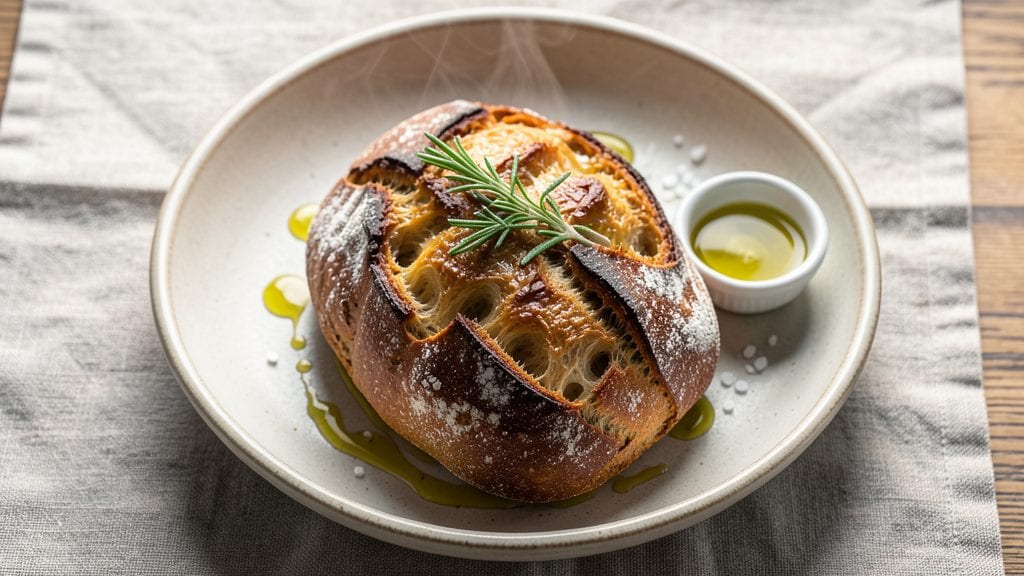
This Angelo's bread recipe delivers the perfect balance of crispy crust and chewy interior that stretches like pizza dough—ideal for pairing with soups or enjoying toasted with olive oil.
The secret lies in precise dough development using high-gluten flour, yeast, and a touch of olive oil to create that signature texture. I've perfected this method over years of testing, ensuring every batch achieves the same restaurant-quality results you'd expect from Angelo's iconic menu.
The process begins with a simple dough made from flour, yeast, water, and salt, kneaded until smooth and elastic. Proofing is critical—allowing the dough to rise fully develops its structure and flavor, while shaping it into a round loaf ensures even baking.
The key to that signature crispy crust is baking at high heat, which creates a golden, crackly exterior while keeping the interior tender and pull-apart.
What sets this bread apart is its versatility—serve it warm as a side with soups or stews, toasted with garlic butter, or even as a base for open-faced sandwiches.
The dough's elasticity makes it perfect for pulling into strands, much like pizza dough, adding a fun, interactive element to any meal. With just a few simple ingredients and careful technique, you'll achieve bread that rivals the original.
Ready in about 2 hours from start to finish, this recipe is ideal for meal prep or last-minute gatherings. The dough can be made ahead and refrigerated, allowing you to bake fresh bread whenever needed.
Whether you're a home baker or new to bread-making, this foolproof method ensures success every time.
Ingredients for angelo's bread
High-gluten flour and yeast create the signature chewy texture, while olive oil and cheese deliver that iconic Angelo's flavor.
| Ingredient | Amount | Notes |
|---|---|---|
| High-Gluten Flour 🌾 | 4 cups | Bread flour or King Arthur preferred |
| Active Dry Yeast 🍞 | 0.03 oz | 1 packet or 2 1/4 tsp |
| Granulated Sugar 🍚 | 1 tbsp | Enhances yeast activation |
| Salt 🧂 | 1 ½ tsp | Kosher or sea salt preferred |
| Extra-Virgin Olive Oil 🫒 | ¼ cup | High-quality for crust development |
| Warm Water 💧 | 1 ¼ cups | 110°F for optimal yeast activation |
| Shredded Mozzarella Cheese 🧀 | 1 cup | Part-skim or whole milk |
| Parmesan Cheese 🧀 | ½ cup | Freshly grated from block |
| Garlic Powder 🧄 | ½ tsp | For subtle flavor enhancement |
| Dried Oregano 🍃 | ½ tsp | Italian variety preferred |
| Cornmeal 🌽 | ¼ cup | For dusting baking surface |
| Coarse Sea Salt 🧂 | 1 tbsp | For sprinkling on crust |
The high-gluten flour is non-negotiable here—it gives that signature chewy texture. King Arthur or Bob's Red Mill are the gold standards, but any bread flour will work. For the yeast, active dry works perfectly—just make sure it's fresh (test by dropping in warm water with sugar; it should foam within 5 minutes). The extra-virgin olive oil should be fruity and peppery—California brands like Corto or Colavita are my go-to. For the cheese, whole milk mozzarella melts better than part-skim, though it's pricier. Whole Foods or specialty Italian markets carry the best quality.
No high-gluten flour? All-purpose flour plus 1 extra tbsp vital wheat gluten gets you close. The yeast packet is standard—Fleischmann's or Red Star are reliable brands. Short on mozzarella? Fontina or provolone work in a pinch, though the flavor will differ slightly. For the Parmesan, grate it yourself—pre-shredded has anti-caking agents that make it taste off. The garlic powder and oregano are just for flavor, so dried works fine if fresh isn't available. Cornmeal is optional but helps with browning—any brand is fine here.
This dough keeps for 48 hours in the fridge wrapped tightly in plastic, or 3 months in the freezer if portioned into balls. For best results, let it come to room temperature before baking. The cheese-topped version can be baked straight from the fridge, but it'll take 5-10 extra minutes. Store baked bread in a paper bag at room temperature for up to 3 days—it stays fresh longer than plastic. Toasting revives stale bread, but this recipe is so good it rarely lasts that long.
Why You'll Love This Recipe
- No-Knead Nightmare Solved: The high-gluten flour does all the heavy lifting—no punching, no fuss, just mix and let it rise while you watch one episode of your favorite show. I’ve made this while scrolling, while eating dinner, even while folding laundry. That dough’s patient.
- Olive Oil Magic: That splash of extra-virgin olive oil? It’s not just flavor—it’s the secret to a crust that’s crispy enough to shatter but tender enough to soak up marinara like a dream. (Yes, even when I forget to proof the yeast properly, it still delivers.)
- Weeknight Wonder: Toss it in the oven for breakfast toast, tear it for lunch sandwiches, or freeze half for when you’re too tired to bake. My kids grab it straight from the fridge for "bread snacks" because it stays fresh for days. No sad, rock-hard loaves here.
- Budget Stretch: Five ingredients, zero waste—this bread costs me pennies per serving but tastes like I spent hours on it. The high-gluten flour gives you that artisanal chew without the bakery price tag, and a single batch feeds my family for days. Leftovers? More like leftovers—we’re always left wanting more.
Step-by-step instructions for Angelo's bread recipe
This method delivers a chewy, airy loaf with a crisp crust—just like Angelo's famous pizza dough.
Activate the Yeast for Maximum Rise
In a small bowl, combine the 0.03 oz active dry yeast, 1 tbsp granulated sugar, and 1.25 cups warm water (test temperature with your finger—it should feel warm but not hot). Let it sit for 5-10 minutes until frothy. This step ensures your yeast is active and ready to work.
If the mixture doesn't bubble after 10 minutes, your yeast is dead—start over with fresh yeast. The sugar helps activate the yeast, while the warm water provides the ideal environment for fermentation. Stir gently to avoid creating too many bubbles early, which can weaken the dough later.
Mix the Dough Until Smooth and Elastic
In a large mixing bowl, combine the 4 cups high-gluten flour and 1.5 tsp salt. Make a well in the center and pour in the yeast mixture along with the 0.25 cup extra-virgin olive oil. Mix with a wooden spoon until a shaggy dough forms.
Transfer the dough to a stand mixer fitted with a dough hook. Knead on medium speed for 5-7 minutes until the dough becomes smooth, elastic, and pulls away from the sides of the bowl. The dough should be slightly tacky but not sticky—add a few tablespoons of flour if needed. This kneading step develops gluten, which gives the bread its signature chewy texture.
First Rise for Flavor Development
Lightly oil a large bowl, place the dough inside, and cover with a damp kitchen towel. Let it rise in a warm place for 1-2 hours, or until it has nearly doubled in size. This first rise allows the yeast to ferment and develop flavor.
Gently press two fingers into the dough—if the indentation stays, it's ready. If not, give it another 30 minutes. Avoid over-rising, as this can cause a dense loaf. The dough should be soft, slightly springy, and smell faintly sweet. Patience here is key—rushing this step weakens the gluten structure.
Shape and Second Rise for Structure
Punch down the dough to release air, then divide it into 4 equal portions. Shape each into a smooth, round ball by pulling the edges toward the center and sealing the seam. Place the dough balls on a baking sheet dusted with 0.25 cup cornmeal, cover with the towel, and let them rise for another 30-45 minutes until puffy.
This second rise ensures the dough has the right structure for baking. The cornmeal prevents sticking and adds a subtle crunch to the crust. If the dough doesn’t rise much, it may need more time—don’t force it. The balls should look slightly larger and feel light when pressed gently.
Bake for a Crispy Crust and Chewy Interior
Preheat your oven to 425°F with a baking stone or inverted baking sheet inside. Once hot, brush the tops of the dough balls with water and sprinkle generously with 1 tbsp coarse sea salt. Bake for 15-18 minutes until the crust is deep golden brown and the internal temperature reaches 190°F.
For extra flavor, add a mix of 1 cup shredded mozzarella cheese and 0.5 cup parmesan cheese to the top of one or two loaves during the last 5 minutes of baking. The cheese will melt into a gooey, stretchy layer that pulls like pizza dough. Let the bread cool for 10 minutes before slicing—this ensures clean cuts and prevents a gummy interior.
Pro Tips For Making Angelo'S Bread
- Weigh Your Flour: High-gluten flour is dense—don’t eyeball it. Use a kitchen scale for the exact 500g (or recipe amount), then spoon it into the bowl without packing it down. I learned this the hard way when my first loaf turned out denser than a brick.
- Bloom Yeast in Warm Oil: Skip the water—mix the yeast with ¼ cup of the olive oil first, then add the sugar. The oil keeps the yeast happy and prevents a sticky mess. (Yes, even if you’re impatient like me, wait 5–10 minutes for it to get frothy.)
- Knead Until Silky: High-gluten dough fights back. Work it until it’s smooth and elastic—about 10–12 minutes by hand or 5–6 on a stand mixer with a dough hook. If it’s still rough, you’re not done. (Your future self will thank you.)
- Score Deep and Fast: Use a razor blade or sharp knife to slash the dough before baking—this isn’t decoration. Cut ½-inch deep at a 45-degree angle, then bake immediately. I skipped this once and ended up with a sad, uneven rise.
Creative variations of this recipe
Cheesy Pull-Apart Loaf
For a showstopper, load the shaped dough balls with 1 cup shredded mozzarella and ½ cup grated Parmesan before baking. Press the cheese into the center of each ball, then seal the edges tightly.
As it bakes, the cheese melts into a stretchy, gooey layer that pulls like pizza dough—perfect for sharing. I like adding ½ tsp garlic powder and ½ tsp dried oregano to the cheese mix for extra flavor. 🧀
Rosemary & Olive Oil Twist
Infuse your dough with 1 tbsp finely chopped fresh rosemary and 1 extra tbsp olive oil during kneading. The rosemary adds an aromatic depth that pairs beautifully with soups or roasted vegetables.
For a finishing touch, brush the baked loaf with more olive oil and sprinkle with flaky sea salt while still warm. This variation works especially well with hearty stews.
Whole Wheat Adaptation
Replace 2 cups of the high-gluten flour with whole wheat flour for a nuttier, denser loaf. To maintain elasticity, add 1 extra tbsp vital wheat gluten to compensate for the lower gluten content.
The texture will be slightly chewier, and the flavor more robust. This version is perfect for those looking to add fiber without sacrificing the signature pull-apart quality.
Garlic & Herb Focaccia Style
Shape the dough into a flat, thick rectangle on a baking sheet lined with parchment paper. Dimple the top with your fingers, then drizzle with 2 tbsp olive oil and sprinkle with 1 tsp garlic powder, ½ tsp dried rosemary, and ½ tsp dried thyme.
Bake at 400°F for 20-25 minutes until golden. This focaccia-style version is ideal for dipping in olive oil or serving with antipasto platters.
Sweet Cinnamon Swirl
Reduce the salt to 1 tsp and add 1 tbsp ground cinnamon and 2 tbsp brown sugar to the dough. Roll out one portion into a rectangle, spread with 2 tbsp softened butter, and sprinkle with ½ cup chopped pecans.
Roll tightly, slice into rounds, and bake as usual. The result is a sweet, spiced bread perfect for breakfast or dessert with a dollop of whipped cream. 🌟
Herbed Olive Oil Drizzle
After baking, let the bread cool slightly, then drizzle generously with a mix of 2 tbsp extra-virgin olive oil, 1 tsp balsamic vinegar, ½ tsp dried oregano, and a pinch of red pepper flakes.
This finishing touch adds a bright, herby note that elevates the bread’s flavor. Serve warm with balsamic glaze for dipping.
Nutrition facts
Frequently asked questions
Why does Angelo's bread have that signature pull-apart texture?
The chewy, pizza-dough-like quality comes from using high-gluten flour and proper kneading. The gluten strands develop during the 5-7 minute kneading and 1-2 hour first rise, creating an elastic structure. The cheese topping in the variation adds moisture and stretchiness when baked.
Can I make this bread without a stand mixer?
Knead by hand on a lightly floured surface for 8-10 minutes until smooth and elastic. The dough should spring back when pressed. For best results, use a dough scraper to help fold and turn the dough. Patience is key—this method just takes more elbow grease.
What's the best way to store leftover Angelo's bread?
Wrap cooled bread tightly in plastic wrap or store in an airtight container. It stays fresh for 3 days at room temperature or 1 week in the fridge. For longer storage, freeze baked portions for up to 3 months. Toasting revives stale bread perfectly.
Why did my bread turn out dense instead of chewy?
Dense bread usually means the dough didn't rise enough or was over-kneaded. Check these:
- Yeast was inactive (test with warm water first),
- Dough didn't double in size during rises, or
- Oven wasn't hot enough (use a baking stone at 425°F). Let dough rise in a warm spot (like near the oven with light on) for better results.
Can I add herbs or spices to the basic recipe?
Yes! Try 1 tsp dried rosemary or ½ tsp garlic powder during kneading for extra flavor. For bold variations, add 1 tbsp cinnamon and 2 tbsp brown sugar for a sweet version, or ½ tsp red pepper flakes for heat. Just reduce salt slightly if adding strong flavors.