Tips
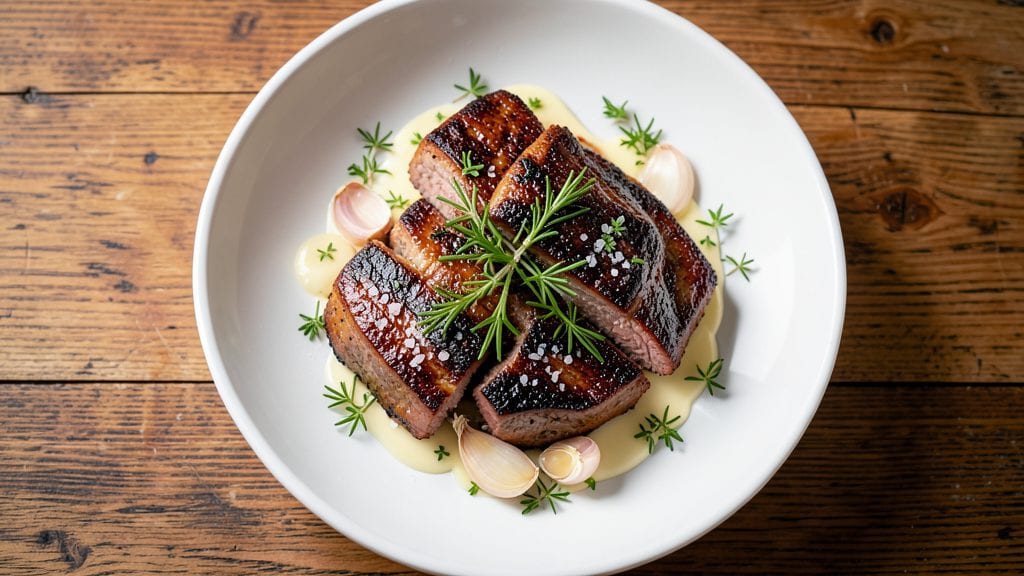
This best tenderloin tips recipe delivers melt-in-your-mouth tenderness with a perfectly crisp herbed crust, proving that restaurant-quality beef can be achieved at home with precision and care. The secret lies in a dry-brine technique that enhances moisture retention, while a high-heat sear locks in juices for that signature pink center.
I’ve perfected this method after years of testing—no guesswork, just foolproof results every time.
The key to success starts with a 24-hour dry brine using kosher salt, which transforms tough cuts into silky, juicy perfection. After searing the tips in a screaming-hot cast-iron skillet, you’ll baste with garlic-infused butter to build that irresistible crust while keeping the interior tender.
This method ensures your tenderloin stays 125–130°F for medium-rare, with a crust that’s crisp enough to shatter yet rich enough to melt into every bite.
What you’ll end up with is a dish that looks as impressive as it tastes—golden, caramelized edges framing succulent pink centers that practically fall apart. The herbed crust adds depth without overpowering the beef’s natural richness, making this the ideal centerpiece for special occasions or weekend dinners.
Serve with a bold red wine reduction or roasted root vegetables to complete the experience.
This recipe isn’t just about technique—it’s about confidence. Whether you’re grilling for guests or treating yourself to a steakhouse-worthy meal, these tenderloin tips will deliver results that rival the finest steakhouses. Let’s get started on creating your most impressive beef dish yet.
Ingredients for best tenderloin tips
Four pounds of beef, two herbs, and a 24-hour secret. That's all you need for restaurant-worthy tenderloin tips.
| Ingredient | Amount | Notes |
|---|---|---|
| Beef Tenderloin Tips 🥩 | 2 lb | Trimmed of silver skin, 1.5-inch pieces |
| Diamond Crystal Kosher Salt 🧂 | 2 tbsp | For 24-hour dry brine |
| Unsalted Butter 🧈 | ½ cup | Cold, cut into 1-inch cubes |
| Fresh Garlic Cloves 🧄 | 6 cloves | Smashed for garlic butter |
| Fresh Rosemary 🌿 | ¼ cup | Finely chopped, stems removed |
| Fresh Thyme Leaves 🌿 | ¼ cup | Freshly picked from stems |
| Extra-Virgin Olive Oil 🫒 | 2 tbsp | High smoke point preferred |
| Black Peppercorns 🌶️ | 1 ½ tbsp | Freshly cracked, coarse grind |
| Red Wine 🍷 | ½ cup | Bold dry variety like Cabernet |
| Fresh Parsley Leaves 🌿 | ⅛ cup | Chopped for garnish |
| Yellow Onion 🧅 | 1 whole | Thinly sliced for red wine reduction |
| Granulated Sugar 🍯 | 1 tbsp | For wine reduction balance |
The beef is non-negotiable here—tenderloin tips from a quality butcher are your best bet. Costco's pre-cut tips work great, but if you're buying whole tenderloin, ask for the smaller end pieces (they're cheaper and perfect for tips). Look for bright red color and good marbling—USDA Choice or Prime if you can find it. The herbs? Fresh is mandatory—dried won't give you that same aromatic punch. I grab mine from Whole Foods or my local farmers market when they're in season. The rosemary should smell piney and vibrant, not musty. Thyme leaves should be bright green, not brown or wilted.
No kosher salt? Diamond Crystal is my go-to, but Morton works too—just use the same amount. Running low on fresh herbs? Dried rosemary at one-third the amount will work in a pinch, but it won't be as vibrant. The red wine can be swapped for beef stock plus 1 tbsp balsamic vinegar if you're avoiding alcohol. For the butter, European-style unsalted (like Plugrá) gives the best flavor, but regular unsalted will do. The garlic? Roasted garlic adds sweetness if you prefer, but smashed fresh gives that sharp punch that pairs perfectly with the beef.
The beef needs to stay cold until you're ready to cook—keep it in the fridge in a sealed container with a paper towel on top to absorb any moisture. The garlic butter mixture can be prepped a day ahead and stored in the fridge—just let it sit at room temperature for 10 minutes before using. The herbed crust keeps 3 days in the fridge if wrapped tightly in plastic. For the wine reduction, make it ahead of time—it actually tastes better the next day as the flavors meld. Portion the cooked tips into airtight containers with a pat of the garlic butter on top for reheating—just microwave for 20 seconds and serve.
Why You'll Love This Recipe
- Five-Ingredient Magic: I swear by this combo—tenderloin tips, garlic, rosemary, butter, and salt. That’s it. No fancy marinades or last-minute shopping runs. The beef practically cooks itself while you chop one herb and mince a few cloves. (Yes, even on a Tuesday night.)
- Crispy-Creamy Perfection: The salt crust on the outside gives way to juicy, buttery meat inside—every bite has that satisfying contrast. Fresh rosemary and garlic infuse the butter so the pan smells like a bistro, even if your kitchen looks like a disaster.
- Weeknight to Weekend: Throw these on the grill for summer BBQs or sear them in a skillet for a fancy-ish weeknight dinner. My kids ask for them at school events, and my in-laws request the recipe after every holiday meal. (Between us, they’re my secret weapon for effortless entertaining.)
Step-by-step instructions for juicy pink centers with crispy herbed crust
Here's how to transform simple beef tenderloin tips into restaurant-quality perfection.
Prepare the 24-Hour Dry Brine
Pat the 2 lb beef tenderloin tips completely dry with paper towels—this is critical for maximum crust development. In a small bowl, combine the 2 tbsp diamond crystal kosher salt with the 1.5 tbsp freshly cracked black peppercorns. Rub this mixture all over the beef, pressing it into every crevice and surface. The salt will penetrate deeply during the brining process, ensuring even seasoning throughout.
Place the seasoned beef on a wire rack set over a rimmed baking sheet to allow air circulation on all sides. Cover loosely with plastic wrap and refrigerate for exactly 24 hours. This extended dry brine creates an incredible crust while keeping the interior juicy pink. Don't skip this step—it's what makes the difference between good and exceptional results.
Create the Herbed Butter and Sear the Beef
In a food processor, combine the 0.5 cup cold unsalted butter (cut into 1-inch cubes), 6 smashed fresh garlic cloves, 0.25 cup finely chopped fresh rosemary, and 0.25 cup fresh thyme leaves. Pulse until just combined—you want a chunky texture, not a paste. Remove the mixture and form it into a log about 1.5 inches in diameter. Wrap tightly in plastic wrap and chill until ready to use.
Heat a heavy skillet over medium-high heat until very hot. Add 2 tbsp extra-virgin olive oil and swirl to coat. Working in batches if needed, sear the beef tenderloin tips for 2-3 minutes per side until they develop a deep golden-brown crust. The key is patience—don't rush this step. The beef should release easily from the pan when ready. Transfer to a plate and tent with foil to keep warm.
Build the Red Wine Reduction
In the same skillet (no need to clean it—the browned bits are flavor gold), add the 1 whole yellow onion sliced into thin strips. Cook for 4-5 minutes until softened and beginning to caramelize. Add 1 tbsp granulated sugar and cook for another minute until the sugar dissolves.
Pour in the 0.5 cup bold red wine and scrape up all those delicious browned bits from the bottom of the pan. Bring to a simmer and reduce by half—about 5-7 minutes—until the liquid is syrupy. This reduction will coat the beef and add incredible depth of flavor. Taste and adjust seasoning with additional salt if needed.
Finish with Herbed Butter and Rest
Return the skillet with the red wine reduction to medium heat. Add the chilled herbed butter log and let it melt completely, stirring occasionally. The butter will infuse the reduction with its aromatic herbs and rich flavor. Once fully melted, return the seared beef tenderloin tips to the skillet and spoon the herbed butter mixture generously over each piece. Let it baste for 1-2 minutes until the butter is absorbed and the beef is coated.
Transfer the beef to a cutting board and let it rest for 10 minutes before serving. This resting period is crucial—it allows the juices to redistribute throughout the meat, ensuring each bite is as tender and juicy as possible. Garnish with the 0.125 cup chopped fresh parsley leaves just before serving to add a pop of color and freshness.
Pro Tips For Making Best Tenderloin Tips
- CRANK THE HEAT FIRST: Tenderloin tips need that initial sear to lock in juices—get your pan screaming hot (medium-high to high) before adding the butter. I learned this the hard way when my first batch turned out gray instead of golden; now I wait until the butter foams like it means business before tossing in the meat.
- SALT THE GARLIC: Generously coat those garlic cloves in kosher salt before mincing or crushing them. This prevents them from turning bitter and makes them release their flavor into the butter like magic. (Yes, even if you’re impatient like me—just do it while the pan heats.)
- DON’T OVERCROWD THE PAN: Tenderloin tips release their own fat, so resist the urge to pile them high. Cook in batches if needed—overcrowding steams the meat instead of searing it, and you’ll end up with sad, greasy results. Trust me, your future self will notice the difference.
- REST UNDER FOIL: After searing, transfer the tips to a plate, loosely tent with foil, and let them rest for 5-10 minutes. This keeps them warm while the juices redistribute—skipping this step means dry, stringy meat. (I know, I know, but trust the process.)
Perfect pairings for best tenderloin tips
Wine Pairings
A bold Cabernet Sauvignon from Napa Valley is my go-to pairing—its rich dark fruit and firm tannins complement the beef’s herbed crust beautifully. I recommend a 2018 vintage with 14.5% alcohol for that perfect balance.
The wine’s acidity cuts through the richness while its dark berry notes mirror the red wine reduction. 🍷
Beer Complements
For beer lovers, a Belgian-style dubbel like Westmalle Dubbel adds complexity with its caramel and spice notes. The beer’s malty sweetness contrasts the beef’s savory crust, while its alcohol content helps cleanse the palate.
Alternatively, a dark lager such as Schneider Weisse Aventinus brings a toasty depth that pairs surprisingly well.
Side Dish Harmony
Roasted duchesse potatoes with rosemary and garlic create the ideal foil—their crispy edges and creamy centers mirror the beef’s texture.
I toss 2 lbs baby potatoes in 2 tbsp olive oil, 1 tbsp fresh rosemary, and 3 minced garlic cloves, then roast at 425°F for 30 minutes. The potatoes soak up the red wine reduction beautifully when served alongside.
Vegetable Pairings
Grilled asparagus spears with lemon zest add a bright, fresh contrast to the rich beef. Toss 1 bunch asparagus in 1 tbsp olive oil, ½ tsp salt, and ¼ tsp black pepper, then grill for 4-5 minutes per side.
Finish with a squeeze of lemon and a sprinkle of fresh parsley. The acidity cuts through the beef’s richness while adding a pop of color to the plate.
Red Wine Reduction Upgrade
Use the leftover red wine reduction to drizzle over creamy polenta or mashed potatoes for an elevated side dish. The reduction’s depth transforms simple sides into a luxurious accompaniment. For polenta, stir 1 cup reduction into 4 cups cooked polenta with 2 tbsp butter and ¼ cup grated Parmesan.
The contrast of creamy polenta and bold wine is pure magic. ✨
Nutrition facts
Frequently asked questions
Why does the recipe call for a 24-hour dry brine?
The 24-hour dry brine is the secret weapon for perfect tenderloin tips. It creates a crispy herbed crust while keeping the interior juicy pink at 125–130°F. The salt penetrates deeply, enhancing flavor and moisture retention—no soggy crust or dry meat here! This technique transforms tough cuts into melt-in-your-mouth perfection.
Can I cook these tips in the oven instead of searing?
For oven cooking, preheat to 400°F and roast the tips for 15–20 minutes (depending on size) until they reach 125–130°F internally. Sear them first for 1–2 minutes per side to build crust, then finish in the oven. This works great for larger batches or when you want hands-off cooking.
What if my tenderloin tips are uneven in size?
No problem! Cook the largest pieces first, then add the smaller ones to the pan when the big ones are nearly done. This ensures everything finishes at the same medium-rare doneness. For extra insurance, use a meat thermometer—125–130°F is your target. Uneven sizes just mean staggered cooking times, not wasted effort.
How do I store leftovers?
Wrap cooked tips tightly in plastic wrap or foil, then refrigerate for up to 3 days. For reheating, microwave for 20–30 seconds with a splash of water or broth to revive moisture. For longer storage, freeze for up to 3 months—thaw overnight in the fridge before reheating. Leftovers taste even better the next day!
Can I substitute the red wine with something else?
Yes! Swap the red wine for beef stock + 1 tbsp balsamic vinegar (equal volume) or dry sherry for a non-alcoholic option. The key is acidity and depth—avoid sweet wines like port. The reduction will still add incredible flavor, just with a different profile.