Breakfast & Brunch
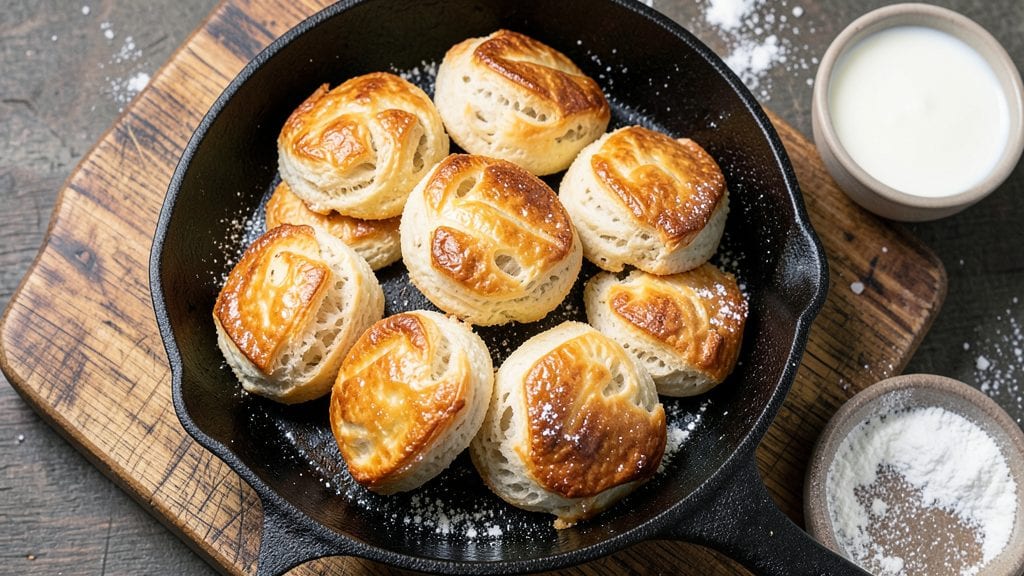
This biscuits without yeast recipe delivers flaky, golden layers that rise in minutes—no waiting for dough to proof or rise. The secret lies in cold butter cut into flour, which creates pockets of steam during baking, lifting the biscuits to perfectly tender heights with just 15 minutes of hands-on time.
I developed this version after years of struggling with tough, dense biscuits that never quite lived up to the buttery, melt-in-your-mouth texture I craved.
The magic happens with a foolproof technique that combines baking powder for lift and cold butter for flakiness. Unlike traditional yeast-based biscuits, this recipe skips the waiting and delivers restaurant-quality results every time—no special skills required.
The dough comes together in minutes, and with a hot cast-iron skillet, you’ll achieve that signature crispy bottom and soft, pillowy top without fail.
What you’ll end up with is a batch of golden, buttery biscuits that split easily and stay warm for hours. The aroma alone will have everyone gathering around the table, and the first bite delivers that perfect balance of crispy edges and tender centers—just like Grandma used to make.
These biscuits work equally well for breakfast with jam, as a savory side for gravy, or even as dinner rolls.
For extra flair, brush the tops with melted butter before baking, or add a pinch of garlic powder for a savory twist. The recipe scales perfectly for feeding a crowd, and leftovers reheat beautifully. Let’s get started on the perfect batch of biscuits—no yeast, no fuss, just buttery perfection.
Ingredients for biscuits without yeast
Nine simple ingredients create flaky, golden biscuits—no yeast, no waiting, just buttery perfection.
| Ingredient | Amount | Notes |
|---|---|---|
| All-Purpose Flour 🌾 | 3 cups | Sifted for light texture |
| Cold Unsalted Butter 🧈 | 1 cup | Cut into small cubes |
| Baking Powder 🍞 | 2 tbsp | Aluminum-free preferred |
| Granulated Sugar 🍚 | 1 tbsp | For slight sweetness |
| Kosher Salt 🧂 | 1 ½ tsp | Adjust to taste |
| Whole Milk 🥛 | 1 cup | Room temperature |
| Garlic Powder 🧄 | ½ tsp | Optional for savory twist |
| Freshly Ground Black Pepper 🌶️ | ¼ tsp | For subtle seasoning |
| Melted Butter 🧈 | 2 tbsp | For brushing tops |
The butter is everything here. Use cold, unsalted sticks from the freezer—cut them into tiny cubes so they stay cold when mixed into the flour. Land O’Lakes or Plugrá are my go-tos for consistent results. If you’re in a pinch, Earth Balance vegan butter works too, but it’ll taste different. The flour? King Arthur or Gold Medal are my top picks—they’re sifted and reliable. And don’t skip sifting! That’s what gives you those light, airy layers. Pro tip: if your kitchen’s warm, chill the mixing bowl too.
No baking powder? Substitute with 1.5 tbsp baking soda plus 1 tbsp cream of tartar—it’s the same lift. Short on milk? Buttermilk or even water in a bind, but whole milk gives the best texture. Want extra flavor? Swap half the milk for chicken or beef broth for savory biscuits. The sugar is optional but helps with browning—skip it if you’re watching carbs. And if you’re feeling fancy, add a pinch of onion powder to the dry mix for a savory kick. These biscuits reheat beautifully too—just pop them in a 350°F oven for 5-10 minutes.
Mix the dough last-minute—it’s best used fresh. If you need to prep ahead, shape the biscuits and freeze them on a tray, then transfer to a bag. Bake straight from frozen, adding 2-3 extra minutes. Leftovers? Store them in an airtight container for up to 3 days, but honestly, they’re best warm. For serving, brush the tops with melted butter right out of the oven—that crispy crust is non-negotiable. And if you’re feeding a crowd, double the recipe—these biscuits freeze like a dream.
Why You'll Love This Recipe
- Same dough, endless uses: slather with jam for breakfast, smother in sausage gravy, or serve with honey butter at brunch. I’ve even used them to soak up chili—no judgment.
- No Yeast, No Stress: Cold butter cut into flour until it’s pea-sized—no kneading, no waiting. Honestly, I’ve made this while scrolling through my phone; the dough comes together faster than my coffee brews.
- Buttery Crisp Magic: That first bite? Flaky layers from cold butter, just enough sugar to balance the baking powder’s lift—it’s the kind of biscuit that disappears before the gravy arrives. (Yes, even on a Tuesday night.)
- Breakfast to Brunch: Same dough, endless uses: slather with jam for breakfast, smother in sausage gravy, or serve with honey butter at brunch. I’ve even used them to soak up chili—no judgment.
Instructions for buttery layers that rise in minutes
Here's how to make flaky, golden biscuits without yeast—no waiting for dough to rise needed.
Cut Cold Butter into Flour Mixture
In a large bowl, combine the 3 cups all-purpose flour, 2 tablespoons baking powder, 1 tablespoon granulated sugar, 1½ teaspoons kosher salt, ½ teaspoon garlic powder, and ¼ teaspoon freshly ground black pepper. Whisk until just combined—don't overmix, or the biscuits will turn tough.
Add the 1 cup cold unsalted butter, cut into small cubes. Use a pastry cutter, fork, or your fingers to work the butter into the flour until the mixture resembles coarse crumbs with pea-sized butter pieces scattered throughout. The butter should be cold but workable—if it feels too soft, chill the bowl for 10 minutes before proceeding. This step creates those signature flaky layers, so don't rush it.
Add Milk and Mix Just Until Combined
Pour in the 1 cup room-temperature whole milk all at once. Using a fork or silicone spatula, gently stir until the dough just comes together. You'll see streaks of flour, but that's okay—overmixing develops gluten and makes biscuits dense. Stop mixing as soon as the dough holds together when pressed.
Turn the dough out onto a lightly floured surface and gently pat it into a 1-inch thick rectangle. Fold the dough in half, then fold it in half again to create four layers. This helps distribute the butter evenly and creates more flaky layers. Wrap the dough in plastic wrap and refrigerate for 15 minutes while you preheat the oven.
Roll and Cut Biscuits for Perfect Shape
Preheat your oven to 425°F and line a baking sheet with parchment paper. On a lightly floured surface, roll the chilled dough to ½-inch thickness. Use a 2½-inch round biscuit cutter to cut out biscuits, pressing straight down without twisting. For extra crispy edges, reroll the scraps and cut more biscuits.
Place the biscuits on the prepared baking sheet, spacing them ½ inch apart. Brush the tops generously with the 2 tablespoons melted butter using a pastry brush. This step adds flavor and helps create that beautiful golden-brown crust. Bake for 12-15 minutes until the biscuits are golden brown at the edges and the tops look slightly puffed.
Check for Doneness and Serve Warm
Remove the biscuits from the oven and let them cool on the baking sheet for 2-3 minutes before transferring to a wire rack. They should sound hollow when tapped on the bottom—this is your signal that they're fully cooked inside. Serve immediately while still warm and buttery, or cover loosely with a clean kitchen towel to keep them soft.
These biscuits are best enjoyed fresh out of the oven, especially with gravy, honey butter, or as a side for breakfast meats. The secret to their light texture lies in handling the dough gently and keeping everything cold until the last minute. If you notice the tops browning too quickly, tent them loosely with foil for the last 2-3 minutes of baking to prevent over-browning.
Pro Tips For Making Biscuits Without Yeast
- Cut Butter Fast: DESCRIPTION: Use a food processor or box grater instead of chopping by hand—you’ll save time and get smaller, more even butter pieces that melt into flaky layers. (Yes, even if you’re impatient like me, resist the urge to skip this.)
- Measure Salt Right: DESCRIPTION: Kosher salt varies by brand, so weigh it if you’re precise: 1 teaspoon packed equals about 18mm of flaky salt. Too little and your biscuits taste bland; too much and they’ll taste harsh—especially with unsalted butter.
- Skip the Overmixing: DESCRIPTION: Stir the dough just until the flour is moistened—about 10-12 strokes. Overmixing develops gluten, and your biscuits will turn out tough instead of tender. (I learned this the hard way after making a batch that could’ve been used as a doorstop.)
- Preheat Pan Properly: DESCRIPTION: Get your cast-iron or baking sheet screaming hot before adding biscuits—400°F for 10 minutes minimum. Cold pans steal heat, and your bottoms won’t brown. (Pro move: Use a pizza stone for extra crispiness if you’re feeling fancy.)
Regional styles of these flavors
Southern Classic
This recipe captures the essence of Southern-style biscuits with their signature flaky layers and buttery richness. The key technique—cutting cold butter into flour—was perfected in Georgia and the Carolinas, where biscuits became a staple breakfast dish.
I grew up on these, and the secret was always keeping the butter cold and handling the dough gently. The folding technique (folding the dough in half twice) creates those signature layers that make Southern biscuits legendary. 🌶️
Texas-Style Twist
In Texas, biscuits often get a savory upgrade with additions like sharp cheddar cheese or crumbled bacon. For this version, I like adding ½ cup shredded cheddar to the dry ingredients and ½ cup cooked bacon crumbles to the wet mix.
The cheese melts slightly during baking, adding a gooey texture, while the bacon gives a smoky depth. Serve with chili or BBQ for a true Texan brunch.
The high heat in Texas kitchens means you might need to chill the dough longer—up to 20 minutes—to prevent the butter from melting too soon.
New England Crisp
Up north, biscuits tend to be extra crispy with a focus on a golden, almost caramelized crust. The trick here is brushing the tops with melted butter mixed with a pinch of brown sugar before baking. I also recommend using whole milk (not buttermilk) for a slightly richer flavor.
For an authentic New England touch, add ½ teaspoon of onion powder to the dry mix—it’s subtle but adds depth. These biscuits pair perfectly with clams or lobster for a coastal-inspired meal. The cast-iron skillet is a must for that signature crispy bottom.
Midwest Hearty Style
The Midwest takes biscuits big and bold, often serving them as dinner rolls or with meatloaf and mashed potatoes. For a heartier version, I like adding 1 tablespoon of cornmeal to the dry mix for extra texture.
The cornmeal absorbs moisture, keeping the biscuits tender even when served with gravy. Another Midwest favorite is adding a pinch of cinnamon to the dry ingredients—it’s a subtle sweetness that balances savory toppings like sausage gravy.
These biscuits hold up well when reheated, making them perfect for meal prep or serving at family gatherings.
Modern Fusion
For a globally inspired twist, try adding 1 tablespoon of matcha powder to the dry mix for a Japanese-inspired version. The matcha adds a subtle earthiness that pairs beautifully with white chocolate drizzle on top.
Another fun fusion is adding 1 teaspoon of smoked paprika for a Mexican-inspired flavor—serve with refried beans and salsa. The smoked paprika gives a hint of smokiness without overpowering the buttery flavor. These modern twists keep the classic technique but add exciting new flavors for adventurous eaters. 💫
Nutrition facts
Frequently asked questions
Why do these biscuits need cold butter?
The cold butter creates pockets of steam during baking, which lift the biscuits to flaky perfection. When butter melts too quickly, the layers collapse, making them dense. Keep those cubes cold—even work the dough on a chilled surface for best results.
Can I make these biscuits ahead of time?
Shape the biscuits and freeze them on a tray before transferring to a bag. Bake straight from frozen, adding 2-3 extra minutes at 425°F. For reheating, pop them in a 350°F oven for 5-10 minutes until warm and crispy again.
What if my biscuits turn out tough?
Overmixing the dough develops gluten, which makes biscuits tough. Mix just until combined—stop when the dough holds together when pressed. Also, ensure your butter stays cold and don’t skip the 15-minute chill before rolling. A lightly floured surface helps too.
How do I make these biscuits savory?
Swap half the milk for chicken or beef broth and add ½ teaspoon garlic powder and ½ teaspoon onion powder to the dry mix. For extra flavor, fold in ½ cup shredded cheddar or crumbled bacon before baking. Perfect for serving with gravy or chili!
Can I use a different fat instead of butter?
For a lighter texture, try cold vegetable shortening (like Crisco). For flavor, use lard (traditional in Southern cooking). Vegan options like Earth Balance butter work too, though the taste will differ. Just keep the fat cold—it’s the key to flaky layers!