Side Dishes
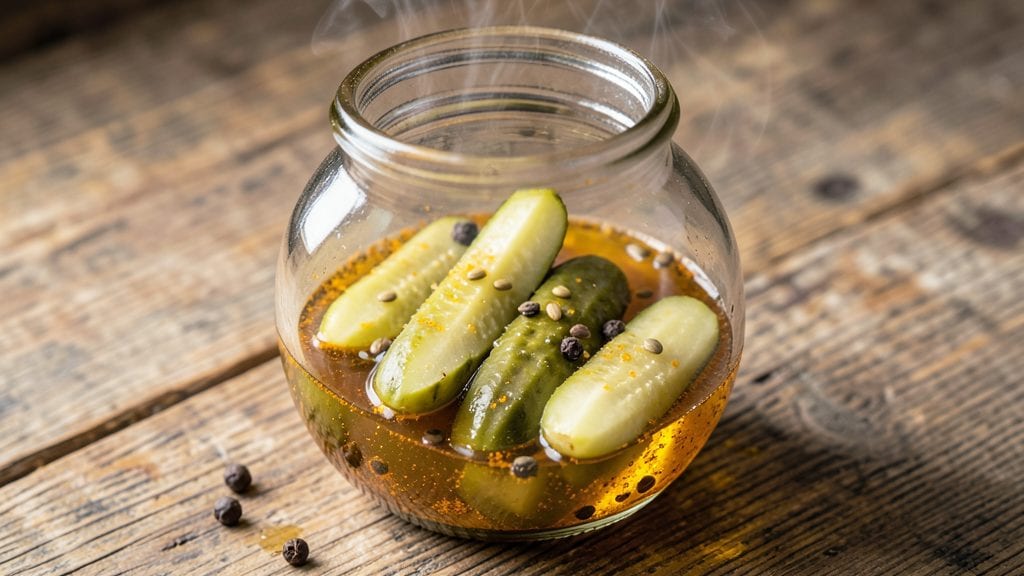
This bread and butter pickle recipe without onions delivers that signature tangy-sweet crunch in just 15 minutes—no fermenting required. The secret lies in balancing vinegar, sugar, and spices to create a bright, flavorful brine that transforms crisp vegetables into a condiment perfect for sandwiches or charcuterie boards.
I developed this version after realizing onions weren’t necessary for that classic bread-and-butter profile, and the results speak for themselves.
The process is straightforward: thinly slice cucumbers, combine them with a precise mix of vinegar, sugar, and spices like mustard seeds and turmeric, then let them sit for at least 15 minutes to absorb the flavors.
The texture stays delightfully crisp, with just the right amount of bite, while the sweet-tangy brine coats every piece. This method ensures you get restaurant-quality pickles without waiting weeks for fermentation.
What makes this recipe stand out is its versatility—use it on burgers, hot dogs, or even as a topping for grilled meats. The absence of onions doesn’t compromise flavor; instead, it highlights the natural sweetness of the cucumbers and the bright acidity of the vinegar.
Plus, the spices add depth, making these pickles a crowd-pleaser every time. Let’s get started!
For those who love customization, you can adjust the sweetness by adding more sugar or experiment with extra spices like dill or celery seed. Store them in the fridge for up to two weeks, and they’ll stay crisp and flavorful.
This is the kind of condiment that elevates simple meals into something special—no onions needed.
Ingredients for bread and butter pickle recipe without onions
Eight simple ingredients transform cucumbers into tangy-sweet pickles in minutes.
| Ingredient | Amount | Notes |
|---|---|---|
| White Vinegar 💧 | 1 cup | Distilled preferred for brightness |
| Granulated Sugar 🍚 | 1 cup | White or light brown preferred |
| Pickling Cucumbers 🥒 | 2 lbs | Small, firm, whole pickling cucumbers |
| Mustard Seeds 🌶️ | 1 tbsp | Yellow seeds preferred for texture |
| Turmeric Powder 🍃 | ½ tsp | For vibrant color |
| Ground Black Pepper 🌶️ | ½ tsp | Freshly ground preferred |
| Celery Seeds 🥬 | ½ tsp | Optional for extra depth |
| Salt 🧂 | 1 tsp | Diamond Crystal kosher preferred |
The cucumbers are the star here—pickling cucumbers (the small, bumpy ones) stay crispest, but any firm cucumbers work in a pinch. Trader Joe's or Whole Foods usually carry them pre-washed, but rinse them well if you grab them from a regular grocery store. Thinly slice them about 1/8-inch thick (a mandoline makes this easy, but a sharp knife works too). The vinegar matters just as much—distilled white vinegar gives that clean, bright tang, while apple cider adds a fruity note if you prefer something milder. Sugar is non-negotiable for that classic sweet-tart balance, but light brown sugar adds a caramel depth if you're feeling fancy.
No mustard seeds? Skip them or use 1/2 tsp ground mustard—it’s the same flavor, just finer texture. Turmeric is optional but gives those gorgeous golden pickles (and it’s what makes them look like classic bread-and-butter). Running low on celery seeds? Dill weed or dried dill at 1/4 tsp brings a similar herbal brightness. The salt is crucial—Diamond Crystal kosher dissolves perfectly, but table salt works if that’s what you’ve got. Just remember: table salt is finer and more concentrated, so cut the amount by half if substituting. For extra crunch, add 1/4 cup thinly sliced red bell pepper (seeds removed) to the jar before pouring the brine.
These pickles stay crisp for up to 2 weeks in the fridge, but they’re best within the first week. Store them in a clean, airtight jar with the brine to keep everything submerged. The longer they sit, the more the flavors meld—24 hours is ideal for that perfect balance of tang and sweetness. If you make a big batch, portion them into smaller jars so you’re not digging through one giant container. Pro tip: The brine makes a killer cocktail mixer too—just dilute it with soda water and a splash of lime juice for a refreshing drink.
Why You'll Love This Recipe
- No-Chop Required: I swear by this—just slice the cucumbers thick, toss them in the brine, and let time do the work. No dicing, no peeling, no fuss. Honestly, I’ve made it while scrolling through my phone.
- Golden Crunch Magic: That turmeric? Oh, it’s not just for color—it adds this subtle warmth that balances the tangy vinegar and sweet sugar. The mustard seeds give a tiny, satisfying pop with every bite, like a little surprise in every crunch.
- Picnic & Party Hero: These pickles disappear at summer BBQs, potlucks, or even packed in a lunchbox. They’re the kind of snack that makes people ask, “What’s in these?” and then immediately want the recipe.
- Jarred Treasure: A single batch lasts me weeks—months, if I’m honest. The vinegar and sugar preserve them beautifully, and the cost? A fraction of store-bought. Plus, my jar on the counter is always full, so I never reach for sad, limp pickles again.
Step-by-step instructions for vinegar-bright bread and butter pickles
Here's how to make crisp, tangy pickles without onions—quick, foolproof, and packed with flavor.
Prepare the Cucumbers for Pickling
Start by washing the 2 lbs pickling cucumbers thoroughly under cold water, then pat them completely dry with a clean kitchen towel. You want them bone-dry to prevent any water from diluting your brine later. Using a sharp knife, trim off both ends of each cucumber—this keeps them looking neat and ensures they absorb the flavor evenly.
Next, slice the cucumbers into ¼-inch thick rounds. For extra crunch, you can leave them whole or cut them into spears, but slices work perfectly for this recipe. If you're using small cucumbers, you might end up with about 2 cups of sliced cucumbers—enough for a classic jarred batch. Set them aside in a large bowl while you prepare the brine.
Create the Flavor-Packed Brine
In a medium saucepan, combine the 1 cup white vinegar and 1 cup granulated sugar. Stir over medium heat until the sugar dissolves completely—this should take about 2-3 minutes. You'll see the mixture bubble slightly as the sugar integrates, creating a smooth, slightly syrupy liquid. This is your base brine, and it's the foundation of your pickles' tangy sweetness.
While the vinegar and sugar heat, add the 1 tbsp mustard seeds, 0.5 tsp turmeric powder, 0.5 tsp ground black pepper, 0.5 tsp celery seeds, and 1 tsp salt to the saucepan. Stir well to distribute the spices evenly. The turmeric will give your pickles that classic golden hue, while the mustard and celery seeds add a subtle depth of flavor. Let the mixture simmer gently for 1 minute to infuse the spices into the brine.
Combine and Pack the Pickles
Pour the hot brine over the sliced cucumbers in the bowl, making sure every piece is coated. Let them sit for 5 minutes—this allows the cucumbers to absorb some of the brine and soften slightly, which helps them hold their shape during cooking. After the waiting period, transfer the cucumbers and brine to a clean, quart-sized mason jar, packing them tightly but gently to avoid crushing.
Leave about ½ inch of headspace at the top of the jar to allow for expansion as the pickles cook. This is crucial for preventing spills and ensuring a proper seal. If you have any extra brine left in the bowl, pour it over the cucumbers in the jar to maximize flavor.
Process for Perfect Crunch
Place the sealed jar in a large pot and fill it with water until the jar is completely submerged, leaving about 1 inch of water above the jar's rim. This water bath method ensures even heat distribution and helps create that signature crisp texture. Bring the water to a gentle boil over medium-high heat, then reduce the heat to maintain a rolling simmer. Process the jar for 10 minutes—this timing guarantees the pickles are safely preserved and develop their signature crunch.
Once the time is up, remove the jar from the pot using tongs and let it cool to room temperature on a wire rack. You'll hear a satisfying ping as the jar seals—this confirms your pickles are ready to store. Let them sit for at least 24 hours before eating to allow the flavors to fully meld. The result? Crisp, tangy, onion-free pickles that taste like a classic bread and butter recipe.
Pro Tips For Making Bread And Butter Pickle Recipe Without Onions
- BOIL THE BRINE FIRST: Heat the vinegar, sugar, and water together until the sugar fully dissolves—no grainy surprises later. I learned this the hard way when I skipped it and ended up with a jar of cloudy, uneven pickles. A quick simmer (about 3-4 minutes) guarantees smooth flavor distribution.
- SLICE CUCUMBERS THIN: Cut them ¼-inch thick or less—thicker slices stay crunchy but bland, while thin ones soak up the tangy brine perfectly. Use a sharp knife and work in batches if needed; patience here pays off in texture.
- TOAST THE MUSTARD SEEDS: Dry-toast the seeds in a pan for 30 seconds before adding them to the jar—this cracks them open and deepens their flavor. I was skeptical until I tried it; now I can’t imagine skipping it.
- PACK JARS TIGHTLY: Press the sliced cucumbers down firmly to eliminate air pockets, then pour the hot brine right up to the rim. Air equals spoilage, and no one wants a jar of sad, limp pickles after a week. Use a spoon handle to tap the jar sides if needed.
Common mistakes when making this dish
Skipping the Vinegar Simmer
One of the biggest mistakes is pouring cold vinegar over the cucumbers instead of heating it first. Cold vinegar won't dissolve the sugar properly, leaving grainy residue on your pickles and making the brine cloudy.
Always heat the vinegar and sugar until fully combined—this ensures a smooth, flavorful brine that coats every cucumber slice evenly. I've ruined batches by skipping this step, and the texture suffers immediately. 💧
Overcrowding the Jar
Packing cucumbers too tightly in the jar prevents the brine from circulating properly, which leads to uneven pickling and a mushy texture. Leave about ½ inch of headspace and avoid pressing down—just gently nestle the slices.
If you're worried about space, try using slightly smaller cucumbers or cutting them into spears instead of rounds. I once fit too many in a jar and ended up with pickles that tasted like they'd been boiled in syrup rather than vinegar. ⚠️
Ignoring the 24-Hour Rest
Rushing to eat your pickles immediately after processing is a common mistake. The flavors need time to meld—at least 24 hours in the fridge lets the spices infuse properly.
I've caught myself grabbing a pickle straight from the jar, only to find it bland compared to the same batch after resting. Patience here makes all the difference in achieving that perfect sweet-tart balance. ⏳
Using the Wrong Vinegar
Not all vinegars are created equal, and using apple cider or balsamic instead of white vinegar changes the flavor profile dramatically. White vinegar provides that clean, bright tang that's essential for bread-and-butter pickles.
Apple cider adds a fruity note that works better for fermented pickles, while balsamic would overpower the delicate cucumber flavor. Stick with distilled white vinegar for authentic results. 🍯
Forgetting to Sterilize
Skipping the sterilization step for your jar and tools can lead to mold or bacterial growth, ruining your entire batch. Always wash your mason jar and lid in hot, soapy water, then boil them for 10 minutes before filling.
I learned this the hard way when a batch of pickles developed fuzzy spots after just a few days. Sterilization is non-negotiable for safe, long-lasting pickles. 🧼
Underestimating Sugar's Role
Some recipes suggest reducing sugar to cut calories, but this sacrifices the signature sweet-tart balance. The sugar isn't just for sweetness—it helps preserve the cucumbers and creates that glossy brine.
If you're watching sugar, try light brown sugar instead of white; it adds caramel notes while still delivering the necessary preservation. I've made low-sugar pickles that tasted flat and vinegary—don't skip this key ingredient! 🍚
Nutrition facts
Frequently asked questions
Can I make these pickles without vinegar?
This recipe relies on vinegar for both flavor and preservation, but you can try a fermented version instead. For lacto-fermentation, use 2% salt by weight (about 1 tbsp per quart of water) and pack cucumbers in a sterilized jar, leaving 1 inch of headspace. Cover with a fermentation weight and let sit at room temperature for 3-5 days before refrigerating. The flavor will develop differently—more tangy and less sweet.
How do I adjust the sweetness level?
The 1:1 vinegar-to-sugar ratio creates that classic sweet-tart balance. For less sweetness, reduce sugar to ¾ cup and add ½ tsp extra mustard seeds to boost tang. For more sweetness, increase sugar to 1¼ cups and add ¼ tsp cinnamon for warmth. Always heat the mixture to dissolve sugar completely—this prevents graininess.
Can I use regular cucumbers instead of pickling cucumbers?
Yes, but texture may vary. Regular cucumbers contain more water and seeds, which can make them softer. For best results, choose firm, seedless cucumbers (like Persian or English cucumbers) and slice them ⅛-inch thick. Remove seeds if possible, as they can create a bitter taste. The brine will still work, but expect slightly less crunch after 2 weeks of storage.
Why did my pickles turn cloudy?
Cloudy brine usually means the vinegar wasn't hot enough when mixed with sugar, causing undissolved particles. Always heat the vinegar and sugar until fully combined (no graininess). Another cause is using cold cucumbers—rinse them in ice water before slicing to remove surface starches. For extra clarity, strain the brine through a fine-mesh sieve before pouring over the cucumbers.
What’s the best way to store leftovers?
Transfer pickles to an airtight container and refrigerate for up to 2 weeks. The brine helps preserve them, but always keep cucumbers fully submerged. For longer storage, freeze the pickles (without brine) for up to 3 months. Thaw in the fridge overnight—they’ll be softer but still flavorful. Label containers with the date to track freshness.