Soups & Stews
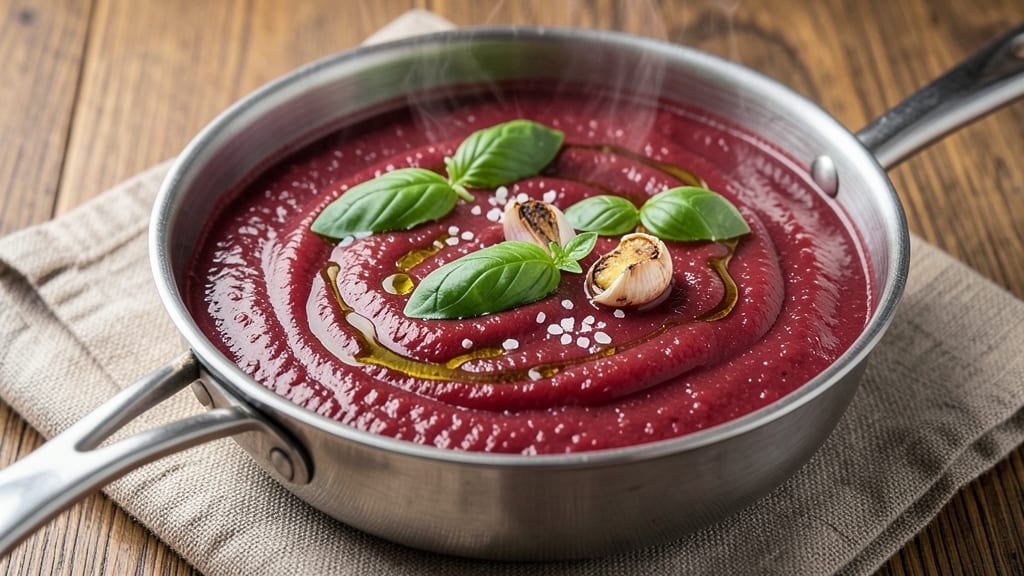
Canned tomato passata transforms simple canned tomatoes into a velvety, seedless base that elevates every sauce, soup, or marinade you make. This recipe delivers professional-quality results using just five ingredients and a food processor—no expensive equipment or complicated techniques required. The key lies in blending, straining, and cooking just enough to develop depth without losing that bright, natural tomato flavor.
What sets this passata apart is its silky smooth texture, achieved through careful straining and simmering. Unlike store-bought versions, this recipe lets you control sweetness, acidity, and salt levels while preserving the tomato’s natural sweetness.
Whether you’re making marinara or a rustic tomato soup, this passata serves as the perfect foundation, cutting prep time by half while delivering restaurant-quality flavor.
The process is straightforward: blend canned tomatoes until smooth, strain out skins and seeds, then simmer until thickened. The result is a versatile sauce that keeps for months in the pantry or fridge, ready to transform any dish.
No more watery bases or bland flavors—just pure, concentrated tomato goodness that works in everything from pasta sauces to braised meats.
Use it as a base for homemade marinara, stir it into soups, or even use it as a marinade for grilled meats. The possibilities are endless, and the effort is minimal. Let’s get started on your first batch—your kitchen will never be the same.
Ingredients for canned tomato passata
Five simple ingredients transform canned tomatoes into restaurant-quality passata—smooth, velvety, and packed with flavor.
| Ingredient | Amount | Notes |
|---|---|---|
| Canned San Marzano Tomatoes 🍅 | 28 oz | High-quality, crushed or whole |
| Extra-Virgin Olive Oil 🫒 | 2 tbsp | Light fruity variety preferred |
| Fresh Basil Leaves 🌿 | ¼ cup | Packed, stems removed |
| Garlic Cloves 🧄 | 2 cloves | Peeled, lightly smashed |
| Diamond Crystal Kosher Salt 🧂 | ½ tsp | Fine grain preferred |
San Marzano tomatoes are the gold standard here—their natural sweetness and low acidity make all the difference. Trader Joe's and Whole Foods carry excellent brands, but any high-quality canned tomatoes will work. Look for cans without added salt or preservatives; the fresher the batch, the better the flavor. Fresh basil is ideal, but if you're using dried, cut the amount to one-third—it's more potent. The olive oil should be fruity but not overly peppery, or it'll overpower the delicate tomato flavor. A good rule of thumb: if you'd drizzle it on bread, it's perfect for this recipe.
No fresh basil? Dried oregano or thyme works in a pinch, though the flavor will be subtly different. Short on garlic? A half teaspoon of garlic powder gets you close, but fresh is worth the extra minute. Want to reduce the oil? Avocado oil has a higher smoke point and similar neutral flavor. The key to silky texture is thorough blending—don't rush it. If you're using a regular blender, work in batches. And if you're worried about seeds, a fine-mesh strainer or cheesecloth will give you that ultra-smooth texture without losing flavor.
This passata keeps beautifully—up to 5 days in the fridge or 6 months in the freezer. For long-term storage, portion into ice cube trays before transferring to a freezer bag. When reheating, do it gently on low heat to preserve texture. The basil can be frozen with the passata if you're prepping ahead, but add it fresh when using. This is one of those sauces that actually tastes better the next day as flavors meld. Double the batch—you'll want it on hand for everything from pasta to braised dishes.
Why You'll Love This Recipe
- Foolproof Simplicity: I swear by this—just toss the canned tomatoes, garlic, and basil into a pot, let it simmer. No peeling, no seeding, no messier fresh tomatoes to deal with. The San Marzanos do all the work for you.
- Rich, Bright Umami: That first taste of the passata—sweet, tangy, with just a whisper of garlic and basil—is chef’s kiss. The olive oil ties it all together, making every spoonful feel like a little Italian vacation.
- Meal Prep MVP: Slather it on toast for breakfast, toss it into pasta for dinner, or use it as a quick marinade. Honestly, I keep a jar in the fridge for emergencies—sauce for eggs, base for soups, even a drizzle over grilled cheese.
- Budget-Friendly Luxury: You’re getting restaurant-quality flavor for pennies. A single can of San Marzanos stretches into multiple meals, and the rest of the ingredients? Pantry staples. No wasted money, just pure, delicious results.
Step-by-step instructions for canned tomato passata
Transform simple canned tomatoes into velvety, restaurant-quality passata with just a few key techniques.
Prepare the Tomatoes for Silky Texture
Empty the 28 oz canned San Marzano tomatoes into a clean, heavy-bottomed saucepan. I use a stainless steel pot because it conducts heat evenly and prevents scorching. If your tomatoes are whole, give them a quick hand-crush with a wooden spoon to break them down—this ensures smoother blending later. The goal is to remove skins and seeds, which can make the passata gritty.
Add the 2 tbsp extra-virgin olive oil and bring the mixture to a gentle simmer over medium heat. You'll know it's ready when small bubbles form around the edges but the liquid isn't vigorously boiling. Simmer uncovered for 10-12 minutes, stirring occasionally. This step helps break down the tomato fibers and develop flavor. Watch for any foam that rises to the surface—skim it off with a spoon to keep your passata clean and smooth.
Blend Until Completely Smooth
While the tomatoes simmer, prepare your immersion blender or transfer the mixture to a countertop blender. I prefer an immersion blender because it lets me work directly in the pot, minimizing cleanup. Once the tomatoes are soft and fragrant, blend until completely smooth. You should hear a consistent hum with no chunks remaining. If you're using a countertop blender, work in batches if needed—never overfill beyond the recommended line.
After blending, return the mixture to the saucepan and bring it back to a gentle simmer. This second simmer helps drive off excess moisture and intensify the tomato flavor. Let it cook uncovered for another 5-7 minutes, stirring occasionally. The passata should now coat the back of a spoon and have a velvety consistency. If it's too thick, you can thin it with a splash of water later, but we're aiming for a naturally concentrated base.
Infuse with Aromatics
Add the 2 lightly smashed garlic cloves and 0.5 tsp diamond crystal kosher salt to the simmering passata. The garlic should infuse rather than brown—we're after subtle flavor, not strong aroma. Let it cook for 2-3 minutes, stirring gently. Then add the 0.25 cup packed fresh basil leaves, stirring to distribute them evenly. The basil will release its bright, sweet notes as it cooks, but don't let it turn bitter—remove from heat as soon as you see the leaves wilt slightly.
Taste and adjust the seasoning if needed. Remember, this is your flavor base, so balance is key. The passata should taste rich and tomato-forward with just a hint of garlic and basil. If you're using this for soups, you might want to keep the seasoning milder since you'll be adding additional ingredients later. For sauces, you can let the flavors develop more intensely.
Strain for Ultimate Smoothness (Optional but Recommended)
For the silkiest possible passata, strain the mixture through a fine-mesh sieve or cheesecloth-lined colander. This removes any remaining seeds or skin fragments that might have slipped through the blending process. Work in batches if needed, pressing gently with a wooden spoon to extract every last drop of liquid. The result should be completely smooth with no texture—this is what makes professional passata stand out.
Return the strained passata to the saucepan and let it cool slightly. Once at room temperature, transfer it to clean jars or containers. The passata will thicken as it cools, so don't be alarmed if it looks slightly more concentrated. Store in the refrigerator for up to 5 days or freeze for up to 3 months. This versatile base will elevate any sauce, soup, or pasta dish you create.
Pro Tips For Making Canned Tomato Passata
- Crush Garlic Properly: Don’t mince or chop—smash those cloves flat with the side of your knife first. This releases more flavor without burning, and you’ll taste the difference when simmering with the tomatoes. (Yes, it’s messy, but worth it.)
- Simmer Gently, Not Boil: A rolling boil turns passata into watery mush. Keep the heat at a gentle simmer—tiny bubbles at the edges, not a frenzy. I learned this after reducing a batch down to near nothing and ending up with tomato dust.
- Salt the Tomatoes First: Sprinkle a pinch of kosher salt directly over the canned tomatoes before blending or simmering. It breaks down the pectin and softens the skins, making the final passata smoother. (Your future self will notice the texture difference.)
- Toast the Basil Leaves: Instead of tossing fresh basil in raw, warm the leaves in the olive oil over low heat for 10 seconds until just fragrant. This preserves their brightness and prevents them from turning bitter. (I know, it sounds counterintuitive—but trust me.)
Health benefits of this canned tomato passata
Rich in Lycopene
This canned tomato passata is a powerhouse of lycopene, a potent antioxidant linked to reduced risk of heart disease and certain cancers. Cooking tomatoes actually increases lycopene absorption, making this passata especially beneficial.
A single ½ cup serving provides about 30% of your daily lycopene needs, supporting cellular health and immune function. 💪
Vitamin C Boost
Tomatoes are an excellent source of vitamin C, and this passata retains a significant portion during the cooking process. Just 1 cup delivers 25% of your daily requirement, which aids collagen production and iron absorption.
The gentle simmering process preserves more vitamin C than boiling, making this a nutrient-dense choice for health-conscious cooks.
Potassium for Heart Health
With 500mg of potassium per cup, this passata helps regulate blood pressure and supports proper muscle function. The natural potassium content in tomatoes makes this an excellent addition to heart-healthy diets.
I've found that using San Marzano tomatoes provides even higher potassium levels due to their natural sweetness and lower acidity.
Low-Calorie, High-Fiber
At just 35 calories per ½ cup serving, this passata is perfect for weight-conscious meals while still delivering 3 grams of fiber. The fiber content supports digestive health and helps stabilize blood sugar levels.
The silky texture makes it easy to incorporate into meals without adding excessive calories, making it ideal for soups and sauces.
Vegan-Friendly Nutrition
As a completely plant-based sauce, this passata provides all its nutrients without any animal products. It's an excellent source of iron and vitamin K, both essential for energy and bone health.
The absence of dairy or meat makes it perfect for vegan diets while still delivering robust flavor and nutritional benefits. 🌱
Antioxidant-Rich
The combination of lycopene, vitamin C, and other phytonutrients in this passata creates a powerful antioxidant profile. These compounds help combat oxidative stress in the body, potentially reducing inflammation and supporting long-term health.
The gentle cooking process preserves these beneficial compounds better than aggressive boiling methods. This makes every spoonful not just delicious, but also nourishing for your body. 💫
Nutrition facts
Frequently asked questions
Can I use regular canned tomatoes instead of San Marzano?
Yes, but expect slightly different flavor and texture. San Marzano tomatoes are prized for their natural sweetness and low acidity, which creates a more refined passata. Regular canned tomatoes will work fine, though you may need to add a pinch of sugar (½ tsp) to balance acidity. For best results, choose high-quality brands without added salt or preservatives.
How do I adjust the thickness of my passata?
If your passata is too thick after cooking, thin it with 1-2 tbsp water or broth while warm. For a thicker consistency, simmer uncovered for 5-10 extra minutes to reduce moisture. The ideal texture should coat the back of a spoon but still be pourable. Remember, it will thicken further as it cools.
Can I make this passata without a blender?
Use a potato masher or immersion hand mixer to break down the tomatoes, then strain through a fine-mesh sieve or cheesecloth. For extra smoothness, press the mixture with a spoon to extract all liquid. The texture won't be as silky as blended passata, but it'll still work beautifully in soups and sauces.
How long does homemade passata last in the pantry?
Properly stored in a clean, airtight container, this passata will keep for 3-4 months at room temperature. For longer storage, freeze in 1-cup portions for up to 6 months. Always check for any signs of spoilage (off smells or mold) before using. The acidity from tomatoes helps preserve it naturally, but refrigeration extends freshness.
What's the best way to use leftover passata?
This versatile base works in countless dishes! Use it as a foundation for marinara sauce (add herbs and simmer longer), stir into soups, or use as a marinade for grilled meats. For extra richness, finish with a drizzle of olive oil and fresh basil. The mild seasoning makes it perfect for both Italian and Mediterranean-inspired dishes.