Side Dishes
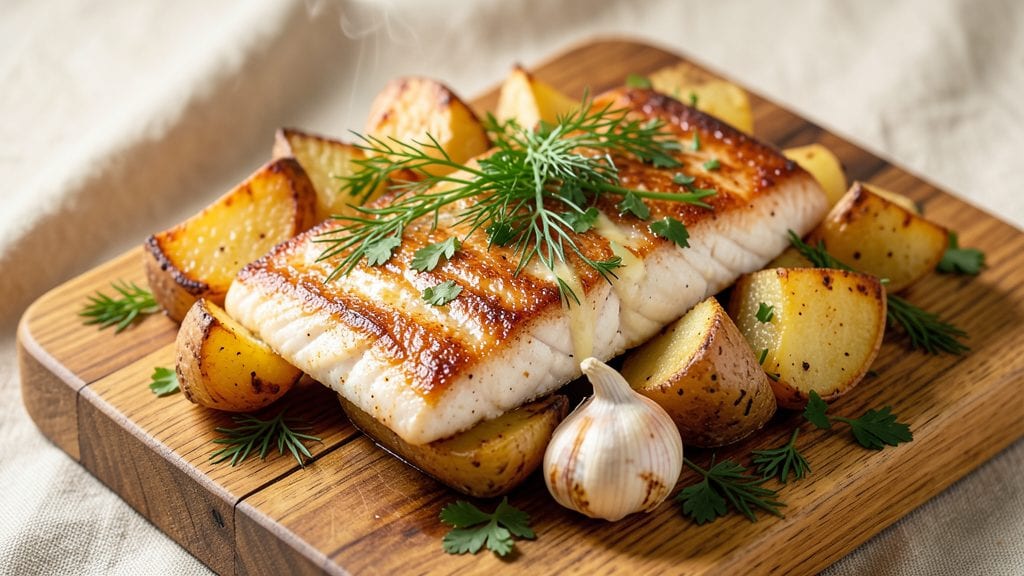
This cod potatoes recipe transforms simple ingredients into a restaurant-quality dish with crispy skin on the cod and flaky, buttery layers of potatoes. The secret lies in a high-heat pan-sear for the fish and a precise roasting technique for the potatoes, ensuring every bite delivers both texture and flavor.
I developed this after years of perfecting seafood sides that actually impress guests—not just fill a plate.
The potatoes roast until their edges turn golden and crisp, while their centers stay tender and rich, absorbing the garlic-herb butter that ties everything together. Meanwhile, the cod develops a crispy crust that shatters when cut, revealing moist, delicate flesh underneath.
This dish balances simplicity with professional results, making it ideal for pescatarians or anyone craving a complete meal in one pan.
What you’ll end up with is a plate that looks and tastes like it belongs in a coastal bistro—crispy, flaky, and bursting with buttery richness. The potatoes and cod cook simultaneously, so you’re not stuck waiting for one component while the other burns.
It’s the kind of dish that feels special without requiring hours in the kitchen.
Serve this as a standalone meal or pair it with a bright lemon-dill sauce for extra brightness. The recipe scales easily, so whether you’re cooking for two or feeding a crowd, the technique remains the same. Let’s get started on creating this perfect harmony of textures and flavors.
Ingredients for cod potato
Twelve simple ingredients create a restaurant-quality seafood masterpiece with crispy cod and flaky, buttery potatoes.
| Ingredient | Amount | Notes |
|---|---|---|
| Cod Fillets 🐟 | 2 whole | Skin-on, 6-8 oz each |
| Russet Potatoes 🥔 | 2 lbs | Cut into 1-inch thick slices |
| Unsalted Butter 🧈 | ½ cup | Cold, cubed for roasting |
| Garlic Cloves 🧄 | 6 cloves | Minced for butter |
| Fresh Dill 🌿 | ¼ cup | Chopped, stems removed |
| Fresh Parsley 🌿 | 0.15 cup | Chopped, for garnish |
| Lemon Zest 🍋 | 1 tbsp | From 1 large lemon |
| Extra-Virgin Olive Oil 🫒 | ¼ cup | For searing cod |
| Salt 🧂 | 1 ½ tsp | Kosher or sea salt |
| Black Pepper 🌶️ | ½ tsp | Freshly ground |
| All-Purpose Flour 🌾 | ¼ cup | For dredging cod |
| Lemon Juice 🍋 | 2 tbsp | Freshly squeezed |
The cod fillets are the star, so opt for fresh, skin-on portions from a trusted seafood counter—Whole Foods or Trader Joe's carry high-quality frozen options if fresh isn't available. Look for fillets with a vibrant, pearly sheen and firm texture; avoid any with a fishy odor or dull color. The potatoes should be firm and free of sprouts—Idaho or Yukon Golds work well too. For the butter, Plugrá or Land O’Lakes unsalted are reliable choices, but any high-fat butter will work. The fresh herbs are crucial for brightness, so grab them from the grocery store’s refrigerated section and use within a week for peak flavor.
No fresh dill? Substitute 1 tablespoon dried dill, but reduce the amount by one-third—it’s more concentrated. Short on parsley? Fresh cilantro or basil work in a pinch, though the flavor will differ slightly. Running low on lemon? Lemon extract or lime juice can mimic the acidity, but fresh zest is ideal for that bright, citrusy punch. For the flour, King Arthur or Bob’s Red Mill all-purpose are excellent choices, but any standard flour will suffice. If you’re avoiding gluten, almond flour or cornstarch can replace the all-purpose, though the texture will be slightly different.
Prep the potatoes ahead by tossing them with olive oil, salt, and pepper, then store in a sealed container in the fridge for up to 24 hours. The cod should be patted dry and seasoned just before cooking to maintain its crispiness. Leftovers keep for 2 days in the fridge, but the cod reheats best gently in a warm oven to preserve its texture. For a make-ahead option, roast the potatoes separately and store them at room temperature, then sear the cod fresh when ready to serve.
Why You'll Love This Recipe
- One-Pan Magic: I swear by this trick—just toss everything on a sheet pan, bake, and walk away. No chopping boards to clean, no pots to scrub. The potatoes roast while the cod steams in its own juices, and that butter-garlic dill pool at the bottom? Pure lazy-day genius.
- Crispy-Creamy Balance: That first bite—flaky cod with a golden crust, melting butter, and the sharp punch of fresh dill—is why I keep making this. The Russets stay pillowy inside while the edges get that addictive crunch, and the garlic? It’s like someone seasoned this just for you.
- Leftovers for Days: Between us, this dish begs for seconds. The cod stays tender when reheated, and those potatoes? Even better the next day, especially with a sprinkle of extra dill. I’ve packed it for lunches, served it at dinner parties, and yes, even eaten it straight from the fridge at 2 a.m. (No judgment.)
- Budget-Friendly Luxury: Cod’s affordable when you buy it fresh, and potatoes? The ultimate pantry MVP. A single fillet and a few spuds stretch to feed four, and the butter and garlic cost pennies. It’s the kind of meal that feels fancy without breaking the bank—or your willpower.
Step-by-step instructions for cod potatoes recipe
Here's how to achieve that perfect balance of crispy crust and flaky, buttery layers in every bite.
Roast the Potatoes Until Golden and Tender
Preheat your oven to 425°F. Toss the 2 lbs russet potatoes (cut into 1-inch thick slices) with 0.25 cup extra-virgin olive oil, 1.5 tsp salt, and 0.5 tsp black pepper until evenly coated. Spread them out in a single layer on two rimmed baking sheets, leaving space between each slice for even browning.
Roast for 40-45 minutes, flipping halfway through, until the edges are deep golden brown and a knife slides in easily. The potatoes should be tender but still hold their shape. Real talk: don't skip the flipping—this ensures crispy edges all around. Remove from the oven and keep warm while you prepare the cod.
Create the Garlic Herb Butter for the Cod
In a small bowl, combine the 0.5 cup unsalted butter (cold and cubed), 6 cloves minced garlic, 0.25 cup chopped fresh dill, 1 tbsp lemon zest, 0.5 tsp black pepper, and 0.5 tsp salt. Mix gently with a fork until just combined—you want the butter to stay in large chunks for maximum flavor impact.
Spread this mixture evenly over the roasted potatoes, pressing down lightly so it adheres. Return the potatoes to the oven for 5-7 minutes to melt the butter slightly and infuse the flavors. This step is the moment that matters: the butter will create that luscious, flaky texture we're after.
Prepare the Cod for Crispy Perfection
Pat the 2 whole cod fillets (skin-on) completely dry with paper towels—moisture is the enemy of crispy skin. Season both sides generously with 0.5 tsp salt and 0.25 tsp black pepper. Place the fillets skin-side down on a wire rack set over a baking sheet.
Dredge the cod lightly in 0.25 cup all-purpose flour, shaking off any excess. This creates a delicate crust that will give way to flaky flesh. Heat 0.1 cup extra-virgin olive oil in a large skillet over medium-high heat until shimmering. Cook the cod for 3-4 minutes per side until the skin is golden brown and crispy, and the flesh flakes easily with a fork.
Assemble and Finish with Fresh Herbs
Remove the potatoes from the oven and arrange them on a serving platter. Place the cooked cod fillets on top of the potatoes, skin-side up. Spoon any remaining garlic herb butter from the baking sheet over the cod. Drizzle with 2 tbsp lemon juice and sprinkle with 0.15 cup chopped fresh parsley for a bright, fresh finish.
Serve immediately while the cod is still warm and the potatoes are crispy. The contrast of the flaky, buttery cod with the golden, crispy potatoes creates a restaurant-quality dish. Don't wait too long—this combination is best enjoyed right away when everything is at its peak.
Pro Tips For Making Cod Potato
- PARBOIL POTATOES FIRST: Toss whole Russets in boiling water for 5 minutes before roasting—this guarantees even cooking and fluffy centers. I learned this the hard way when my potatoes came out hollow inside after an hour in the oven.
- DRY THE COD WELL: Pat fillets thoroughly with paper towels before searing—wet skin means steam instead of crispy skin. Sounds basic, but I’ve ruined batches by skipping this step; the butter won’t stick right.
- SAUTÉ GARLIC LOW: Cook minced garlic in butter over medium-low heat until just golden—no color means no bitterness. After burning two batches, I finally realized high heat = instant flavor loss.
- REST THE COD: Let seared fillets sit 3–5 minutes under foil before serving—this keeps them from falling apart when you plate. I know, I know, but trust the process: it’s the difference between elegant and sloppy.
Common mistakes when making this recipe
Overcooking the Cod
Cod has a delicate texture, and once it reaches 145°F internal temperature, it starts to dry out quickly. I’ve ruined more cod than I’d admit by keeping it on the heat too long—just 3-4 minutes per side is all it needs.
Use a meat thermometer to check the thickest part; if it flakes easily with a fork, it’s done. Overcooking turns flaky flesh into rubbery disappointment. 🐟
Skipping the Skin
That crispy skin is what makes this dish special, so never remove it! The secret is to pat the fillets completely dry with paper towels before seasoning—any moisture will prevent crispiness.
Cook skin-side down first, and resist the urge to press on it while cooking. A wire rack over a baking sheet helps maximize airflow for even crisping.
Uneven Potato Cooking
Stacking potato slices too high on the baking sheet traps steam, leading to soggy centers. Spread them in a single layer with space between each slice for proper browning. Also, don’t skip flipping halfway through—this ensures crispy edges all around.
I’ve seen potatoes turn mushy when left unattended, so set a timer for 40-45 minutes and check frequently. 🥔
Using Too Much Flour
A light dredge of ¼ cup flour creates a delicate crust, but going heavy will make the cod taste like fried chicken. Shake off any excess flour after dredging—just enough to coat lightly.
For extra crispiness, chill the cod for 15 minutes before cooking to help the crust set properly. Trust me, this small step makes a huge difference.
Underseasoning the Potatoes
The potatoes carry half the flavor in this dish, so don’t skimp on seasoning. Toss them with 1.5 tsp salt and 0.5 tsp pepper before roasting—this ensures they’re well-seasoned even after absorbing the garlic herb butter.
I’ve learned the hard way that bland potatoes make the whole dish taste flat. For extra depth, add 1 tsp smoked paprika to the initial seasoning.
Not Resting the Cod
Cod finishes cooking slightly as it rests, so never cut into it immediately after removing from the pan. Let it sit for 2-3 minutes on a warm plate before serving.
This allows juices to redistribute, keeping the flesh moist. Skipping this step leads to dry, stringy cod—something no one wants. 💡
Nutrition facts
Frequently asked questions
Can I substitute another type of fish for cod?
Halibut, haddock, or even flounder work beautifully in this recipe. Stick to white fish with similar mild flavor and delicate texture. Avoid firm white fish like mahi-mahi or snapper—they won't achieve the same flaky texture. For best results, choose fillets of similar thickness (6-8 oz) to ensure even cooking.
How do I make this dish ahead of time?
Roast the potatoes up to 24 hours ahead and store them at room temperature in an airtight container. Reheat in a 350°F oven for 10-15 minutes before adding the garlic herb butter. For the cod, cook it fresh—it reheats poorly and loses its crispy texture. Assemble everything just before serving for the best results.
What's the best way to store leftovers?
Keep leftovers in an airtight container in the fridge for up to 2 days. Reheat only the cod portion (never the potatoes) in a 300°F oven for 8-10 minutes to maintain its texture. Store components separately—the cod reheats best alone, while potatoes can be warmed gently. For longer storage, freeze the cod (up to 1 month) but eat potatoes fresh.
Can I use baby potatoes instead of russets?
Baby potatoes will work, but they'll take 15-20 minutes longer to cook through. Halve them first for even cooking, and reduce the oven temperature to 400°F to prevent burning. The smaller size means less surface area for browning, so keep an eye on them. For best texture, stick with russets—their waxy interior stays fluffy while the skin crisps perfectly.
What if I don't have fresh dill?
Use 1 tbsp dried dill instead, but reduce the amount by one-third since it's more concentrated. For a different flavor profile, try 1 tbsp fresh thyme or 1 tsp dried oregano. If you're avoiding herbs entirely, add 1 extra clove of garlic and ½ tsp lemon pepper to compensate. The dish will still taste delicious—just with a slightly different herbal note.