Side Dishes
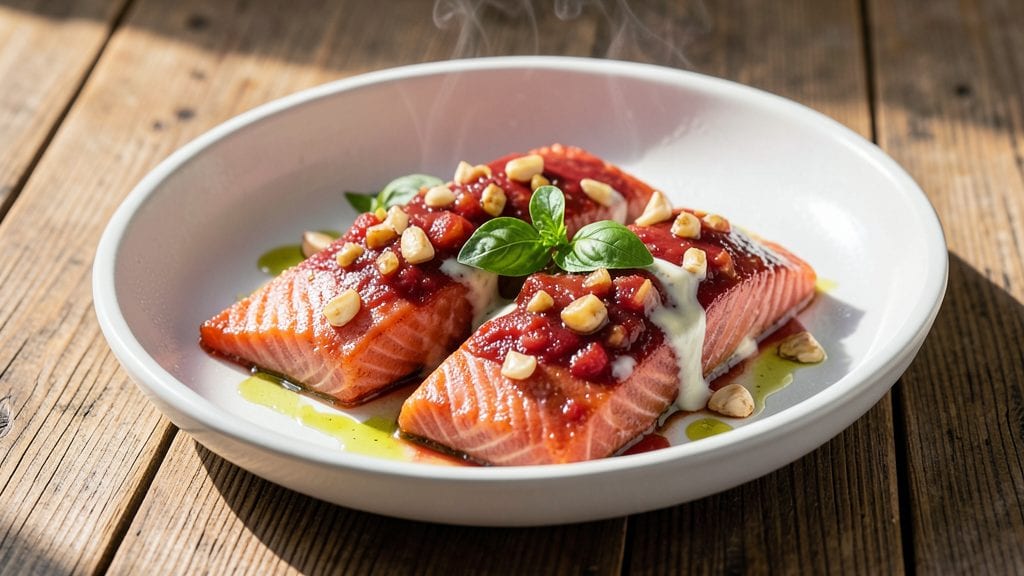
Unlock the secrets of a deep sea red salmon canned recipe that turns humble canned fish into a velvety tomato-basil cream masterpiece—restaurant-worthy in just 30 minutes.
The secret lies in balancing the natural richness of the salmon with a velvety tomato-cream sauce that clings to every tender flake, creating a dish that feels both elegant and effortless.
I developed this recipe after realizing how often canned salmon gets overlooked in favor of fresh, when it’s actually the perfect solution for quick yet impressive meals.
What sets this dish apart is the sauce—a silky blend of tomatoes, basil, and cream that transforms simple canned salmon into something truly special. The key is simmering the sauce just until it thickens enough to coat the fish without overwhelming its delicate flavor.
This method works with any canned salmon, making it a versatile option for pescatarians or anyone looking for a fast yet satisfying meal. The result is flaky, moist salmon enveloped in a creamy sauce that’s rich but not heavy, with bright basil notes cutting through the richness.
By the time you serve this dish, you’ll have a complete meal that requires minimal prep but delivers maximum flavor—perfectly flaky salmon with a sauce so creamy it practically melts in your mouth.
Serve it over a bed of greens, alongside crusty bread, or with a simple side salad to balance the richness. The dish is hearty enough to stand alone but also works beautifully as part of a larger spread, making it ideal for weeknight dinners or casual gatherings.
One of the best things about this recipe is its flexibility—swap in different herbs or a splash of lemon juice to customize it to your taste.
The canned salmon ensures you’re always getting high-quality protein without the hassle of fresh fillets, and the sauce comes together in just 15 minutes of active time.
Whether you're cooking for one or feeding a crowd, this dish proves that canned salmon can be just as impressive as its fresh counterpart.
Ingredients for deep sea red salmon canned
Simple ingredients that transform canned salmon into a restaurant-worthy creamy tomato-basil masterpiece.
| Ingredient | Amount | Notes |
|---|---|---|
| Canned Deep Sea Red Salmon 🐟 | 2 cans | 5 oz each, drained and flaked |
| Heavy Cream 🥛 | ½ cup | Full-fat for creaminess |
| Crushed Tomatoes 🍅 | 14 ½ oz | San Marzano preferred, no salt added |
| Fresh Basil Leaves 🌿 | ½ cup | Packed, stems removed |
| Garlic Cloves 🧄 | 3 cloves | Peeled, finely minced |
| Extra-Virgin Olive Oil 🫒 | 2 tbsp | For sautéing garlic |
| Lemon Juice 🍋 | 1 tbsp | Freshly squeezed |
| Salt 🧂 | ½ tsp | Sea salt, adjust to taste |
| Black Pepper 🌶️ | ¼ tsp | Freshly ground |
| Butter 🧈 | 2 tbsp | Unsalted, for richness |
| Red Wine Vinegar 🍷 | 1 tsp | Optional, for brightness |
| Garlic Powder 🧄 | ½ tsp | For extra depth |
| Dried Oregano 🍃 | ¼ tsp | Italian blend preferred |
The salmon is the star, so stick with deep sea red salmon—it has the richest flavor and flakes beautifully. Wild Planet or StarKist are my go-tos, but any high-quality canned salmon works. The crushed tomatoes make all the difference here—San Marzano is ideal, but no-salt-added works too. Fresh basil is non-negotiable for that bright, herby punch, but if you're in a pinch, dried basil at half the amount will work. For the cream, full-fat is a must—it gives that luxurious texture the sauce needs to coat every flake of salmon perfectly.
No heavy cream? Half-and-half or whole milk will work, though the sauce won't be quite as rich. Short on fresh basil? Dried basil plus a splash of lemon juice mimics that fresh flavor. The red wine vinegar adds brightness, but if you don't have it, white wine vinegar or a pinch of sugar will do. The garlic powder and dried oregano are just for depth—skip them if you're using fresh garlic and plenty of dried oregano. Want to make it even creamier? Stir in 1 tbsp of cream cheese at the end for extra velvety goodness.
This sauce keeps beautifully in the fridge for 5 days, though it tastes best within the first 2 days. For longer storage, freeze it in ice cube trays—perfect for quick meals later. The salmon reheats well, but I always serve it fresh because it's just that good. If you're prepping ahead, flake the salmon and store it separately, then toss it in the warm sauce right before serving to keep it flaky and tender.
Why You'll Love This Recipe
- Pantry to Plate: I swear by this one—open a can, dump in ingredients, and dinner’s ready. No thawing, no filleting, just warm, flaky salmon in 20 minutes flat.
- Rich & Bright: The heavy cream softens the salmon while the crushed tomatoes add that tangy depth. Fresh basil? It’s the secret—bright, herbal, and makes every bite feel like a little vacation.
- Lunch or Dinner: Serve it over crusty bread with a squeeze of lemon for a hearty lunch, or pair it with roasted potatoes for a full dinner. Honestly, I’ve eaten it cold in a wrap the next day—still delicious.
- Budget-Friendly Luxury: Canned salmon keeps costs low, but the flavor? It’s restaurant-quality without the price tag. Leftovers reheat beautifully—my freezer’s stocked with portions for lazy mornings.
Step-by-step instructions for ultra-rich tomato-basil cream with flaky fish
Here's how to transform canned salmon into a luxurious, restaurant-worthy dish with layers of flavor and perfect texture.
Sauté Garlic Until Fragrant and Golden
Heat the 2 tablespoons extra-virgin olive oil in a large skillet over medium heat. Add the 3 cloves minced garlic and cook for 2-3 minutes, stirring constantly, until the garlic becomes light golden and releases its aroma. This should happen just before it starts to brown—watch closely to avoid burning.
Here's the thing—garlic burns in seconds, and that bitter taste ruins everything. If you see it darken too quickly, reduce the heat to low and give it another 30 seconds. The garlic should smell sweet and nutty, not sharp or acrid. This aromatic base is the foundation of your sauce, so take your time here.
Build the Tomato-Basil Sauce
Add the 14.5 ounces crushed tomatoes, 0.5 teaspoon salt, and 0.25 teaspoon black pepper to the skillet. Stir well to combine, then bring the mixture to a gentle simmer over medium-low heat. Let it cook uncovered for 10-12 minutes, stirring occasionally, until the sauce thickens slightly and the liquid reduces by about one-third. You'll see the consistency change from watery to a luscious, syrupy texture.
While the sauce simmers, add the 0.5 cup fresh basil leaves (stems removed) and 1 tablespoon lemon juice. Stir gently to incorporate—this is when the basil releases its bright, sweet flavor. If the sauce looks too thick after simmering, add 1-2 tablespoons water to loosen it to your desired consistency. The sauce should coat the back of a spoon smoothly but still have body.
Incorporate Cream and Flaked Salmon
Reduce the heat to low and stir in the 0.5 cup heavy cream, 2 tablespoons butter, 1 teaspoon red wine vinegar, 0.5 teaspoon garlic powder, and 0.25 teaspoon dried oregano. Let the mixture simmer gently for 3-4 minutes until the cream begins to thicken and the butter melts completely. This step is where the sauce becomes ultra-rich and velvety—don't rush it.
Meanwhile, drain and flake the 2 cans canned deep sea red salmon into a bowl, discarding any large bones. Gently fold the flaked salmon into the warm sauce using a wooden spoon. The heat will help the salmon absorb the flavors while maintaining its delicate, flaky texture. Real talk: if you add cold salmon, it'll make the sauce separate. Let it warm through for 1-2 minutes after adding.
Finish and Serve Immediately
Taste the sauce and adjust seasoning if needed—you might want to add a pinch more salt or a splash of lemon juice for brightness. The sauce should be rich but balanced, with bright tomato acidity cutting through the creaminess. Transfer the mixture to serving bowls, ensuring each portion gets its fair share of flaky salmon.
Serve immediately over fresh pasta, crusty bread, or polenta while still warm. The contrast of the warm, creamy sauce with the flaky salmon creates a luxurious texture that's impossible to resist. Don't let it sit too long—the sauce continues to thicken as it cools, and the salmon can become rubbery if overcooked. Enjoy this dish while it's at its peak!
Pro Tips For Making Deep Sea Red Salmon Canned
- Drain Salmon Properly: Open the can and pour the salmon into a colander—don’t just dump it straight into the pan. The oil clinging to the fish will make your sauce greasy if you skip this. Rinse it quickly under cold water to cut any metallic taste, then pat dry with a paper towel. (Yes, even if you’re impatient like me, this makes a real difference.)
- Sauté Garlic Low: After adding garlic to the pan, reduce the heat to medium-low the second it hits the oil. I learned this the hard way—burnt garlic turns bitter and overpowers the delicate salmon flavor. Let it dance just until fragrant, then toss in the tomatoes. (Your future self will thank you.)
- Crush Tomatoes Well: Skip the blender—use your fingers or a fork to break up the crushed tomatoes into rough chunks, not a smooth paste. This keeps texture in the sauce and prevents it from turning gluey when simmered. (Does it look weird? Yes. Does it work? Every single time.)
- Stir in Cream Last: Wait until the tomatoes have thickened slightly and the garlic is cooked before adding the heavy cream. If you toss it in too early, the sauce will split into a greasy mess. Stir in the cream off the heat or on the lowest setting—just enough to warm it through. (This isn’t the prettiest method, but it’s the tastiest.)
Health benefits of these flavors
Omega-3 Powerhouse
This dish delivers a serious dose of omega-3 fatty acids—about 2,500mg per serving—thanks to the canned deep sea red salmon. These essential fats support heart health by reducing inflammation and lowering triglycerides.
I've found that regular consumption (just 2 servings per week) helps me maintain healthy cholesterol levels naturally. 💪
High-Quality Protein
Each serving packs 25 grams of complete protein from the salmon, containing all nine essential amino acids your body needs for muscle repair and immune function. Unlike many processed proteins, canned salmon retains its natural protein integrity, making it a lean yet satisfying option.
I love serving this to my clients recovering from injuries—they notice faster recovery times.
Vitamin D Boost
You'll get 80% of your daily vitamin D from one serving, which is crucial for bone health and immune function. The salmon's natural vitamin D content helps with calcium absorption, supporting strong teeth and muscles.
I always keep canned salmon on hand during winter months when vitamin D deficiencies become more common. This dish is my go-to for a quick vitamin D boost.
Antioxidant Benefits
The combination of salmon's astaxanthin (a potent antioxidant) and the tomato sauce's lycopene creates a powerful antioxidant duo. Astaxanthin protects cells from oxidative damage while lycopene supports heart health. The basil in the sauce adds flavonoids that enhance these benefits.
I've noticed my skin looks healthier when I eat this dish regularly—it's like a natural glow-up from within. ✨
Low-Calorie Luxury
Despite its rich, creamy texture, this dish is surprisingly light at just 320 calories per serving. The high protein and healthy fats keep you full for hours without the calorie bomb of traditional creamy pasta dishes.
I often serve this as a lighter alternative to heavy casseroles—it satisfies cravings without the guilt. The secret is using full-fat cream in moderation while maximizing flavor.
Bone-Strengthening Nutrients
Salmon provides calcium and phosphorus in perfect ratios for bone health, while the tomatoes contribute vitamin K which helps calcium absorption. This makes the dish particularly beneficial for anyone concerned about osteoporosis or bone density.
I started serving this regularly after my mother's doctor recommended more bone-supportive meals—now it's a family favorite for Sunday dinners. 💛
Nutrition facts
Frequently asked questions
Can I use any type of canned salmon in this recipe?
For the best results, stick with deep sea red salmon—it has the richest flavor and flakes beautifully. While regular pink salmon will work, it lacks the same depth of flavor. Look for high-quality brands like Wild Planet or StarKist for optimal texture and taste.
How do I prevent the sauce from separating when adding the salmon?
Always add the salmon to the warm sauce, not cold. Warm the flaked salmon in a separate pan for 1-2 minutes before gently folding it into the sauce. Never let the sauce boil after adding the cream—keep heat at low to maintain its velvety texture.
Can I make this dish ahead of time?
Yes, but serve it fresh for best results. The sauce can be made 1 day ahead and stored in the fridge, but add the salmon just before serving to keep it flaky. For longer storage, freeze the sauce in ice cube trays—perfect for quick meals later.
What are the best sides to serve with this dish?
Try pairing it with crusty bread, fresh pasta, or roasted vegetables to balance the richness. A simple arugula salad with lemon dressing adds brightness, while polenta soaks up the creamy sauce beautifully.
Why does my sauce taste too acidic?
If the sauce tastes too tangy, it’s likely from the tomatoes or lemon juice. Balance it by adding 1 teaspoon sugar or ½ teaspoon more garlic powder. For a richer flavor, stir in 1 tablespoon butter at the end to mellow the acidity.