Breakfast & Brunch
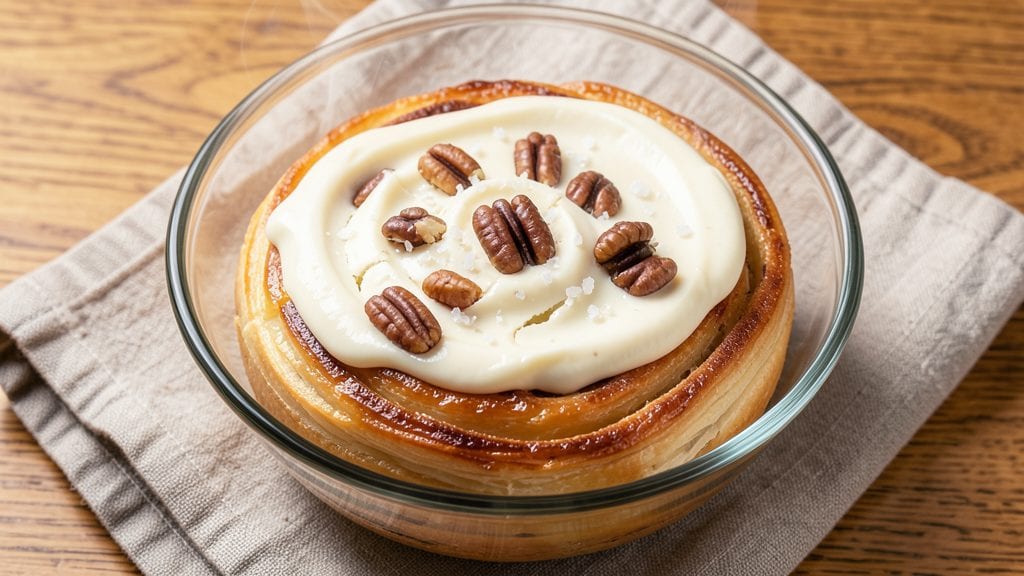
Grandma’s cinnamon rolls recipe is the kind that turns Sunday mornings into a family tradition, with layers of buttery dough, spiced filling, and velvety frosting that taste like childhood memories.
The secret lies in a slow-fermented dough that develops depth while you sleep, ensuring those signature tender swirls with a crackly top. I’ve refined this recipe over years to balance tradition with modern convenience—whether you choose the classic overnight proof or a quicker yeast method.
What makes these cinnamon rolls truly special is the cinnamon-sugar filling, which needs to be spread evenly for perfect swirls, and the vanilla buttercream that ties everything together with its smooth, slightly sweet finish.
The dough’s pillowy texture comes from precise mixing and a steam bath during baking, while the filling caramelizes just enough to create that irresistible aroma. This recipe delivers restaurant-quality results without the fuss of professional equipment.
By the time you pull these golden-brown rolls from the oven, your kitchen will smell like a bakery, and every bite will reveal tender layers of dough, warm cinnamon, and creamy frosting. The spiral cuts make plating effortless, and dusting with powdered sugar adds that final touch of elegance.
Whether you’re baking for a weekend brunch or a holiday gathering, these cinnamon rolls will be the star of the show.
For those short on time, I’ve included a quick bread version that skips the yeast but still delivers impressive results. The key is in the technique—don’t rush the proofing, and always bake until the edges are set but the centers remain soft.
Let’s get started on creating your own piece of nostalgia.
Ingredients for grandma's cinnamon roll
Buttery dough, cinnamon-sugar swirls, and velvety frosting—these are the ingredients that bring grandma’s nostalgia to life.
| Ingredient | Amount | Notes |
|---|---|---|
| All-Purpose Flour 🌾 | 5 cups | Spooned and leveled for accuracy |
| Granulated Sugar 🍚 | ¼ cup | For dough sweetness |
| Instant Yeast 🍞 | 2 ¼ tsp | Single-use packet preferred |
| Salt 🧂 | ½ tsp | Fine sea salt preferred |
| Unsalted Butter 🧈 | 1 cup | Cold, cubed for dough |
| Whole Milk 🥛 | 1 cup | Warm to touch for yeast |
| Large Eggs 🥚 | 1 whole | Room temperature |
| Brown Sugar 🍚 | ½ cup | Packed for filling |
| Ground Cinnamon 🌿 | 2 tbsp | Freshly ground preferred |
| Unsalted Butter 🧈 | ½ cup | Melted for filling |
| Vanilla Extract 🍯 | 1 tsp | Pure vanilla preferred |
| Powdered Sugar 🍚 | 2 cups | For buttercream |
| Unsalted Butter 🧈 | 1 cup | Softened for buttercream |
| Heavy Whipping Cream 🥛 | ½ cup | Chilled for buttercream |
| Vanilla Extract 🍯 | 1 tsp | For buttercream |
The flour is your foundation—King Arthur or Gold Medal work best for that tender crumb. I always grab a 5-pound bag from Costco to have on hand for baking. The yeast? Fresh is better if you can find it, but single-use packets are fine. For the butter, Plugrá or Land O’Lakes unsalted melt beautifully. If you’re using salted butter, reduce the added salt to 0.25 tsp. The milk should be warm—just enough to touch your wrist like bathwater. Eggs at room temperature mix in smoothly, so take them out 30 minutes before you start.
No brown sugar? Substitute white sugar plus 1 tsp molasses for the filling. Running low on cinnamon? Cassia works too, but it’s stronger—use 1.5 tbsp instead. For the buttercream, European-style butter whips up lighter, but regular butter works fine. Short on heavy cream? Whipped topping or chilled coconut cream can stand in. The vanilla extract matters—pure vanilla from Madagascar gives the best flavor, but imitation works in a pinch. If you’re making the quick bread version, skip the yeast and add 1 tsp baking powder to the dough.
Store the dough in the fridge for up to 24 hours before baking—this actually improves the flavor. The filling and buttercream keep 3 days in the fridge, but the rolls themselves? Freeze the unbaked rolls for up to 3 months—just thaw overnight before baking. I like to portion the buttercream into small jars so it’s ready to go. For the best results, bake the rolls fresh, but if you’ve got leftovers, reheat them in a 200°F oven for 10 minutes to restore that bakery-fresh warmth.
Why You'll Love This Recipe
- No-Fuss Dough: I swear by the yeast-and-flour combo here—it rises while I sip coffee. No kneading, no stress, just a soft, pillowy base that’s ready in 30 minutes. That butter? It’s the secret—melting into the dough for a tender bite every time.
- Warm Spice Magic: The moment those rolls hit the oven, your kitchen smells like Sunday mornings. Cinnamon and sugar swirl into a caramelized crust, while the inside stays gooey. Honestly, I’ve never met a cinnamon roll that hits this spot-on balance.
- Breakfast or Snack: These aren’t just for brunch. Toss them in lunchboxes, reheat for a 3 PM pick-me-up, or serve with ice cream for dessert. The dough’s forgiving—even my kids’ messy hands can roll it out (mostly).
- Budget-Friendly Batch: Five ingredients, endless servings. A stick of butter and a bag of flour stretch across multiple batches, and leftovers? They freeze like a dream. I’ve pulled them straight from the freezer into the oven for lazy mornings.
Step-by-step instructions for grandma's cinnamon rolls
Here's how to make these soft, gooey cinnamon rolls with perfect swirls and rich vanilla buttercream.
Mix the Dough and Let It Rise
In a large mixing bowl, combine the 5 cups all-purpose flour, 0.25 cup granulated sugar, 2.25 teaspoons instant yeast, and 0.5 teaspoon salt. Whisk everything together until evenly distributed. Create a well in the center and add the 1 cup cold, cubed unsalted butter. Using your fingers or a pastry cutter, work the butter into the flour until the mixture resembles coarse crumbs with pea-sized butter pieces remaining.
In a separate small bowl, warm the 1 cup whole milk until it's about 110°F (you should be able to touch it comfortably). Add the 1 whole large egg and 1 teaspoon vanilla extract, then whisk until smooth. Pour this mixture into the flour-butter combination and gently stir with a wooden spoon until a shaggy dough forms. Turn the dough out onto a lightly floured surface and knead for about 5 minutes until smooth and elastic. The dough should be slightly tacky but not sticky.
Place the dough in a lightly greased bowl, cover it with a clean kitchen towel, and let it rise in a warm place for 1 to 1.5 hours, or until it has doubled in size. I like to place the bowl near a slightly turned-on oven with the light on to create a warm environment. Patience here is key—this long rise develops the best flavor and texture.
Prepare the Filling and Roll the Dough
While the dough is rising, prepare the filling by combining the 0.5 cup packed brown sugar, 2 tablespoons ground cinnamon, and 0.5 cup melted unsalted butter in a small bowl. Mix until the sugar is fully dissolved and the mixture is smooth. This fragrant filling is what makes these cinnamon rolls so irresistible.
Once the dough has risen, punch it down gently to release the air. Roll it out on a lightly floured surface into a 16x12-inch rectangle, about 1/8-inch thick. Spread the cinnamon butter mixture evenly over the entire surface, leaving a 1/2-inch border around the edges. This is where precision matters—you want an even coating for consistent flavor in every bite.
Starting from the long side, tightly roll the dough into a log. Use a sharp knife to cut the log into 12 equal pieces, about 1.5 inches thick each. I like to gently press each cut to ensure clean separation. Arrange the rolls in a greased 9x13-inch baking dish, curving them slightly so they fit snugly together. Cover the dish with a clean kitchen towel and let the rolls rise for another 30 to 45 minutes until they've puffed up noticeably.
Bake Until Golden and Fragrant
Preheat your oven to 350°F. Bake the cinnamon rolls for 25 to 30 minutes, until they're golden brown on top and the edges are set. The rolls should smell heavenly—this is your cue that they're ready. I usually check at the 25-minute mark because ovens vary. If the tops brown too quickly, tent with foil to prevent over-browning while they finish cooking.
While the rolls are baking, make the vanilla buttercream by beating the 1 cup softened unsalted butter until smooth. Gradually add the 2 cups powdered sugar and the 0.5 cup chilled heavy whipping cream, beating on medium speed until light and fluffy. Add the 1 teaspoon vanilla extract and beat for another 30 seconds. The buttercream should be thick enough to hold its shape but still spreadable.
Frost and Serve Warm
As soon as the cinnamon rolls come out of the oven, spread the vanilla buttercream evenly over the top and sides of the warm rolls. The heat from the rolls will help the buttercream soften and blend beautifully. For an extra touch, sprinkle with a little extra cinnamon or a dusting of powdered sugar if you like.
Let the rolls cool for about 10 minutes before serving—they'll be warm and gooey inside with a perfectly crisp exterior. These cinnamon rolls are best enjoyed fresh from the oven, when the dough is still soft and the filling is melty. Serve with a cup of coffee or tea for the ultimate comforting treat. The combination of warm, spiced cinnamon rolls with cool, creamy buttercream is simply irresistible.
Pro Tips For Making Grandma'S Cinnamon Roll
- Chill the Dough: After the first rise, pop that dough in the fridge for at least 2 hours—yes, even if you’re eager to roll. I learned this the hard way when my rolls spread like pancakes and lost all their structure. Cold dough handles better, rolls cleaner, and gives you that perfect flaky texture.
- Soften Butter Properly: For the filling, take your butter out of the fridge just before mixing—it should be soft enough to press with a finger but not greasy. I used to melt it, and the rolls turned soggy. Room-temp butter spreads evenly and keeps the cinnamon-sugar clinging where it belongs.
- Don’t Overwork the Dough: Once you start rolling it out, stop when it’s just ½-inch thick—no thinner, or you’ll tear it. I’ve wrestled with stubborn dough that split like a bad joke, and it’s always because I pushed too hard. A little patience here means no patchwork later.
- Brush with Egg Wash: Skip the water glaze—whisk 1 egg with 1 tablespoon milk, brush it on the rolls before baking, and watch the color deepen to golden perfection. I was skeptical until I tried it; now it’s non-negotiable for that bakery-style shine.
Troubleshooting great grandma's cinnamon roll
Dough Too Sticky
If your dough feels too sticky after kneading, you’ve likely added too much milk or the flour wasn’t properly incorporated. I’ve found that using King Arthur flour (which absorbs moisture better) helps.
Add 1-2 tablespoons extra flour at a time while kneading until the dough is smooth but slightly tacky—not wet. If it’s still too sticky, let it rest in the fridge for 10 minutes before shaping. Overworking the dough can also make it gummy, so knead just until elastic. 💡
Rolls Not Rising
If your rolls fail to rise properly, the yeast may be dead or the environment wasn’t warm enough. Always check the yeast’s freshness—it should foam within 5-10 minutes when mixed with warm milk.
For a warm rise, place the dough bowl near the oven light or use a proofing box set to 80°F. If your kitchen is cold, try a 5-minute microwave warm-up (low power) to activate the yeast before mixing. Patience is key—don’t rush the 1-1.5 hour rise time. ❄️
Filling Too Runny
A runny filling usually means the butter melted too much or the sugar wasn’t fully dissolved. For the perfect consistency, melt the 0.5 cup butter over low heat until just liquid, then whisk in the brown sugar until fully combined.
Let it cool slightly before spreading—it should be thick enough to coat the back of a spoon but still spreadable. If it’s too thin, add 1-2 tablespoons extra cinnamon to absorb moisture. 🌶️
Dry or Tough Rolls
Overbaking or using too much flour while rolling can result in dry, tough rolls. Bake them just until the edges are set (25-30 minutes at 350°F)—they’ll continue cooking slightly after removal. For extra tenderness, brush the tops with 1 tablespoon melted butter before baking.
If the dough feels tough while rolling, let it rest 10 minutes uncovered to relax the gluten. A steam bath (place a tray of boiling water in the oven) also keeps them moist. 💧
Burnt Tops
If the tops brown too quickly, your oven runs hot or the rolls are too close to the heat source. Rotate the pan halfway through baking and tent with foil if needed. For even browning, place a baking sheet on the lower rack to reflect heat upward.
I’ve also had success reducing the oven temp to 325°F for the last 5 minutes of baking. Avoid overfilling the pan—leave ½-inch gaps between rolls for airflow. 🔥
Buttercream Too Thin
If your buttercream spreads like soup, the butter may not be softened enough or the powdered sugar wasn’t incorporated properly. Beat the 1 cup butter until completely smooth before adding sugar, and use a stand mixer for 2-3 minutes to fully aerate.
Chill the bowl for 10 minutes if the mixture feels too warm. For extra stability, add 1 teaspoon cornstarch to the sugar before mixing. If it’s still too runny, refrigerate for 15 minutes to thicken. 🥛
Nutrition facts
Frequently asked questions
Can I make these cinnamon rolls without yeast?
The classic recipe relies on yeast for that tender, pillowy texture, but I’ve included a quick bread version in the notes that uses 1 tsp baking powder instead. The result won’t be as fluffy, but it’s still delicious and ready in under 1 hour! For best results, use the yeast method for that signature rise.
How do I store leftover cinnamon rolls?
Store baked rolls in an airtight container at room temperature for up to 2 days, or refrigerate for 4 days. For longer storage, freeze unbaked rolls for 3 months—thaw overnight before baking. Reheat leftovers in a 200°F oven for 10 minutes to restore that bakery-fresh warmth. The buttercream keeps separately for 3 days in the fridge.
Why does my dough stick to my hands?
This usually happens when the dough is too wet or the flour wasn’t fully incorporated. If your dough feels too sticky, add 1-2 tablespoons extra flour while kneading until it’s smooth but slightly tacky. Let it rest 10 minutes in the fridge before rolling—this helps the gluten relax. Overworking the dough can also make it gummy, so knead just until elastic.
Can I use a stand mixer for the dough?
Use the dough hook attachment on low speed until the ingredients combine, then increase to medium speed for 3-4 minutes until the dough pulls away from the bowl. The dough should be slightly tacky but not sticky. Let it rest 10 minutes before shaping—this makes rolling much easier. A stand mixer saves time and ensures even kneading.
What’s the best way to make them extra gooey?
For melt-in-your-mouth rolls, brush the tops with 1 tablespoon melted butter before baking, and use a steam bath (place a tray of boiling water in the oven). Bake just until the edges are set (25-30 minutes at 350°F)—they’ll finish cooking slightly after removal. Serve warm with extra buttercream for that classic bakery-style gooeyness!