Breakfast & Brunch
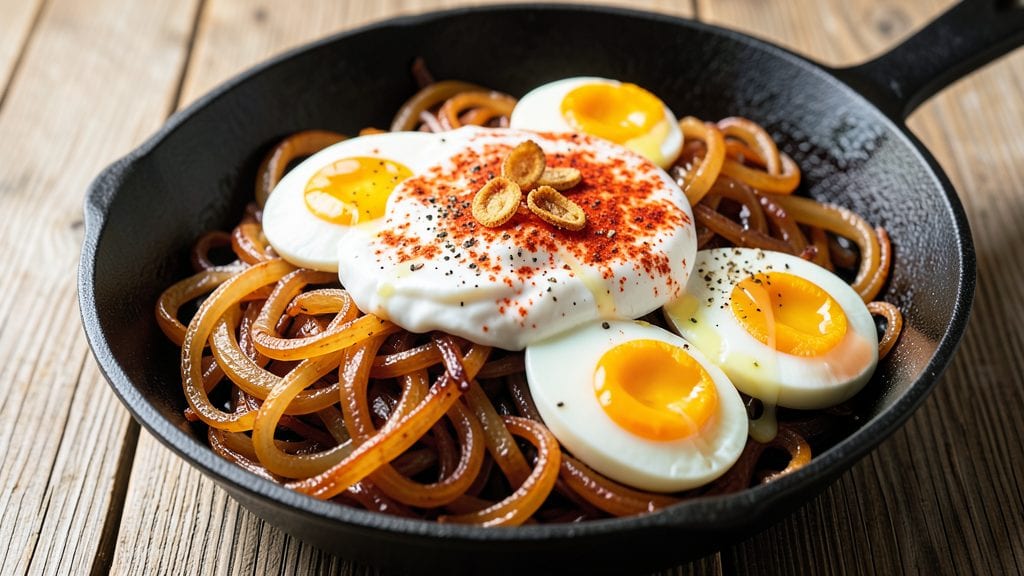
This Hungarian eggs recipe transforms simple ingredients into a rich, smoky dish that tastes like a home-cooked meal from Budapest. The secret lies in layers of flavor—sautéed onions caramelize into sweetness, paprika adds warmth, and a swirl of sour cream creates that signature creamy texture.
I first discovered this recipe during a trip to Hungary, where it was served in rustic taverns as both breakfast and dinner.
The beauty of this dish is its simplicity combined with depth. You'll start with onions and butter, then add eggs and paprika for that unmistakable Hungarian flavor. The sour cream swirl isn't just decorative—it cuts through the richness while adding a cooling contrast.
What makes this recipe stand out is how the eggs cook gently in the oven, creating tender, custardy centers with slightly crispy edges, all while absorbing the smoky paprika aroma.
What you'll end up with is a dish that's hearty enough for brunch but elegant enough for dinner—golden eggs nestled in a creamy, paprika-infused sauce with a hint of sour cream swirled on top.
The aroma alone will fill your kitchen with warmth, while the first bite delivers layers of savory, smoky, and tangy flavors that define Hungarian comfort food. This is the kind of recipe that becomes a staple in your rotation once you try it.
Perfect for weekend breakfasts, family dinners, or even a special brunch with friends, this dish requires just a few ingredients but delivers restaurant-quality results. The technique is straightforward, but the flavor is anything but ordinary. Let's get cooking!
Ingredients for hungarian eggs
Simple ingredients create a dish that feels like a Budapest tavern breakfast.
| Ingredient | Amount | Notes |
|---|---|---|
| Unsalted Butter 🧈 | ½ cup | Cold, cubed for even cooking |
| Sweet Onions 🧅 | 2 whole | Thinly sliced for caramelization |
| Large Eggs 🥚 | 8 whole | Room temperature preferred |
| Sweet Paprika 🌶️ | 2 tbsp | Hungarian variety for authentic flavor |
| Sour Cream 🥛 | ½ cup | Full-fat for best texture |
| Salt 🧂 | 1 tsp | Kosher or sea salt preferred |
| Ground Black Pepper 🌶️ | ½ tsp | Freshly ground for best flavor |
| Fresh Dill 🌿 | ¼ cup | Chopped, for garnish |
| Garlic Cloves 🧄 | 2 cloves | Minced for aroma |
| Heavy Cream 🥛 | ¼ cup | For extra richness |
| All-Purpose Flour 🌾 | 1 tbsp | For thickening sauce |
| Fresh Parsley 🌿 | ⅛ cup | Chopped, for garnish |
The onions are the foundation—sweet onions caramelize beautifully, adding natural sweetness that balances the paprika's smokiness. Look for sweet onions like Vidalia or Maui at your local grocery store, or use regular yellow onions if that's what's available. The butter should be unsalted to control the seasoning perfectly. For the paprika, Hungarian sweet paprika is ideal, but any good quality sweet paprika will work. I always grab mine from the bulk section at Whole Foods—it's more flavorful than the pre-packaged stuff.
No sweet onions? Yellow or red onions work fine—just be prepared for a slightly sharper flavor. Short on sour cream? Greek yogurt at half the amount gives a similar tang. The eggs should be large and room temperature for even cooking. Fresh dill and parsley are ideal, but dried dill at one-third the amount will do in a pinch. For extra richness, the heavy cream is optional but recommended—it adds a luxurious finish that makes this dish feel special. If you're short on time, skip it and just use extra sour cream.
This dish reheats beautifully—just pop it in the oven at 350°F for 10 minutes to warm through. The caramelized onions keep well in the fridge for 5 days if you make them ahead, and the eggs can be baked separately and reheated. For a make-ahead option, prepare everything up to baking, then refrigerate the unbaked dish for up to 24 hours. The flavors actually develop better overnight, so it's worth the wait. Garnish with fresh herbs right before serving to keep them vibrant.
Why You'll Love This Recipe
- One-Pot Magic: I swear by this—just butter, onions, and eggs in one skillet. No extra bowls, no mess, and honestly? That caramelized onion base makes cleanup feel like a win.
- Paprika Pop: The sweet paprika isn’t just flavor—it’s the secret weapon. It gives these eggs this warm, slightly smoky depth that pairs perfectly with the creamy sour cream swirl. (Yes, even my picky husband asks for seconds.)
- Weeknight Workhorse: Make a big batch on Sunday and reheat for breakfast, lunch, or a quick dinner. The eggs stay tender, and the sour cream keeps everything luscious—no sad, rubbery leftovers here.
- Budget Breakfast: Eggs, onions, and butter? That’s it. No fancy ingredients, no markup. I feed my whole family for under $5, and they’ll swear it’s restaurant-quality. (Between us, it’s better.)
Step-by-step instructions for Hungarian eggs recipe
Here's how to create this rich, smoky dish with perfectly caramelized onions and creamy egg swirls.
Caramelize the Sweet Onions
Melt the 0.5 cup unsalted butter in a large oven-safe skillet over medium-low heat. Add the 2 whole sweet onions, sliced thinly, and cook them slowly for 25-30 minutes. Stir occasionally, ensuring they brown evenly without burning.
You'll know they're ready when they're deep golden brown and sweet-smelling—almost like candy. The onions should release their moisture and reduce down significantly. If they stick, add a splash of water and stir until they release again. This caramelization forms the flavor base of your dish.
Build the Sauce Base
Once the onions are caramelized, sprinkle in the 2 tbsp sweet paprika and stir for 1 minute until fragrant. Add the 2 minced garlic cloves and cook for 30 seconds until they become aromatic. This step infuses the onions with smoky depth and sets up the sauce.
Reduce the heat to low and stir in the 1 tbsp all-purpose flour, mixing well for 2 minutes to cook off the raw flour taste. Gradually whisk in the 0.25 cup heavy cream and 0.5 cup sour cream, letting the mixture thicken into a smooth, velvety sauce. This creates the rich, tangy foundation that binds the dish together.
Prepare the Egg Mixture
In a separate bowl, whisk together the 8 large eggs, 1 tsp salt, and 0.5 tsp ground black pepper until just combined. The eggs should be fully incorporated but still slightly lumpy—over-whisking can make the eggs tough. This mixture will create the signature swirl when baked.
Pour the egg mixture evenly over the onions in the skillet, tilting the pan to spread it thinly. The eggs should cover the onions completely but remain runny—this ensures the signature swirl effect when baked. Here's the thing: don't stir the eggs once they're in the pan, or you'll break up the swirl.
Bake to Perfect Texture
Transfer the skillet to a preheated 350°F oven and bake for 18-22 minutes. You're looking for the edges to set while the center remains slightly runny—this creates the creamy, custardy texture that makes Hungarian eggs special. The top should be golden brown, but the center should still jiggle slightly when you shake the pan.
If the top browns too quickly, tent loosely with aluminum foil to prevent over-browning. The eggs will continue to set slightly as they cool, so remove them from the oven when they're just about done. Let them rest for 5 minutes before serving—this allows the eggs to fully set while keeping them creamy.
Garnish and Serve
Remove the skillet from the oven and let it cool for 5 minutes. Sprinkle the 0.25 cup chopped fresh dill and 0.125 cup chopped fresh parsley evenly over the top. The herbs add a bright contrast to the rich, smoky flavors and enhance the visual appeal.
Slice into wedges and serve immediately. Each bite should deliver a perfect balance of creamy eggs, caramelized onions, and tangy sour cream. The dish is best enjoyed fresh, while the eggs are still warm and the flavors are at their peak.
Pro Tips For Making Hungarian Eggs
- SWEAT THE ONIONS FIRST: I learned this the hard way—if you rush the onions, they’ll turn bitter and muddy the whole dish. Cook them on medium-low heat for 15-20 minutes until they’re deep golden, almost jammy, with just a little butter. That slow caramelization is what makes Hungarian eggs sing.
- USE COLD EGGS FOR EVEN COOKING: Pull your eggs straight from the fridge and crack them into the skillet. Cold eggs slide in cleaner and cook more evenly, so you won’t end up with runny yolks or overcooked whites. (Yes, even if you’re impatient like me.)
- STIR THE PAPRIKA IN FAST: Once the eggs are in, dump the sweet paprika all at once and stir like you’re trying to win a race. The first 10 seconds of stirring are the only time it’ll dissolve properly—after that, you’re just chasing clumps. (Your future self will thank you.)
- DON’T SKIP THE SOUR CREAM REST: After mixing the sour cream into the eggs, let the whole thing sit for 5 minutes off the heat. It thickens up just enough to coat the eggs properly, so they don’t turn into a watery mess when they hit the pan. I know, I know—it’s a weird pause, but it works.
Regional styles of this dish
Budapest Tavern Style
This is the classic version you'll find in Budapest's historic ruin bars and family-run csárda restaurants. The key difference is the addition of 1 tbsp tomato paste to the caramelized onions before adding paprika, which gives it a deeper, slightly tangy base.
I like to serve it with crusty freshly baked bread and a side of Hungarian sausage for a full breakfast experience. 🥖
For authenticity, use Hungarian sweet paprika from Paprika Plus or Rosenbaum—these brands capture the true smoky-sweet flavor. The dish is traditionally served in a cast iron skillet, which retains heat beautifully and adds to the rustic charm.
In Budapest, it's often called rántott tojás, and it's a staple on weekend menus.
Transylvanian Twist
In Transylvania, this dish gets a heartier makeover with the addition of crumbled feta cheese (about ¼ cup) mixed into the egg batter. The feta adds a briny contrast to the sweetness of the caramelized onions.
I also recommend adding 1 tsp caraway seeds to the onions while caramelizing—they add an earthy depth that pairs perfectly with the paprika. 🌿
Transylvanian cooks often serve this with a side of sour cherry compote, which cuts through the richness. If you want to try this, simmer 1 cup pitted sour cherries with 1 tbsp sugar and 1 tsp lemon juice for 10 minutes until thickened.
The tartness balances the creamy eggs beautifully.
Modern Fusion Approach
For a contemporary twist, I love adding crispy prosciutto (about 4 oz) to the top of the baked eggs. The prosciutto adds a salty crunch that contrasts with the creamy eggs.
Another modern touch is drizzling balsamic glaze over the top before serving—just 2 tbsp adds a sweet-tangy note that elevates the dish. 🍷
You can also experiment with goat cheese crumbles (about ¼ cup) mixed into the sour cream before swirling. The tangy goat cheese adds complexity to the traditional recipe.
For a vegetarian version, swap the prosciutto for crispy chickpeas—toss ½ cup cooked chickpeas with 1 tsp olive oil and ½ tsp smoked paprika, then bake at 400°F for 15 minutes until crispy.
Winter Comfort Version
During Hungary's cold winters, this dish is often served with a side of creamy mushroom sauce. Sauté 8 oz mushrooms in 1 tbsp butter with 1 tsp thyme until golden, then deglaze with ¼ cup white wine and reduce by half.
Stir in 2 tbsp sour cream to finish. The earthy mushrooms pair perfectly with the sweet onions and paprika. ❄️
For extra warmth, serve with a side of roasted root vegetables like carrots, parsnips, and beets. Toss them in 2 tbsp olive oil, 1 tsp smoked paprika, and roast at 400°F for 30 minutes.
The sweetness of the roasted veggies complements the smoky eggs beautifully, making this a cozy winter meal.
Nutrition facts
Frequently asked questions
What makes this Hungarian egg dish different from regular scrambled eggs?
The key difference is the layered flavors and technique. This dish features caramelized sweet onions as the base, infused with smoky paprika and tangy sour cream. The eggs are baked in a skillet for a creamy, custardy texture with a golden crust, rather than scrambled. The combination of sweet, smoky, and creamy elements creates a restaurant-quality dish that's far more complex than basic scrambled eggs.
Can I use yellow onions instead of sweet onions?
Yes, but expect a slightly sharper flavor. Yellow onions will caramelize faster and have a stronger taste. For best results, use 1 extra yellow onion (3 total) to compensate for the milder sweetness. The dish will still turn out delicious—just with a more pronounced onion flavor.
Why does the recipe call for room temperature eggs?
Room temperature eggs cook more evenly, preventing the centers from staying too runny while the edges overcook. Cold eggs can create uneven heat distribution, leading to rubbery textures. Simply take the eggs out of the fridge 30 minutes before using them for perfect results.
What if my eggs overcook in the oven?
Remove them immediately when the edges are set but the center still jiggles slightly. The eggs will continue cooking as they cool. For next time, reduce oven temperature to 325°F and bake for 15 minutes, then finish under the broiler for 2-3 minutes to crisp the top. Always let them rest 5 minutes before serving.
Can I make this dish ahead of time?
Prepare everything up to baking, then refrigerate the unbaked dish for up to 24 hours. The flavors actually improve overnight. When ready to serve, bake at 350°F for 20-25 minutes (covered with foil for the first 15 minutes to prevent over-browning). Reheat leftovers gently in the oven to maintain texture.