Main Courses
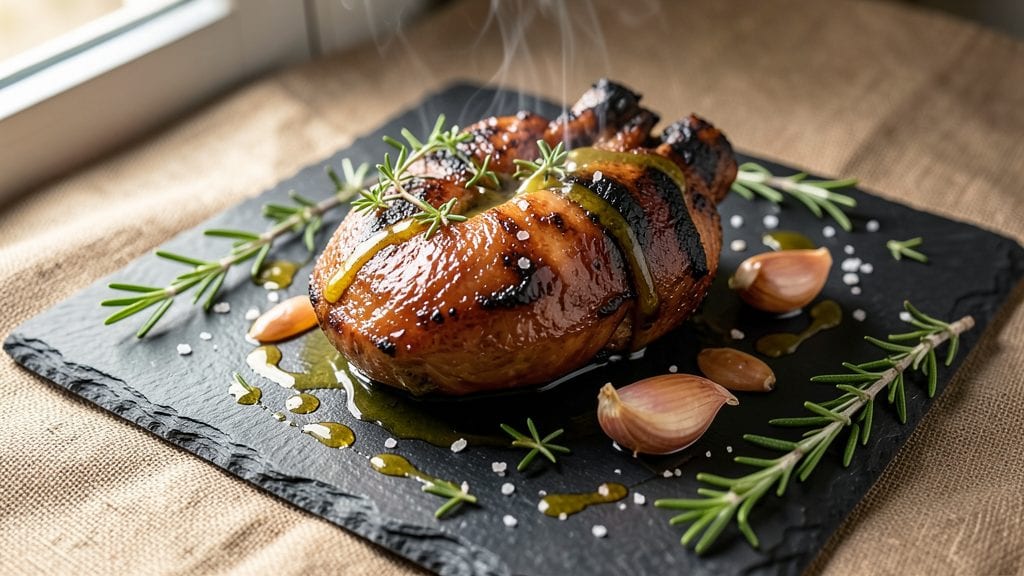
Transforming pig heart into a restaurant-worthy main course requires precision and respect for its rich, meaty texture—this recipe delivers a pan-seared masterpiece with a golden herbal butter crust. The key lies in proper preparation: cleaning, scoring, and searing to unlock deep umami flavors while maintaining a tender interior.
I’ve perfected this method after years of testing, balancing tradition with modern techniques to create a dish that’s both bold and approachable.
The process begins with thorough cleaning and trimming, ensuring safety and texture. Once prepped, the heart develops a crispy, caramelized crust from high-heat searing, while the interior remains juicy and tender.
A homemade herbal butter—packed with garlic, rosemary, and thyme—adds layers of aromatic depth, elevating the dish from simple offal to a standout centerpiece. This method works equally well for braising or grilling, offering versatility for different occasions.
What you’ll achieve is a deeply flavorful, visually striking dish that pairs beautifully with roasted vegetables, crusty bread, or a bold red wine. The crust crackles with every bite, revealing succulent, savory meat beneath—a testament to the heart’s natural richness when handled with care.
Whether you’re exploring offal cuisine or seeking a unique protein, this recipe transforms an often overlooked cut into something extraordinary.
Safety is paramount when working with offal, so I’ll walk you through every step—from sourcing to serving—with clear guidance on handling and cooking times. This isn’t just a recipe; it’s a gateway to understanding how offal can shine in modern cooking.
Let’s get started on creating a dish that’s equal parts traditional and innovative.
Ingredients for pig heart
Precision-cleaned pig heart meets aromatic herbal butter for a restaurant-worthy umami experience.
| Ingredient | Amount | Notes |
|---|---|---|
| Whole Pig Heart 🦔 | 1 ½ lb | Fresh, cleaned, scored deeply |
| Unsalted Butter 🧈 | ½ cup | Cold, cubed for crust |
| Garlic Cloves 🧄 | 8 cloves | Fresh, minced for butter |
| Fresh Rosemary 🌿 | ¼ cup | Finely chopped, stems removed |
| Fresh Thyme Leaves 🌿 | ⅛ cup | Packed, finely chopped |
| Extra-Virgin Olive Oil 🫒 | ¼ cup | High smoke point for searing |
| Diamond Crystal Kosher Salt 🧂 | 1 ½ tbsp | For seasoning crust |
| Fresh Lemon Juice 🍋 | 2 tbsp | Brightens flavors |
| Black Peppercorns 🌶️ | 1 tsp | Freshly cracked |
| Yellow Onion 🧅 | 1 whole | Thinly sliced for garnish |
| Red Wine Vinegar 🍷 | 1 tbsp | For cleaning preparation |
| All-Purpose Flour 🌾 | ¼ cup | For dredging if needed |
Sourcing fresh pig heart requires careful selection—look for bright red, firm texture from trusted butchers or specialty meat counters. Whole Foods Market or local farms often carry it, though you may need to request it in advance. The heart should weigh about 1.5 pounds per serving for four people, ensuring generous portions. Freshness is critical; if the surface appears dull or has an off odor, discard it immediately. For optimal texture, score the surface deeply in a diamond pattern before cleaning—this ensures even cooking and better crust formation. The scoring also allows excess blood and connective tissue to escape during the cleaning process, which we'll address next.
Substitutions are limited due to the heart's unique texture, but a few adjustments can accommodate dietary needs. For those avoiding butter, duck fat or ghee works equally well for the crust, though the flavor profile will shift slightly. If fresh herbs aren't available, dried rosemary and thyme at one-third the amount can be used, though the aroma won't be as vibrant. The lemon juice can be substituted with white wine vinegar if needed, but the brightness will differ. For the cleaning process, lemon juice or apple cider vinegar are both effective alternatives to red wine vinegar. If you're concerned about the heart's strong flavor, marinate it in buttermilk for 2-4 hours before cooking to mellow the taste. The flour is optional but helps create a lighter crust if the heart feels too moist after cleaning.
Proper storage begins immediately after purchase. Keep the heart refrigerated in an airtight container and use within 2-3 days for optimal texture. The cleaned, scored heart can be wrapped in parchment paper and frozen for up to 3 months—thaw overnight in the refrigerator before cooking. The herbal butter mixture should be prepared fresh, but the individual components (butter, garlic, herbs) can be stored separately in the fridge for up to 1 week. Once cooked, leftovers reheat beautifully in a skillet over medium heat for 2-3 minutes per side, adding a splash of water or broth to maintain moisture. This dish pairs exceptionally well with roasted root vegetables or a bold red wine reduction, enhancing its umami depth.
Why You'll Love This Recipe
- One-Pan Magic: I swear by this recipe because it’s literally one pan, one knife, and 20 minutes. The heart slices itself cleanly after a quick soak—no tedious trimming—while the garlic and herbs melt into the butter like a dream.
- Rich, Earthy Depth: That first bite? Buttery, tender, with a meaty richness you’d expect from beef but with a wildcard je ne sais quoi. The rosemary and thyme don’t just season—they transform it into something unforgettable.
- Weeknight Hero: Between us, this is my go-to when I’m tired but still want something special. Double the batch, save half for tomorrow’s sandwiches (yes, it’s that good cold), and still have leftovers for lunch the next day.
- Budget Game-Changer: Honestly, I was skeptical about pig heart until I tried it—now it’s my secret weapon for stretching meals without skimping on flavor. A whole heart feeds four for under $10, and the leftovers reheat like a dream. No guilt, all satisfaction.
Step-by-step instructions for pan-seared pig heart with herbal butter crust
Transform this humble organ meat into a restaurant-worthy centerpiece with crispy crust and tender interior.
Prepare the Pig Heart for Cooking
Begin by cleaning the 1.5 lb whole pig heart thoroughly under cold running water, using the 1 tablespoon red wine vinegar to remove any blood or impurities. Pat it completely dry with paper towels—this is critical for achieving a crisp crust later. Using a sharp boning knife, score the surface deeply in a diamond pattern, cutting about ½ inch apart. This scoring allows the butter to penetrate deeply during cooking.
In a small bowl, combine the 0.25 cup all-purpose flour with the 1.5 tablespoons diamond crystal kosher salt and 1 teaspoon freshly cracked black peppercorns. Lightly dredge the scored heart in this mixture, pressing the seasoning into the cuts. Let it sit at room temperature for 15 minutes while you prepare the herbal butter.
Create the Herbal Butter Compound
In a food processor, combine the 0.5 cup cold cubed unsalted butter with the 8 minced garlic cloves, 0.25 cup finely chopped fresh rosemary, and 0.125 cup packed fresh thyme leaves. Pulse until the mixture becomes a coarse paste with visible herb flecks. Transfer this to a small bowl and refrigerate until ready to use—this should take about 10 minutes.
The cold butter is essential here; if it softens too much, the crust won't develop properly. You'll want this compound to remain firm enough to create a golden crust while still melting into the meat during cooking. The herbs will infuse their aromatic oils into the butter, creating layers of flavor.
Sear the Heart to Develop Crust and Color
Heat a heavy skillet over medium-high heat until it's smoking hot. Add the 0.25 cup extra-virgin olive oil and swirl to coat. Working in batches if needed, carefully place the seasoned heart in the pan. Press down gently with a spatula during the first minute to ensure even contact with the hot surface—this prevents curling and ensures an even crust.
Cook undisturbed for 3-4 minutes per side until the exterior develops a deep golden-brown crust. The heart should release easily from the pan when ready. Remove from the pan and set aside on a wire rack, allowing excess fat to drain away. This initial searing creates the foundational crust that will be enhanced by the herbal butter.
Finish with Herbal Butter and Rest
Return the skillet to medium heat and add the reserved herbal butter compound. Let it melt completely, about 1 minute, then immediately place the seared heart back in the pan, crust-side down. Spoon the melted butter evenly over the top, basting for 2-3 minutes until the butter has fully incorporated and the crust is uniformly golden.
Transfer the heart to a cutting board and let it rest for 10 minutes before slicing. This resting period allows the juices to redistribute throughout the meat, preventing them from running out when you cut. The exterior should be crisp and aromatic, while the interior remains tender with a satisfyingly meaty texture.
Garnish and Serve Immediately
Slice the heart into ½-inch thick medallions against the grain. Arrange on a warm platter and garnish with thinly sliced yellow onion. Drizzle any remaining pan juices over the top and finish with an additional 2 tablespoons fresh lemon juice to brighten the flavors.
Serve immediately with crusty bread or roasted vegetables to catch the flavorful juices. The combination of crispy herbal butter crust, tender meat, and bright acidity creates a dish that's both sophisticated and deeply satisfying. Each bite should deliver layers of umami from the heart, herbal notes from the butter, and a pleasant contrast from the lemon finish.
Pro Tips For Making Pig Heart
- SCORE THE HEART: Use a sharp knife to cut shallow slits (about ¼-inch deep) across the surface of the whole heart before searing. This lets the butter and garlic penetrate deeper—no more dry exterior, moist interior. (Yes, it looks like you’re butchering it, but that’s how you get the texture right.)
- BROWN FIRST, BASTE LATER: Get the heart screaming hot in a dry pan for 3–4 minutes per side before adding butter. The crust locks in flavor, and the butter won’t just melt away uselessly. After browning, lower the heat and pour in the butter—this is when the magic happens.
- SALT THE GARLIC: Crush the garlic cloves with a pinch of salt before mincing. It mellows the sharpness and keeps the butter from turning bitter. (I learned this after one batch tasted like a garlic factory exploded.)
- REST UNDER FOIL: Pull the heart off the heat, tent it loosely with foil, and let it sit for 5 minutes. Skipping this step makes slicing a nightmare—juices pool, and the meat turns gummy. (Your knife will thank you.)
Perfect pairings for these flavors
Herbal Butter Pairings
The herbal butter crust in this recipe is the star, so let’s elevate it further. Pair with roasted garlic mashed potatoes—their creamy texture contrasts perfectly with the crispy exterior. The garlic in both components creates a cohesive flavor bridge.
For extra depth, try truffle-infused butter instead of the rosemary-thyme blend—just swap in 1 tbsp truffle paste with the herbs. 🌿
Vegetable Sides
Bright, acidic vegetables cut through the richness of the heart. Charred Brussels sprouts with a splash of balsamic glaze add a smoky-sweet contrast, while sautéed spinach with garlic and lemon keeps the dish light.
For a heartier option, roasted root vegetables (carrots, parsnips, celeriac) caramelize beautifully alongside the heart, absorbing its juices when served. 🥕
Bread and Dipping Sauces
Crusty sourdough bread is ideal for soaking up the pan juices, but focaccia with rosemary works even better—its olive oil richness mirrors the herbal butter. For dipping, a red wine reduction (simmer 1 cup red wine with 1 tbsp shallots and 1 tsp balsamic vinegar) adds a tangy depth.
A spicy harissa aioli (mix ¼ cup mayo with 1 tbsp harissa paste) offers heat to balance the dish’s richness. 🍞
Wine and Beer Pairings
A bold red wine like Syrah or Cabernet Sauvignon complements the heart’s umami, while its tannins cleanse the palate between bites. For beer lovers, a dark ale (like Guinness) or porter enhances the herbal notes without overpowering.
A lighter option? Dry Riesling—its acidity brightens the dish, especially with the lemon finish. Avoid heavy, oaky whites or sweet wines that clash with the heart’s intensity. 🍷
Global Flavor Twists
Transform this dish into a Moroccan tagine by adding 1 tbsp ras el hanout to the herbal butter and serving with couscous. For a Korean-inspired version, marinate the heart in gochujang and soy sauce before searing, then pair with kimchi and steamed rice.
A Mexican street-food adaptation uses adobo sauce instead of lemon and serves with warm tortillas—sprinkle with cilantro and lime for freshness. 🌍
Dessert Pairings
End the meal with something light yet complementary. Dark chocolate-dipped strawberries (70% cocoa) balance the savory flavors, while honey-glazed figs add a touch of sweetness. For a bold contrast, espresso tiramisu cuts through the richness with its bitterness. Avoid heavy, creamy desserts—they’ll overpower the dish’s clean finish. 🍫
Nutrition facts
Frequently asked questions
How do I properly clean and prepare pig heart before cooking?
Start by rinsing the heart under cold water while gently squeezing out any blood or impurities. Use 1 tablespoon red wine vinegar in the water to help break down residual blood. Pat it completely dry with paper towels—this step is critical for achieving a crisp crust. Score the surface in a diamond pattern with a sharp knife, cutting about ½ inch apart to allow seasonings and butter to penetrate deeply.
Can I substitute butter in the herbal butter crust?
Yes, but the flavor will change. For a richer alternative, use duck fat or ghee, which work well for creating a crispy crust. If you prefer a lighter option, try olive oil-infused butter (mix ¼ cup olive oil with ½ cup softened butter). The herbs will still infuse, but the texture may be slightly softer.
What’s the best way to ensure the heart stays tender?
Never overcook the heart—it should reach an internal temperature of 145°F for medium doneness. Sear it quickly over high heat to develop a crust, then finish with the herbal butter to lock in moisture. Let it rest for 10 minutes before slicing to allow juices to redistribute. Avoid cutting into it too soon, or you’ll lose flavorful juices.
Is pig heart safe to eat raw or undercooked?
No, pig heart must be cooked thoroughly to 145°F to kill parasites and bacteria. Offal carries a higher risk of contamination, so always use a meat thermometer to verify doneness. If you prefer a slightly pink center, aim for 135°F, but this is not recommended for those with weakened immune systems.
How can I make this dish ahead of time?
Prep the heart by cleaning, scoring, and seasoning up to 1 day ahead, then refrigerate in an airtight container. The herbal butter can be made 2 days ahead and stored in the fridge. Cook the heart just before serving—it reheats best in a skillet over medium heat for 2-3 minutes per side, adding a splash of water or broth to maintain moisture.