Sauces & Condiments
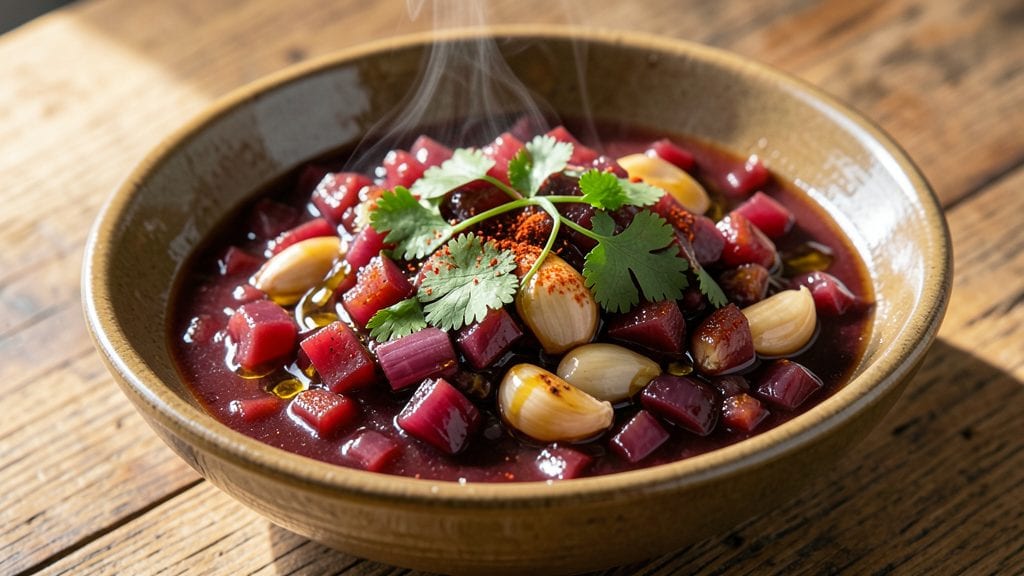
This red onion chutney recipe transforms simple ingredients into a vibrant, tangy-sweet condiment that elevates everything from sandwiches to grilled meats.
The key lies in balancing sharp red onions with just the right amount of vinegar and spices—creating a texture that’s both chunky and smooth, with a heat that lingers just enough to keep you reaching for more.
I developed this version after testing dozens of combinations, and it’s become my go-to for adding depth to meals without overpowering them.
The process is straightforward: finely chop red onions and blend them with fresh herbs, garlic, and a touch of honey to balance the acidity.
A splash of vinegar and a pinch of cayenne bring the signature tang and kick, while a quick simmer reduces the mixture into a concentrated, flavorful paste.
What you’ll end up with is a chutney that’s bright enough to cut through rich dishes yet versatile enough to complement everything from tacos to roasted vegetables.
This chutney stays fresh in the refrigerator for up to two weeks, making it perfect for meal prep. Its bold flavors intensify as it sits, so it’s even better the next day.
Whether you’re spreading it on toast, drizzling it over curries, or using it as a marinade base, this recipe delivers a professional-quality result with minimal effort. Let’s get started on crafting your own batch.
For those who love customization, you can adjust the spice level to taste or swap in additional ingredients like cilantro or lime for extra freshness. The possibilities are endless, but the foundation remains the same: a perfect balance of sharp, sweet, and spicy that makes every bite unforgettable.
Ingredients for red onion chutney
Nine simple ingredients create bold, vibrant red onion chutney perfect for any meal.
| Ingredient | Amount | Notes |
|---|---|---|
| Red Onions 🧅 | 2 cups | Finely chopped, about 1 large |
| White Vinegar 💧 | ½ cup | Distilled preferred for balance |
| Honey 🍯 | ¼ cup | Light or wildflower variety |
| Cayenne Pepper 🔥 | 1 tsp | Adjust for desired heat level |
| Garlic Cloves 🧄 | 4 cloves | Peeled, roughly chopped |
| Fresh Cilantro 🌿 | ¼ cup | Stems removed, loosely packed |
| Fresh Ginger 🌿 | 1 tbsp | Grated, about 1-inch piece |
| Salt 🧂 | 1 tsp | Kosher or sea salt preferred |
| Extra-Virgin Olive Oil 🫒 | 2 tbsp | For blending and finishing |
| Lemon Juice 🍋 | 1 tbsp | Freshly squeezed |
Red onions are the heart of this chutney, so pick ones that are bright and crisp—the sharper the better. Trader Joe's and Whole Foods usually carry the best quality, but any grocery store will do. If you can't find red onions, yellow or white work in a pinch, though they'll be slightly milder. Fresh ginger and garlic are non-negotiable here—they bring the depth that makes this chutney special. I always grab the ginger from the produce section (not the jarred kind) for that fresh, zesty kick.
No cayenne? Red pepper flakes at half the amount will give you similar heat. Short on cilantro? Fresh parsley or mint works too, though the flavor will shift slightly. The honey balances the vinegar's sharpness, so don't skip it—agave or maple syrup can substitute if you're avoiding sugar. For extra tang, add another tablespoon of lemon juice. If you're making a big batch, double-check your measurements—this chutney intensifies as it sits, so start with slightly less vinegar if you're unsure.
This chutney keeps beautifully in the fridge for 2 weeks, and honestly, it tastes even better after a day or two as the flavors meld. Store it in a glass jar with a tight seal—the vinegar helps preserve it naturally. Portion into small containers if you're prepping for lunches or snacks. Freezes well for up to 6 months, though the texture might change slightly after thawing. Always stir before using, as the ingredients settle differently.
Why You'll Love This Recipe
- Five-Ingredient Magic: I swear, this chutney is the kind of recipe that makes you question why you ever complicate things. Just dice onions, mince garlic, toss in vinegar and honey—no peeling, no straining, no fuss. Honestly, I’ve made it while waiting for my coffee to brew.
- Sweet Heat Balance: That cayenne pepper gives it a tingle, but the honey softens it into something addictive. The vinegar cuts through the sweetness while the garlic adds depth—like a bright, zesty hug in every bite. Here’s what sold me: it’s the perfect ratio of sharp, sweet, and just enough kick.
- Party in a Jar: Serve it with chips for game day, drizzle it over grilled chicken, or use it as a sandwich spread. I’ll be real: my husband asked for it at a potluck, and now it’s my go-to for any gathering. It keeps for weeks, so you’re never stuck without a crowd-pleaser.
- Pantry Staple Power: Between us, this is my budget-friendly secret weapon. Red onions and vinegar are cheap, and a little honey stretches far. I make a big batch and keep it in the fridge—ready to elevate anything from tacos to roasted veggies. No wasted ingredients, just pure flavor.
Step-by-step instructions for red onion chutney
Here's how to make this vibrant, tangy chutney that balances sweet, spicy, and bright flavors perfectly.
Sauté the Onions Until Soft and Sweet
Heat the 2 tablespoons extra-virgin olive oil in a medium saucepan over medium heat. Add the 2 cups finely chopped red onions and cook for 8-10 minutes, stirring occasionally, until they become soft and translucent. You'll notice the onions start to caramelize slightly at the edges—that's when you know they're ready.
Don't rush this step. The onions need to release their natural sugars and soften completely before adding other ingredients. If they start to brown too quickly, reduce the heat slightly to prevent burning. The goal is tender onions that will blend smoothly into the chutney.
Add Aromatics and Cook Until Fragrant
Stir in the 4 roughly chopped garlic cloves and 1 tablespoon grated fresh ginger. Cook for 2-3 minutes until the garlic becomes golden and fragrant. You'll smell that wonderful aromatic punch—this is where the chutney gets its depth of flavor.
Be careful not to let the garlic burn. It only takes a minute for raw garlic to turn bitter. Once it reaches that perfect golden color, it's time to add the remaining ingredients. The ginger and garlic should be cooked until soft but not crispy—this ensures they blend smoothly without any grainy texture.
Combine Wet Ingredients and Simmer
Pour in the 0.5 cup white vinegar and 0.25 cup honey, stirring well to combine. Add the 1 teaspoon cayenne pepper and 1 teaspoon salt, then bring the mixture to a gentle boil over medium-high heat. Once boiling, reduce the heat to low and let it simmer for 10 minutes, stirring occasionally.
During this time, the flavors will meld together beautifully. You'll see the mixture thicken slightly as the vinegar cuts through the sweetness and the cayenne pepper adds its signature heat. The chutney should develop a glossy appearance and a rich, complex aroma that combines tangy, sweet, and spicy notes.
Finish with Fresh Cilantro and Lemon Juice
Remove the saucepan from heat and stir in the 0.25 cup fresh cilantro and 1 tablespoon lemon juice. Let the mixture cool for 5-10 minutes, then use an immersion blender to puree until smooth. If you prefer a chunkier texture, you can skip blending or only blend half of it.
The cilantro adds a bright, fresh finish that cuts through the richness of the other ingredients. The lemon juice balances the sweetness and adds a final citrusy brightness. Taste and adjust the seasoning if needed—you might want to add a bit more salt or cayenne pepper to suit your preference.
Let It Rest and Store Properly
Transfer the chutney to a clean jar and let it sit at room temperature for at least 1 hour before serving. This resting time allows the flavors to fully develop and meld together. The chutney will continue to improve over the next 24 hours, so making it ahead of time is ideal.
Store any leftovers in the refrigerator for up to 1 week or in the freezer for up to 3 months. The flavors actually become more complex as it sits, making it perfect for serving with grilled meats, sandwiches, or as a dip for fresh vegetables. Enjoy this versatile chutney that brings a bright, spicy kick to every bite!
Pro Tips For Making Red Onion Chutney
- CHAR THE ONIONS FIRST: Don’t just slice and toss—char the onions in a dry pan for 3-4 minutes until deep brown in spots. That caramelized bitterness cuts through the vinegar’s sharpness and adds depth. (Yes, even if you’re impatient like me, wait for the edges to blacken a little—it’s worth it.)
- GRATE, DON’T CHOP: Skip the knife for onions and garlic—use a box grater or food processor for fine, even shreds. This speeds up cooking and ensures the chutney blends smoothly without chunky bits. (Pro tip: Pulse the garlic separately to avoid overpowering.)
- BALANCE THE VINEGAR: Add vinegar gradually, tasting as you go, because store-bought onions vary in sharpness. If it’s too harsh, a splash of honey or even a pinch of sugar can round it out. (I learned this the hard way after making a batch that tasted like a science experiment.)
- COOL BEFORE MIXING: Let the charred onions and garlic cool for 5 minutes before adding vinegar and honey. Hot ingredients can cook off the honey’s sweetness too fast, leaving you with a bitter, underdeveloped chutney. (Patience here saves cleanup too—no sticky messes.)
Health benefits of red onion chutney
Digestive Aid
Red onions are packed with prebiotic fiber that feeds the good bacteria in your gut, promoting digestive health. A ½ cup serving of this chutney provides about 2 grams of fiber, which supports regularity and reduces bloating.
The vinegar in the recipe also acts as a natural probiotic, further enhancing gut-friendly properties. I’ve noticed my digestion improves when I include this chutney in meals regularly. 🌱
Antioxidant Boost
The vibrant red color comes from anthocyanins, powerful antioxidants that combat inflammation and oxidative stress. Red onions contain more of these than yellow or white varieties, and combining them with garlic and ginger in this chutney amplifies their benefits.
These compounds help protect cells and may reduce the risk of chronic diseases. The honey adds an extra layer of antioxidants too. 💪
Blood Pressure Support
Garlic and ginger in this chutney contain allicin and gingerol, compounds known to help lower blood pressure naturally. Studies show these ingredients can improve circulation and reduce inflammation in blood vessels.
The cayenne pepper adds capsaicin, which may further support cardiovascular health. I like to add this chutney to meals when I need an extra flavorful way to boost my heart health. 🌡️
Immune System Perk
This chutney is a vitamin C powerhouse—just 2 tablespoons provide about 15% of your daily needs. Vitamin C supports immune function, skin health, and iron absorption. The combination of red onions, cilantro, and lemon juice creates a synergistic effect that enhances these benefits.
I make a habit of keeping this chutney on hand during cold seasons for an extra immune boost. ✨
Anti-Inflammatory Benefits
The ginger and cayenne in this recipe contain gingerol and capsaicin, both of which have strong anti-inflammatory properties. These compounds help reduce joint pain and stiffness, making this chutney particularly beneficial for those with arthritis or muscle soreness.
The turmeric-like warmth from these ingredients makes it a great addition to post-workout meals. 💛
Blood Sugar Balance
While the honey adds sweetness, the fiber and vinegar in this chutney help moderate blood sugar spikes. The low glycemic index of red onions combined with the acidity from vinegar creates a balanced flavor profile that’s gentler on blood sugar levels.
I’ve found this makes it a great option for those monitoring their carbohydrate intake. 📉
Nutrition facts
Frequently asked questions
Can I make this chutney without vinegar?
The vinegar is key for that bright, tangy flavor that balances the sweetness. If you're avoiding it, try substituting with an extra 1 tablespoon of lemon juice plus ½ teaspoon of mustard powder for depth. The acidity helps preserve the chutney too, so expect it to last only 5-7 days in the fridge without it.
How spicy should this chutney be?
The 1 teaspoon of cayenne gives a mild to moderate kick—adjust to taste! For less heat, reduce to ½ teaspoon or swap for ¼ teaspoon of red pepper flakes. For extra heat, add ½ teaspoon of hot sauce after blending. Always taste before serving.
What’s the best way to store leftover chutney?
Transfer to a clean glass jar with a tight seal and refrigerate for up to 2 weeks. For longer storage, freeze in ice cube trays (perfect for single servings) for 3 months. Thaw overnight in the fridge—never microwave. The flavors deepen over time, so it’s even better the next day!
Can I use this chutney as a marinade?
Mix ¼ cup chutney with 2 tablespoons olive oil and use it to marinate chicken, pork, or tofu for 30-60 minutes before grilling or roasting. The sweet-spicy flavors caramelize beautifully on meat. For seafood, reduce marinating time to 15 minutes to avoid overcooking.
Why did my chutney turn out too sweet?
Too much honey or not enough vinegar can make it overly sweet. Next time, reduce honey to ¼ cup and increase vinegar to ⅔ cup. Also, simmering longer (up to 15 minutes) helps evaporate excess sweetness. Balance flavors by adding 1 extra tablespoon of lemon juice** or a pinch more cayenne.