Appetizers
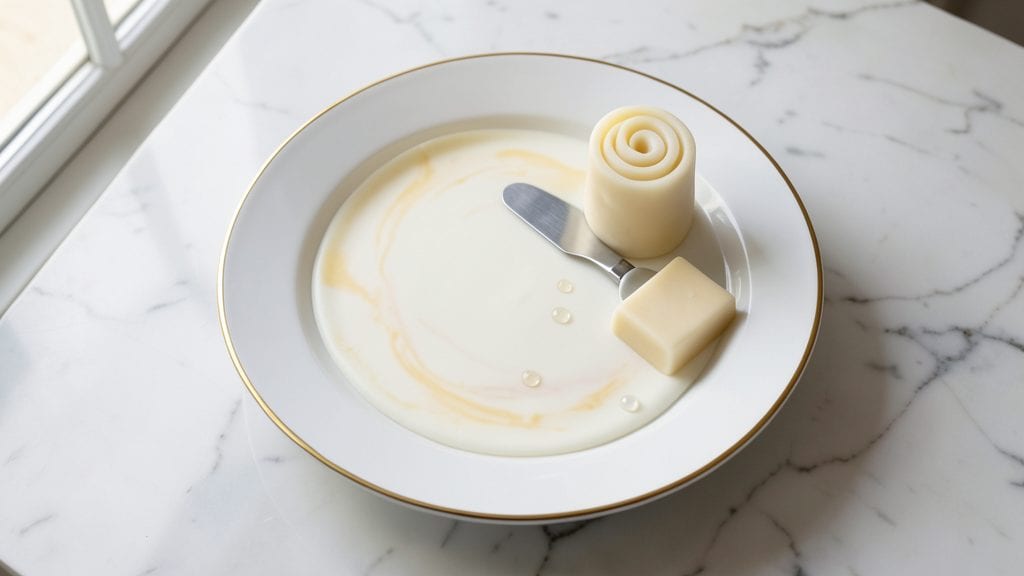
Creating rolled fondant that's silky smooth and perfectly set requires precision, but the results are worth every careful step. This recipe delivers a professional-quality fondant that rolls evenly, holds its shape, and creates flawless finishes for cakes, sculptures, or themed pastries.
The key lies in the right balance of ingredients and proper handling techniques.
The foundation of great fondant begins with a simple yet effective dough made from sugar, gelatin, and glycerin—ingredients that work together to create a pliable, non-sticky texture. Unlike store-bought versions, this homemade fondant allows full control over consistency, color, and durability.
Once mixed, the dough must be kneaded thoroughly to eliminate air bubbles and achieve that signature smoothness.
Rolling the fondant evenly is where the magic happens. Using a lightly floured surface and a rolling pin, you'll create thin, even sheets that drape beautifully over cakes or shape into intricate designs.
The secret to success lies in maintaining consistent pressure and rotating the fondant frequently to prevent uneven thickness. With practice, you'll achieve silky edges and professional finishes every time.
This recipe isn't just about technique—it's about transforming simple ingredients into a versatile medium for creativity. Whether you're covering a cake, crafting fondant flowers, or building elaborate sculptures, the results will be crisp, clean, and perfectly set. Let's get started on creating fondant that rivals professional bakery work.
Ingredients for rolled fondant
Precision ingredients transform into professional-quality rolled fondant for flawless cake finishes.
| Ingredient | Amount | Notes |
|---|---|---|
| Confectioners' Sugar 🍬 | 4 cups | Sifted for smooth texture |
| Unflavored Gelatin Sheets 🍬 | 1 ½ oz | High-quality, bloom strength 250g |
| Glycerin 💧 | 2 tbsp | Food-grade, 99% purity |
| Shortening 🧈 | ½ cup | Vegetable-based, solid at room temp |
| Water 💧 | ¼ cup | Distilled preferred |
| Corn Syrup 🍯 | ¼ cup | Light corn syrup for pliability |
| Vanilla Extract 🌿 | 1 tsp | Pure, alcohol-free preferred |
| Tartaric Acid 🧂 | ¼ tsp | Fine powder, food-grade |
| All-Purpose Flour 🌾 | ½ cup | Sifted, for dusting surface |
| Crisco Shortening 🧈 | ¼ cup | For rolling pin coating |
| Food Coloring 🎨 | ½ tsp | Gel-based, vibrant shades |
| Lemon Extract 🍋 | ½ tsp | Optional, for subtle flavor |
The foundation begins with confectioners' sugar—opt for Domino brand for its ultra-fine grind, which prevents graininess in the final product. Unflavored gelatin sheets from Knox are ideal due to their consistent bloom strength, ensuring the fondant holds its shape without becoming brittle. Glycerin from Now Foods or Nature's Way adds pliability; avoid industrial-grade substitutes. For the shortening, Crisco remains the gold standard in professional kitchens—its neutral flavor and stable composition prevent the fondant from cracking during rolling. Tartaric acid (available at Walmart or Amazon) is critical for acidity balance, which improves the fondant's shelf life and prevents stickiness. Store these dry ingredients in airtight containers away from moisture to maintain their efficacy.
Substitutions require careful consideration to preserve the fondant's professional qualities. Corn syrup can be replaced with honey at half the amount, though this may slightly alter texture; agave nectar serves as a neutral alternative. Vanilla extract can be omitted entirely if working with flavored fondant, but lemon extract adds subtle brightness without overpowering. For gelatin, powdered forms require 1 tbsp water per 1 tsp gelatin—bloom for 10 minutes before use. Food coloring can be swapped for natural dyes like turmeric or beet juice, though results may vary in vibrancy. If shortening is unavailable, butter can be used at half the quantity, though it may introduce flavor notes. Always sift confectioners' sugar through a fine-mesh sieve to eliminate clumps that disrupt smoothness during rolling.
Proper storage extends the fondant's usability while maintaining its professional-grade properties. Wrap the finished dough in plastic wrap, then place in an airtight container with a damp paper towel to prevent drying. Store at room temperature for up to 3 days or refrigerate for 1 week. For longer preservation, freeze portions on parchment paper for up to 3 months; thaw at room temperature before use. When rolling, always dust the surface with sifted flour or Crisco to prevent sticking. For color consistency, divide the fondant into portions before adding dye—this prevents uneven distribution. Reheat slightly in a microwave (10-second bursts) if the fondant becomes too stiff for shaping.
Why You'll Love This Recipe
- No-Fuss Rolling: I swear, this takes less time than scrolling through my phone—just bloom the gelatin, mix the sugar and glycerin, then roll it out like playdough. No kneading, no waiting hours for it to set.
- Silky Smooth Magic: That perfect balance of glycerin and shortening? It’s like biting into a cloud—chewy but never gummy, with just enough bite to keep it interesting. Honestly, it’s the kind of texture that makes you pause mid-bite.
- Endless Decorating: Birthday cakes, gift toppers, or even a fancy dessert platter? This stuff molds to anything. I’ve used it for intricate flowers, simple sheets, and even shaped it into little fruit slices—no fancy tools needed.
- Budget-Friendly Stash: A single batch stretches forever, and the ingredients cost pennies. I keep a tub in my fridge for emergencies—last-minute favors, broken cake disasters, or when I just need something sweet without breaking the bank.
Step-by-step instructions for silky smooth rolled fondant
Achieving perfectly set fondant with silky edges requires precise technique and patience.
Bloom and Dissolve the Gelatin
Begin by blooming the 1.5 oz unflavored gelatin sheets in the 0.25 cup water for 10 minutes in a heatproof bowl. This step activates the gelatin's ability to set properly. After blooming, place the bowl over a saucepan of simmering water, ensuring the bottom doesn't touch the water. Heat gently until the gelatin dissolves completely, creating a clear, smooth liquid. Remove from heat immediately and let cool to room temperature—this prevents premature setting.
While the gelatin cools, measure the 4 cups confectioners' sugar and sift it twice through a fine-mesh sieve into a large mixing bowl. This eliminates any lumps that could create texture issues in your fondant. The sugar should be completely smooth and free of clumps before proceeding.
Combine Wet Ingredients
In a separate bowl, whisk together the 0.5 cup shortening, 0.25 cup corn syrup, 2 tbsp glycerin, 1 tsp vanilla extract, and 0.25 tsp tartaric acid. The shortening should be at room temperature to ensure proper emulsification. Gradually add the cooled gelatin mixture to this wet mixture while whisking continuously. This combination creates the pliable base of your fondant, balancing structure with flexibility.
Add the 0.5 tsp food coloring and 0.5 tsp lemon extract (if using) to the wet mixture and stir until fully incorporated. The lemon extract adds subtle acidity that helps stabilize the fondant's texture, while the food coloring ensures vibrant, even coloring throughout. The mixture should be smooth and homogeneous at this stage.
Gradually Incorporate Dry Ingredients
With a stand mixer fitted with the paddle attachment, mix the wet ingredients on low speed for 1 minute to ensure even distribution. Begin adding the sifted 4 cups confectioners' sugar in small increments, mixing on low speed after each addition. This gradual approach prevents the sugar from absorbing too much moisture at once, which could make the fondant grainy or difficult to roll.
Continue mixing until the fondant comes together into a smooth, pliable dough that pulls away from the sides of the bowl. It should be soft but not sticky—if it's too sticky, add 1-2 tablespoons more confectioners' sugar. If it's too dry, add 1 teaspoon of water or corn syrup. The ideal consistency is firm enough to hold its shape when rolled but still malleable.
Knead and Condition the Fondant
Turn the fondant onto a surface lightly dusted with 0.5 cup all-purpose flour and knead gently by hand for 5-7 minutes. This step ensures even distribution of ingredients and removes any air bubbles that could disrupt the smooth texture. Avoid over-kneading, as this can develop gluten and make the fondant tough.
Coat your rolling pin with 0.25 cup Crisco shortening to prevent sticking. Roll the fondant into a ¼-inch thick sheet, then fold it in half and re-roll. Repeat this process 2-3 times, dusting with additional flour as needed. This conditioning step creates a silky, smooth surface that's ready for rolling out to your desired thickness. The fondant should be cool to the touch but still pliable—if it's too warm, refrigerate for 10-15 minutes before proceeding.
Test and Store for Perfect Results
Cut a small square from the fondant and press it between two sheets of parchment paper with a heavy book for 15-20 minutes. Remove the weight and check the texture: it should hold its shape without sticking to the paper and have a smooth, matte finish. If it's still sticky, knead in an additional 1 tablespoon of confectioners' sugar and re-condition.
For best results, wrap the fondant tightly in plastic wrap and refrigerate for at least 1 hour before using. This resting period allows the fondant to firm up slightly, making it easier to handle and reducing the risk of cracking when rolled. When ready to use, roll the fondant between two sheets of parchment paper to prevent sticking, ensuring silky smooth edges and a perfectly set filling for your baked creations.
Pro Tips For Making Rolled Fondant
- Bloom the Gelatin: Soak your gelatin sheets in cold water for exactly 5 minutes—no longer or they’ll turn to mush. I used to let them sit too long, and the fondant would tear when rolling. Cold water keeps them firm and easy to handle.
- Weigh the Sugar: Use a kitchen scale for the confectioners’ sugar—spoons pack it unevenly, and that’s a surefire way to end up with fondant that’s either too stiff or too sticky. A gram makes a difference here.
- Chill the Shortening: Take your shortening out of the fridge 10 minutes before mixing—it should be soft but not greasy. Cold shortening makes the fondant crumble when rolled, while warm shortening keeps it too soft to work with.
- Knead Until Uniform: Keep kneading the fondant until the color and texture are consistent—no more streaks of white powder or sticky patches. I skip this step sometimes, and the fondant cracks when I try to roll it out. Five minutes of firm kneading fixes that.
Pro cooking tips for perfect results
Gelatin Bloom Control
The gelatin bloom is where your fondant’s structure begins, so precision matters. Bloom the 1.5 oz gelatin sheets in 0.25 cup cold water for exactly 10 minutes—no longer, or it’ll over-absorb moisture and create a gummy texture.
Use a heatproof bowl placed over simmering water (not boiling) to dissolve it completely. I’ve ruined fondant by rushing this step—always let it cool to room temperature before mixing to avoid premature setting. 🌡️
Sugar Sifting Secrets
Never skip sifting the 4 cups confectioners' sugar—even once. I use a fine-mesh sieve (like the one from OXO Good Grips) and sift it twice to eliminate every last clump.
Unsifted sugar creates grainy patches in your fondant, no matter how much you knead. For extra smoothness, I also pass the sugar through a China cap (a fine mesh strainer) before sifting.
Rolling Pin Prep Matters
Your rolling pin is the unsung hero of silky fondant. Coat it thoroughly with 0.25 cup Crisco shortening before each roll to prevent sticking. I also lightly dust the fondant itself with sifted flour (about 1 tbsp) between folds.
For large projects, I use a marble rolling pin—it stays cooler and rolls more evenly than metal. Always roll from the center outward to maintain even thickness.
Conditioning for Smoothness
The 2-3 fold-and-re-roll technique is non-negotiable for professional results. After each fold, dust the fondant with 1 tsp flour and re-roll to eliminate surface imperfections. I’ve found that refrigerating the fondant for 10 minutes between conditioning rounds helps it hold its shape better.
The goal is to create a sheet so smooth you could use it as a mirror—no lumps or cracks allowed. ✨
Color Integration Tricks
Add food coloring to the wet ingredients first, then mix thoroughly before combining with sugar. For vibrant hues, I divide the fondant into portions and tint each separately—this prevents color streaking.
Gel-based colors (like Wilton or Americolor) blend more evenly than liquid dyes. If your fondant looks streaky after mixing, knead in 1 tsp glycerin to help distribute the color.
Troubleshooting Sticky Fondant
If your fondant sticks to surfaces, you’re not alone—this is the #1 beginner mistake. First, check your sugar-to-moisture ratio: add 1 tbsp confectioners' sugar at a time until it releases cleanly from the bowl. For stubborn stickiness, I dust the fondant with cornstarch (not flour) between layers when rolling.
Never microwave fondant to "fix" stickiness—this alters the gelatin structure and makes it brittle. Always work on a silicone mat or parchment paper for easy release. 💡
Nutrition facts
Frequently asked questions
Why does my fondant crack when rolling?
The most common causes are either too much moisture in the dough or not enough conditioning. If your fondant feels sticky or warm, refrigerate it for 15-20 minutes before rolling. Always use the fold-and-re-roll method 2-3 times with a dusting of sifted flour between each fold. If cracks persist, knead in 1 tablespoon more confectioners' sugar to absorb excess moisture.
Can I make fondant without gelatin?
Yes, but the texture will differ significantly. You can substitute gelatin with agar-agar powder (use 1 teaspoon per 1.5 oz gelatin) for a vegan option, though the fondant will be firmer and less pliable. Another alternative is marshmallow fluff (mix 1 cup with 3 cups sugar), but it lacks the same structural integrity. For best results, stick with gelatin for professional-quality rolled fondant.
How do I prevent fondant from sticking to my rolling pin?
Coat your rolling pin thoroughly with Crisco shortening before each use, and dust the fondant lightly with sifted flour or cornstarch between folds. Work on a silicone mat or parchment paper for easy release. If fondant still sticks, chill it for 10 minutes to firm up slightly before rolling. Never use butter—it introduces flavor and makes the fondant too soft.
Can I reuse leftover fondant?
Store leftover fondant in an airtight container with a damp paper towel to prevent drying. It keeps at room temperature for 3 days or refrigerated for 1 week. To reuse, knead gently with 1 teaspoon of water or glycerin if it feels dry, then re-condition by rolling and folding. Avoid microwaving—it alters the gelatin structure and makes the fondant brittle.
What’s the best thickness for rolled fondant?
For most cake decorations, aim for ⅛-inch to ¼-inch thickness. Thinner sheets (⅛-inch) work well for delicate details like flowers or lace patterns, while ¼-inch is ideal for covering entire cakes or creating sturdy shapes. Use a ruler or measuring tape to check thickness, and adjust by rolling slightly thinner or thicker as needed. Always roll from the center outward for even consistency.