
Main Courses
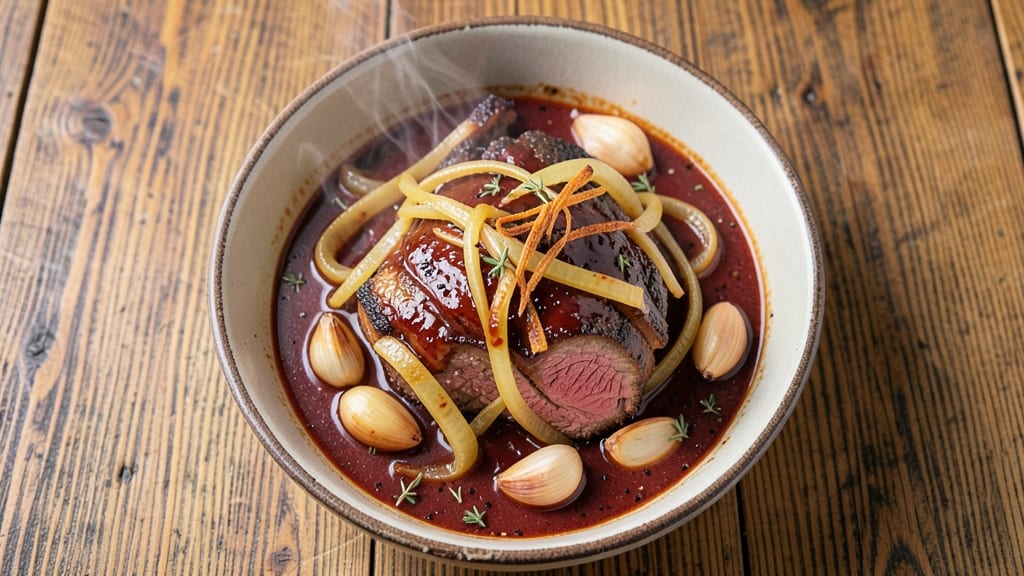
The adobo steak recipe I’m sharing delivers restaurant-quality results with a perfect balance of smoky, tangy, and savory flavors—all from a simple marinade that transforms tough cuts into melt-in-your-mouth perfection. This method preserves the rich, caramelized depth of traditional Filipino adobo while simplifying the process for home cooks.
The key lies in the marinade’s dual role: tenderizing the meat overnight while building layers of flavor that deepen as it cooks.
What makes this recipe stand out is its versatility—whether you prefer a vinegar-forward adobo or a soy-based version, the technique remains the same. The marinade works its magic through a slow braise, where the steak absorbs the sauce’s complexity while staying juicy and tender.
No special equipment is needed beyond a heavy pot or Dutch oven, making this a foolproof method for weeknight dinners or special occasions.
By the time you serve this dish, your table will be greeted with perfectly braised steak that’s fork-tender with a glossy, caramelized crust. The sauce reduces into a sticky, aromatic glaze that clings to every bite, balancing sweet, salty, and tangy notes.
Pair it with steamed rice to soak up every last drop of that flavorful sauce—this is comfort food at its finest.
The beauty of this recipe is its adaptability. Swap out the steak for chicken thighs or pork shoulder, or adjust the vinegar-to-soy ratio to suit your taste. Leftovers reheat beautifully, making it ideal for meal prep. Let’s get started on creating your perfect adobo steak.
Ingredients for adobo steak
Pantry staples plus a few specialty items transform tough beef into restaurant-worthy adobo perfection.
| Ingredient | Amount | Notes |
|---|---|---|
| Chuck Roast 🥩 | 2 ½ lb | Cut into 1.5-inch cubes |
| Canola Oil 🫒 | 2 tbsp | For searing meat |
| Yellow Onion 🧅 | 1 whole | Thinly sliced, about 2 cups |
| Garlic Cloves 🧄 | 8 cloves | Minced, about 2 tbsp |
| Canned Tomato Sauce 🍅 | 1 cup | San Marzano preferred |
| White Vinegar 💧 | ½ cup | Distilled preferred |
| Soy Sauce 🍶 | ½ cup | Light or all-purpose |
| Brown Sugar 🍚 | ¼ cup | Light or dark |
| Black Peppercorns 🌶️ | 1 tsp | Crushed, not ground |
| Bay Leaves 🌿 | 2 whole | Dried, standard size |
| Salt 🧂 | 1 ½ tsp | Diamond Crystal preferred |
| Fresh Thyme 🌿 | ¼ cup | Leaves only, chopped |
| Water 💧 | 1 ½ cups | Room temperature |
The chuck roast is non-negotiable here—its fat content melts into the sauce, creating that signature richness. Look for well-marbled cuts at Whole Foods or your local butcher shop, where they can trim it for even cubes. If you're buying pre-cut, check for uniform size (1.5-inch pieces) so they cook evenly. The vinegar and soy sauce are the flavor pillars—Kikkoman soy sauce and Heinz white vinegar are my go-tos, but any quality brand works. Fresh thyme adds depth, so grab a bunch and use half; the rest keeps in the fridge for another week.
No canola oil? Vegetable or avocado oil works just as well for searing. Short on brown sugar? White sugar plus a pinch of cinnamon mimics its caramel notes. The tomato sauce can be fresh (blend canned tomatoes with garlic) or store-bought—just avoid the watery kind. For a deeper flavor, add 1 tbsp fish sauce to the marinade. The bay leaves are optional but worth it; if you skip them, double the thyme. And if you're feeling lazy, pre-minced garlic from a jar saves time (though fresh is always better).
This marinade stays potent for 5 days in the fridge, so make extra for future meals. The cooked steak reheats beautifully—just warm in the sauce over low heat, adding a splash of water if it's too thick. For meal prep, portion into containers with sauce and store for 4 days. Freeze for 3 months by wrapping tightly in foil. The sauce thickens as it cools, so thin with water when reheating. Leftovers taste even better the next day—trust the process.
Why You'll Love This Recipe
- One-Pot Magic: I swear by this recipe when I’m too tired to scrub pots—just brown the chuck roast in canola oil, toss in the onions and garlic, then let the tomato sauce work its saucey magic. The roast practically melts into perfection while you’re watching TV.
- Umami Bomb: That canned tomato sauce might seem basic, but when it caramelizes with garlic and slow-cooked chuck roast? It’s a flavor explosion—tangy, savory, and just salty enough to make your taste buds sing. (Yes, even my picky husband licks the plate.)
- Leftovers That Don’t Suck: Between us, most beef stews turn to glue after day two. Not this. The adobo steak stays tender, the sauce thickens just right, and I’ve reheated it for breakfast tacos, sandwiches, and even a lazy Sunday pot pie. Zero waste, all win.
- Budget Hero: A chuck roast stretches for a crowd, and canned tomato sauce? Cheap as dirt. I feed six people for under $15, and the leftovers stretch into another meal. Honestly, this recipe saved my grocery budget more times than I can count.
Step-by-step instructions for adobo steak recipe
Here's how to transform tough chuck roast into tender, smoky perfection with this foolproof marinade method.
Prepare the Adobo Marinade
In a large bowl, combine the 0.5 cup white vinegar, 0.5 cup soy sauce, 1 cup canned tomato sauce, 0.25 cup brown sugar, 1.5 tsp salt, 1 tsp crushed black peppercorns, 2 whole bay leaves, and 0.25 cup chopped fresh thyme. Stir until the brown sugar dissolves completely—this ensures even distribution throughout the marinade.
I like to use a whisk for this step to break up any sugar clumps that might form. The marinade should be smooth and slightly syrupy in consistency. Taste it now—it should be tangy, salty, and just sweet enough to balance the acidity. If you want to adjust, add a pinch more salt or sugar to your preference, but don't overdo it as the meat will absorb flavors during marinating.
Cube and Marinate the Chuck Roast
Cut the 2.5 lb chuck roast into 1.5-inch cubes, working quickly to keep the meat cold. Place the meat cubes in a large resealable plastic bag and pour the marinade over them. Seal the bag tightly, removing as much air as possible, then massage the bag gently to coat each piece evenly.
This is where the magic happens—the acid in the vinegar begins breaking down the tough muscle fibers. Let the meat marinate in the refrigerator for at least 4 hours, but I recommend overnight (up to 24 hours) for maximum tenderness. Turn the bag occasionally during marinating to ensure all surfaces get coated. The meat should develop a rich, reddish color from the marinade.
Sear the Marinated Steak
Remove the meat from the marinade (reserve the marinade for later) and pat the cubes dry with paper towels. Heat 2 tbsp canola oil in a large skillet over medium-high heat until shimmering. Working in batches if needed, add the meat cubes and sear for 2-3 minutes per side until they develop a deep golden-brown crust.
Don't crowd the pan—this is crucial for getting that perfect sear. You want the meat to sizzle vigorously when it hits the pan. If the pan gets too crowded, the temperature will drop and you'll end up steaming instead of searing. The crust you create here will lock in all those beautiful flavors during cooking.
Simmer in the Marinade
Return all the seared meat to the skillet and pour in the reserved marinade. Add the 1.5 cups water and the minced 8 cloves garlic along with the thinly sliced 1 whole yellow onion. Bring to a simmer over medium heat, then reduce to low and cover partially. Let it cook for 2 hours, stirring occasionally, until the meat is fork-tender and easily shreds.
The key here is patience—the meat needs time to absorb all those delicious flavors and become tender. You'll know it's ready when the meat fibers pull apart easily and the sauce has thickened slightly. If the sauce reduces too much before the meat is tender, add a splash of water to maintain the proper consistency. The aroma at this stage should be incredible—smoky, sweet, and savory all at once.
Finish and Serve
Once the meat is tender, remove the bay leaves and discard them. Taste the sauce and adjust seasoning if needed—you might want to add a splash more soy sauce for saltiness or a pinch of sugar to balance the acidity. The sauce should coat the back of a spoon and have a glossy appearance.
Serve the adobo steak immediately, either as shredded beef over rice or as individual steak cubes on their own. The meat should be incredibly tender with a perfect balance of smoky, sweet, and tangy flavors. Each bite should practically melt in your mouth while still maintaining enough structure to hold its shape. Pair it with steamed jasmine rice to soak up all that delicious sauce.
Pro Tips For Making Adobo Steak
- Sear the Roast First: Chuck roast needs a deep brown crust—don’t skip the sear. Heat your pan until it’s smoking hot, then work in batches to avoid steaming the meat. I used to rush this and ended up with bland, gray edges. Trust me, that crust locks in flavor.
- Slice Onions Thinly: Thinly sliced onions caramelize faster and blend into the sauce without chunks. Use a sharp knife and cut them into paper-thin strips—no need for fancy techniques, just patience. Thick slices turn mushy and ruin the texture.
- Deglaze Aggressively: After searing the garlic, immediately pour in a splash of water or white wine (if using) and scrape every bit of browned bits from the pan. Those bits hold the meat’s flavor—don’t let them go to waste. I learned this the hard way when my sauce tasted flat.
- Simmer Low and Slow: Chuck roast needs time—don’t rush the cooking. After adding the tomato sauce, reduce heat to a gentle simmer and let it cook uncovered for at least 2 hours. The sauce will thicken naturally, and the meat will become fork-tender. Skipping this step leaves you with chewy, undercooked meat.
Perfect pairings for these flavors
Classic Filipino Sides
No adobo steak is complete without steamed jasmine rice—its mild, floral notes let the rich sauce shine. Cook 2 cups uncooked rice with 4 cups water in a rice cooker or pot, then fluff with a fork before serving.
For extra flair, sprinkle with toasted garlic and a pinch of salt. 🍚
Creamy Garlic Spinach
Balance the tangy adobo with garlic sautéed spinach—sauté 2 tbsp minced garlic in 2 tbsp butter until fragrant, then add 4 cups baby spinach and ¼ cup heavy cream. Toss until wilted and finish with salt and pepper. The creaminess contrasts beautifully with the adobo’s bold flavors.
Crispy Fried Eggs
Top your plate with sunny-side-up eggs fried in butter until the yolks are runny. The richness cuts through the sauce’s acidity, and the warm egg yolk adds a luxurious touch. For extra flavor, sprinkle with crushed red pepper flakes or fresh chives before serving.
Pickled Vegetables
Add a refreshing crunch with quick-pickled carrots and daikon radish. Thinly slice 1 carrot and 1 cup daikon, then soak in a mix of ½ cup rice vinegar, 1 tbsp sugar, and ½ tsp salt for 30 minutes.
The tangy crunch balances the adobo’s richness perfectly.
Warm Tortillas
For a fusion twist, serve with warm corn tortillas—lightly toast them in a dry skillet until pliable. Use them to scoop up sauce or wrap around steak cubes for handheld bites. The slight char adds another layer of texture to the meal.
Drink Pairings
Cool your palate with calamansi juice—this Filipino citrus is tart and refreshing, cutting through the dish’s richness. For a non-alcoholic option, try iced green tea with honey. If you prefer beer, a light lager like San Miguel keeps the meal crisp and clean.
Nutrition facts
Frequently asked questions
Can I use chicken or pork instead of beef for this adobo recipe?
This marinade works beautifully with chicken thighs (bone-in for extra flavor) or pork shoulder. For chicken, reduce marinating time to 2-4 hours since it cooks faster. Pork benefits from the longer 24-hour marinade for maximum tenderness. The cooking time will also differ—chicken needs about 30-40 minutes while pork may require 2.5-3 hours to become fork-tender.
How do I make the sauce less acidic if I don't like vinegar?
Reduce the vinegar to ¼ cup and increase the soy sauce to ¾ cup for a milder flavor. You can also add 1 tbsp fish sauce or 1 tsp sugar to balance the acidity. For a completely vinegar-free version, substitute with ½ cup coconut aminos plus ¼ cup apple cider vinegar—this creates a sweeter, less sharp profile while keeping the umami depth.
Can I make this recipe in a slow cooker?
Yes! After searing the meat, transfer everything to a 6-quart slow cooker and cook on low for 6-8 hours or high for 4-5 hours. The slow cooking enhances tenderness, and the sauce will thicken naturally. For best results, use the soy-based variation (less vinegar) to prevent the sauce from becoming too thin. Stir occasionally to prevent sticking.
Why did my adobo steak turn out dry?
Overcooking is the most common cause—steak should be fork-tender but still juicy. Check doneness at 1.5 hours for beef. If the sauce reduced too much, add ¼ cup water or broth during cooking. Always reserve the marinade before searing, as it contains precious meat juices. For extra moisture, deglaze the pan with a splash of water after searing before adding the marinade back.
What's the best way to reheat leftovers?
Gently reheat in a skillet over low heat with 2 tbsp water to prevent drying. For microwave reheating, cover with a damp paper towel and heat in 30-second intervals, stirring between each. The sauce will thicken as it cools, so thin with a splash of water or broth if needed. Leftovers actually improve overnight as flavors meld further—this is when the dish tastes best!