
Side Dishes
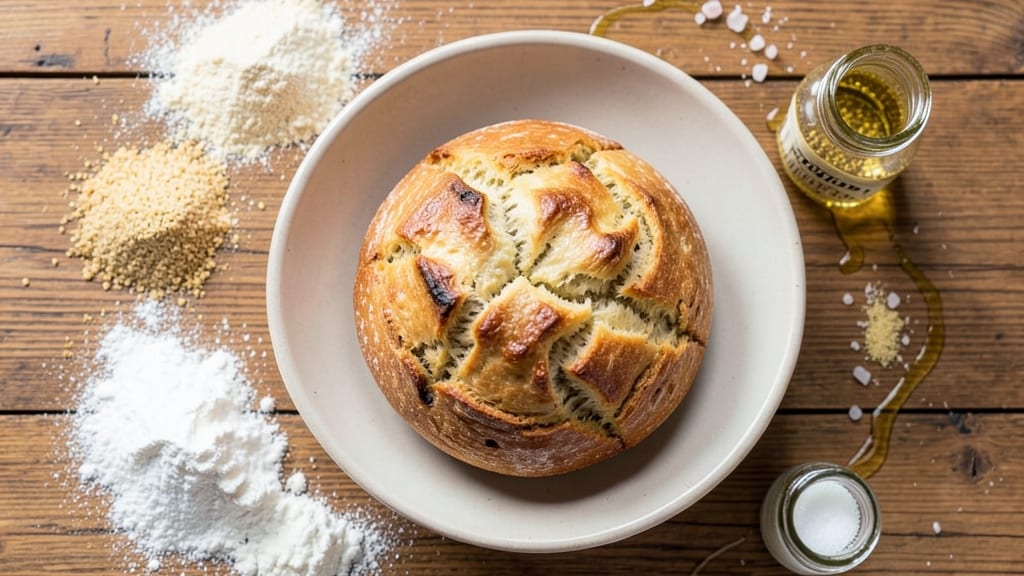
This African bread recipe delivers a fluffy maize loaf with a crispy top and aromatic spices that bring the warmth of West African kitchens to your table.
The combination of cornmeal and traditional baking techniques creates a texture that's both tender inside and perfectly golden on top—ideal for soaking up stews or serving alongside grilled meats. I developed this recipe after years of perfecting the balance between fermentation time and oven temperature to achieve that signature crust.
The secret lies in the fermentation process, which develops depth of flavor and creates the signature spongy yet sturdy texture. Unlike many breads, this recipe relies on a natural rise rather than commercial yeast, giving it an authentic, slightly tangy character.
The spices—cinnamon, nutmeg, and a hint of ginger—are essential for that familiar African warmth that makes every bite comforting. With just five simple ingredients and one hour of active time, you'll have a loaf that rivals what you'd find in traditional markets.
What makes this bread truly special is its versatility—it works as a side, a snack, or even a base for sandwiches when toasted. The crust develops a satisfying crunch while the interior remains soft and slightly chewy, perfect for holding up to hearty stews or rich sauces.
Whether you're serving it at a family gathering or enjoying a quiet meal, this bread brings a taste of Africa to your kitchen without requiring advanced skills. The aroma alone will have everyone asking for seconds.
For those looking to make it even more traditional, substituting a portion of the cornmeal with teff flour will enhance the earthy flavor and nutritional profile. The recipe scales easily, so you can bake a single loaf or double the batch for a crowd.
Let's get started on creating this beloved staple that's as much about tradition as it is about taste.
Ingredients for african bread
Five simple staples plus a handful of spices transform into this iconic West African maize loaf.
| Ingredient | Amount | Notes |
|---|---|---|
| Fine Cornmeal 🌽 | 2 cups | Medium grind preferred |
| All-Purpose Flour 🌾 | 1 cup | White or whole wheat |
| Active Dry Yeast 🍞 | ¼ oz | Or 2 1/4 tsp package |
| Granulated Sugar 🍚 | 1 tbsp | For yeast activation |
| Warm Water 💧 | 1 cup | 110°F for yeast activation |
| Salt 🧂 | 1 tsp | Fine sea salt preferred |
| Ground Cinnamon 🌿 | ½ tsp | Freshly ground for warmth |
| Ground Nutmeg 🌿 | ¼ tsp | Freshly grated preferred |
| Ground Ginger 🌿 | ¼ tsp | Freshly ground for zing |
| Large Eggs 🥚 | 1 whole | Room temperature for mixing |
| Unsalted Butter 🧈 | 2 tbsp | Melted, full-fat preferred |
| Milk 🥛 | ¼ cup | Warm for softness |
The cornmeal is the star here—Bob's Red Mill medium grind works best, but any fine cornmeal will do. If you're feeling ambitious, grab some teff flour at specialty stores like Whole Foods or online—it adds that authentic earthy depth. The yeast? Fresh is better, but the little packets in the baking aisle work fine. Just make sure it's not expired—nothing ruins a good loaf like dead yeast. For the spices, Penzeys has the best pre-ground cinnamon and nutmeg, but the regular grocery store stuff is fine if it's fresh.
No teff flour? Substitute extra cornmeal—just reduce the all-purpose flour by 2 tbsp to keep the texture right. Swapping out the milk? Warm water works in a pinch, but you'll lose that tender crumb. The butter matters—full-fat gives the best flavor, but if you're dairy-free, coconut oil works surprisingly well. For the spices, if you don't have ground ginger, freshly grated works at half the amount. And if you're short on time, the warm water can be heated in the microwave for 30 seconds—just let it cool slightly before mixing.
This dough keeps best in the fridge for 24 hours if you make it ahead—just let it sit at room temp for 30 minutes before baking. The baked loaf stays fresh for 3-4 days wrapped in a towel, but it reheats beautifully. I like toasting slices for sandwiches—butter them first for that classic African touch. Freezes well too—up to 3 months if you slice it first and wrap tightly. The crust gets harder after freezing, so toast it after thawing.
Why You'll Love This Recipe
- Five-Ingredient Magic: I swear, this bread only needs five things—cornmeal, flour, yeast, sugar, and warm water. That’s it. No fancy pantry trips, no last-minute store runs. Honestly, I keep a bag of each in my pantry just for this.
- Golden, Toasty Crunch: The cornmeal gives it that perfect texture—crusty outside, soft inside—with a subtle sweetness from the sugar that makes every bite feel like a little treat. It’s not just bread; it’s ridiculously good bread.
- Weeknight Workhorse: I make a batch on Sundays, and it lasts all week. Toast it for breakfast, serve it with stews, or tear it into chunks for snacks. Between us, it’s my go-to when I’m too tired to think about dinner.
- Budget-Friendly Staple: Flour and cornmeal are cheap, and a single batch stretches for days. I’ll be real: this bread saved me from buying overpriced loaves, and my wallet hasn’t missed it. Plus, it’s way more satisfying.
Step-by-step instructions for fluffy maize and spice loaf
Here's how to create a tender, aromatic loaf with a crispy crust using simple pantry staples.
Activate the Yeast for Maximum Rise
In a small bowl, combine the 1 cup warm water (about 110°F) with the 1 tablespoon granulated sugar and 0.25 oz active dry yeast. Stir gently and let sit for 5-10 minutes until foamy. You'll see small bubbles forming on the surface—this confirms your yeast is alive and ready to work.
If the mixture doesn't foam after 10 minutes, your yeast may be inactive. In that case, start fresh with new yeast and warm water. This activation step is crucial for a light, airy loaf rather than a dense one.
Mix Wet Ingredients for Smooth Dough
In a large mixing bowl, whisk together the 1 whole large egg, 2 tablespoons melted unsalted butter, and 0.25 cup warm milk. Add the yeast mixture and stir until fully combined. The butter should be melted but not hot—just warm enough to blend smoothly.
This combination of egg, butter, and milk creates a rich, tender crumb. The melted butter adds moisture while the egg helps bind everything together. Keep the bowl nearby as we'll add dry ingredients next.
Combine Dry Ingredients for Perfect Texture
In a separate bowl, whisk together the 2 cups fine cornmeal, 1 cup all-purpose flour, 1 teaspoon salt, 0.5 teaspoon ground cinnamon, 0.25 teaspoon ground nutmeg, and 0.25 teaspoon ground ginger. Sift if possible to remove any lumps—this ensures even distribution of spices throughout the loaf.
The cornmeal gives this bread its distinctive texture while the spices add warm, aromatic depth. Don't skip sifting if you can help it; those lumps can create uneven pockets in your final loaf.
Knead Until Smooth and Elastic
Gradually add the dry ingredients to the wet mixture, stirring with a wooden spoon until just combined. Then turn the dough onto a lightly floured surface and knead for 8-10 minutes until smooth and elastic. You'll know it's ready when it springs back slowly when poked.
This kneading develops gluten, which gives the bread its structure. If the dough feels too sticky, add 1 tablespoon flour at a time until it's workable. Avoid over-kneading—just until it's smooth and slightly tacky.
Let the Dough Rise for Maximum Fluffiness
Place the dough in a lightly greased bowl, cover with a clean kitchen towel, and let rise in a warm place for 1-1.5 hours or until doubled in size. The kitchen should be warm—near an oven with the light on works well if your kitchen is cool.
You'll see the dough puff up noticeably. When you poke it gently with a finger, it should leave a slight indentation that doesn't immediately spring back. This proofing step creates those beautiful air pockets that make the bread so light.
Shape and Bake for Golden Perfection
Preheat your oven to 375°F. Shape the risen dough into a round loaf and place it on a parchment-lined baking sheet. Brush the top with a little melted butter for that golden crust. Bake for 30-35 minutes until golden brown and the internal temperature reaches 190°F.
For extra crispiness, you can also bake for the last 5 minutes under the broiler. The moment it comes out of the oven, the bread should sound hollow when tapped on the bottom. Let it cool on a wire rack for 10 minutes before slicing—this prevents a gummy texture.
Pro Tips For Making African Bread
- Test Yeast First: Skip straight to mixing and you might end up with flat, sad bread. Sprinkle that yeast in warm water with a pinch of sugar—if it bubbles within 5-10 minutes, it’s alive and ready to work. No bubbles? Toss it and grab fresh; dead yeast ruins everything.
- Measure Cornmeal Right: That fine cornmeal packs tighter than flour, so scoop it into your measuring cup and level it off with a knife—don’t just eyeball it. Too much, and your bread turns dense; too little, and it loses that classic texture. Trust the lines.
- Knead Until Silky: This dough’s sticky, but resist the urge to add extra flour mid-knead. Work it on a floured surface for 8-10 minutes until it’s smooth and springs back when poked—like playdough, not wet cement. Overworking? It’ll toughen up.
- Shape Loaves Tight: Roll those dough logs firmly—no lazy, saggy shapes. Press edges together and tuck under to seal, then let them rise on a floured tray. Loose seams mean air escapes, and your bread won’t rise properly. Think "tight as a drum."
Make-ahead tips for leftovers
Dough Prep Ahead
Mix the dough up to 24 hours in advance and store it in an airtight container in the fridge. When ready to bake, let it sit at room temperature for 30-45 minutes until it's slightly puffy.
This slow fermentation enhances the flavor and makes the bread even more tender. I always prep my dough the night before—it saves morning stress and deepens the spice notes. 💪
Freezing Fresh Loaves
Slice the fully baked loaf and wrap each slice individually in plastic wrap, then place them in a freezer bag with all air removed. This method keeps the bread fresh for up to 3 months without drying out.
When ready to eat, toast the slices directly from frozen for 2-3 minutes until crispy. The butter melts beautifully during toasting, recreating that fresh-baked taste. 🥖
Reviving Stale Bread
If your bread loses its freshness, don't toss it! Wrap the loaf tightly in aluminum foil and reheat in a 350°F oven for 10-15 minutes. The foil traps moisture, restoring that warm, soft texture.
For extra crispiness, finish with 1 minute under the broiler. This trick works perfectly for sandwiches or serving with stews. ✨
Batch Prep Tips
Double the recipe and bake two loaves simultaneously for gatherings. Use two baking sheets and rotate them halfway through baking for even browning. Store the extra loaf in a paper bag at room temperature—it stays fresh for 3 days this way.
I always make two when hosting dinner parties because this bread disappears quickly. 🍽️
Spice Boost Storage
If you've made extra spiced dough but aren't baking it right away, freeze the shaped loaf on a baking sheet for 1 hour before transferring to a freezer bag.
Bake straight from frozen at 375°F for 45-50 minutes, adding 5-10 minutes to the original baking time. The spices retain their aroma beautifully through freezing. 🌶️
Portion Control
For meal prep, slice the cooled loaf into 1-inch thick pieces and store them in a single-layer container. This prevents slices from sticking together and makes reheating easier.
Each slice reheats perfectly in 30 seconds in the microwave or 5 minutes in a toaster. Perfect for quick breakfasts or snacks throughout the week. 💡
Nutrition facts
Frequently asked questions
Can I substitute cornmeal with another flour for this West African loaf?
The cornmeal is essential for that signature texture, but you can replace ½ cup with teff flour for an authentic Ethiopian touch. For a 1:1 swap, try all-purpose flour, though the bread will be less moist. The spices still shine through—just expect a slightly denser crumb.
Why does my dough smell so strong after rising?
The warm spices (cinnamon, nutmeg, and ginger) release aromatic oils during fermentation, creating that rich scent. A longer rise (up to 2 hours) deepens the flavor. If the smell seems overpowering, reduce spices by ¼ teaspoon next time. The aroma fades slightly after baking.
How do I fix a dense or flat loaf?
Dense bread usually means underproofed dough or over-kneading. Next time, let the dough rise until it doubles in size (about 1.5 hours) and avoid kneading beyond 10 minutes. For a flatter loaf, ensure your yeast is active and the oven isn’t too hot—375°F is ideal.
Can I make this bread without yeast?
Yes! Swap the yeast for 1 cup natural sourdough starter and reduce the water by ¼ cup. Ferment for 12-24 hours at room temperature until bubbly. The flavor will be tangier, but the texture remains tender. For best results, use a well-fed starter.
What’s the best way to serve this bread?
Toast slices lightly for sandwiches or serve warm with African stews, peanut butter, or honey. The crust holds up perfectly to hearty dishes, while the soft interior soaks up sauces beautifully. For a festive touch, brush baked loaves with melted butter and sprinkle with coarse salt.