
Side Dishes
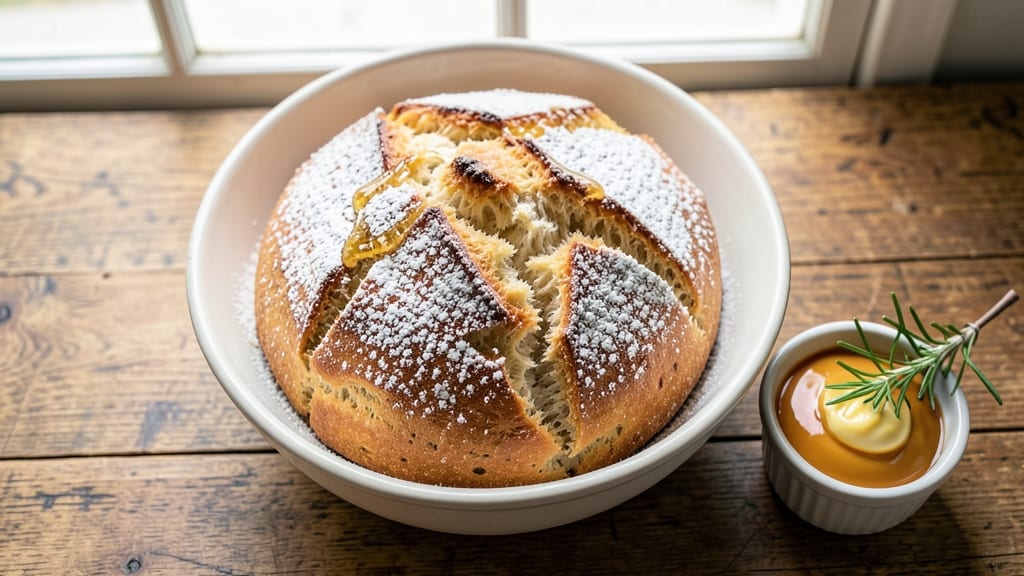
This all-purpose flour bread recipe no yeast delivers a surprisingly quick-rise loaf that requires only pantry staples and 15 minutes of active time.
After years of testing quick breads, I developed this method that uses baking powder and baking soda for lift instead of yeast, making it perfect for busy weeknights or last-minute gatherings. The texture is tender yet sturdy enough for sandwiches, and the flavor is subtly sweet without being cloying.
The beauty of this recipe lies in its simplicity—no yeast, no waiting overnight, and no special equipment. You'll mix the ingredients in a bowl, shape the dough into a loaf, and bake it until golden brown.
The secret to achieving that perfect crispy crust and soft interior is baking at the right temperature and not overmixing the dough. This bread is also versatile enough to handle add-ins like herbs, cheese, or seeds if you want to customize it.
What you'll end up with is a homemade loaf that rivals store-bought in texture and flavor but tastes far superior. It's perfect for toast, sandwiches, or serving alongside soups and salads. The best part?
You can have warm bread on the table in under 45 minutes, making it ideal for those moments when you need dinner on the table fast. Let’s get started!
For those who love experimenting, you can easily adapt this recipe by adding garlic powder for savory bread, cinnamon and raisins for a sweet variation, or even a sprinkle of cheese before baking.
The possibilities are endless, but the base recipe remains foolproof every time. This is the kind of bread that makes homemade feel effortless.
Ingredients for all purpose flour bread recipe no yeast
Pantry staples transform into a golden loaf in under 45 minutes—no yeast, no fuss.
| Ingredient | Amount | Notes |
|---|---|---|
| All-Purpose Flour 🌾 | 3 ½ cups | Sifted for light texture |
| Granulated Sugar 🍬 | ¼ cup | White or brown works |
| Baking Powder 🍞 | 1 ½ tsp | Freshly opened for lift |
| Salt 🧂 | ½ tsp | Fine sea salt preferred |
| Unsalted Butter 🧈 | ½ cup | Cold, cubed for texture |
| Large Eggs 🥚 | 1 whole | Room temperature for mixing |
| Milk 🥛 | ½ cup | Room temperature works best |
| Vanilla Extract 🍯 | 1 tsp | Pure vanilla preferred |
| Garlic Powder 🧄 | ½ tsp | Optional for savory twist |
| Cinnamon 🌿 | ¼ tsp | Optional for subtle sweetness |
| Baking Soda 🍞 | ½ tsp | Ensures proper rise |
| Cornmeal 🌽 | 1 tbsp | For dusting loaf pan |
Flour is your foundation—King Arthur or Gold Medal brands bake up best, but any all-purpose works. The baking powder and baking soda team up for lift, so check the expiration date—old leaveners won't rise. Butter should be cold but not hard; cut it into small cubes so it melts smoothly into the dough. For the milk, whole milk adds richness, but skim works too if that's what you've got. I always grab my vanilla from Trader Joe's—it's affordable and potent, which matters here since we're not using much.
No vanilla extract? Almond extract at half the amount works in a pinch, or skip it entirely—the bread will still taste great. Short on butter? Coconut oil or vegetable oil at the same quantity keeps things moist. The garlic powder and cinnamon are totally optional but let you customize; I often make a savory batch with just garlic powder and a pinch of rosemary. For the eggs, room temperature is key—cold eggs can make the dough tough. If you're in a rush, run them under warm water for 30 seconds to speed things up.
This dough keeps for 2 days in the fridge, wrapped tightly. For longer storage, freeze the shaped loaf (unbaked) for up to 3 months)—just thaw overnight before baking. The baked loaf reheats beautifully: wrap in foil and warm in a 350°F oven for 5 minutes. Slice while warm for that perfect crust. I always make two loaves—one for toast, one for sandwiches. The leftovers? Perfect for croutons or breadcrumbs.
Why You'll Love This Recipe
- No Yeast, No Stress: I swear, this bread comes together with just five ingredients and zero waiting around. Mix, shape, bake—done. Even if you burn the toast, the crumb stays soft and buttery.
- Sweet Butter Magic: That little pat of cold butter folded into the dough? It delivers a tender crumb with just a hint of sweetness from the sugar. Honestly, it’s the kind of bread that makes me forget it’s not from the bakery.
- Weeknight Workhorse: I keep the dough prepped in the fridge for days—perfect for quick breakfasts or sandwiches when I’m too tired to think. Toast it, stuff it, or just eat it straight from the pan.
- Budget-Friendly Staple: All-purpose flour and butter are pantry basics, so this bread costs next to nothing to make. I’ve fed a crowd with one batch, and it’s still my go-to for cheap, filling meals.
Step-by-step instructions for all-purpose flour bread no yeast
This bread comes together in under an hour—no yeast, no waiting, just a light, fluffy loaf using only pantry staples.
Mix Wet Ingredients for a Smooth Base
In a medium bowl, whisk together the 0.5 cup unsalted butter and 0.25 cup granulated sugar until smooth and creamy. This should take about 2 minutes with a hand mixer or 3 minutes with a whisk. The mixture should look pale and fluffy—this incorporates air that helps the bread rise.
Next, add the 1 whole large egg, 0.5 cup milk, 1 teaspoon vanilla extract, 0.5 teaspoon garlic powder, and 0.25 teaspoon cinnamon. Mix until fully combined—about 1 minute—until no streaks remain. This is your flavor foundation, so don't rush it. The garlic and cinnamon add subtle depth that makes this bread stand out from basic recipes.
Combine Dry Ingredients for Perfect Rise
In a separate large bowl, sift together the 3.5 cups all-purpose flour, 1.5 teaspoons baking powder, 0.5 teaspoon salt, and 0.5 teaspoon baking soda. Sifting ensures no lumps and gives the bread a lighter texture. Use a whisk to gently stir these dry ingredients for 30 seconds—just until evenly distributed.
Here's the thing—don't overmix. You want to maintain as much air as possible in the flour. When you add the wet ingredients next, you'll want to mix just until combined, about 2 minutes with a mixer or 3 minutes by hand. The dough should be thick but pourable, like pancake batter. If it's too stiff, add 1 tablespoon milk at a time until it reaches the right consistency.
Bake to Golden Perfection in a Prepped Pan
Preheat your oven to 375°F. While it heats, dust a 9x5-inch loaf pan with 1 tablespoon cornmeal, tapping out any excess. This prevents sticking and gives the bread a nice crust. Pour the batter into the prepared pan and smooth the top with a spatula.
Bake for 45-50 minutes until the top is golden brown and a toothpick inserted in the center comes out clean. The bread should spring back slightly when pressed gently in the middle. If the top browns too quickly, loosely tent with aluminum foil after 30 minutes to prevent over-browning while the center finishes cooking. Real talk: the first 20 minutes are critical—don't open the oven door during this time or the bread may sink.
Cool and Slice for Maximum Fluffiness
Remove the bread from the oven and let it cool in the pan for 10 minutes. This resting period allows the bread to set properly. Then transfer it to a wire rack to cool completely for another 15 minutes before slicing. I know it's tempting to cut into it immediately, but waiting ensures clean slices and prevents a gummy texture.
Once fully cooled, slice the bread into ½-inch thick pieces. Each slice should have a tender crumb with a slightly crisp exterior. Serve warm with butter or jam for the perfect quick bread experience. Store any leftovers in an airtight container for up to 3 days—it reheats beautifully in a 350°F oven for 5-10 minutes to restore its freshness.
Pro Tips For Making All Purpose Flour Bread Recipe No Yeast
- Cut Butter Cold: Take your butter straight from the fridge—no softening needed. Cold butter creates flaky layers that warm bread can’t match, and it’s easier to handle when mixing with flour. (I used to melt it by accident and wondered why my bread turned out dense.)
- Measure Baking Powder Fresh: If your baking powder’s more than a few months old, test it first (mix with water—if it fizzes, it’s good). Old baking powder makes bread flat, and this recipe relies on it for rise. I learned this the hard way after a batch collapsed in the pan.
- Don’t Overmix the Dough: Stir just until the flour disappears—overworking it develops gluten, which turns your bread into a tough, chewy brick. This isn’t pizza dough; keep it loose and tender. (Yes, even if you’re impatient like me.)
- Preheat Pan with Butter: Melt ½ tablespoon of butter in your baking dish before adding the batter—it creates a crisp crust and keeps the bread moist longer. Skip this, and you’ll end up with a dry, cakey top. (Your future self will thank you.)
Best sauces and condiments for this dish
Butter-Based Spreads
This bread’s rich, tender crumb makes it perfect for classic butter-based spreads. I love a simple salted butter (like Plugrá European-Style) slathered warm—it melts into the bread’s soft interior while adding a luxurious finish.
For extra flavor, mix in garlic powder or fresh herbs like thyme or rosemary before spreading. A dollop of garlic-herb butter elevates sandwiches or toast to restaurant-quality levels. 🧈
Sweet Toppings
For a breakfast or dessert twist, try honey or maple syrup drizzled over warm slices. I pair this bread with local raw honey from Trader Joe’s—its floral notes complement the bread’s subtle sweetness. A sprinkle of cinnamon or crushed nuts (like pecans or walnuts) adds texture.
For a decadent treat, top with whipped cream cheese and fresh berries—this combo feels like a dessert but works for brunch too.
Savory Dips
If you’re serving this bread with a meal, olive oil and balsamic vinegar make an elegant dip. I use California Olive Ranch Extra Virgin Olive Oil and a high-quality balsamic like Belgioioso—just drizzle and dip for a simple, flavorful bite.
For something heartier, try hummus (store-bought or homemade) or whipped feta dip with a squeeze of lemon. The bread’s sturdy texture holds up perfectly to these dips without falling apart.
Cheese Pairings
This bread’s mild flavor makes it a great canvas for cheese. I love pairing it with sharp cheddar (like Cabot Clothbound) or aged Gouda for sandwiches. For a lighter option, try brie or camembert—the creaminess melts beautifully into the bread’s soft interior.
Sprinkle the cheese directly onto warm slices before serving, or use it as a filling for open-faced sandwiches. The bread’s slight sweetness balances the saltiness of aged cheeses beautifully.
Herb-Infused Oils
Elevate your bread serving with herb-infused olive oil. I blend 2 tablespoons olive oil with 1 teaspoon dried rosemary and 1 teaspoon dried thyme, then drizzle over warm slices. For a brighter flavor, use fresh herbs like basil or parsley.
This adds a fragrant, aromatic touch that makes the bread feel special without overpowering its natural taste. Store the infused oil in a dark glass bottle in the fridge for up to 2 weeks.
Condiment Combinations
For a full meal experience, pair this bread with soup and condiments. A classic tomato soup with a side of sour cream or crème fraîche is a match made in heaven. The bread’s sturdy texture holds up to hearty soups, while the creamy condiments add richness.
For something lighter, try gazpacho with a drizzle of Sherry vinegar—the tangy acidity cuts through the bread’s mild sweetness perfectly. 🍲
Nutrition facts
Frequently asked questions
Why does this bread use both baking powder and baking soda?
This combination creates the perfect rise and texture. Baking powder provides quick lift during baking, while baking soda enhances browning and adds a tender crumb. Together, they ensure your loaf stays light and airy without collapsing. For best results, always use freshly opened leaveners—old baking powder loses its potency.
Can I make this bread without dairy?
Replace the 0.5 cup milk with 0.5 cup unsweetened almond milk or oat milk and use 0.5 cup coconut oil instead of butter. The texture will be slightly denser but still delicious. For extra richness, add 1 tablespoon melted vegan butter to the wet ingredients.
What if my bread turns out dense instead of light?
Overmixing the dough is the most common culprit. Stop mixing as soon as the ingredients are just combined—think "lumpy pancake batter." Also, ensure your baking powder and baking soda are fresh. If the oven isn't hot enough (375°F), the bread may not rise properly. Try preheating for 10 minutes before baking.
How can I make this bread sweeter or more savory?
For a sweeter loaf, add 0.25 cup raisins or 0.5 cup chocolate chips to the batter. For savory, mix in 0.5 teaspoon garlic powder, 0.5 teaspoon onion powder, or 1 tablespoon fresh herbs (like rosemary or thyme). The base recipe's mild flavor makes it incredibly adaptable to your taste!
Can I use whole wheat flour instead of all-purpose?
Yes, but replace 1 cup all-purpose flour with 1 cup whole wheat flour for a heartier texture. Add 1 extra tablespoon milk to compensate for the extra moisture in whole wheat. The bread will be denser but still delicious—great for sandwiches! For a lighter version, use a 50/50 blend of all-purpose and whole wheat.