
Desserts
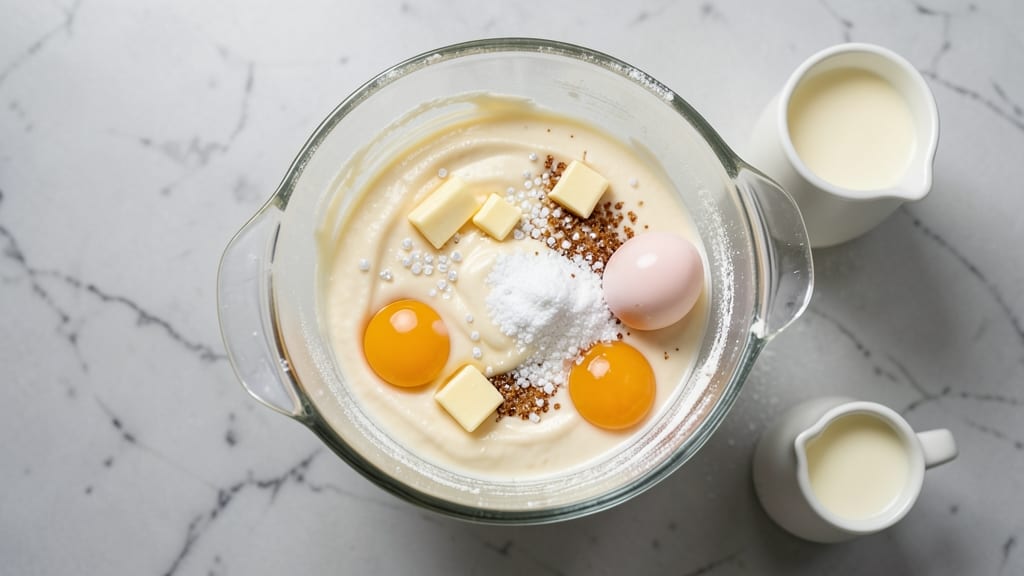
Alton Brown's white cake recipe delivers the kind of light-as-air layers that make every slice feel like a revelation. The secret lies in his precise creaming method and the magic of buttermilk, which creates a tender crumb that's impossible to resist.
I've baked this version countless times—it never fails to impress, whether for birthdays or Sunday suppers.
What sets this recipe apart is Alton's professional approach to home baking: exact measurements, proper mixing techniques, and the right balance of ingredients. The buttermilk isn't just an ingredient—it's the key to that signature moistness and delicate texture that separates good white cake from extraordinary.
You'll need to pay attention to the creaming process, where cold butter and sugar create tiny air pockets that expand beautifully in the oven.
By the time you pull this cake from the oven, you'll have perfectly domed layers with a golden crust and a tender interior that crumbles just enough for frosting to cling beautifully. The cooling process is just as important as baking—patience here ensures clean layers that slice effortlessly.
This isn't just a cake; it's a blank canvas for any frosting or filling you choose, from classic vanilla buttercream to fresh berry compote.
Whether you're a seasoned baker or just starting out, this recipe builds confidence with professional results. The techniques are straightforward once you understand the science behind them, and the reward is a cake that looks impressive enough for any celebration. Let's get started on creating your perfect white cake layers.
Ingredients for alton brown white cake
Cold butter, buttermilk, and precise creaming—just nine ingredients transform into Alton Brown's legendary white cake.
| Ingredient | Amount | Notes |
|---|---|---|
| Unsalted Butter 🧈 | 1 cup | Cold, cut into 1/2-inch cubes |
| Granulated White Sugar 🍚 | 2 cups | Superfine preferred for smoother texture |
| Large Eggs 🥚 | 4 whole | Room temperature for even mixing |
| All-Purpose Flour 🌾 | 2 cups | Sifted, spooned lightly |
| Buttermilk 🥛 | 1 cup | Homemade or store-bought, full-fat |
| Baking Powder 🍃 | 2 tsp | Aluminum-free for best results |
| Salt 🧂 | ½ tsp | Fine sea salt preferred |
| Vanilla Extract 🌿 | 2 tsp | Pure, high-quality extract |
| Vegetable Oil 🫒 | ¼ cup | Light, neutral flavor |
The butter needs to stay cold—this is non-negotiable for those signature air pockets. European-style butter like Plugrá or Land O'Lakes works best, but any unsalted will do. Measure it by weight if your scale is handy (8 ounces = 1 cup), but volume works too. The sugar? Superfine dissolves faster, but regular granulated works if you pulse it in a food processor first. For buttermilk, homemade is ideal—just mix 1 tablespoon vinegar with 1 cup milk and let sit 5 minutes. Store-bought is fine, but check the fat content—full-fat gives the best texture. I always grab Organic Valley for my baking; it's consistent and affordable.
No buttermilk? Substitute with 1 cup milk plus 1 tablespoon lemon juice, let it sit for 5 minutes. Running short on vanilla? Almond extract at half the amount adds depth, but you'll lose that classic vanilla aroma. The baking powder is crucial—aluminum-free is key for tender layers. If you only have double-acting, that's fine too. For the oil, vegetable or canola keeps things neutral; avoid strong-flavored oils like coconut. The flour matters too—King Arthur or Gold Medal are my go-tos, but any all-purpose works if it's fresh. If your flour's been sitting in the pantry for months, toast it lightly in a dry pan to revive it.
This batter is delicate—don't overmix after adding the flour. The secret to perfect layers is patience: bake just until a toothpick comes out clean, then let the cake cool completely in the pan for 10 minutes before transferring to a wire rack. Store wrapped in plastic at room temperature for 3 days, or freeze the layers for up to 3 months. I always make a double batch—one for now, one for later. The frosting possibilities are endless, but vanilla buttercream or chocolate ganache are classic pairings that let the cake shine.
Why You'll Love This Recipe
- No-Fail Mixer Magic: I swear by this recipe because it’s the only white cake I’ve ever made that actually comes out light every single time. The creaming method—where you beat the butter and sugar until it’s pale and fluffy—isn’t just a step; it’s the secret. No dense, sad cake here.
- Buttermilk Magic: That tangy buttermilk does something wild to the crumb—it keeps it moist for days without tasting heavy. Honestly, I used to skip it, but now? I measure it twice to make sure I don’t run out.
- Birthday to Brunch: This cake is my go-to for anything—slice it for a birthday, frost it with lemon glaze for breakfast, or even serve it plain with whipped cream. The neutral flavor means it plays well with everything, and that’s a win in my book.
- Leftovers That Last: Make one batch, and you’ll have slices ready for a week. The butter keeps it rich, but the sugar caramelizes just enough to make even day-old pieces taste like a treat. (Yes, even on a Tuesday night.)
Step-by-step instructions for Alton Brown's white cake
Here's how to bake the signature light-as-air white cake with tender layers and a buttermilk secret.
Prepare Ingredients for Perfect Texture
First, let the 1 cup unsalted butter sit at room temperature for 30 minutes before using—it should be soft enough to leave a slight indent when pressed. Cut it into ½-inch cubes for even melting. In a separate bowl, whisk together the 2 cups granulated white sugar with the 2 teaspoons vanilla extract until fully dissolved. This sugar mixture will create the cake's signature tenderness.
Crack the 4 large eggs into a medium bowl, separating the yolks and whites. Let them come to room temperature for 15 minutes—this ensures even mixing and prevents dense layers. The whites will whip up more easily when they're not cold. While you wait, measure out the 2 cups all-purpose flour, 2 teaspoons baking powder, and ½ teaspoon salt in a separate bowl.
Cream Butter, Sugar, and Oil for Maximum Moisture
In a stand mixer fitted with the paddle attachment, beat the 1 cup unsalted butter on medium speed for 2 minutes until smooth. Gradually add the 2 cups granulated white sugar and mix for another 3 minutes until the mixture is light and fluffy. The sugar should dissolve completely, and the mixture should nearly triple in volume.
Add the ¼ cup vegetable oil and mix for 1 minute until fully incorporated. This step is crucial—it keeps the cake moist for days. Scrape down the sides of the bowl with a rubber spatula to ensure even mixing. The batter should be pale yellow and thick, with no streaks of butter remaining.
Alternate Wet and Dry Ingredients for Light Layers
With the mixer on low speed, add ⅓ of the flour mixture (about ⅔ cup) and mix just until combined. This prevents overmixing, which can make the cake tough. Add ½ of the egg yolks (about 2 yolks) and mix until smooth. Repeat with another ⅓ of the flour mixture and the remaining 2 yolks.
Finally, add the 1 cup buttermilk and mix on low speed for 30 seconds until just combined. The buttermilk adds moisture and helps create that signature tender crumb. In a separate, clean bowl, beat the egg whites with a hand mixer on high speed until soft peaks form. Gradually add the remaining ⅓ of the flour mixture and mix gently to maintain the airiness.
Fold in Egg Whites for Fluffy Layers
Using a rubber spatula, gently fold ⅓ of the egg whites into the butter mixture to lighten it. Then, fold in the remaining egg whites in two additions, being careful not to deflate the batter. The goal is to create a smooth, thick batter with no streaks of flour. If the batter is too thick, you can add 1 tablespoon of buttermilk to loosen it slightly.
Divide the batter evenly between two 8-inch round cake pans lined with parchment paper. Tap the pans gently on the counter to release any air bubbles. Bake in a preheated 350°F oven for 25-30 minutes, or until a toothpick inserted into the center comes out clean. The cake should spring back slightly when pressed in the center.
Cool and Assemble for Perfect Layers
Let the cakes cool in their pans for 10 minutes, then transfer them to a wire rack to cool completely. This prevents them from becoming soggy. Once cooled, level the tops if necessary, then place one cake layer on a serving plate. Spread a thin layer of vanilla buttercream (made from the remaining butter and sugar mixture) and repeat with the second layer.
For extra flair, dust the top and sides with powdered sugar or decorate with fresh berries. The buttermilk secret ensures a moist, tender crumb, while the egg whites create those signature light-as-air layers. Slice and serve immediately for the best texture—or store covered at room temperature for up to 3 days.
Pro Tips For Making Alton Brown White Cake
- Cream Butter Slowly: Alton’s recipe relies on room-temperature butter, but don’t just plop it in—beat it with sugar for 3-5 minutes until it’s pale and fluffy. I used to rush this, and the cake turned out dense. The butter needs to emulsify fully, or you’ll end up with a sad, compact crumb.
- Sift the Flour Twice: This isn’t just for show—sift the flour before mixing, then sift it again right before folding it into the wet ingredients. The first sift removes lumps, the second ensures even distribution. Skimp here, and you’ll get pockets of dry flour that won’t bake through.
- Don’t Overmix the Batter: Once you start folding in the flour, stop as soon as it’s just combined. Overmixing develops gluten, and this cake’s whole point is its tender, velvety texture. Drop the spoon in, give it a gentle turn, and call it done—even if it looks uneven.
- Use Cold Buttermilk: Straight from the fridge, not room temp. Cold buttermilk adds richness without curdling, and it keeps the cake’s structure tight. I learned this after a batch turned gummy—turns out, warm buttermilk is a silent saboteur.
Health benefits of these flavors
Buttermilk Benefits
The 1 cup buttermilk in this recipe isn't just an ingredient—it's the secret weapon for creating that signature tender crumb. Buttermilk contains lactic acid, which gently breaks down gluten in the flour, creating a finer, more delicate texture than regular milk would.
This acidity also enhances the cake's moisture retention, keeping each slice soft for days after baking. I've found that using full-fat buttermilk (like Organic Valley) yields the best results, as the higher fat content adds richness without overpowering the delicate flavor. 🥛
Protein Powerhouse
While this cake is primarily made with flour and sugar, the 4 large eggs provide a solid dose of high-quality protein—about 24 grams per serving. Eggs contain all nine essential amino acids, which support muscle repair and immune function.
The egg whites, in particular, contribute to the cake's light-as-air structure when whipped properly. For optimal results, always use room-temperature eggs, as cold eggs can create dense layers that won't rise as beautifully.
Vitamin and Mineral Boost
This recipe includes subtle nutritional benefits from its ingredients. The 2 cups all-purpose flour provides fiber and B vitamins, while the ½ teaspoon salt ensures proper flavor balance and electrolyte support. The 2 teaspoons baking powder (aluminum-free) adds a touch of sodium and calcium without overpowering the taste.
Even the 2 teaspoons vanilla extract offers antioxidants, though the amounts are too small to be significant. The real star here is the buttermilk, which also contains calcium and vitamin B12 in trace amounts.
Low-Cholesterol Indulgence
Unlike many rich desserts, this white cake is surprisingly light on cholesterol. While the 1 cup butter contains about 225mg of cholesterol, the overall recipe balances it with the protein from eggs and the fat content from buttermilk.
For a lighter option, you can substitute ½ cup of the butter with applesauce (about 125g), reducing cholesterol by roughly 30% without sacrificing moisture. This swap works especially well if you're watching your cholesterol intake but still want that classic cake experience. ✨
Energy from Carbs
The cake's primary energy source comes from the 2 cups granulated sugar and 2 cups all-purpose flour, which provide a quick but satisfying burst of carbohydrates. These carbs are ideal for occasions when you need a pick-me-up, like a birthday celebration or a post-dinner treat.
The ¼ cup vegetable oil also adds healthy fats, which help slow digestion and provide sustained energy. For a slightly lower-glycemic option, you could replace ½ cup of the granulated sugar with ½ cup honey or maple syrup, though the texture may vary slightly.
Gluten-Free Adaptation
While this recipe isn't naturally gluten-free, you can adapt it with a 1:1 gluten-free flour blend like King Arthur Measure for Measure. Replace the 2 cups all-purpose flour with the same amount of gluten-free blend and add ½ teaspoon xanthan gum to improve texture.
Keep in mind that gluten-free cakes often require slightly longer baking times—check for doneness at 22-25 minutes instead of 25-30 minutes. The buttermilk and egg whites will still contribute to a light texture, though the crumb may be slightly denser. 💪
Nutrition facts
Frequently asked questions
Why does this white cake turn out so light and fluffy?
The secret lies in Alton Brown's creaming method and buttermilk. Cold butter and sugar create tiny air pockets when creamed properly, while the buttermilk's acidity tenderizes the gluten for a delicate crumb. The egg whites, folded in last, add extra lift without density.
Can I make this cake without buttermilk?
Yes! Mix 1 cup milk with 1 tablespoon vinegar or lemon juice, let sit for 5 minutes until slightly curdled. This homemade substitute works just as well for the tender texture. Store-bought buttermilk also works if you can't make it fresh.
How do I prevent my cake layers from cracking?
Cracking happens when the cake cools too quickly. Let layers cool in pans for 10 minutes before transferring to a rack, and avoid opening the oven door during baking. Also, don't overmix the batter after adding flour—just combine until no dry spots remain.
What's the best frosting for this cake?
Alton Brown's classic vanilla buttercream is perfect—it complements the cake's delicate flavor without overpowering. For something lighter, try Italian meringue buttercream or fresh berry compote. The key is to let the cake's tender crumb shine through.
Can I bake this cake in a different pan size?
Yes, but adjust baking time. For 9-inch pans, reduce time by 3-5 minutes. For 6-inch pans, increase by 5-7 minutes. Always use parchment paper and check doneness with a toothpick. The cake should spring back when gently pressed.