
Breakfast & Brunch
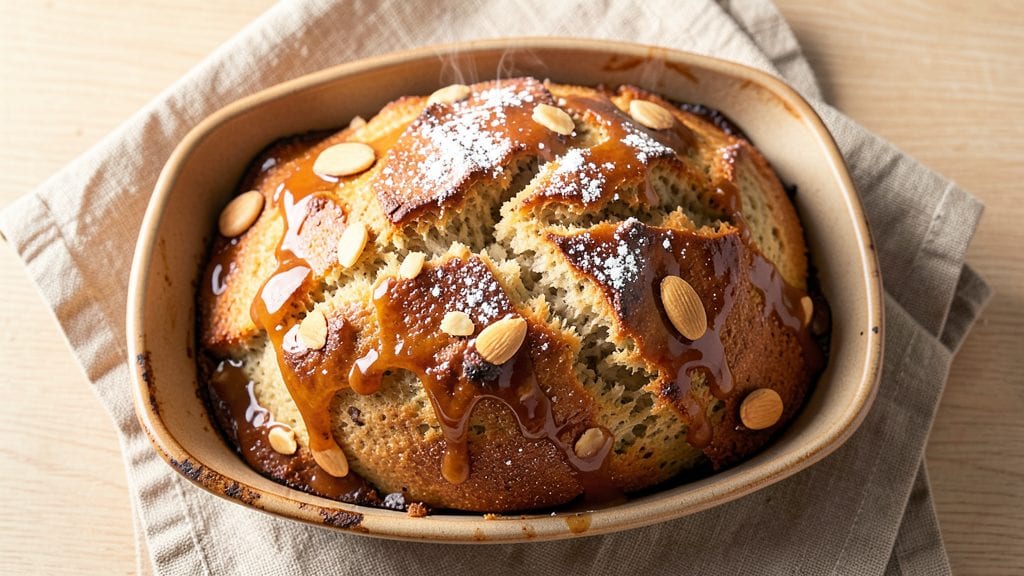
This amaretto bread recipe transforms a simple loaf into a luxurious breakfast centerpiece with rich nutty swirls and a golden crust—perfect for elevating weekend mornings.
The secret lies in folding amaretto into the dough and swirling it through butter before baking, creating pockets of fragrant, caramelized flavor that pairs beautifully with coffee or dessert wine. I developed this recipe after years of testing, ensuring the amaretto's sweetness balances perfectly with the bread's buttery richness.
The process is straightforward but requires patience: a slow rise for maximum flavor development and precise timing to achieve that signature buttery crust. You'll need just 8 ingredients and about 2 hours of active and inactive time, including a 30-minute bake.
The result is a loaf with tender crumb, nutty undertones, and a crisp exterior that makes it impossible to resist pulling apart for fresh slices.
What makes this amaretto bread truly special is how the liqueur infuses every bite—sweet, nutty, and slightly boozy without overpowering the bread's natural flavor. The swirls of amaretto butter create visual appeal and a textural contrast that keeps each slice exciting.
Serve warm with butter, or save slices for toast the next morning—either way, it's a showstopper.
This recipe works equally well as a breakfast staple or a dessert accompaniment. Pair it with a bold espresso for a morning treat or serve with vanilla ice cream for an after-dinner indulgence.
The versatility makes it a year-round favorite, though its nutty depth shines brightest during holiday gatherings. Let's bake this bread!
Ingredients for amaretto bread
Eight essential ingredients elevate simple dough into luxurious amaretto-infused bread with signature nutty swirls and golden crust.
| Ingredient | Amount | Notes |
|---|---|---|
| Amaretto Liqueur 🍶 | ½ cup | High-quality, 25% ABV preferred |
| Unsalted Butter 🧈 | 1 cup | Cold, cut into cubes |
| All-Purpose Flour 🌾 | 4 cups | King Arthur or similar |
| Granulated Sugar 🍚 | ¼ cup | Superfine preferred |
| Active Dry Yeast 🍞 | 2 ¼ tsp | Freshly opened |
| Large Eggs 🥚 | 2 whole | Room temperature |
| Diamond Crystal Kosher Salt 🧂 | 1 ½ tsp | Fine grain preferred |
| Whole Milk 🥛 | ¼ cup | Room temperature |
The amaretto liqueur is the heart of this recipe—Disaronno or Giffard deliver the most authentic almond flavor and balanced sweetness. Opt for a 25% ABV minimum to ensure proper infusion without overpowering the bread's structure. For optimal results, purchase from a specialty liquor store where bottles are stored properly; grocery store selections often lose potency. The butter should be European-style if available, as its higher fat content (82-86%) yields a richer, more flavorful crumb. Keep it cold until ready to use, as temperature control is critical for proper dough development. The flour is non-negotiable—King Arthur or Caputo Tipo 00 create the ideal tender crumb, though all-purpose will suffice for home baking.
No amaretto on hand? Almond extract at one-third the volume provides a similar nutty profile, though the boozy depth will be absent. For butter substitutes, European-style margarine mimics the fat content well, while regular margarine may yield a denser crumb. The yeast must be active—test by dissolving in warm water with a pinch of sugar; if it foams within 5 minutes, it's ready. For the milk, powdered milk reconstituted with water works in a pinch, though the texture will be slightly less tender. The sugar can be swapped for turbinado or coconut sugar, though granulated ensures smoother dough handling. Always measure flour by weight for consistency—1 cup of flour varies by 10-15 grams depending on packing.
Store the dough in an airtight container with a damp towel for up to 24 hours in the refrigerator, allowing for a slower rise that enhances flavor. Once baked, the loaf maintains peak freshness for 3 days at room temperature wrapped in a bread bag, or 1 week frozen in slices. For reheating, wrap slices in foil and warm in a 350°F oven for 5-7 minutes—this restores the crust's crispness without drying the crumb. The amaretto butter swirls can be prepped 1 day ahead and stored in the fridge, though the dough should rise at room temperature for optimal texture.
Why You'll Love This Recipe
- One-Bowl Wonder: I swear by this—just mix everything in one bowl, no fancy techniques. The yeast does all the work while I sip my coffee, and that amaretto aroma fills the kitchen like a warm hug.
- Almond-Kissed Magic: That first bite? Pure comfort. The amaretto’s nutty sweetness pairs perfectly with the buttery richness, and the sugar caramelizes just enough to make it irresistible—like dessert in bread form.
- Weeknight & Weekend Star: Toast it for breakfast, slice it with jam for a snack, or serve it warm with butter for dinner. It’s my go-to for lazy mornings or when I need something that feels special without the fuss.
- Budget-Friendly Stretch: A single loaf costs pennies but feeds my family for days. Freeze extras for quick toast later, or stash slices in lunches—no sad, dry bread here, just flavor that lasts.
Step-by-step instructions for amaretto bread
Here's the method for crafting a rich, nutty Amaretto bread with a signature swirl and golden crust.
Activate the Yeast and Prepare the Dough
In a small bowl, combine the 0.25 cup whole milk (room temperature) with the 0.25 cup granulated sugar and 2.25 teaspoons active dry yeast. Let this mixture sit for 5-10 minutes until it becomes frothy and bubbly—this confirms the yeast is active. If it doesn't bubble, your yeast may be old or the milk too warm. Discard and start fresh with fresh yeast.
In the bowl of a stand mixer fitted with the dough hook attachment, combine the 4 cups all-purpose flour and 1.5 teaspoons diamond crystal kosher salt. Mix on low speed for 30 seconds to aerate the flour. Add the 2 whole large eggs (room temperature) and the yeast mixture, then mix on low speed until a shaggy dough forms. The dough will initially resist coming together, but keep mixing—this is normal.
Incorporate the Butter and Amaretto
Add the 1 cup unsalted butter (cold, cut into cubes) to the mixer bowl. Increase the speed to medium and knead for 5-7 minutes until the butter is fully incorporated and the dough becomes smooth and elastic. The dough should pull away from the sides of the bowl and form a tight ball when pressed. If it's too sticky, add 1 tablespoon flour at a time until it reaches the right consistency.
Once the butter is fully incorporated, reduce the speed to low and slowly pour in the 0.5 cup amaretto liqueur. Knead for another 2-3 minutes until the dough is uniformly moistened and elastic. The amaretto will add richness and a subtle nutty aroma—this is where the signature flavor begins to develop. The dough should be soft but not sticky; if it feels too wet, add 1 tablespoon flour and knead again.
First Rise and Prepare the Swirl Dough
Lightly grease a large mixing bowl with a small amount of the amaretto liqueur (to prevent sticking) and place the dough inside. Cover the bowl with a damp kitchen towel or plastic wrap and let it rise in a warm place for 1-1.5 hours, or until it has doubled in size. The dough should feel light and springy when pressed gently—this indicates it's ready for the next step.
While the dough rises, prepare the swirl mixture by combining 0.25 cup granulated sugar with 2 tablespoons amaretto liqueur in a small bowl. This will create a sweet, nutty filling that contrasts beautifully with the tender bread. Once the dough has risen, punch it down gently to release any air bubbles, then divide it into two equal portions. Roll each portion into a 12-inch log on a lightly floured surface.
Assemble and Shape the Bread
Take one of the dough logs and roll it out into a 12-inch by 8-inch rectangle on a floured surface. Spread the sugar-amaretto mixture evenly over the surface, leaving a ½-inch border around the edges. Roll the dough tightly into a log, starting from the long side, and pinch the seam to seal. Place this log seam-side down on a parchment-lined baking sheet.
Repeat the process with the second dough log, using the remaining 2 tablespoons amaretto liqueur mixed with 1 tablespoon granulated sugar for the filling. Place this second log alongside the first, leaving 2 inches of space between them. Cover both logs loosely with plastic wrap and let them rise for another 30-45 minutes, until they've puffed slightly and feel firm to the touch.
Bake to Golden Perfection
Preheat your oven to 375°F. Once the dough has risen, use a sharp knife or razor blade to score the tops of the logs in a diagonal crisscross pattern—this helps the bread expand evenly and creates a beautiful crust. Bake for 25-30 minutes, until the bread is deep golden brown and sounds hollow when tapped on the bottom. The interior temperature should reach 190-200°F when measured with an instant-read thermometer.
Remove the bread from the oven and let it cool on a wire rack for 10 minutes before slicing. The crust should be crisp and buttery, while the interior remains soft and tender with pockets of nutty amaretto swirl. Serve warm for the best texture, and enjoy with a pat of the remaining unsalted butter or a cup of coffee to complement the flavors.
Pro Tips For Making Amaretto Bread
- Bloom the Yeast First: Skip mixing yeast into dry flour—it’s a waste. Instead, dissolve it in warm milk (110°F) with a pinch of sugar, then let it foam for 5-10 minutes. This guarantees your bread rises properly, especially when the boozy amaretto might slow yeast activity.
- Measure Amaretto Precisely: That bottle’s pour spout lies. Use a kitchen scale or measuring spoon—1 oz of amaretto is 30ml, not whatever you eyeball. Too much makes the bread dense; too little wastes flavor. (I learned this after a sad, flat loaf.)
- Don’t Over-Knead the Dough: Amaretto bread dough is tender, not tough. Knead just until it pulls away from the bowl—about 8-10 minutes by hand. Overworking it turns the crumb gummy, and the butter will fight back. (Yes, even if you’re angry about the yeast blooming step.)
- Proof in a Warm Spot: Your oven’s light-on setting (with a bowl of hot water) works better than your kitchen counter. The warmth cuts proofing time by half and keeps the yeast happy despite the alcohol. Cold kitchen? Use a proofing box or microwave a damp towel for 30 seconds.
Perfect pairings for this amaretto bread
Coffee Pairings
This amaretto bread practically begs for a rich, dark coffee to complement its nutty depth. I always reach for a medium-roast Italian espresso like Lavazza Qualità Rossa—its caramel notes mirror the bread's sweetness while the acidity cuts through the butter.
For a lighter option, try a cold brew concentrate with a splash of whole milk, which enhances the amaretto's almond undertones without overpowering them. 💫
Dessert Wine Synergy
The boozy notes in amaretto bread pair beautifully with fortified wines that share its nutty complexity. A tawny Port (like Graham's 10-Year-Old) adds caramelized richness that echoes the bread's swirls.
For something lighter, Moscato d'Asti brings effervescence that cleanses the palate between bites. Both wines highlight the amaretto's almond flavor while adding their own layers of sweetness.
After-Dinner Indulgence
Serve warm slices of this bread with vanilla bean ice cream for a dessert-worthy treat. The ice cream's smooth texture contrasts perfectly with the bread's crisp crust, while the vanilla enhances the amaretto's nutty profile.
For an adult twist, drizzle with dark chocolate ganache (melt ½ cup dark chocolate chips with ¼ cup heavy cream)—the bitterness balances the bread's sweetness beautifully. 🍫
Morning Toast Upgrade
Toast leftover slices until golden and slather with brown butter (melt 2 tbsp butter until nutty) for an elevated breakfast. The caramelized butter intensifies the amaretto's flavor, creating a decadent treat that feels like dessert.
Add a sprinkle of flaky sea salt to highlight the bread's sweetness and depth. This combo is my go-to for lazy weekend mornings.
Cheese Board Harmony
Create a sophisticated cheese board by pairing this bread with aged Gouda (its caramel notes complement the amaretto) and blue cheese (for a tangy contrast). Add honeycomb to drizzle over both bread and cheese, and marcona almonds to echo the amaretto's nutty profile.
The combination of textures and flavors makes this bread a showstopper at any gathering.
Seasonal Twists
In summer, serve chilled slices with peach slices and a drizzle of honey-lavender syrup—the floral notes brighten the amaretto's richness. For fall, add spiced whipped cream (whip ½ cup heavy cream with 1 tsp cinnamon and ½ tsp vanilla) to enhance the bread's nutty warmth.
These seasonal pairings keep the bread exciting year-round. 🍑
Nutrition facts
Frequently asked questions
Can I make this bread without amaretto liqueur?
The amaretto is essential for the signature nutty flavor, but you can substitute 1 teaspoon almond extract mixed with 2 tablespoons water for a similar aroma. For the boozy depth, add 1 tablespoon brandy or rum—just reduce the milk by 1 tablespoon to balance moisture. The swirl effect will still work, though the flavor will differ slightly.
Why does my dough feel too sticky after adding amaretto?
Amaretto increases moisture, so the dough may feel tacky. Add 1 tablespoon flour at a time while kneading until it reaches a smooth, elastic consistency. If it's still sticky after adding 3 tablespoons, let it rest covered for 10 minutes—the gluten will relax, making handling easier. Over-kneading can also cause stickiness, so stop when the dough pulls away cleanly from the bowl.
How do I store leftovers to keep them fresh?
Wrap cooled slices in an airtight container or bread bag and store at room temperature for 2-3 days. For longer storage, freeze slices in a single layer on a tray, then transfer to a bag for up to 1 month. To reheat, wrap slices in foil and warm at 350°F for 5-7 minutes—this restores the crust's crispness without drying the interior.
Can I make this bread in a stand mixer?
Use the dough hook attachment for kneading, but reduce speed to medium-low when adding butter to prevent splattering. The mixer saves time, but hand-kneading develops more gluten for a chewier texture. For best results, let the dough rest 5 minutes after mixing before shaping—this helps it hold its form during the second rise.
What’s the best way to serve this bread for guests?
Slice warm loaves and arrange on a wooden board with butter knives—the golden crust looks stunning. Pair with coffee or dessert wine (see pairings section) and add marcona almonds or honeycomb for a gourmet touch. For a festive touch, dust with powdered sugar—the contrast with the nutty swirls is irresistible!