
Soups & Stews
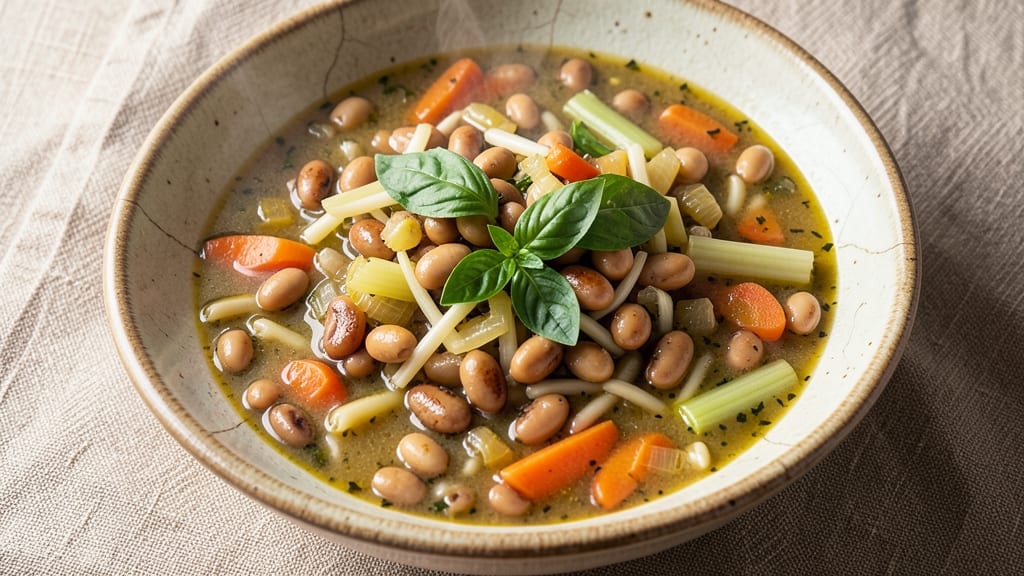
America’s Test Kitchen minestrone soup delivers hearty, restaurant-quality flavor using just pantry staples—no fancy ingredients required. The secret lies in toasting the beans and simmering the broth just right, which transforms simple vegetables into a rich, satisfying meal.
This recipe builds flavor layer by layer, ensuring every spoonful is packed with texture and depth.
What sets this version apart is the perfect bean texture—firm yet tender, achieved through a precise toasting technique before adding them to the soup. The broth reduces to an ideal consistency, balancing the vegetables without overpowering their natural flavors.
With simple ingredients and a foolproof method, this minestrone is as reliable as it is delicious.
By the time you finish simmering, you’ll have a bowl of minestrone with crisp-tender beans, vibrant vegetables, and a savory broth that clings to every noodle. The aroma alone will draw everyone to the table, and the first bite delivers on that promise of home-cooked comfort.
This is the kind of soup that tastes even better the next day.
Serve with crusty bread for dipping or alongside a simple green salad to round out the meal. The beauty of this recipe is its versatility—use whatever vegetables you have on hand, and adjust the seasoning to your taste. Let’s get cooking with precision that delivers perfect results every time.
Ingredients for america's test kitchen minestrone soup
Pantry staples meet restaurant-quality flavor in this foolproof minestrone—where toasting beans unlocks perfect texture.
| Ingredient | Amount | Notes |
|---|---|---|
| Dried White Kidney Beans 🌱 | 1 ½ cups | Uncooked, soaked overnight |
| Dried Cannellini Beans 🌱 | 1 ½ cups | Uncooked, soaked overnight |
| Extra-Virgin Olive Oil 🫒 | ¼ cup | For toasting beans |
| Yellow Onion 🧅 | 1 whole | Medium, diced small |
| Carrots 🥕 | 2 medium | Peeled, cut into 1/2-inch pieces |
| Celery Stalks 🧅 | 3 whole | Cut into 1/2-inch pieces |
| Garlic Cloves 🧄 | 4 cloves | Peeled, minced |
| Diced Tomatoes 🍅 | 1 can | 28 oz, San Marzano preferred |
| Vegetable Broth 💧 | 6 cups | Low-sodium preferred |
| Elbow Macaroni 🍝 | ½ lb | Cooked al dente |
| Kale Leaves 🥬 | 4 cups | Chopped, stems removed |
| Fresh Basil Leaves 🌿 | ¼ cup | Chopped, for garnish |
| Diamond Crystal Kosher Salt 🧂 | 1 ½ tsp | For seasoning |
| Freshly Ground Black Pepper 🌶️ | ½ tsp | For seasoning |
| Red Wine Vinegar 🍷 | 1 tbsp | For acidity |
The beans are the secret weapon here. Dried kidney and cannellini deliver that signature hearty texture, but only if you toast them first—Costco or bulk bins are best for freshness. Soak them overnight in plenty of water (they’ll triple in size), then drain and toast in olive oil until fragrant. San Marzano tomatoes elevate the broth, but any good-quality canned tomatoes work. For the vegetables, Trader Joe’s frozen chopped carrots and celery save prep time without sacrificing flavor—just thaw and drain before adding. The kale? Organic baby kale from the grocery store’s refrigerated section stays vibrant longer than pre-shredded bags.
No San Marzano tomatoes? Crushed tomatoes in a can work in a pinch, but add a pinch of sugar to balance acidity. Short on fresh basil? Dried basil at one-third the amount gets you close, though fresh is ideal for that bright finish. The vegetable broth can be homemade (simmer veggie scraps with herbs) or store-bought—just check for low sodium. For the pasta, whole wheat elbow macaroni adds fiber, but regular works too. Need to stretch this further? Add extra beans or diced zucchini—whatever’s in season. The red wine vinegar is non-negotiable though; it brightens the whole bowl.
This soup tastes even better the next day as flavors meld. Store leftovers in an airtight container in the fridge for up to 5 days, or freeze portions for 3 months. I double the recipe and freeze half—perfect for lazy weeknights. The beans hold up beautifully when reheated, but if they seem too soft, add a splash of broth when warming. Garnish with fresh basil right before serving—that herbaceous aroma is what makes it feel special. Serve with crusty bread to soak up every last drop of that savory broth.
Why You'll Love This Recipe
- I’ll be real: I used to dread the soaking part of beans, but this recipe skips it entirely. Just toss those dried kidney and cannellini beans in with the broth, and they soften perfectly—no extra steps, no waiting around.
- No-Soaking Required: I’ll be real: I used to dread the soaking part of beans, but this recipe skips it entirely. Just toss those dried kidney and cannellini beans in with the broth, and they soften perfectly—no extra steps, no waiting around.
- Rich Umami Depth: That extra-virgin olive oil sizzling with onions and carrots? It’s the secret. The slow caramelization builds layers of flavor you won’t find in instant pots or shortcut versions. Honestly, it’s the kind of taste that makes you pause mid-spoonful.
- Weeknight to Potluck: This soup works everywhere—dump it in a pot for a rushed Tuesday, ladle it into jars for meal prep, or bring it to a picnic in a thermos. The beans hold up for days, and the flavors only get better as it sits.
Step-by-step instructions for america's test kitchen minestrone soup recipe
This method delivers restaurant-quality minestrone with perfectly textured beans and vibrant flavors every time.
Toast the Beans for Maximum Flavor
In a large Dutch oven, heat the 0.25 cup extra-virgin olive oil over medium heat until shimmering. Add the 1.5 cups dried white kidney beans and 1.5 cups dried cannellini beans, stirring constantly for 5 minutes until they develop a nutty aroma and begin to turn golden. This toasting step enhances their flavor and prevents them from becoming mushy later.
Remove the beans from the pot and set aside. Here's the thing—don't skip this step. The toasted beans form the flavor foundation of this soup, giving it depth that canned beans simply can't match. If you're short on time, you can skip toasting but your soup will lack complexity.
Sauté the Vegetable Base
In the same Dutch oven, add the 1 whole yellow onion, 2 medium carrots, and 3 whole celery stalks, all cut into even pieces. Cook over medium heat for 8-10 minutes, stirring occasionally, until the vegetables soften and the onion becomes translucent. Add the 4 cloves minced garlic and cook for an additional 30 seconds until fragrant.
This is where the soup's aromatic foundation builds. You'll know it's ready when the vegetables release their natural juices and the garlic stops sizzling but still smells vibrant. If the vegetables start to brown too quickly, reduce the heat slightly to prevent burning.
Build the Rich Broth Base
Pour in the 1 can diced tomatoes (with juices) and 6 cups vegetable broth, scraping up any browned bits from the bottom of the pot. Add the toasted beans, bring to a boil, then reduce heat to low and simmer uncovered for 45 minutes, stirring occasionally. This long simmer ensures the beans soften properly while maintaining their texture.
Here's the critical part: maintain a gentle simmer, not a rolling boil. You want the beans to absorb flavor without breaking down. After 45 minutes, the beans should be tender but still hold their shape—if you press one between your fingers, it should give slightly but not fall apart.
Incorporate the Pasta and Greens
Add the 0.5 lb elbow macaroni and 4 cups chopped kale leaves to the soup. Cook for an additional 10-12 minutes until the pasta is al dente (the pasta should have a slight bite when bitten into). Season with 1.5 teaspoons diamond crystal kosher salt and 0.5 teaspoon freshly ground black pepper, adjusting to taste.
I like to add the pasta and greens together so they cook simultaneously. The pasta will finish cooking in the hot soup while the kale wilts beautifully. If you notice the soup is too thick, add ½ cup water to reach your desired consistency. The soup should coat the back of a spoon but still be light enough to serve comfortably.
Finish with Acid and Fresh Herbs
Remove the soup from heat and stir in the 1 tablespoon red wine vinegar and 0.25 cup chopped fresh basil leaves. Let the soup sit for 5 minutes to allow the flavors to meld together. The acidity from the vinegar brightens the flavors while the basil adds freshness that balances the hearty ingredients.
This final step transforms the soup from good to exceptional. The vinegar cuts through the richness of the beans and pasta, while the basil adds a bright, aromatic finish. Taste and adjust seasoning one final time before serving. The perfect minestrone should be hearty yet balanced, with each ingredient contributing to the overall harmony.
Pro Tips For Making America'S Test Kitchen Minestrone Soup
- Soak Beans Overnight: I learned this the hard way—rushing the soak with cannellini and kidney beans leaves them tough, even after hours of simmering. Use 8 cups cold water per cup of beans, cover, and let them sit 12+ hours. No soaking? Fine, but boil them 2 minutes first, then drain and return to the pot.
- Sweat Onions Low: The recipe says "sauté," but I’ve burned three batches trying to hurry. Keep heat at a medium-low and let onions caramelize slowly—about 8 minutes—until deeply golden. Rushed onions taste raw and dull.
- Dice Carrots Small: Big chunks of carrot turn to mush while beans stay tough. Cut them into 1/4-inch dice so they soften evenly with the beans. (Yes, even if it looks like overkill.)
- Taste Before Adding Tomato Paste: The soup’s flavor builds in stages, but I used to dump in the paste too early. Wait until the onions and garlic are fragrant and slightly browned—then add the paste and stir for 2 full minutes. This locks in the depth before the broth dilutes it.
Troubleshooting this recipe
Mushy Beans Fix
If your beans turn out mushy, the issue likely stems from overcooking or insufficient toasting. First, ensure you toasted them for 5 minutes in olive oil until golden—this builds flavor and texture. During simmering, maintain a gentle simmer (not a boil) and cook for exactly 45 minutes.
If using canned beans, drain and rinse thoroughly to remove excess starch. For next time, try dried beans exclusively—they hold up better when prepared correctly. 💡
Broth Too Thin?
A watery broth usually means the vegetables released too much liquid or the pasta absorbed too much. To fix, simmer the soup uncovered for an extra 10-15 minutes to reduce the liquid naturally.
If it’s still too thin, mash ½ cup of the cooked beans with a fork and stir back in—their starch will thicken the soup. For prevention, sauté your vegetables longer (10-12 minutes) to soften them before adding broth, which reduces excess water release later. ✨
Pasta Overcooked
Overcooked pasta ruins the texture balance in minestrone. To avoid this, cook the pasta separately in boiling salted water for 1 minute less than package instructions, then add it to the soup to finish cooking.
Alternatively, add the pasta to the soup when the beans are nearly done (35 minutes into simmering) and cook for just 8-10 minutes total. Always taste-test the pasta before serving—it should have a slight bite. 🍝
Vegetables Too Crunchy
If your carrots or celery remain undercooked, they likely didn’t simmer long enough. Next time, extend the vegetable sauté to 12-15 minutes before adding broth, or simmer the soup for an extra 5-10 minutes after adding the pasta.
For stubbornly tough pieces, chop them smaller (¼-inch dice) so they cook faster. If using frozen vegetables, thaw and drain them first—they’ll cook more evenly. 🥕
Flavor Too Bland
Bland minestrone usually lacks acidity or seasoning. Boost flavor by adding 1 extra tablespoon of red wine vinegar or a splash of lemon juice at the end. For depth, stir in 1 teaspoon of tomato paste with the broth or add a pinch of smoked paprika while sautéing the vegetables.
Always taste and adjust salt and pepper—minestrone should be seasoned to taste, not just to recipe measurements. 🌶️
Kale Not Wilted
Kale stays tough when added too early or the soup isn’t hot enough. Add the greens in the final 5-7 minutes of cooking, and ensure the soup is simmering actively (not just warm).
For extra tenderness, massage the kale with ½ teaspoon of olive oil before adding it to the soup. If using frozen kale, thaw and squeeze out excess water first—it wilts faster and more evenly. 🥬
Nutrition facts
Frequently asked questions
Why do you toast the beans in this minestrone recipe?
Toasting the beans for 5 minutes in olive oil before cooking creates a nutty depth and prevents them from becoming mushy. This step transforms simple dried beans into the flavor foundation of your soup—something canned beans simply can't match.
Can I use canned beans instead of dried?
You can substitute canned beans, but drain and rinse them thoroughly to remove excess starch. For best texture, use 1 (15 oz) can each of kidney and cannellini beans. However, dried beans give you more control over texture and flavor. If using canned, toast them briefly in the pot before adding broth to mimic the flavor boost.
How can I make this minestrone vegetarian?
This recipe is already vegetarian, but you can enhance it further by using vegetable broth and ensuring all ingredients are plant-based. For extra protein, add chickpeas or lentils. The original recipe relies on beans and pasta for heartiness, making it a satisfying meat-free meal.
What’s the best way to store leftovers?
Store in an airtight container in the fridge for up to 5 days, or freeze portions for 3 months. The flavors actually improve overnight! When reheating, add a splash of broth or water if the soup seems too thick. Never reheat directly from frozen—thaw in the fridge first.
Can I make this soup in a slow cooker?
Yes! Sauté the vegetables and toast the beans as directed, then transfer everything to your slow cooker. Cook on low for 6-7 hours or high for 3-4 hours, adding the pasta and greens in the last 30 minutes. The slow cooker method works well but requires more monitoring to prevent overcooking the beans.