Main Courses
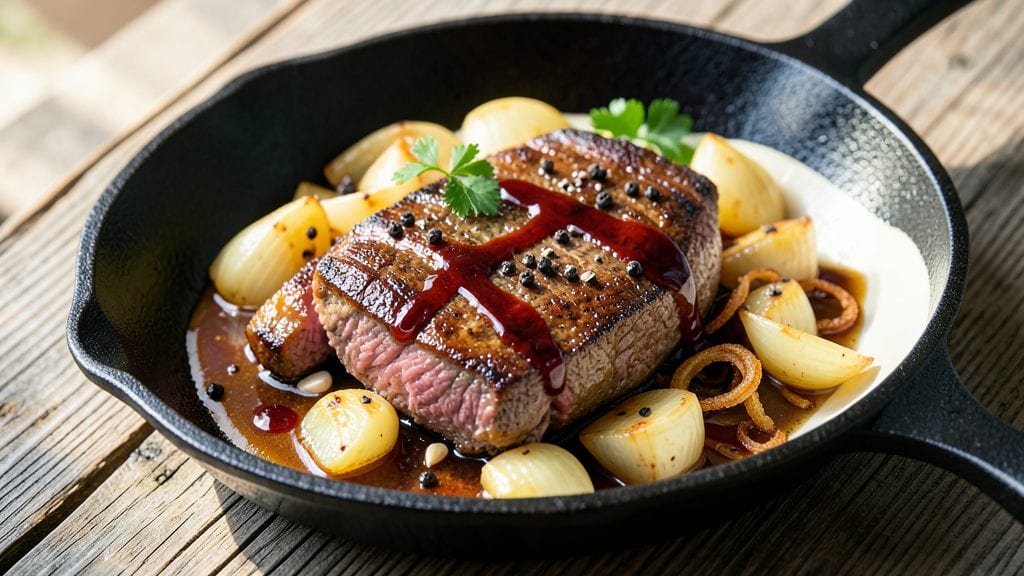
This Amish wedding steak recipe brings the hearty, comforting flavors of traditional Pennsylvania Dutch cuisine to your table, where slow-braised beef becomes the centerpiece of any celebration.
The secret lies in tenderizing the meat with sweet onions and a rich, tangy gravy that transforms tough cuts into melt-in-your-mouth perfection—just as Amish communities have done for generations.
What makes this dish special is its ability to feed a crowd while keeping prep manageable, making it ideal for gatherings where warmth and tradition matter most.
The cooking process is what sets this recipe apart—low and slow simmering unlocks deep, savory flavors while keeping the meat incredibly tender. Unlike quick searing methods, this approach ensures every bite is juicy and packed with the natural richness of the beef.
The sweet onions caramelize beautifully, adding a subtle sweetness that balances the tangy gravy, creating a harmony of flavors that feels both nostalgic and deeply satisfying.
By the time you serve this dish, you’ll have a steak so tender it nearly falls apart, swimming in a glossy gravy that clings to each forkful. The aroma alone will draw everyone to the table, while the texture—perfectly tender beef with crisp edges—makes every bite worth the wait.
This is the kind of meal that turns ordinary gatherings into memorable feasts, just like at an Amish wedding.
Pair it with classic sides like mashed potatoes, buttery corn, or fresh-baked bread to complete the experience. The beauty of this recipe is its versatility—it works for family dinners or large celebrations, always delivering restaurant-quality results with a touch of homemade tradition.
Let’s get started on creating a dish that feels like a warm embrace on a plate.
Ingredients for amish wedding steak
Eight ingredients transform tough beef into melt-in-your-mouth perfection for any gathering.
| Ingredient | Amount | Notes |
|---|---|---|
| Beef Chuck Roast 🥩 | 4 lb | With good marbling, cut into 1.5-inch cubes |
| Yellow Onions 🧅 | 3 whole | Sweet variety, sliced into 1/2-inch pieces |
| Garlic Cloves 🧄 | 6 cloves | Peeled, smashed but not minced |
| Beef Broth 💧 | 3 cups | Low-sodium preferred, homemade or quality brand |
| Apple Cider Vinegar 🍎 | ½ cup | For tangy depth, not white vinegar |
| Worcestershire Sauce 🍶 | 2 tbsp | Traditional, not vegetarian substitute |
| Brown Sugar 🍚 | ¼ cup | Light or dark, packed |
| Dijon Mustard 🍯 | 1 tbsp | For subtle tang, not yellow mustard |
| All-Purpose Flour 🌾 | 2 tbsp | For gravy thickening |
| Black Peppercorns 🌶️ | 1 tsp | Freshly cracked, not ground |
| Bay Leaves 🍃 | 2 whole | Fresh if possible, removed before serving |
| Salt 🧂 | 1 ½ tsp | Kosher or sea salt, added gradually |
| Unsalted Butter 🧈 | 2 tbsp | For finishing gravy, cold |
The beef is everything here—chuck roast with visible marbling breaks down beautifully during slow cooking. Costco or local butcher shops usually carry it pre-cubed, which saves time. If you're buying a whole roast, ask for the chuck section and cube it yourself. Sweet onions are key—they caramelize into a natural sweetness that balances the tangy gravy. Look for yellow or Vidalia onions at the grocery store, or grab a bag of pre-sliced sweet onions to skip the chopping. The garlic? Fresh is non-negotiable—jarred garlic has no flavor here.
No beef broth? Water plus 1 tbsp soy sauce works in a pinch, but homemade is best. Apple cider vinegar adds that signature tang—substitute lemon juice at half the amount if you're out. The brown sugar isn't just for sweetness; it helps caramelize the onions and beef. Coconut sugar works too, but it's pricier. For the mustard, Dijon is traditional, but whole-grain mustard gives a nice texture contrast. The flour? All-purpose is fine, but if you've got cornstarch, use half the amount for a glossier gravy.
This dish tastes even better the next day—make extra if you've got leftovers. Store in an airtight container in the fridge for 5-6 days, or freeze portions for up to 3 months. I like to portion it into individual containers so it's ready for quick lunches. The gravy thickens as it cools, so just add a splash of beef broth when reheating. And trust me, the aroma alone will have everyone gathering at the table—this is comfort food at its finest.
Why You'll Love This Recipe
- One-Pot Magic: I swear by this recipe—just toss everything into a Dutch oven and let it simmer. No fancy techniques, no last-minute chopping frenzy. The onions caramelize right in the pot, and the vinegar cuts through the richness without extra effort.
- Deep, Tangy Richness: That beef chuck roast? It turns ridiculously tender, almost falling apart, while the apple cider vinegar adds this bright, tangy kick that balances the beef’s depth. Honestly, the first bite makes me close my eyes—it’s that good.
- Sunday Supper Hero: This is my go-to for big gatherings or lazy weekends. The leftovers reheat like a dream, and it feeds a crowd without breaking the bank. Between us, my in-laws always ask for seconds, and they’re not easy to please.
- Budget Stretch Star: A whole chuck roast costs less than half the price of steaks, and it stretches across meals. I’ll make this once and feed my family for days—sandwiches, salads, or just reheated with mashed potatoes. Practical? Absolutely. Delicious? Even more so.
Step-by-step instructions for Amish wedding steak
Here's how to turn tough beef into tender, sweet-and-savory perfection with just a Dutch oven.
Sear the Beef Chuck Roast
Heat a heavy Dutch oven over medium-high heat until hot. Add the 4 lb beef chuck roast cut into 1.5-inch cubes and sear undisturbed for 3-4 minutes until a deep golden brown crust forms on all sides. This step is crucial—it locks in flavor and creates that rich color we want in the finished dish.
Work in batches if needed to avoid crowding the pan. Once browned, transfer the beef to a plate and set aside. You'll want to keep it warm while you build the flavor base in the same pot.
Build the Flavor Base
In the same Dutch oven, add the 3 whole yellow onions sliced into ½-inch pieces and cook for 5-6 minutes until softened and slightly caramelized. Add the 6 peeled garlic cloves that you've smashed but not minced, and cook for another 30 seconds until fragrant.
Stir in the 0.5 cup apple cider vinegar, 2 tbsp Worcestershire sauce, and 0.25 cup packed brown sugar. Let this mixture bubble and reduce for 2 minutes until slightly thickened. This creates the sweet-tangy foundation that makes this dish so special.
Braise the Beef
Return the browned beef to the Dutch oven. Sprinkle with the 1.5 tsp salt and 1 tsp freshly cracked black peppercorns. Pour in the 3 cups beef broth, add the 2 whole bay leaves, and bring to a gentle simmer. The liquid should just cover about two-thirds of the beef.
Cover the pot tightly and transfer to a preheated 300°F oven. Braise for 3 hours, turning the beef occasionally to ensure even cooking. You're looking for fork-tender beef that pulls apart easily—this is where the magic happens.
Thicken the Gravy
After 3 hours, remove the beef from the pot and set it aside. Strain the braising liquid through a fine-mesh sieve into a clean pot to remove any impurities. Return the liquid to the Dutch oven over medium heat.
Whisk in the 2 tbsp all-purpose flour and 1 tbsp Dijon mustard. Cook for 3-4 minutes until the gravy thickens to a smooth, velvety consistency. Taste and adjust seasoning with additional salt if needed. The gravy should coat the back of a spoon and be rich enough to cling to the beef.
Finish and Serve
Return the beef to the Dutch oven and stir to coat in the gravy. Remove from heat and let it sit for 5 minutes. Just before serving, stir in the 2 tbsp cold unsalted butter for a silky finish.
Discard the bay leaves and serve immediately over mashed potatoes or crusty bread. The beef should be fork-tender with a rich, caramelized crust, and the gravy should be thick enough to coat each bite perfectly. This dish tastes even better the next day, so make extra if you can!
Pro Tips For Making Amish Wedding Steak
- Sear the Chuck Roast Hard: I used to treat this like a slow-cooker dump—just toss everything in and hope for the best. Wrong. Get that beef deep brown on all sides in a screaming-hot skillet or Dutch oven first. The crust locks in flavor and keeps the meat from drying out later. (Yes, even if you’re impatient like me—wait the 3-4 minutes per side.)
- Slice Onions Like a Pro: Thin, even strips—no big chunks—so they cook fast and caramelize properly. I learned this the hard way after serving a pot of soup with raw onion bits. Use a sharp knife and hold the onion flat on the cutting board, slicing lengthwise into half-moons. (Your future self will thank you.)
- Deglaze Aggressively: After browning the meat, don’t just splash in the broth and vinegar—scrape up every last bit of fond stuck to the pan with a wooden spoon. That’s where the deep, savory flavor hides. Add the vinegar first, let it bubble for 30 seconds, then add the broth. (This isn’t the prettiest method, but it’s the tastiest.)
- Skip the Overcrowding: If you’re cooking this in a Dutch oven, don’t fill it past halfway with liquid. The meat needs room to steam and tenderize properly. I once drowned a batch in broth, and the result was sad, watery beef instead of fork-tender perfection. (Your slow cooker won’t save you here—this is a pot-on-the-stove dish.)
Common mistakes when making perfect results
Overcooking the Beef
The biggest mistake I see is letting the beef cook too long in the oven. While this dish requires patience, pushing past 3 hours at 300°F turns tender meat into dry, stringy bits.
I’ve ruined perfectly good chuck roast by checking it every 15 minutes in the last hour—don’t fall into that trap! The meat should pull apart easily with a fork, not shred like overcooked pot roast.
If it’s not tender after 3 hours, check your oven temperature with an oven thermometer—many home ovens run 25°F hotter or colder than set. 🌡️
Skipping the Sear
Some cooks rush the searing step, thinking it’s optional. But that golden crust isn’t just for looks—it’s what locks in flavor and creates depth. If you skip searing or only cook the beef for 1-2 minutes per side, your dish will lack that rich, caramelized foundation.
I recommend using a heavy Dutch oven (like Le Creuset or Lodge) to ensure even heat distribution. Work in batches if needed, but never crowd the pan—this prevents proper browning. 🔥
Underestimating the Vinegar
The apple cider vinegar is what gives this dish its signature tang, but many cooks either skip it or use too little. If you omit it or substitute with lemon juice at the same amount, your gravy will taste flat.
The acidity helps tenderize the meat and balances the sweetness from the onions and brown sugar. I’ve learned the hard way—always use the full 0.5 cup and let it reduce for those critical 2 minutes on the stove. The flavor develops during this time, so don’t rush it! 🍎
Ignoring the Resting Time
After braising, the beef needs to rest for 5 minutes before serving—this allows the juices to redistribute. I’ve seen people serve it immediately, and the results are always disappointing: the meat loses moisture and becomes tough at the edges.
Let it sit covered while you finish the gravy, and you’ll notice a world of difference in texture. If you’re serving a crowd, keep the beef warm in a 200°F oven while you plate everything. 💡
Using the Wrong Flour
Some recipes call for cornstarch to thicken the gravy, but all-purpose flour is traditional for a reason—it adds subtle body and works perfectly with the beef’s natural flavors. If you substitute cornstarch, you’ll end up with a gravy that’s too glossy and lacks depth.
Whisk the flour into the cold beef broth first to avoid lumps, then cook it for 3-4 minutes until it thickens. Taste as you go—you want a gravy that coats the back of a spoon but isn’t gluey. 🌾
Overcrowding the Dutch Oven
Finally, don’t overfill your Dutch oven with beef and liquid. The liquid should only cover about two-thirds of the meat—any more, and you’ll steam the beef instead of braise it, leading to a watery, flavorless result. If your pot is too small, cook in batches or use a larger one.
I’ve had to start over twice because I ignored this rule—trust me, it’s worth paying attention to! The goal is tender, flavorful beef, not a pot of beef stew. 🥘
Nutrition facts
Frequently asked questions
What makes this Amish wedding steak different from regular pot roast?
The key difference lies in the sweet-tangy balance from apple cider vinegar and brown sugar, plus the slow braising method that creates fork-tender beef with a rich gravy. Unlike pot roast, this recipe uses chuck roast cubes seared first for extra flavor depth, and the onions caramelize longer for natural sweetness. It's designed to be hearty enough for large gatherings while keeping prep manageable.
Can I use a different cut of beef instead of chuck roast?
While chuck roast is traditional, you can substitute with beef short ribs or chuck shoulder for similar results. Avoid leaner cuts like sirloin—they won't become tender with this method. If using short ribs, reduce the braising time to 2.5 hours as they cook faster. The fat content is crucial for moisture during slow cooking.
How do I adjust this recipe for a smaller crowd?
For 4 servings, reduce all ingredients by half (use 2 lb beef, 1.5 cups broth, etc.). Keep the same cooking times as the Dutch oven size won't affect tenderness. For 6 servings, use 3 lb beef and 2 cups broth. The recipe scales perfectly—just maintain the same liquid-to-meat ratio (about two-thirds coverage).
What are the best sides to serve with this dish?
Classic Amish pairings include creamy mashed potatoes, buttery corn, or homemade bread for soaking up gravy. For a complete meal, add green beans with bacon or roasted carrots. The sweetness of the steak pairs beautifully with tangy pickled vegetables or a simple cabbage slaw. Don't forget dessert—Amish communities often serve whoopie pies or apple butter!
Can I make this in a slow cooker instead of an oven?
Yes! Follow the same steps for searing and building the flavor base, then transfer everything to a 6-quart slow cooker**. Cook on Low for 8 hours or High for 5 hours, then finish with the gravy thickening steps. The slow cooker method works well but may yield slightly less caramelized flavor. For best results, use the oven method if you have time.