Appetizers
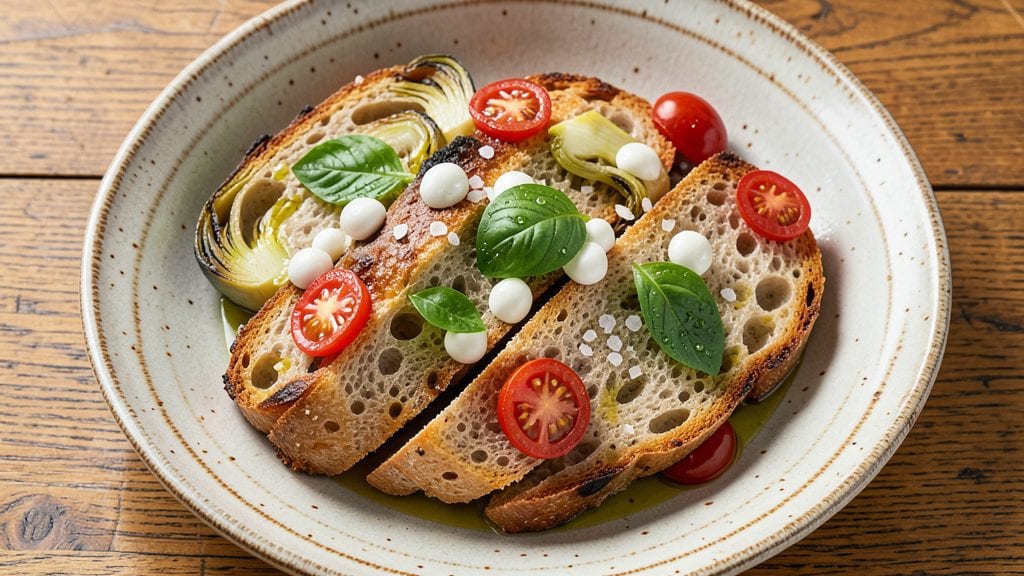
This antipasto bread recipe transforms simple dough into golden, chewy bites loaded with Italian flavors—crispy crust, melty cheese, and salty cured meats in every bite. I perfected it after years of testing, balancing traditional focaccia techniques with the bold flavors of antipasto platters.
The secret lies in a high-hydration dough that creates that signature airy texture while supporting toppings without collapsing.
The dough itself is straightforward—just flour, water, olive oil, and yeast—but the magic happens in the topping. A mix of mozzarella, salami, olives, and sun-dried tomatoes creates a flavor explosion that rivals any charcuterie board.
I let the dough rise twice for maximum flavor development, then bake until the crust turns golden and the cheese bubbles enticingly. The result is a bread that’s sturdy enough to slice for appetizers but still tender enough to enjoy warm.
What you’ll end up with is a crusty, cheesy bread that’s perfect for parties or weeknight snacks—each bite packed with Italian-inspired flavors. The salty, savory toppings contrast beautifully with the soft, chewy interior, making it a showstopper appetizer.
Serve with a drizzle of garlic-infused olive oil for extra depth, or pair it with antipasto platters for a complete Italian spread.
This recipe delivers restaurant-quality results with minimal effort—no fancy equipment needed, just patience for the rising and baking. The dough can be made ahead, and the toppings are flexible, so you can customize it with whatever you have on hand.
Whether you’re hosting a gathering or just craving something satisfying, this antipasto bread will elevate any meal.
Ingredients for antipasto bread
Fourteen ingredients for golden, chewy antipasto bites bursting with Italian flavors—crisp crust and melty toppings.
| Ingredient | Amount | Notes |
|---|---|---|
| All-Purpose Flour 🌾 | 3 ½ cups | High-protein for chewy texture |
| Active Dry Yeast 🍞 | ¼ tsp | Fresh yeast preferred if available |
| Granulated Sugar 🍬 | ¼ tsp | Feeds yeast for activation |
| Diamond Crystal Kosher Salt 🧂 | 1 ½ tsp | Fine grain preferred |
| Extra-Virgin Olive Oil 🫒 | ¾ cup | High-quality, fruity variety |
| Warm Water 💧 | 1 ¼ cups | 110°F for yeast activation |
| Part-Skim Mozzarella Cheese 🧀 | 1 cup | Freshly shredded, block preferred |
| Salami Slices 🥓 | ½ cup | Thinly sliced, pepperoni works too |
| Kalata Olives 🫒 | ½ cup | Pitted, sliced if large |
| Sun-Dried Tomatoes 🍅 | ⅓ cup | Oil-packed, chopped |
| Garlic Cloves 🧄 | 3 cloves | Minced for dough and oil |
| Fresh Basil Leaves 🌿 | ¼ cup | Chopped for finishing |
| Coarse Sea Salt 🧂 | 1 tbsp | For sprinkling before baking |
| Black Pepper 🌶️ | ½ tsp | Freshly cracked |
The flour is non-negotiable here. King Arthur or Caputo Tipo 00 give that signature chew, but all-purpose works in a pinch—just don't expect the same airy texture. For the yeast, Trader Joe's sells fresh yeast in tubes, which activates faster than granules. The olive oil should be fruity and peppery, not bland—California Olive Ranch or Colavita are my go-tos. Warm the water to 110°F (like bathwater) to activate the yeast properly. Too hot and it dies; too cold and it won't wake up. The mozzarella? Whole-milk, fresh-shredded melts better than pre-shredded (which has anti-caking agents). If you're using pepperoni instead of salami, crusty, spicy varieties add more punch.
No sun-dried tomatoes? Dried oregano plus a splash of balsamic vinegar mimics that tangy depth. Short on olives? Capers or chopped marinated artichokes bring briny contrast. The basil is optional but worth it—fresh from the garden or a farmers market has more aroma than grocery store bunches. For the garlic, roast a few cloves ahead of time and mix into the olive oil for extra richness. The dough will feel sticky—that's normal for high-hydration bread. Wet your hands before handling it, or use a dough scraper. And if you're feeling fancy, infuse the olive oil with garlic and red pepper flakes before drizzling it over the baked bread.
This dough keeps 3 days in the fridge, wrapped tightly in plastic. For longer storage, shape it into a log, wrap in parchment, then foil, and freeze for up to 3 months. Thaw overnight in the fridge before baking. The baked bread stays fresh 2 days at room temperature, but it's best enjoyed warm. To reheat, wrap slices in foil and warm in a 350°F oven for 5-7 minutes. The cheese will get gooey again, just like fresh out of the oven. Leftovers? Toss them in a 375°F oven for 10 minutes to revive the crust.
Why You'll Love This Recipe
- No-Knead Magic: I swear by the slow rise—just mix, cover, and forget about it for hours. That olive oil-rich dough? It’s practically foolproof, even when I forget to set a timer.
- Umami Bomb: The kosher salt and sugar combo isn’t just for flavor—it’s the secret to that crispy crust and soft center. One bite, and you’ll understand why I keep a loaf in the freezer.
- Party in a Loaf: Slice it for charcuterie, tear it for sandwiches, or serve it warm with olive oil. Honestly, I’ve used it for everything from picnic lunches to late-night snacks—no judgment here.
- Budget-Friendly Staple: Five ingredients, endless uses. This dough stretches further than store-bought, and the leftovers? Perfect for toast or croutons. My wallet—and my taste buds—thank me.
Step-by-step instructions for antipasto bread
Here's how to craft this chewy, flavor-packed bread with crisp edges and melty Italian goodness.
Activate the Yeast and Prepare the Dough Base
In a small bowl, combine the 1.25 cups warm water (about 110°F), 0.25 tsp granulated sugar, and 0.25 tsp active dry yeast. Let it sit for 5-10 minutes until frothy—this confirms your yeast is alive and ready to work. If it doesn't bubble, start over with fresh yeast.
In a large bowl, whisk together the 3.5 cups all-purpose flour and 1.5 tsp diamond crystal kosher salt. Create a well in the center and pour in the yeast mixture along with the 0.75 cup extra-virgin olive oil. Using a wooden spoon, gradually incorporate the flour until a shaggy dough forms. This initial mix should feel sticky but manageable.
Knead Until Smooth and Elastic
Turn the dough onto a lightly floured surface and knead for 8-10 minutes by pressing, folding, and turning. You're looking for a smooth, elastic dough that springs back when poked. The gluten development is what gives this bread its signature chewy texture.
If the dough feels too dry, add 1 teaspoon warm water at a time; if too sticky, sprinkle in 1 tablespoon flour. Once properly kneaded, place the dough in a lightly oiled bowl, cover with a damp towel, and let it rise in a warm place for 1-2 hours or until doubled in size. I like to use my oven with the light on for consistent warmth.
Prepare the Antipasto Filling
While the dough rises, prepare the flavorful filling by combining the 1 cup part-skim mozzarella cheese, 0.5 cup salami slices, 0.5 cup kalata olives, 0.33 cup sun-dried tomatoes, 3 cloves minced garlic, and 0.5 tsp black pepper in a bowl. Mix gently to distribute the flavors evenly—this will become the heart of each bread bite.
For extra depth, I like to finely chop the 0.25 cup fresh basil leaves and reserve them for sprinkling on top after baking. The basil adds a bright contrast to the rich, savory filling and gives that authentic Italian touch.
Shape and Second Rise
Once the dough has risen, punch it down to release air and divide it into 16 equal pieces (about 1.5 ounces each). Roll each piece into a ball, then flatten slightly into a disc. Place 1 teaspoon of the antipasto mixture in the center of each disc and fold the dough over to encase it completely, sealing the edges tightly. This ensures the flavors stay concentrated in each bite.
Arrange the sealed dough balls on a parchment-lined baking sheet, leaving 1 inch between them. Cover with a damp towel and let them rise for another 30-45 minutes until puffy but still holding their shape. The second rise is crucial—it develops the air pockets that make these bites light and airy.
Bake to Golden Perfection
Preheat your oven to 375°F. Just before baking, sprinkle each dough ball generously with coarse sea salt—this enhances the flavors and adds that classic bread crust. Bake for 18-22 minutes until the tops are deep golden brown and the internal temperature reaches 190°F. The bread should sound hollow when tapped on the bottom.
For the final touch, transfer the bread to a wire rack and immediately sprinkle with the reserved chopped fresh basil leaves. Let them cool for 5 minutes before serving—this allows the flavors to meld and the crust to set just enough to hold its shape. Serve warm with a side of marinara or as an appetizer with your favorite Italian spread.
Pro Tips For Making Antipasto Bread
- Measure Salt Precisely: Diamond Crystal kosher salt is not like table salt—it’s coarser and less dense. If your recipe calls for 1 teaspoon, use a level measure (don’t scoop directly from the jar) or you’ll end up with a bland loaf. I learned this the hard way when my first batch tasted like it needed a whole shaker of salt.
- Bloom Yeast in Warm Oil: Skip the water—mix the yeast with a splash of warm olive oil instead. The fat helps activate it faster and gives the dough a richer flavor. Just make sure the oil isn’t hot (test with your finger—it should feel warm, not burning).
- Knead Until Silky: This dough won’t look like a Hollywood movie—it’s sticky, not smooth. Work it until it passes the "windowpane test" (stretch a piece; if it’s thin enough to see light through, you’re good). Over-kneading? No problem—this bread forgives it better than most.
- Oil the Loaf Pan Well: Use extra-virgin olive oil here—it’s not just for flavor. Brush the pan generously, then toss a few drops of oil over the dough before baking. This guarantees a crisp crust and easy release. (Yes, even if you’re in a hurry.)
Pro cooking tips for this recipe
Dough Hydration Secrets
The high-hydration dough (about 60% hydration) is key for that signature chewy texture. I swear by using King Arthur Bread Flour for better gluten structure, but all-purpose works if you’re in a pinch.
The trick? Let the dough rest 10 minutes after mixing before kneading—this relaxes the gluten and makes handling easier. 💫
If your dough feels too sticky, wet your hands before shaping—this prevents tearing. For extra insurance, I dust my work surface with semolina flour instead of all-purpose, which adds a subtle nutty flavor and prevents sticking. The dough should feel like soft playdough, not glue!
Topping Timing Tricks
Don’t add toppings until right before baking—mozzarella releases moisture that can make the dough soggy. I like to pre-shred the cheese and sprinkle it lightly over the dough balls before the second rise.
This lets the cheese melt into the dough slightly during proofing, creating pockets of gooey goodness. 🧀
For salami and olives, chop them into small pieces (about ¼-inch chunks) so they distribute evenly. If using sun-dried tomatoes, pat them dry first to prevent excess moisture. Pro tip: Toss your toppings with a pinch of smoked paprika before adding—they’ll stick better and add depth.
Baking Like a Pro
Preheat your oven with a baking stone or steel on the middle rack for 30 minutes before baking. This mimics a wood-fired oven and gives you that perfect crisp crust. I use a thermometer to check the internal temp—190°F is ideal for a tender crumb without over-browning. 🌡️
For extra crispiness, bake on the lower rack for the first 5 minutes, then move to the middle rack to finish. If your oven runs hot, tent the bread loosely with foil after 10 minutes to prevent over-browning.
The crust should be golden and crackly, with a hollow sound when tapped.
Resting for Perfection
Never skip the 5-minute rest after baking! This lets the steam escape and the crust set properly. I place the bread on a wire rack (not a cutting board) to cool—this prevents sogginess. The cheese will firm up slightly, making it easier to slice without falling apart. 🍞
For serving, slice while still warm—the cheese will be stretchier and more delicious. If you’re prepping ahead, store in an airtight container at room temp for 1 day or freeze for up to 3 months.
To reheat, wrap slices in foil and warm in a 350°F oven for 5 minutes—the crust will crisp right up!
Nutrition facts
Frequently asked questions
Can I make this antipasto bread without yeast?
This recipe relies on yeast for its signature chewy texture and airy crumb, but you can adapt it! For a quick version, replace the yeast with 1.5 teaspoons baking powder and 1 teaspoon baking soda, reducing the water to 1 cup. The result will be denser but still flavorful—perfect for a same-day appetizer.
How do I store leftovers to keep them fresh?
Store cooled bread in an airtight container at room temperature for up to 2 days. For longer storage, freeze the baked bread (unwrapped) for up to 3 months. To reheat, wrap slices in foil and warm in a 350°F oven for 5 minutes—the crust will crisp right up!
What can I substitute if I don’t have salami?
No problem! Swap salami for pepperoni, prosciutto, or even crumbled feta for a vegetarian option. For extra umami, add 1 teaspoon soy sauce to the dough before shaping. The key is balancing salty and savory flavors—adjust toppings to your taste.
Why did my bread turn out dense instead of chewy?
Dense bread usually means underdeveloped gluten or overhandling. Knead for the full 8-10 minutes to build elasticity, and let the dough rise completely (until doubled). Also, ensure your yeast is fresh—old yeast won’t activate properly. For extra chewiness, use bread flour instead of all-purpose.
Can I make this bread in a Dutch oven for extra crispiness?
Shape the dough into a single loaf instead of individual bites, place it in a greased Dutch oven, and bake at 375°F for 35-40 minutes. The steam creates a crispier crust. For toppings, press them into the dough after the first rise. This method works best for a rustic, focaccia-style antipasto loaf.