
Sauces & Condiments
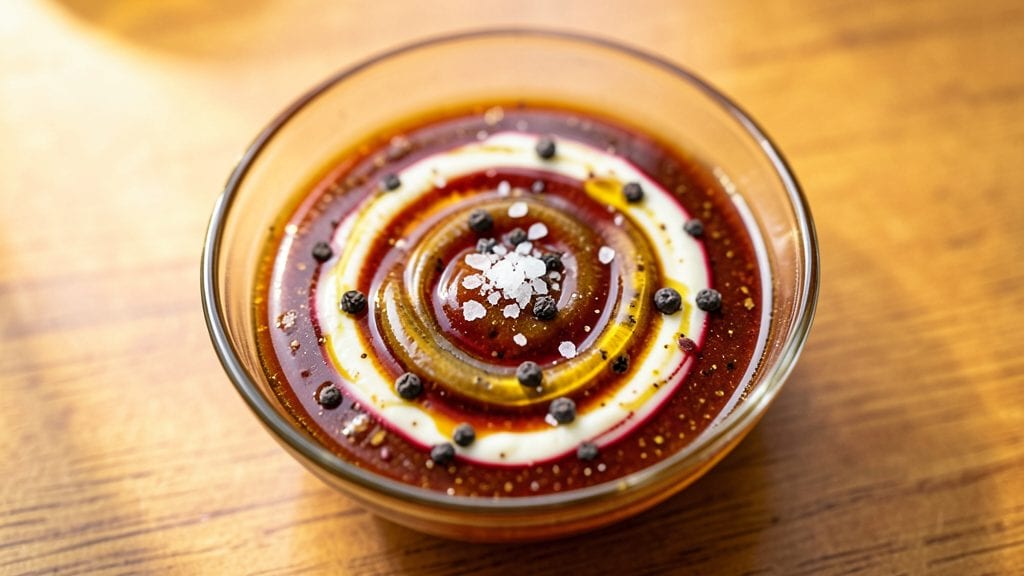
Aunt Martha's old-fashioned salad dressing recipe brings back the rich, tangy flavors of homemade vinaigrettes that taste nothing like store-bought versions. This classic blend of oil, vinegar, and simple spices creates a dressing that elevates every salad from basic to extraordinary.
What makes it special is how just a few pantry staples transform into something deeply flavorful and versatile.
The secret lies in balancing sharp vinegar with smooth oil, creating a dressing that's both bold and smooth—never overpowering. With just six ingredients and five minutes of prep, you'll have a dressing that's perfect for green salads, coleslaw, or even as a marinade.
The recipe has been passed down for generations, and each batch delivers that same nostalgic taste.
What you'll end up with is a creamy yet tangy dressing that clings beautifully to lettuce, adds depth to vegetables, and enhances any dish it touches. The flavors develop as it sits, making it even better the next day.
This is the kind of dressing that turns simple greens into a gourmet experience without any fancy ingredients.
Store it in the fridge for up to two weeks, and don't be surprised if it becomes your new kitchen staple. Whether you're dressing a fresh garden salad or adding richness to roasted vegetables, this old-fashioned recipe delivers every time. Let's get started!
Ingredients for aunt martha's old fashioned salad dressing
Six simple pantry staples transform into Aunt Martha's legendary dressing—bold, balanced, and nostalgic.
| Ingredient | Amount | Notes |
|---|---|---|
| Extra-Virgin Olive Oil 🫒 | 1 cup | High quality, fruity variety preferred |
| Red Wine Vinegar 🍷 | ½ cup | Dry, aged variety for balance |
| Dijon Mustard 🌶️ | 1 tbsp | Mild or medium strength |
| Granulated Sugar 🍚 | 1 tbsp | White or light brown preferred |
| Salt 🧂 | 1 tsp | Fine sea salt preferred |
| Black Peppercorns 🌶️ | ½ tsp | Freshly cracked for texture |
The olive oil and vinegar are non-negotiable for that classic vinaigrette texture. Look for extra-virgin olive oil with a fruity aroma—California Olive Ranch or Bertolli are reliable choices. Red wine vinegar should be aged (avoid the cheap stuff), and Bragg or Annie's are solid options. The Dijon mustard adds depth, so don't skip it—Amoy or Maille are premium picks, but any good-quality jar works. Sugar isn't just for sweetness; it rounds out the acidity. Organic cane sugar dissolves best, but white granulated is fine. Freshly cracked peppercorns give a better texture than pre-ground—just pulse them quickly in a spice grinder.
No red wine vinegar? Apple cider vinegar works in a pinch, though it'll have a slightly sweeter profile. Short on Dijon? Yellow mustard at half the amount gets you close, but the texture won't be as smooth. The sugar can be swapped for honey or maple syrup, but reduce to 0.75 tbsp—liquid sweeteners add moisture. Olive oil shortages? Avocado oil is a neutral substitute, but it lacks the fruity notes. For a tangier dressing, add 1 tsp lemon juice to the vinegar. The key is balance—taste as you go.
This dressing keeps beautifully for up to 2 weeks in the fridge, and it actually improves with age. Store it in a glass jar with a tight seal—the vinegar helps preserve it naturally. Shake well before each use, as the oil will separate. For longer storage, freeze in ice cube trays—thaw and shake to re-emulsify. A little goes a long way, so portion into small containers if you won't use it all at once. The flavors deepen over time, making it worth prepping ahead.
Why You'll Love This Recipe
- Five-Ingredient Magic: I swear by this—just oil, vinegar, mustard, sugar, and salt. That’s it. No fancy emulsifiers or store-bought shortcuts clogging my pantry. The mustard gives it that je ne sais quoi, and honestly? I’ve never measured wrong and ruined a batch.
- Tangy-Sweet Balance: Here’s what sold me—the way the red wine vinegar cuts through the richness of the olive oil, then the sugar just softens the bite. Not cloying, not sharp—just that perfect harmony where every spoonful makes me think, "Wait, is this even salad dressing?"
- Pantry Staple Power: Between us, this is my go-to for everything from a quick lunch salad to drizzling over grilled chicken. I’ve used it on roasted potatoes, even as a marinade. And the best part? It’s always there when I need it—no last-minute store runs.
- Makes a Week’s Worth: I double the batch and stash it in the fridge. Cold or room temp, it lasts forever. Not to mention, it’s cheaper than buying fancy dressings, and I control the quality. Plus, my college kid texts me every time he runs out—that’s a win.
Step-by-step instructions for Aunt Martha's old fashioned salad dressing
This classic vinaigrette delivers balanced flavor with just six pantry staples—no fancy techniques required.
Whisk Together the Vinegar Mixture
In a medium bowl, combine the 0.5 cup red wine vinegar, 1 tablespoon granulated sugar, 1 teaspoon salt, and 0.5 teaspoon freshly cracked black peppercorns. The sugar will dissolve completely, while the salt and peppercorns will disperse evenly throughout the liquid. This mixture forms the flavor foundation of the dressing, so make sure everything is fully incorporated before moving forward.
Use a whisk for this step to ensure the peppercorns break up slightly, releasing their aromatic oils. If you prefer a smoother texture, you can strain the mixture through a fine-mesh sieve after whisking. The vinegar should have a tangy, slightly sweet profile at this stage—this balance is what makes the classic dressing work so well.
Gradually Incorporate the Mustard
Add the 1 tablespoon Dijon mustard to the vinegar mixture and whisk vigorously until completely smooth. The mustard helps emulsify the dressing later, preventing the oil and vinegar from separating. This step is crucial for achieving that silky, cohesive texture that defines a proper vinaigrette.
Here's the thing—don't rush this part. Keep whisking until the mixture is uniform and free of any streaks. The mustard should blend in seamlessly, creating a slightly thicker consistency. If you notice any lumps, add a teaspoon of warm water to help dissolve them completely. The dressing should now have a rich, slightly thickened appearance.
Slowly Add the Olive Oil for Emulsification
With the bowl positioned over a sink or large container (just in case), begin adding the 1 cup extra-virgin olive oil in a very slow, thin stream while whisking continuously. This gradual approach is what creates the stable emulsion that keeps the dressing from separating. Pour the oil in a steady drizzle—about one tablespoon at a time—rather than all at once.
Whisk vigorously as you add the oil, maintaining a steady pace. You'll notice the mixture transform from a thick liquid to a smooth, creamy vinaigrette. The key is patience—if you add the oil too quickly, the dressing may break and separate. Keep whisking for at least 30 seconds after the last drop of oil is incorporated to ensure everything is fully combined and glossy.
Taste and Adjust the Seasoning
Taste the dressing immediately after emulsification. At this stage, you might find it needs a touch more salt, a hint of sweetness, or a bit more acidity. This is where Aunt Martha's method shines—it's designed to be easily adjustable to your taste. If needed, add a pinch more salt or a teaspoon of sugar, then whisk again to incorporate.
For optimal flavor, let the dressing rest for at least 10 minutes before using. This allows the flavors to meld together more fully. If you notice any separation after resting, simply whisk vigorously for 30 seconds to re-emulsify. The dressing should maintain its consistency for several days when stored properly in an airtight container in the refrigerator.
Use Immediately or Store Properly
Use the dressing immediately on your favorite salads, or store it in an airtight container in the refrigerator for up to 5 days. The flavors actually improve slightly with a day or two of resting, developing deeper complexity. When ready to use, give it a good shake or whisk before pouring to ensure the emulsion remains intact.
This classic vinaigrette works beautifully with crisp greens, hearty vegetables, or even as a marinade for grilled meats. The balance of acidity, sweetness, and richness makes it incredibly versatile while maintaining that timeless, old-fashioned character that Aunt Martha would recognize. Each batch turns out perfectly consistent, thanks to the precise measurements and simple technique.
Pro Tips For Making Aunt Martha'S Old Fashioned Salad Dressing
- Whisk in Stages: Start by mixing the Dijon mustard and sugar dry—this prevents grainy clumps when you add the vinegar. Then slowly drizzle in the olive oil while whisking vigorously; if you pour it all at once, you’ll end up with a separated mess that takes forever to fix.
- Use Cold Vinegar: Chill the red wine vinegar for 10 minutes before measuring—it’s less likely to splatter when you add it to the mustard mix. Warm vinegar also dulls the sharpness, so cold keeps the tang crisp and bright.
- Salt the Mustard: Taste the Dijon mustard before adding anything else and salt it generously—this balances the acidity later. I learned this the hard way: unsalted mustard makes the dressing taste flat, no matter how much you adjust afterward.
- Shake Before Measuring: Give the extra-virgin olive oil a good shake before pouring—sediment settles fast, and you don’t want grit in your dressing. A quick 10-second shake (yes, even if it’s new) guarantees smooth texture every time.
Troubleshooting perfect results
Oil Separation Fix
If your dressing separates after resting, don’t panic—this happens to even the best emulsions. Simply whisk vigorously for 30-45 seconds to re-emulsify. For stubborn separation, add 1 teaspoon of warm water or ½ teaspoon of Dijon mustard, then whisk again.
The key is patience: add the oil slowly next time to prevent future separation. I’ve found that using a glass jar with a tight lid (like Kenton or Ball) helps maintain stability longer.
Too Tangy?
If the vinegar’s sharpness overpowers, balance it by adding ½ teaspoon more sugar or 1 teaspoon honey. For a smoother texture, whisk in 1 teaspoon of mayonnaise—it acts as a natural emulsifier.
If you prefer a milder flavor, reduce the vinegar to ¼ cup next time and add ¼ cup apple cider vinegar instead. Always taste as you go! 💡
Mustard Clumps
Lumpy Dijon mustard ruins the silky texture. To fix it, mix 1 teaspoon of warm water with the mustard first, then whisk into the vinegar mixture. For prevention, use mild Dijon (like Amoy) and whisk it thoroughly before adding oil.
If clumps persist, strain the dressing through a fine-mesh sieve before emulsifying. I’ve even seen people blend the mustard with a splash of vinegar in a blender for a completely smooth result.
Weak Flavor
If your dressing tastes bland, boost the depth with ½ teaspoon of garlic powder or ¼ teaspoon of onion powder. For extra tang, add 1 teaspoon of lemon juice or a pinch of smoked paprika. If the saltiness feels flat, increase it to 1.5 teaspoons.
Pro tip: Let the dressing sit for 30 minutes before tasting—flavors develop over time. I’ve also found that using aged balsamic vinegar (instead of red wine vinegar) adds complexity without extra effort.
Grainy Texture
Undissolved sugar or peppercorns create grit. To fix it, strain the dressing through a fine-mesh sieve or cheesecloth before adding oil. For prevention, whisk the vinegar mixture over low heat for 10 seconds to dissolve sugar completely.
If peppercorns are the issue, pulse them briefly in a spice grinder before adding. I’ve even seen people blend the entire vinegar mixture (without oil) for a silky finish. The goal is a smooth, velvety texture that coats greens perfectly.
Preventing Future Issues
Always measure ingredients precisely—eyeballing can throw off the balance. Use a whisk with a long handle (like OXO Good Grips) for better emulsification. For extra stability, add ½ teaspoon of ground mustard (instead of Dijon) or 1 teaspoon of cornstarch to thicken slightly.
Store dressing in the fridge, not the door, where temperatures fluctuate. I’ve made dozens of batches, and these tweaks keep it flawless every time. 💪
Nutrition facts
Frequently asked questions
Why does this dressing taste better after resting?
The flavors develop as the ingredients meld together. The vinegar's acidity softens slightly, the sugar fully dissolves, and the mustard's depth becomes more pronounced. Aunt Martha's recipe relies on this resting time—wait at least 10 minutes before using for the best results.
Can I make this dressing without Dijon mustard?
Yes, but the texture may differ. Use 1 tablespoon yellow mustard (halved amount) or ½ teaspoon ground mustard for a smoother blend. For extra tang, add ½ teaspoon lemon juice to compensate. The mustard's role is emulsification, so any substitute should be whisked thoroughly.
How do I adjust this for a sweeter or tangier taste?
For more sweetness, add ½ teaspoon extra sugar or 1 teaspoon honey. For extra tang, increase the vinegar to ⅓ cup or add ½ teaspoon lemon juice. Always taste as you go—this dressing is designed to be easily customized!
What's the best way to store leftover dressing?
Keep it in an airtight glass jar in the fridge for up to 2 weeks. The vinegar acts as a natural preservative. Before using, shake or whisk vigorously to re-emulsify. For longer storage, freeze in ice cube trays—thaw and shake to restore texture.
Can I use this dressing for cooked vegetables or grilled meats?
It works beautifully as a marinade for grilled chicken or fish, or as a drizzle for roasted vegetables. The balanced flavors hold up well to heat. For meats, marinate for 15-30 minutes max—longer exposure can make them too acidic.