
Sauces & Condiments
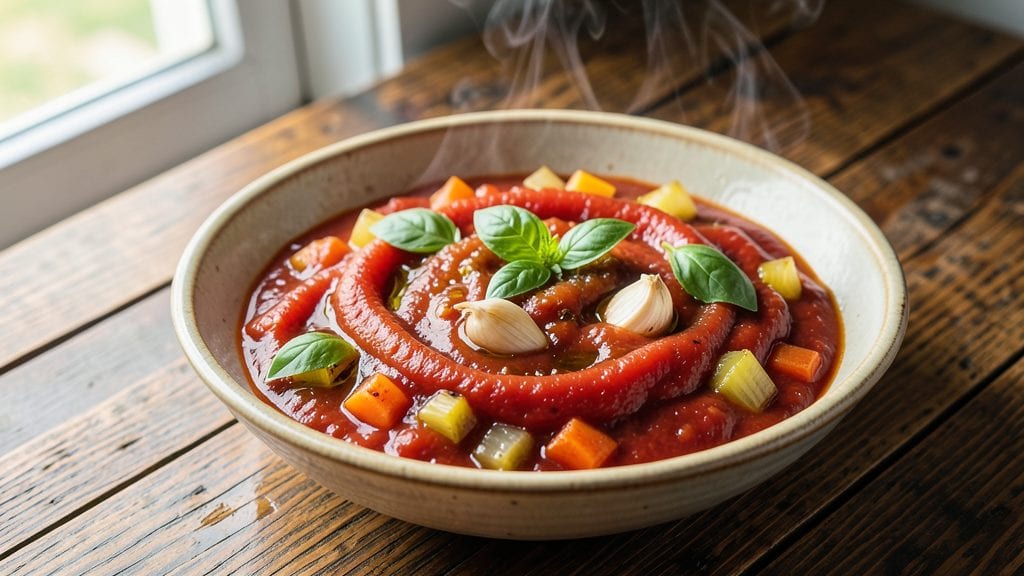
Creating an authentic red sauce that delivers deep umami flavor and rich texture starts with a slow simmer of tomatoes, aromatics, and carefully balanced spices—no shortcuts, just time-honored technique.
This recipe captures the essence of traditional Italian ragù, where onions caramelize slowly and herbs infuse the sauce with layers of complexity.
The key lies in patience: letting the sauce reduce for hours until it reaches that perfect balance of sweetness and acidity, with just enough salt to enhance every ingredient.
The foundation of this sauce begins with a soffritto—onions, carrots, and celery cooked low and slow until they dissolve into the pot, creating a flavor base that forms the heart of the sauce.
Adding garlic, tomato paste, and crushed tomatoes introduces the tangy, slightly sweet profile that defines authentic red sauces, while bay leaves and oregano contribute earthy depth. The result isn’t just a sauce; it’s a flavor bomb that transforms simple dishes into something extraordinary.
What makes this sauce truly special is its versatility—use it as a base for pasta, drizzle it over grilled meats, or serve it alongside roasted vegetables for an instant upgrade.
The slow simmering process develops a velvety texture and concentrated flavor that store-bought versions simply can’t match. Once you taste the difference, you’ll never settle for anything less.
For those who prefer a meatier version, browned ground beef or pancetta can be added during the simmering process, while vegetarians can rely on mushrooms or lentils for depth. The choice is yours, but the method remains the same: slow, steady, and full of flavor.
Let’s get started on creating a sauce that tastes like it’s been simmering for hours—because it has.
Ingredients for authentic red sauce
Pantry staples and fresh aromatics transform into a rich, umami-packed red sauce perfect for pasta or proteins.
| Ingredient | Amount | Notes |
|---|---|---|
| Extra-Virgin Olive Oil 🫒 | ½ cup | High-quality, fruity variety |
| Yellow Onions 🧅 | 2 whole | Diced, medium-sized |
| Carrots 🥕 | 2 whole | Diced, medium-sized |
| Celery Stalks 🥬 | 2 whole | Diced, medium-sized |
| Garlic Cloves 🧄 | 4 cloves | Minced, fresh preferred |
| Tomato Paste 🍅 | 2 tbsp | Smooth, unsweetened |
| Crushed Tomatoes 🍅 | 28 oz | San Marzano preferred |
| Dry Red Wine 🍷 | ½ cup | Bold, like Chianti |
| Bay Leaves 🌿 | 2 whole | Fresh preferred |
| Dried Oregano 🍃 | 1 tsp | Italian preferred |
| Ground Black Pepper 🌶️ | ½ tsp | Freshly ground |
| Sea Salt 🧂 | 1 tsp | Kosher preferred |
| Ground Beef (optional) 🥩 | 1 lb | 80/20 fat ratio |
The soffritto—onions, carrots, and celery—is the flavor foundation. Look for fresh, firm vegetables at your local market or grocery store’s produce section. The San Marzano crushed tomatoes are worth the splurge—they’re sweeter and less acidic, which balances the sauce beautifully. For the olive oil, avoid the cheap stuff; a good extra-virgin brand like California Olive Ranch or Bertolli makes all the difference. The garlic should be fresh, not that pre-minced jarred nonsense—it’s the secret to authentic flavor. If you’re using optional ground beef, 80/20 fat ratio is key for richness; anything leaner will dry out during simmering.
No San Marzano tomatoes? High-quality canned tomatoes like Muir Glen work fine, but avoid anything with added salt or preservatives. Running short on red wine? Substitute beef broth with a splash of balsamic vinegar for depth. Fresh bay leaves are ideal, but if you only have dried, reduce to one-third the amount. The oregano should be Italian, not Mexican—it has a more subtle, earthy flavor. For the tomato paste, avoid the squeeze tubes; they’re often watered down. If you must, use one extra tablespoon of the canned kind. The ground beef can be swapped for pancetta or mushrooms for a vegetarian option, but brown it well first to develop flavor.
This sauce tastes even better the next day as flavors meld. Store in an airtight container in the fridge for up to 5 days, or freeze for 3 months. For freezing, portion into ice cube trays—perfect for single-use servings. Reheat gently on the stove with a splash of water or broth to restore richness. The sauce thickens as it cools, so add a splash of water or wine if it’s too thick when reheating. Leftovers make an excellent base for quick pasta dishes or as a topping for grilled meats.
Why You'll Love This Recipe
- Sofrito in Minutes: The onions, carrots, and celery—sofrito—get tossed into olive oil and simmer until they’re practically melting. No blender, no fuss, just a knife and a pot. Honestly, I’ve made this while chatting on the phone.
- Garlic Kiss: That moment when the raw garlic hits the pot? Pure magic. The olive oil pulls all the sweetness from the onions and carrots, then the garlic sizzles into something rich and savory. It’s the kind of flavor that makes you pause mid-stir.
- Pantry Staple Power: This sauce is the backbone of my freezer. Use it for pasta tonight, dump it into a slow cooker for stew tomorrow, or freeze half for when I’m too tired to cook. It’s the one thing that turns a simple meal into something special.
- Budget-Friendly Base: Onions, carrots, celery—these are the cheap, long-lasting veggies that make this sauce a no-brainer. A little olive oil and garlic elevate them into something luxurious. I’ll be real: this is how I feed my family well without breaking the bank.
Step-by-step instructions for slow-simmered umami red sauce
This method delivers restaurant-quality depth using simple pantry staples and proper technique.
Sauté the Vegetable Base Until Soft
Heat the 0.5 cup extra-virgin olive oil in a large Dutch oven over medium heat. Add the 2 whole diced yellow onions, 2 whole diced carrots, and 2 whole diced celery stalks. Cook for 8-10 minutes, stirring occasionally, until the vegetables soften and begin to caramelize slightly. You'll notice the onions turn translucent and the carrots release their sweet aroma.
This foundational step builds flavor through the Maillard reaction. Push the vegetables to one side of the pot and add the 4 cloves minced garlic, cooking for 30 seconds until fragrant. Here's where it matters: don't let the garlic burn—it should smell sweet and nutty, not bitter. If it starts to darken too quickly, reduce the heat slightly.
Develop Depth with Tomato Paste and Wine
Stir in the 2 tablespoons tomato paste and cook for 2 minutes until it darkens slightly and releases its rich, concentrated flavor. This step creates the sauce's signature umami foundation. Immediately pour in the 0.5 cup dry red wine, scraping up any browned bits from the bottom of the pot with a wooden spoon. These bits, called fond, contain concentrated flavor that dissolves in the wine.
Let the wine simmer for 3-4 minutes until it reduces by about half. You'll see the liquid transform from ruby red to a deeper, more concentrated hue. This reduction process intensifies the wine's flavor and prepares the sauce for the tomato base. If you're using the 1 pound ground beef, add it now and cook until browned, breaking it into small pieces as it cooks.
Build the Sauce with Crushed Tomatoes
Add the 28 ounces crushed tomatoes, 2 whole bay leaves, 1 teaspoon dried oregano, 0.5 teaspoon ground black pepper, and 1 teaspoon sea salt. Stir well to combine all ingredients. Bring the mixture to a gentle simmer over medium-low heat, then reduce to the lowest setting that maintains a slow bubble. The sauce should simmer uncovered for 45-60 minutes, allowing the flavors to meld and deepen.
During this time, stir occasionally to prevent sticking. You'll notice the sauce gradually thicken as the liquid reduces. The bay leaves will infuse subtle herbal notes, while the oregano adds earthy warmth. The key is patience—this slow simmering develops the complex, layered flavor profile that defines an authentic red sauce. If the sauce becomes too thick before the time is up, add 1-2 tablespoons water to maintain proper consistency.
Refine and Finish the Sauce
Remove the 2 whole bay leaves and discard them. Taste the sauce and adjust the seasoning if needed, adding more sea salt or ground black pepper as necessary. For a smoother texture, use an immersion blender to blend the sauce until you achieve your desired consistency—some texture is fine, but it shouldn't be chunky. If you prefer a completely smooth sauce, strain it through a fine-mesh sieve.
Return the sauce to the pot and simmer for an additional 10-15 minutes to allow the flavors to fully integrate. The sauce should coat the back of a spoon and have a rich, velvety texture. Serve immediately over your choice of pasta, or let it cool and refrigerate for up to 5 days. For best results, reheat gently on the stove, stirring frequently to prevent scorching. This sauce tastes even better the next day as the flavors continue to develop.
Pro Tips For Making Authentic Red Sauce
- Sweat, Don’t Burn: The onions, carrots, and celery (your "sofrito") need to soften, not caramelize—low and slow over medium heat for 15-20 minutes. I used to rush this, and the sauce ended up bitter. A splash of water or broth helps steam them gently if they stick.
- Slice Onions Thin: Cut those yellow onions into ⅛-inch slices, not chunks. Thin slices cook faster and release flavor evenly, so they melt into the sauce instead of sitting as tough, chewy bits. Yes, it takes a minute longer, but the difference is noticeable.
- Crush Garlic, Don’t Mince: Smash the garlic cloves with the flat side of your knife first—no need to chop them into paste. This releases more flavor without turning the sauce bitter. (I learned this after burning garlic into oblivion once.)
- Salt the Sofrito Early: Add a pinch of salt to the onions and veggies right at the start. It draws out moisture, helping them break down faster and preventing the sauce from tasting flat later. Skip this, and you’ll end up chasing flavor with extra salt at the end.
Best sauces and condiments for this authentic red sauce
Classic Pasta Pairings
This rich red sauce shines brightest with al dente spaghetti or rigatoni, where its velvety texture clings perfectly to the noodles. I always use Bronze Die pasta—it’s cut precisely and holds sauce beautifully.
For a rustic touch, try pappardelle or fettuccine, which provide a wider surface for the sauce to cling. The sauce’s depth also pairs wonderfully with bucatini, especially when tossed with a sprinkle of Pecorino Romano for extra umami. 🍝
Meat Pairing Perfection
For a heartier meal, drizzle this sauce over grilled chicken breasts or pan-seared pork chops—the acidity cuts through the meat’s richness. I love serving it alongside garlic butter shrimp, where the sauce’s sweetness complements the shrimp’s natural sweetness.
For a showstopper, top slow-cooked beef short ribs with the sauce, letting it soak into the tender meat. The sauce also elevates polenta or mashed potatoes, transforming them into a comforting, flavorful side dish.
Vegetable Enhancements
Add sautéed mushrooms or roasted bell peppers to deepen the sauce’s earthy notes—just toss them in during the final 10 minutes of simmering. For a brighter twist, stir in fresh basil or spinach just before serving.
I also love pairing the sauce with grilled zucchini or asparagus, where its richness balances the vegetables’ natural sweetness. A sprinkle of grated Parmesan or crispy pancetta adds a satisfying crunch and extra flavor dimension.
Bread and Appetizer Uses
Warm freshly baked crusty bread, like a ciabatta roll, with a drizzle of this sauce for an instant appetizer. I often serve it as a dipping sauce for fried calamari or mozzarella sticks, where its tangy depth contrasts perfectly with the fried elements.
For a gourmet touch, spread it on garlic toast with a sprinkle of red pepper flakes and fresh parsley. The sauce also makes an excellent bruschetta topping when layered with tomato confit and balsamic glaze.
Cheese and Dairy Pairings
Stir in ricotta cheese or mascarpone during the final 5 minutes of simmering for a creamy, luxurious variation. The dairy softens the sauce’s acidity while adding a velvety texture.
I also love pairing this sauce with buratta or burrata as a caprese-style salad, where its richness complements the creamy cheese beautifully. For a vegetarian option, fold the sauce into stuffed shells or lasagna, where it becomes the star of the dish. 🧀
Global Fusion Twists
For a Mexican-inspired twist, stir in chipotle powder and cumin during the final 10 minutes of simmering, then top with cilantro and lime zest. I’ve also used this sauce as a base for tacos, where its depth pairs perfectly with shredded beef or black beans.
For an Asian fusion, add ginger, soy sauce, and sesame oil at the end for a teriyaki-inspired glaze. The sauce’s versatility makes it a blank canvas for global flavors—just don’t overpower its authentic Italian roots! 🌍
Nutrition facts
Frequently asked questions
Can I make this sauce without red wine?
The wine adds depth and acidity, but you can substitute ½ cup beef broth or ½ cup tomato juice plus 1 teaspoon balsamic vinegar for similar balance. For extra richness, add 1 tablespoon butter at the end. The sauce will still develop flavor, though the wine's complexity will be missing.
How do I adjust the thickness of the sauce?
If your sauce is too thick, stir in 1-2 tablespoons water or broth while simmering. For a thicker texture, simmer uncovered for 10-15 extra minutes to reduce further. The sauce should coat the back of a spoon but still be pourable. If it's too thin after simmering, blend it briefly with an immersion blender to break down the tomatoes slightly.
What's the best way to store leftover sauce?
Let the sauce cool completely, then transfer to an airtight container. It keeps in the fridge for 5 days or freezes for 3 months. For freezing, portion into ice cube trays for easy single-use servings. Reheat gently on the stove with a splash of water or broth to restore richness. The sauce actually tastes better after resting overnight!
Can I make this sauce in a slow cooker?
Yes! Follow the same steps until adding the crushed tomatoes, then transfer everything to a slow cooker. Cook on low for 6-8 hours or high for 3-4 hours, stirring occasionally. The slow cooker's gentle heat helps develop the flavors without risk of burning. For best results, finish with a quick simmer on the stove to reduce excess liquid.
Why does my sauce taste bland?
Blandness usually means insufficient seasoning or insufficient reduction. Taste and adjust with salt, black pepper, or a pinch of sugar to balance acidity. For depth, add 1 teaspoon fish sauce or ½ teaspoon smoked paprika during the final simmer. Always simmer uncovered to concentrate flavors—rushing the process dilutes the taste.