
Side Dishes
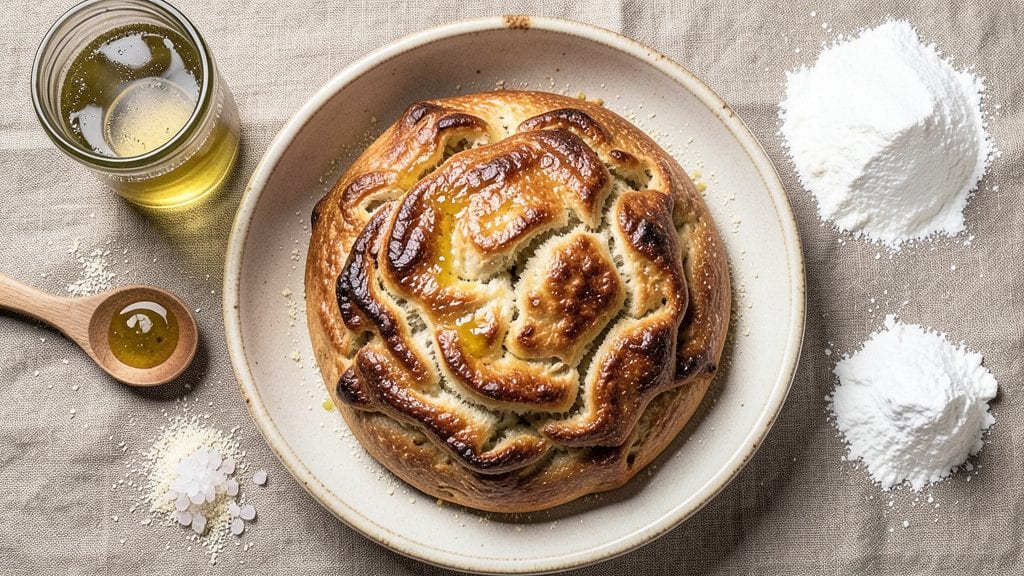
This authentic schiacciata bread recipe brings the rustic charm of Tuscany straight to your kitchen with its signature olive oil-rich crust and airy interior. The secret lies in a simple yet precise dough made with just flour, water, and high-quality olive oil—no fancy ingredients, just traditional technique.
I've perfected this method after years of baking, ensuring every slice delivers that perfect balance of crispy crust and tender crumb.
The magic happens during shaping, where you gently press the dough into a flat, slightly irregular round—no rolling pin needed. This traditional method creates the bread's iconic rustic texture while allowing the olive oil to infuse deeply during baking.
Whether you're serving it alongside an antipasto spread or using it for sandwiches, the flavor is unmistakably Italian, with that aromatic olive oil essence that makes every bite taste like a Tuscan countryside meal.
Baking requires patience but yields incredible results—golden crust with subtle char marks and a soft, slightly chewy interior. The bread stays fresh for days when wrapped properly, making it perfect for meal prep or gifting.
This recipe captures the soul of Italian bread-making without shortcuts, delivering authentic schiacciata that rivals what you'd find in a Tuscan bakery.
For those wanting to explore further, we'll cover variations like adding rosemary or sea salt for extra flavor, as well as tips for achieving the perfect olive oil distribution. Let's get started on creating this iconic Italian bread that's as beautiful as it is delicious.
Ingredients for authentic schiacciata bread
Olive oil, flour, water—just three core ingredients for this iconic Tuscan bread.
| Ingredient | Amount | Notes |
|---|---|---|
| All-Purpose Flour 🌾 | 4 cups | Plus 2 tbsp for dusting |
| Extra-Virgin Olive Oil 🫒 | ¾ cup | High-quality, fruity variety |
| Warm Water 💧 | 1 ½ cups | 105-110°F for best results |
| Instant Yeast 🍞 | 2 ¼ tsp | Or active dry (use 1.75 tsp) |
| Fine Sea Salt 🧂 | 1 ½ tsp | Adjust to taste |
| Semolina Flour 🌾 | 2 tbsp | For dusting baking sheet |
| Fresh Rosemary 🌿 | ¼ cup | Optional, finely chopped |
| Coarse Sea Salt 🧂 | 1 tbsp | For finishing crust |
The olive oil is non-negotiable here. Look for extra-virgin with fruity notes—California Olive Ranch or Colavita are my go-tos. That rich flavor infuses the crust during baking. For the flour, King Arthur or Caputo Tipo 00 are ideal, but all-purpose works in a pinch. The yeast? Fresh is best—it activates faster, but instant yeast is foolproof. Keep your water warm but not hot—105-110°F is perfect for dissolving the yeast without killing it. If you're adding rosemary, grab fresh sprigs from the market—they smell amazing while baking.
No instant yeast? Active dry works at 1.75 tsp, but let it proof in warm water for 5 minutes first. Short on olive oil? Use avocado oil, but the flavor won't be as authentic. The semolina is key—it creates that signature crispy crust. Bob's Red Mill sells it cheap online. No rosemary? Skip it or use dried at 1/4 tsp. The coarse sea salt? Maldon flakes are perfect, but any flaky salt works. Pro tip: If your dough feels too sticky, add 1 tbsp more flour—it's better to err on the sticky side for schiacciata.
This dough needs 2 hours of rest at room temp—don't skip it. Store leftovers wrapped in a clean kitchen towel for 3 days or freeze for 3 months. To reheat, wrap slices in foil and warm in a 350°F oven for 5 minutes. For extra crunch, brush warm bread with more olive oil right after baking. The crust gets better as it cools—wait 10 minutes before slicing. Makes 6-8 thick slices, perfect for sandwiches or dipping in olive oil.
Why You'll Love This Recipe
- Five-Ingredient Magic: The pantry staples you already own—flour, olive oil, water, yeast, salt—are all it takes. No fancy mixers or complicated steps; just a bowl, a little elbow grease, and 15 minutes of your time.
- Crispy-Creamy Payoff: That golden crust with a tender, almost buttery crumb? It’s all in the high-heat bake and the olive oil’s rich punch. One bite, and you’ll forget about store-bought loaves.
- Weeknight Workhorse: Toss it in a basket for breakfast toast, tear it over salads, or use it to soak up marinara like a dream. My kids even ask for it plain—no shame in that.
- Lasts Like a Champ: A single batch feeds my family for days, whether as sandwich bread, garlic toast, or croutons. And the best part? It’s cheaper than buying a single baguette.
Step-by-step instructions for authentic schiacciata bread
Here's how to craft this iconic Tuscan bread with its signature crisp crust and tender crumb—every step is key to authenticity.
Mix the Dough with Olive Oil and Rosemary
In a large bowl, combine the 4 cups all-purpose flour and 1.5 tsp fine sea salt. Create a well in the center and add the 2.25 tsp instant yeast, 0.75 cup extra-virgin olive oil, and 1.5 cups warm water (about 105-110°F). The olive oil should be high-quality—its fruity notes will shine through in the finished bread.
Mix vigorously with a wooden spoon or dough whisk until a shaggy dough forms. If the dough is too sticky, add 1-2 tablespoons more flour—just enough to make it manageable. Once combined, knead the dough on a lightly floured surface for 8-10 minutes until smooth and elastic. You'll know it's ready when it springs back slowly when poked. Fold in the 0.25 cup finely chopped fresh rosemary during the last minute of kneading to infuse its aromatic essence.
Let the Dough Rise Until Doubled
Place the dough in a lightly oiled bowl, cover it with a damp kitchen towel, and let it rise in a warm place for 1.5 to 2 hours, or until it has puffed up to about double its original size. The kitchen should feel warm—if it's cool, place the bowl near a turned-on oven with the light on to create a cozy environment. This slow rise develops deep flavor and a light texture.
Gently press the dough with your fingers to check for readiness—it should feel soft but springy, not hard or dense. If the dough collapses when pressed, give it another 30 minutes. Once fully risen, punch it down to release air and shape it into a rough rectangle on a lightly floured surface. This step is crucial for the bread's signature rustic texture.
Shape and Second Rise for Crispy Crust
Roll the dough out into a 12x16-inch rectangle, about ½-inch thick. Dust a baking sheet generously with 2 tbsp semolina flour—this creates the signature crispy, golden crust. Transfer the dough to the prepared sheet, tucking the edges slightly inward to form a loose rectangle. Cover it again and let it rise for 30-45 minutes until it puffs up slightly and looks fuller.
Preheat your oven to 425°F while the dough rises. The semolina flour will give the bread its iconic crunchy exterior, while the olive oil ensures a rich, moist interior. For extra authenticity, sprinkle the risen dough lightly with 1 tbsp coarse sea salt just before baking—this enhances the flavor and adds to the rustic appeal.
Bake Until Golden and Crisp
Bake the schiacciata for 20-25 minutes until the crust is deep golden brown and crisp to the touch. The edges should pull away slightly from the baking sheet, and the bread should sound hollow when tapped on the bottom. Rotate the pan halfway through baking for even browning—this is especially important for achieving that perfect rustic look.
Once baked, let the bread cool on a wire rack for 10-15 minutes before slicing. The interior should be soft and slightly chewy, with pockets of air from the yeast's activity. The aroma of fresh rosemary and olive oil will fill your kitchen—this is the true test of an authentic schiacciata. Serve warm with olive oil for dipping or alongside soups and stews for a taste of Tuscany.
Pro Tips For Making Authentic Schiacciata Bread
- STRETCH THE DOUGH LONG: Don’t rush the kneading—schiacciata needs a proper 10-minute stretch and fold session to develop gluten. I used to skimp here, and the bread turned out dense and chewy instead of airy. Work the dough until it springs back slowly when poked, even if it feels like overkill.
- USE COLD WATER: Warm water activates yeast too fast, leading to a sour taste. Mix your water at room temp but add a splash of ice-cold water (about ¼ cup) to slow fermentation. This keeps the flavor clean and gives you more time to shape the dough without rushing.
- SALT THE OIL FIRST: Dissolve the sea salt in the olive oil before mixing—this ensures even distribution instead of clumpy salt pockets. I learned this the hard way when I got a salty bite in the middle of an otherwise perfect loaf. A pinch of salt in the oil also enhances the bread’s depth.
- PRESS HARD, NOT DEEP: Schiacciata’s signature flatness comes from pressing with your knuckles—not your palms. Press firmly but evenly, about ½-inch thick, and resist the urge to make it too thin. Too flat = dry; too thick = undercooked. Aim for consistent pressure like a pancake, not a cracker.
Best sauces and condiments for authentic schiacciata bread
Olive Oil Drizzle
The simplest yet most essential pairing is a generous drizzle of extra-virgin olive oil directly from the bottle. Use California Olive Ranch or Colavita varieties—their fruity notes complement the bread's crust beautifully.
Warm the bread slightly, then drizzle 1-2 tablespoons of oil over each slice. The oil soaks into the crispy crust, enhancing its texture and adding that authentic Tuscan flavor. 🫒
Herb-Infused Olive Oil
Elevate your schiacciata by infusing the olive oil with fresh herbs before drizzling. Combine ½ cup extra-virgin olive oil with 2 tbsp finely chopped fresh rosemary, 1 tbsp chopped thyme, and a pinch of flaky sea salt.
Let it steep for 15 minutes before drizzling over warm bread. This creates a fragrant, aromatic experience that ties directly to the bread's rosemary flavor. 🌿
Whole-Grain Mustard
A dollop of whole-grain mustard (like French's Classic Yellow) adds a tangy contrast that cuts through the bread's richness. Mix 1 tbsp mustard with 1 tsp honey for a sweet-spicy balance.
Spread on warm schiacciata slices before serving—it pairs perfectly with cured meats or fresh mozzarella. The mustard's texture also complements the bread's crispy crust. 🌟
Tuscan Sun-Dried Tomato Spread
For a savory twist, blend ½ cup sun-dried tomatoes (oil-packed), 2 tbsp olive oil, 1 garlic clove, and a pinch of red pepper flakes into a chunky spread.
Spread on warm bread slices and top with fresh basil leaves. This Mediterranean-inspired topping adds depth and a touch of umami that enhances the bread's olive oil essence. 🍅
Prosciutto and Fig Jam
Create a luxurious pairing by layering thinly sliced prosciutto with a smear of fig jam (like Bon Appétit Fig Spread) on warm schiacciata. The salty prosciutto balances the sweet jam, while the bread's olive oil richness ties everything together.
This combination feels like a taste of Tuscany's finest trattorias. 🍇
Garlic Confit
Infuse 4 garlic cloves in ½ cup olive oil for 20 minutes at 300°F until golden. Mash the garlic into a paste and spread on warm bread. The mellow, sweet garlic flavor enhances the bread's crust without overpowering it. Perfect for those who love bold but balanced flavors. 🧄
Nutrition facts
Frequently asked questions
Why does schiacciata need semolina flour for the crust?
Semolina creates that signature crispy, golden crust by forming a protective barrier during baking. The coarse texture traps moisture while promoting even browning. Traditional Tuscan bakers use it to achieve the bread's iconic rustic texture—regular flour would make the crust too soft.
Can I make schiacciata without rosemary?
The recipe works perfectly with just olive oil and salt for a classic Tuscan version. For extra flavor, try adding 1 tsp dried oregano or ½ tsp fennel seeds during kneading. The rosemary is optional but adds that aromatic touch that makes it feel special.
What's the best way to store leftover schiacciata?
Wrap slices in a clean kitchen towel and store at room temperature for 3 days. For longer storage, freeze for up to 3 months—thaw overnight in the fridge. To revive stale bread, warm slices in a 350°F oven for 5 minutes wrapped in foil before serving.
Why did my schiacciata turn out dense instead of airy?
Most likely, the dough didn't rise long enough or the oven wasn't hot enough. Ensure your dough doubles in size during the first rise (1.5-2 hours) and preheat the oven to 425°F before baking. Also check your yeast—if it's old, it won't activate properly.
Can I use this dough for other Italian breads?
Yes! The same dough works for focaccia or ciabatta—just adjust the shaping. For focaccia, dimple the top with your fingers before baking. For ciabatta, stretch the dough into an irregular shape. The olive oil-rich dough is incredibly versatile for rustic Italian breads.