
Appetizers
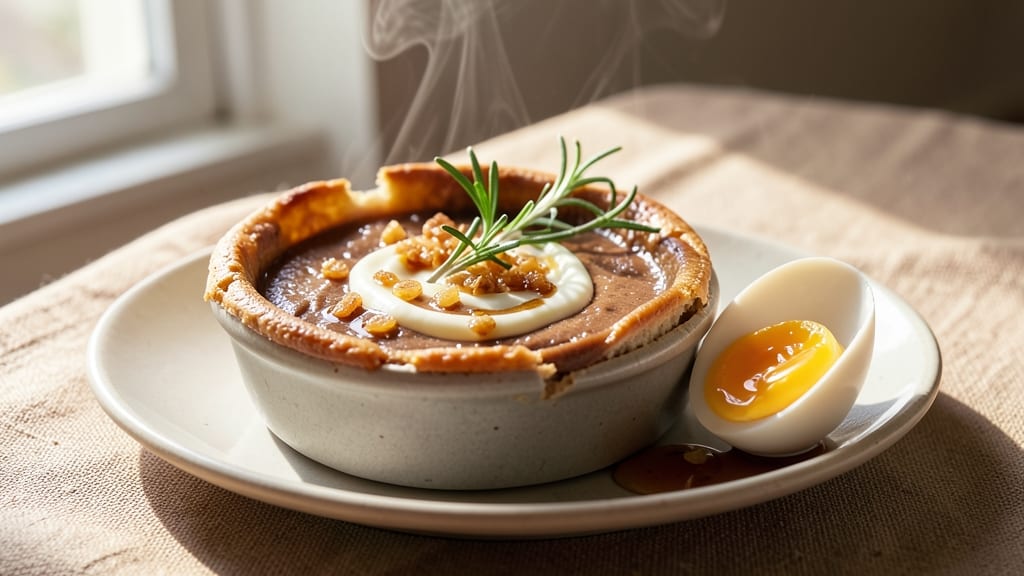
Creating baked chicken liver pâté transforms humble offal into a luxurious appetizer with velvety texture and deep, aromatic flavors. This recipe balances traditional techniques—like slow baking and brandy infusion—with modern herbaceous touches that elevate it beyond classic preparations.
The result is a pâté that’s rich yet refined, perfect for sophisticated gatherings or an impressive weeknight starter.
What sets this recipe apart is its approachability: while liver pâté often feels intimidating, this method simplifies the process without sacrificing depth. You’ll work with chicken livers, butter, and aromatic herbs, then bake until the mixture reaches that signature silky consistency.
The brandy adds a subtle warmth that complements the earthy liver, while fresh thyme and shallots brighten each bite. Safety is paramount, so we’ll include critical handling tips to ensure a flawless outcome every time.
The pâté can be served smooth and elegant in a terrine mold or rustic and rustic with a cracked crust—your choice. Pair it with toasted baguette slices, pickled vegetables, or a drizzle of chutney for contrast.
This recipe delivers restaurant-quality results at home, with a texture that’s impossibly tender and flavors that linger. Whether you’re a seasoned cook or new to pâté-making, this version is designed to impress.
Storage is simple: refrigerate for up to 5 days or freeze for months, ensuring you always have a showstopping starter ready. The key to success lies in precise cooking times and proper chilling, which we’ll walk through step by step.
Let’s create a pâté that’s as beautiful as it is delicious—one that turns heads before the main course even arrives.
Ingredients for baked chicken liver pate
Fresh livers, rich butter, and aromatic herbs come together for this luxurious pâté.
| Ingredient | Amount | Notes |
|---|---|---|
| Chicken Livers 🍗 | 1 ½ lb | Fresh, trimmed of connective tissue |
| Unsalted Butter 🧈 | ¾ cup | Cold, cut into small cubes |
| Shallots 🧅 | ½ cup | Minced, fresh preferred |
| Fresh Thyme Leaves 🌿 | ¼ cup | Stems removed, finely chopped |
| Brandy 🍷 | ¼ cup | High-quality, 80-proof minimum |
| Heavy Cream 🥛 | ½ cup | Full-fat for richness |
| Fresh Parsley 🌿 | ⅛ cup | Chopped, for garnish |
| Diamond Crystal Kosher Salt 🧂 | 1 tsp | For seasoning |
| Freshly Ground Black Pepper 🌶️ | ½ tsp | Lightly cracked |
| Granulated Sugar 🍚 | 1 tsp | Balances flavors |
| Egg Yolks 🥚 | 2 whole | Room temperature |
| Garlic Cloves 🧄 | 2 cloves | Minced, fresh preferred |
| Baguette Slices 🍞 | 8 slices | For serving, toasted |
The chicken livers are the star—look for bright red, plump ones at your butcher or grocery store's meat counter. Costco or Whole Foods often carry them pre-packaged, but ask for them fresh if possible. Trim any connective tissue or dark spots immediately, then rinse well. Freshness is key here: if they smell even slightly off, skip them. For the butter, Plugrá or Land O'Lakes unsalted work perfectly, but any high-quality brand will do. The brandy? Korbel or E&J are solid choices—just avoid cooking brandy, which is already flavored. Thyme and shallots should be vibrant, not wilted or discolored.
No brandy? Substitute apple cider or even a splash of balsamic vinegar—it’ll add brightness without the alcohol kick. Fresh herbs? Dried thyme at one-third the amount works in a pinch, but fresh is ideal. The shallots can be swapped for regular onions if needed, but they’re sweeter and more delicate. For the butter, ghee works too if you’re avoiding dairy. If you’re nervous about handling raw livers, quickly sear them in a hot pan for 30 seconds per side before baking—they’ll still cook through in the oven. And if you’re short on time, pre-minced garlic from a jar is fine, though fresh is better.
This pâté keeps beautifully—refrigerate in an airtight container for up to 5 days, or freeze for 3 months for a quick appetizer. The texture improves after chilling, so make it a day ahead if possible. To serve, simply spoon onto toasted baguette slices or spread on crackers. For extra flair, garnish with chopped parsley and a drizzle of high-quality olive oil. Leftovers? It reheats beautifully in the microwave or oven—just warm gently to maintain that silky texture.
Why You'll Love This Recipe
- Foolproof in Minutes: I swear, this takes less time than waiting for takeout. Just sear the livers, toss in shallots and thyme, then bake until golden—no fancy techniques, just hands-off perfection.
- Rich Without Effort: That brandy hit? It’s the secret weapon. The butter melts into something velvety, while the crispy edges give it this chef’s kiss contrast—like a fancy bistro bite at home.
- Party or Pantry: Spread it on crusty bread for a crowd, or keep it in the fridge for quick snacks. Honestly, I’ve served it at holidays and as a midnight snack—works every time.
- Budget Luxury: Chicken livers are cheap, but they taste like a splurge. A pound feeds four, and the leftovers? Even better the next day—just reheat and serve. Smart, delicious, and wallet-friendly.
Step-by-step instructions for baked chicken liver pâté
Here's how to create a velvety, herb-infused pâté with perfect brandy depth and silky texture.
Prep and Sear the Chicken Livers
Pat the 1.5 lb chicken livers completely dry with paper towels—this is crucial for even cooking. Trim away any connective tissue and cut each liver in half horizontally. In a large skillet, melt 0.25 cup unsalted butter over medium heat until foaming. Add the livers in a single layer and cook undisturbed for 2-3 minutes per side until they develop a golden crust and reach an internal temperature of 145°F.
Remove the livers and set aside. You'll notice they'll continue cooking slightly from residual heat. In the same pan, add the 0.5 cup minced shallots and 2 cloves minced garlic. Cook for 3-4 minutes until softened and translucent. Here's the thing—don't rush this step. The shallots should caramelize just slightly for maximum flavor.
Build the Pâté Base
Transfer the cooked shallot mixture to a food processor along with the 0.25 cup chopped fresh thyme leaves, 1 tsp granulated sugar, 1 tsp diamond crystal kosher salt, and 0.5 tsp freshly ground black pepper. Pulse until finely chopped. Add the 0.25 cup brandy and process until combined. This step develops the pâté's aromatic foundation.
In a separate bowl, whisk together the 2 whole egg yolks and 0.5 cup heavy cream. The yolks should be at room temperature for best results. Gradually add this mixture to the food processor while pulsing, then add the cooked chicken livers. Process until you achieve a completely smooth, homogeneous texture—this should take about 1-2 minutes of continuous processing.
Bake for Silky Perfection
Transfer the pâté mixture to a 4-cup baking dish (or similar size) and smooth the top with a spatula. Bake at 350°F for 25-30 minutes until the center reaches 160°F and the edges are set but still slightly jiggly. The pâté should look glossy and uniform—this indicates proper baking.
Here's where it gets important: don't overbake. The center should still have a slight wobble when gently shaken. If it looks too firm, it's overdone. Let the pâté cool completely at room temperature before serving—this allows the flavors to meld and the texture to set properly.
Garnish and Serve
Once completely cooled, spoon the pâté into a serving dish or mold. Garnish with 0.125 cup chopped fresh parsley for a pop of color and freshness. Serve with 8 toasted baguette slices on the side. The pâté should be rich, velvety, and have a beautiful sheen from the brandy and cream.
For best results, serve at room temperature. The pâté keeps well in the refrigerator for up to 5 days or can be frozen for 3 months. When reheating, warm gently in a water bath to maintain its silky texture. Each bite should deliver that perfect balance of herby depth, brandy brightness, and creamy richness.
Pro Tips For Making Baked Chicken Liver Pate
- Trim the Gall Bladders: Chicken livers come with tiny green gall bladders attached—leave them in, and your pâte will turn bitter. Snip them off with kitchen scissors before rinsing; I learned this the hard way after making a batch that tasted like a chemistry experiment.
- Sear Livers High and Fast: Crowd the pan, and they’ll steam instead of brown. Work in batches over medium-high heat for 2–3 minutes per side until deeply caramelized—this builds flavor that butter alone can’t fix. (Yes, even if you’re impatient like me.)
- Shallots, Not Onions: Onions add bitterness that ruins the delicate balance. Use shallots—finely minced, not chopped—and cook them low and slow until they’re translucent but not colored. Skip this, and your pâte will taste like it’s hiding something.
- Deglaze with Brandy Last: Add the brandy after the shallots are soft and the livers have released their juices. Flame it off for 10 seconds—just enough to mellow the alcohol, not burn it. Do it too early, and the flavor disappears like smoke.
Wine and beer pairings for baked chicken liver pate
Red Wine Classics
For this rich, brandy-infused pâté, I recommend a Bordeaux-style red like Château Margaux or a Pinot Noir from Burgundy. The earthy notes of these wines complement the liver's depth while their acidity cuts through the richness.
A 2018 Château Montelena Cabernet Sauvignon also works beautifully—its dark fruit and herbal undertones mirror the thyme and shallots in the pâté. 🍷
Dry Sparkling Options
If you prefer something lighter, a dry Champagne or Crémant from France elevates the dish without overpowering it. I love Rupert Brut for its crisp acidity and subtle brioche notes, which harmonize with the pâté's creamy texture.
For a budget-friendly choice, La Crema Brut delivers excellent quality at a reasonable price. The bubbles also cleanse your palate between bites.
Beer Pairings
A Belgian-style witbier like Hoegaarden or St. Bernardus Witbier adds a refreshing contrast with its citrus and coriander flavors. The slight sweetness balances the pâté's richness, while the effervescence enhances the overall experience.
For a darker option, try a German Dunkelweizen—the caramel malt notes complement the brandy and butter beautifully. 🍺
Non-Alcoholic Choices
For a non-alcoholic pairing, a sparkling apple cider like Martinelli's Sparkling Apple Cider works surprisingly well. Its crisp acidity and fruity notes mirror the brandy's depth without the alcohol.
Alternatively, a ginger beer with a touch of lime adds a zesty contrast that brightens each bite. Serve chilled for the best experience.
Serving Temperature Tips
Wine should be served slightly cooler than room temperature—around 55-60°F for reds and 45-50°F for whites or sparkling wines. I keep my bottles in the fridge for 30-45 minutes before serving to achieve the perfect temperature.
Beer should be served at 40-45°F, so chill it thoroughly before pairing. The right temperature enhances the flavors and ensures a harmonious match with the pâté's rich, velvety texture.
Nutrition facts
Frequently asked questions
Why does chicken liver pâté need to be baked instead of just chilled?
Baking ensures the pâté reaches a safe internal temperature (160°F) while creating that signature silky texture. Chilling alone risks undercooked livers or a grainy consistency. The baking step also helps emulsify the butter and cream for a velvety finish.
Can I make this pâté ahead of time?
This pâté actually tastes better after 24 hours of refrigeration as flavors meld. Store in an airtight container for up to 5 days or freeze for 3 months. The texture improves with resting time, making it perfect for meal prep.
What if my pâté turns out too grainy?
Over-processing or undercooked livers cause graininess. For a quick fix, blend again with 1-2 tablespoons extra butter or warm cream to smooth it out. Next time, ensure livers reach 145°F before processing and process continuously until completely smooth.
Is there a vegetarian substitute for chicken liver?
While no perfect substitute exists, you can try mushrooms (shiitake or cremini) or lentils for texture. For flavor, add 1 teaspoon beef extract or 1 tablespoon soy sauce to mimic umami depth. The pâté will have a different profile but still work as an appetizer.
How do I prevent the pâté from cracking when chilled?
Cracking happens when the pâté cools too quickly. After baking, let it cool at room temperature for 1 hour before refrigerating. For extra insurance, press a piece of parchment paper on top while chilling to create a smooth surface. Serve at room temperature for best texture.