
Side Dishes
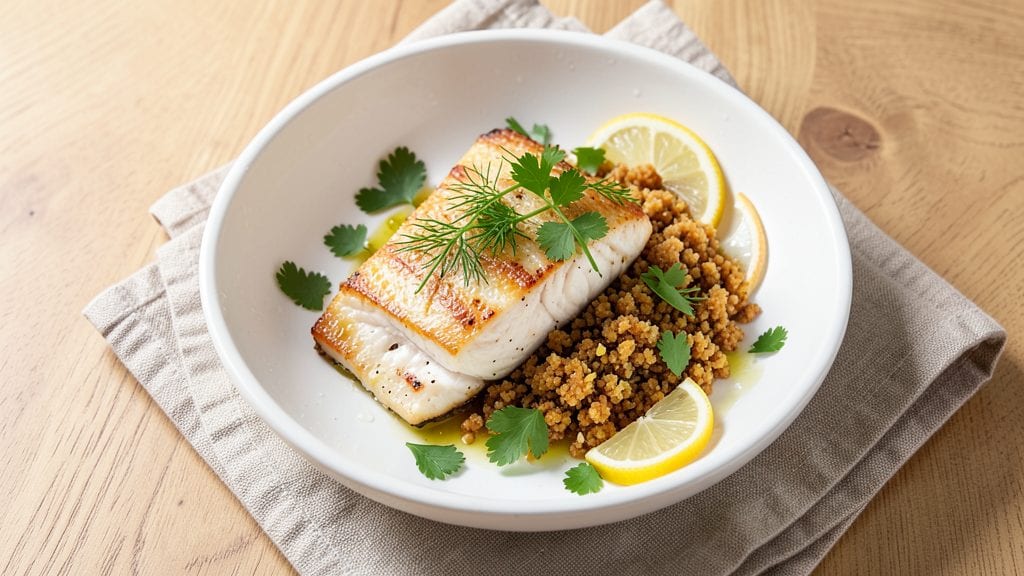
This baked white bass fillets recipe delivers the perfect balance of flaky texture and bright lemon-herb flavor that makes seafood feel special without the fuss. After years of perfecting oven-baked fish techniques, I’ve learned the secret to achieving that delicate, melt-in-your-mouth consistency—no overcooking, no dryness, just restaurant-quality results at home.
The key lies in precise preparation: gently patting the fillets dry, seasoning them lightly with salt and pepper, and baking them just until they reach 145°F—the ideal temperature for flaky yet tender white bass.
A quick lemon-herb marinade adds brightness, while a light coating of olive oil ensures a subtle golden crust. This method guarantees you’ll never end up with rubbery or overcooked fish again.
By the time you pull them from the oven, you’ll have perfectly flaky fillets with a delicate crust and a burst of citrusy aroma. The texture is so tender it practically falls apart at the touch, while the lemon-herb notes keep every bite vibrant and fresh.
These fillets pair beautifully with roasted vegetables, a crisp salad, or a simple lemon butter sauce for a complete meal.
Whether you’re cooking for a weeknight dinner or a special occasion, this recipe delivers foolproof results every time. The technique is simple, but the outcome is anything but ordinary—elevated, restaurant-worthy white bass that feels like a celebration on your plate. Let’s get started!
Ingredients for baked white bass fillet
Six ingredients transform simple white bass into restaurant-quality fillets with flaky perfection.
| Ingredient | Amount | Notes |
|---|---|---|
| White Bass Fillets 🐟 | 4 whole | Skin-on, 6-8 oz each |
| Extra-Virgin Olive Oil 🫒 | 2 tbsp | High-quality, fruity variety |
| Fresh Lemon Juice 🍋 | 2 tbsp | Freshly squeezed, no pulp |
| Fresh Parsley Leaves 🌿 | ¼ cup | Finely chopped, stems removed |
| Fresh Dill Weeds 🌿 | ¼ cup | Finely chopped, tender stems |
| Garlic Cloves 🧄 | 2 cloves | Minced, fresh preferred |
| Diamond Crystal Kosher Salt 🧂 | 1 tsp | Fine grain, lightly seasoned |
| Freshly Ground Black Pepper 🌶️ | ½ tsp | Coarsely cracked pepper |
| Unsalted Butter 🧈 | 1 tbsp | Cold, for crust enhancement |
| All-Purpose Flour 🌾 | 1 tbsp | For light dusting |
| Lemon Zest 🍋 | 1 tsp | Fine, from organic lemon |
The fillets are everything here. Look for fresh, skin-on white bass at your local seafood counter or specialty market—Whole Foods or Trader Joe's often carry them pre-portioned. If you're buying whole, ask for the fillets cut from the center of the fish; they're the most tender. The skin should be translucent, not dull or discolored. For best results, use fillets within 2 days of purchase. If you can't find white bass, tilapia or cod work well as substitutes, but adjust baking time to 10-12 minutes instead.
No fresh herbs? Dried parsley and dill at one-third the amount will work, but the flavor won't be as bright. The olive oil matters—avoid the cheap stuff. Look for extra-virgin with a fruity aroma, like California Olive Ranch or Colavita. For the lemon, fresh is non-negotiable; bottled juice lacks the complexity. If you're short on time, zest the lemon first, then juice it—you'll get more flavor out of it. The butter and flour combo creates that delicate crust; don't skip it unless you're going for a completely oil-only bake.
Prep ahead for foolproof results. Marinate the fillets for up to 30 minutes before baking—they'll absorb the lemon-herb blend beautifully. Store any unused marinade in an airtight container in the fridge for 2 days. If baking ahead, keep the fillets refrigerated until ready to cook; they'll stay fresh and flaky. The baked fillets reheat poorly, so plan to serve them immediately. For leftovers, wrap tightly in plastic and refrigerate for 1 day max—they're best enjoyed fresh from the oven.
Why You'll Love This Recipe
- No-Fuss Freshness: I swear by this recipe because it’s the only fish dish where the prep feels lighter than the meal itself—just pat the fillets dry, drizzle with olive oil, and let the oven do the work. No brining, no marinating overnight, no fussing with delicate sauces that might fall apart.
- Zesty Crisp Magic: That bright lemon juice and fresh dill? They turn flaky white bass into something ridiculously good—crisp edges from the olive oil, zingy tang cutting through the richness, and herbs that make every bite taste like a summer breeze. It’s the kind of flavor that disappears too fast, so I always double-check the portions.
- Weeknight to Picnic: Between us, this is my go-to when I need something that works for both lazy Tuesday dinners and sunny backyard lunches. Pack it in foil for a beach day or serve it straight from the pan for a no-stress family meal. Honestly, the only thing that changes is the setting—not the taste.
- Leftovers That Don’t Suffer: Most baked fish turns rubbery the next day, but not this. The lemon keeps it tender, and the herbs add a fresh kick even after reheating. I make a big batch on Sundays, portion it out, and freeze half—because who wants to cook on Wednesday anyway? It’s my secret weapon for lazy days.
Step-by-step instructions for baked white bass fillets recipe
Here's how to achieve perfectly flaky white bass with a golden crust and vibrant lemon-herb brightness.
Prepare the Herb Butter and Season the Fillets
In a small bowl, combine the 1 tablespoon unsalted butter, 1 tablespoon all-purpose flour, 1 teaspoon lemon zest, 1 teaspoon diamond crystal kosher salt, and 0.5 teaspoon freshly ground black pepper. Use a fork to mix until the butter and flour form a coarse crumb texture—this will create our flavorful crust. I like to press the mixture between my fingers to ensure even distribution of seasoning.
Meanwhile, pat each of the 4 whole white bass fillets very dry with paper towels, pressing firmly to remove all moisture. This step is crucial for achieving that crisp, golden crust. Arrange the fillets skin-side down on a clean work surface and season both sides generously with the remaining 1 teaspoon diamond crystal kosher salt. Let them sit at room temperature for 10 minutes while you prepare the herb mixture.
Create the Lemon-Herb Crust
In a separate bowl, finely chop the 0.25 cup fresh parsley leaves and 0.25 cup fresh dill weeds (stems removed) until you have a uniform, finely textured herb mixture. Add the 2 tablespoons fresh lemon juice and mix well. This bright, herby blend will infuse the fillets with incredible flavor while keeping them light and fresh.
Spread this herb mixture evenly over the seasoned fillets, pressing gently so it adheres. Then, using your fingers, lightly coat each fillet with the herb butter mixture, pressing it into the flesh. The butter will melt slightly and create a flavorful crust as it bakes. Place the coated fillets on a parchment-lined baking sheet, skin-side down, and drizzle evenly with the 2 tablespoons extra-virgin olive oil. This oil will help develop that beautiful golden color and crisp texture.
Bake to Flaky Perfection
Preheat your oven to 375°F and let it come to full temperature before baking. Place the baking sheet on the middle rack—this ensures even heat distribution. Bake the fillets for 12-15 minutes, depending on their thickness. You'll know they're done when the skin is golden brown and crisp, and the flesh flakes easily with a fork when tested gently at the thickest part.
Here's the thing—white bass cooks quickly, and overcooking will make it dry. If you're unsure, start checking at 12 minutes. The fillets should reach an internal temperature of 145°F at their thickest point. As soon as they're done, remove them from the oven and let them rest for 2-3 minutes on the baking sheet. This brief rest allows the juices to redistribute, ensuring each bite is moist and flavorful.
Finish with Fresh Herbs and Serve Immediately
While the fillets rest, transfer them to a serving platter. Sprinkle generously with the remaining herb butter mixture, letting it melt slightly over the hot fish. Add a final touch of minced 2 garlic cloves (cooked in the herb butter) for an aromatic finish. The garlic should be just warm enough to release its fragrance without overpowering the delicate fish.
Serve the fillets immediately, as they're best enjoyed right out of the oven. The contrast of the crisp, golden skin with the tender, flaky flesh is what makes this dish truly special. Pair with a simple arugula salad dressed with a touch of lemon and olive oil, or serve with roasted seasonal vegetables to complement the bright, herbal flavors.
Pro Tips For Making Baked White Bass Fillet
- Pat the fillets dry: White bass stays moist, but excess water turns your olive oil into a sad, bubbling soup. Grab paper towels and press firmly—don’t just wipe—especially near the edges where moisture hides. Trust me, crispy skin starts with dry fish.
- Use lemon zest, not just juice: That bright citrus flavor? It’s hiding in the zest. Sprinkle a fine grated strip over the fillets before baking—it melts into the oil and adds a complex aroma. Skip this, and you’re missing half the punch (yes, even if you squeeze extra juice).
- Don’t overcrowd the pan: I learned this the hard way—stacking fillets too close steams them instead of browning. Leave at least ½ inch between each piece, and if needed, bake in batches. Crowding guarantees limp, sad fish, not crispy edges.
- Bake at 375°F, not 400°F: White bass cooks fast, and 400°F turns it rubbery before the center hits 145°F. Stick to 375°F for 12–15 minutes—hot enough for flavor, gentle enough for flakiness. Your thermometer’s your best friend here.
Essential equipment for baked white bass fillet
Precision Oven Tools
Start with a high-quality oven thermometer like the Thermoworks Oven Thermometer—it ensures your oven is actually at 375°F (many ovens run hot or cold). I also recommend a meat thermometer with a thin probe (like ThermoWorks Smoke) to check internal temperature at 145°F—this prevents overcooking.
A lightweight baking sheet with raised edges (I use All-Clad Stainless Steel) prevents warping and ensures even heat distribution. 🌡️
Essential Prep Gear
For perfect texture, you’ll need paper towels (Bounty brand absorbs best) to pat fillets completely dry—this creates that crisp crust. A fine-mesh strainer (like OXO Good Grips) helps drain excess moisture from herbs if you prefer pre-chopped options.
A small mixing bowl (I use Le Creuset Stoneware) is perfect for combining the herb butter mixture. For garlic, a microplane (like Barbour Microplane) gives the finest minced texture for even distribution.
Crust-Enhancing Tools
The secret to that golden crust lies in two tools: a pastry brush (like OXO Good Grips Silicone) for evenly distributing olive oil, and a small offset spatula (I prefer Mercer Culinary Genesis) to spread the herb butter mixture without tearing the skin.
A parchment-lined baking sheet (use If You Care Unbleached Parchment) prevents sticking and makes cleanup effortless. For serving, a slotted spatula (like Victorinox Fish Turner) helps transfer fillets without breaking them. 🍋
Budget-Friendly Alternatives
Don’t have specialty tools? No problem! Use regular paper towels (any brand) for drying, and a fork to mix the herb butter. A wooden spoon works for spreading the mixture, and a kitchen knife (like Victorinox Fibrox) can chop herbs if you’re short on tools.
For temperature, a candy thermometer (like Taylor Precision) works in a pinch. The key is technique—proper drying and even coating matter more than expensive gadgets.
Pro Upgrades
For serious home cooks, invest in a digital kitchen scale (like OXO Good Grips) for precise herb measurements. A cast-iron skillet (I love Lodge Pre-Seasoned) can double as a baking vessel for extra crispiness.
For presentation, a fish spatula with silicone tips (like J. Bergner) makes plating effortless. And if you bake fish often, a fish basket (like Norpro) elevates fillets for perfect browning. These upgrades take your results from good to showstopping. ✨
Nutrition facts
Frequently asked questions about baked white bass
Why does my baked white bass turn out rubbery?
Overcooking is the #1 culprit! White bass cooks in 12-15 minutes at 375°F—any longer and it dries out. Always check with a meat thermometer at 145°F at the thickest part. Patting fillets bone-dry before baking also prevents rubberiness by promoting crispiness.
Can I bake white bass without skin?
Yes, but remove it before baking for even cooking. The skin adds texture and flavor, but skinless fillets cook 2-3 minutes faster. Just reduce baking time to 10-12 minutes and watch closely. For extra crispiness, sprinkle with 1 tbsp breadcrumbs before baking.
What’s the best way to reheat leftover baked white bass?
Reheating is tricky—white bass loses moisture fast. For best results, wrap fillets in foil and bake at 300°F for 5-6 minutes max. Microwaving is risky (it dries them out). Pro tip: Cook only what you’ll eat fresh—these fillets shine best straight from the oven.
How do I substitute white bass if I can’t find it?
Use tilapia, cod, or mahi-mahi—they bake similarly. Adjust time to 10-12 minutes (white bass is leaner). For deeper flavor, add ½ tsp smoked paprika to the herb butter. Avoid flaky fish like haddock (they overcook faster).
Can I bake white bass in the oven without parchment?
Yes, but use a well-greased baking sheet to prevent sticking. For extra insurance, lightly oil the fillets with 1 tsp olive oil before seasoning. Parchment is ideal for easy cleanup, but a greased sheet works in a pinch. Just avoid nonstick sprays—they can make the skin soggy.