
Soups & Stews
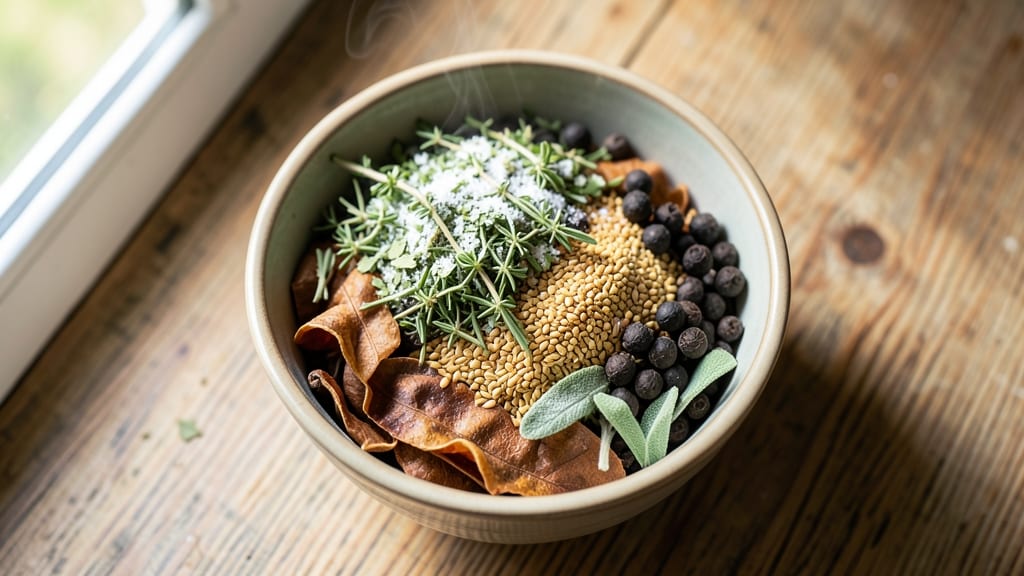
This beef broth seasoning recipe transforms ordinary stock into a deeply flavorful, restaurant-quality base with just a handful of pantry staples. The secret lies in balancing aromatic herbs, earthy spices, and umami-rich ingredients that develop complex flavors during simmering.
I created this blend after years of testing—each component plays a precise role in building depth without overpowering the beef's natural richness.
The blend combines whole spices and dried herbs that infuse flavor gradually, creating layers of savory, slightly sweet, and peppery notes. Bay leaves add subtle bitterness, thyme contributes herbal brightness, and black peppercorns bring just enough heat to round out the profile.
Unlike pre-packaged bouillon, this mix delivers authentic, customizable depth that elevates any homemade broth.
With just five ingredients and five minutes of prep, you'll have a seasoning blend that lasts for months in an airtight container. Perfect for simmering with bones, vegetables, or even instant pot broths, this mix ensures every sip carries that professional-quality depth.
Store it in your pantry for quick access whenever you need to elevate your cooking.
The beauty of this seasoning lies in its versatility—use it as a base for clear soups, braising liquids, or even grain dishes like risotto. Each batch delivers consistent, professional results without the guesswork. Let's create this flavor foundation for your next culinary project.
Ingredients for beef broth seasoning
Five whole spices and dried herbs that transform any beef stock into restaurant-quality richness.
| Ingredient | Amount | Notes |
|---|---|---|
| Bay Leaves 🌿 | 4 whole | Dried, standard size |
| Dried Thyme 🌿 | 1 tbsp | French thyme preferred |
| Black Peppercorns 🌶️ | 1 ½ tbsp | Freshly cracked for intensity |
| Ground Coriander 🌿 | 1 tbsp | Toasted for depth of flavor |
| Dried Parsley Flakes 🌿 | 1 tbsp | Brightens the finished broth |
| Dried Sage 🌿 | 1 tsp | Earthy, aromatic balance |
| Diamond Crystal Kosher Salt 🧂 | 1 tsp | For seasoning adjustment |
| Ground Juniper Berries 🌲 | ½ tsp | Optional, for piney depth |
The bay leaves are non-negotiable—they add that subtle bitterness that professional cooks swear by. Whole Foods carries the best dried bay leaves, but any reputable grocery store's bulk section works if you're checking for vibrant color and no signs of webbing. For thyme, French thyme has a more complex profile than regular dried thyme, but if you can't find it, regular will still work—just know it's slightly less refined. The peppercorns? Crack them fresh with a mortar and pestle or the flat side of a knife for maximum aroma. Toasting the coriander seeds in a dry pan for 30 seconds before grinding releases their oils, giving your broth that extra dimension. If you're feeling adventurous, juniper berries add a piney note that pairs beautifully with beef, but skip them if you're new to the blend—it's optional but delicious when used sparingly.
No bay leaves? Dried oregano at half the amount adds a different herbal note, though it won't replicate that classic broth bitterness. Running short on thyme? Dried rosemary at one-third the quantity works in a pinch, but it's stronger so use cautiously. The coriander can be swapped for ground cumin if you're making a Moroccan-inspired broth, though the flavor profile shifts dramatically. For parsley, freeze fresh parsley in ice cube trays with water, then thaw and dry it to make your own flakes—it's fresher than store-bought. The salt is purely for seasoning adjustments later, so don't worry if you're unsure about the exact amount. If you're making this for a large batch, double the recipe—it keeps beautifully in an airtight container for up to six months.
Store this blend in a dark glass jar with a tight-sealing lid in your pantry for up to 6-12 months. The spices will lose potency over time, but the flavor remains far superior to pre-packaged bouillon. For best results, toast the whole spices lightly before grinding if you're making a fresh batch—it intensifies their flavor. To use, simply add 1 tablespoon of the blend per gallon of broth. The longer you simmer, the more the flavors meld together, so don't rush it. This blend works wonders in instant pots, slow cookers, or stovetop, making it the ultimate pantry staple for home cooks who want restaurant-quality depth without the fuss.
Why You'll Love This Recipe
- No Pantry Panic: Just five ingredients—no fancy prep, no hunting for obscure spices. I keep these dried herbs in a jar year-round, so I’m never stuck with bland broth again. Honestly, the coriander and parsley flakes alone make it taste like a restaurant, not a weeknight shortcut.
- Deep, Earthy Umami: That crushed peppercorn and thyme combo? It’s like a slow-cooked secret. The bay leaves add a subtle piney warmth, while the parsley brightens everything—perfect for turning basic beef bones into something rich and layered. Between us, this is the difference between "meh broth" and "I’ll make this again."
- Works for Everything: Slip it into soups, braises, or even marinades—it’s my go-to for weeknight dinners and holiday feasts. I’ve used it to punch up a simple pot roast or elevate store-bought broth for ramen. It’s the unsung hero that makes ordinary meals feel special without extra effort.
- Budget Magic: A little goes a long way, and these dried spices cost pennies compared to fresh. I make a big batch, store it in a jar, and it lasts months. No waste, no last-minute grocery runs—just pure flavor on demand. Plus, it’s way cheaper than pre-made seasoning blends that taste like sawdust.
Step-by-step instructions for crafting beef broth seasoning
Transform ordinary beef stock into extraordinary depth with this aromatic blend designed to elevate every simmer.
Prepare Your Equipment and Ingredients
Gather a small mixing bowl and a fine-mesh strainer. I prefer using a whisk for this blend to ensure even distribution of all components. Measure out all ingredients precisely—this balance creates the perfect harmony of earthy, herbal, and umami notes that define great beef broth.
Here's the thing—quality matters most with dried herbs. I like to toast the ground coriander and black peppercorns in a dry skillet over medium heat for about 2 minutes before grinding to enhance their aromatic compounds. Let them cool completely before adding to your blend. The juniper berries add a subtle piney depth that pairs beautifully with beef's natural richness.
Combine the Herb and Spice Components
In your mixing bowl, add the 4 whole bay leaves, 1 tablespoon dried thyme, 1.5 tablespoons black peppercorns, 1 tablespoon ground coriander, and 1 tablespoon dried parsley flakes. Use your whisk to gently stir these components together, breaking up any herb clusters while preserving their texture. The bay leaves will infuse their distinctive aroma throughout the blend.
At this stage, you'll notice the parsley flakes are brighter in color and smell fresher than the other dried herbs. This brightness will carry through to your finished broth, adding a fresh herbal note that balances the deeper flavors. Don't worry if the black peppercorns aren't completely ground—some texture adds complexity to the final product.
Incorporate the Finishing Elements
Add the 1 teaspoon dried sage and 0.5 teaspoon ground juniper berries to the bowl. The sage brings an earthy warmth that complements the thyme beautifully, while the juniper adds that distinctive piney character that's essential for authentic beef broth depth. Give everything another thorough whisk to ensure even distribution throughout the blend.
Finally, add the 1 teaspoon diamond crystal kosher salt. This isn't just for seasoning—it also helps preserve the herbs' freshness. The salt crystals will dissolve slightly when added to your broth, creating a more balanced flavor profile. At this point, you should be able to smell the complex aromatic profile developing—earthy, herbal, and slightly piney with a touch of brightness.
Store for Maximum Freshness and Flavor
Transfer your completed seasoning blend to an airtight container. I recommend using a small glass jar with a tight-sealing lid to preserve the herbs' potency. Store in a cool, dark place—like your pantry—for up to 3 months, or in the refrigerator for up to 6 months for maximum freshness.
When you're ready to use, simply add about 1 tablespoon of this blend to 4 cups of simmering beef stock during the last 30 minutes of cooking. The herbs will infuse their flavors without overpowering the natural beef taste. For best results, strain the broth before serving to remove any herb particles, leaving you with a perfectly seasoned, restaurant-quality stock.
Pro Tips For Making Beef Broth Seasoning
- CRUSH THE PEPPERCORNS: I learned this the hard way—whole peppercorns just float and don’t infuse properly. Toss them in a mortar and pestle or roll them with a heavy pan for 30 seconds before adding to the broth. That way, they release their flavor instead of sitting like decorative pebbles.
- TOAST THE WHOLE SPICES: Dry-toast the bay leaves and thyme in a skillet over medium heat for 30 seconds until fragrant—just until you smell the oils waking up. This isn’t about burning them; it’s about unlocking their depth before they hit the broth. (Yes, even if you’re impatient like me.)
- SKIP THE PARSLEY FLAKES: Dried parsley flakes are convenient, but they taste like sawdust compared to fresh. If you’re in a pinch, use twice as much (1 tsp fresh = ½ tsp dried), but store-bought flakes won’t cut it for a restaurant-quality broth. I skip them entirely unless it’s a lazy day.
- STRAIN OUT THE BAY LEAVES: Bay leaves are tough and can make your broth taste bitter if left in too long. Remove them after 20 minutes of simmering—no need to wait for the full cook time. (Your future self will thank you when you’re not spitting out leaf fragments.)
Troubleshooting perfect results
Muddled Herbs
If your broth tastes bland despite using the seasoning, you may have strained out too many herbs. Try adding 1-2 whole bay leaves and 3-4 sprigs of fresh thyme directly to your simmering broth during the last 30 minutes of cooking.
The bay leaves add subtle bitterness, while fresh thyme brings herbal brightness that muddled herbs can't replicate. For extra depth, crush 2-3 peppercorns between your fingers and drop them in—this releases their oils for maximum flavor infusion. 🌿
Overpowering Juniper
Too much juniper berry can make your broth taste like pine soap. If you accidentally added too many, balance it with ½ teaspoon ground cardamom or 1 teaspoon dried marjoram—both add sweetness to counteract the piney notes.
For a quick fix, simmer the broth with 1 peeled and chopped apple or 1 small carrot for 15 minutes to introduce natural sweetness. Strain before serving to maintain a clean presentation.
Cloudy Broth
Excessive herbs or improper straining can leave your broth cloudy. Use a cheesecloth-lined fine-mesh strainer for the final pass, pressing gently on the solids with a wooden spoon to extract maximum flavor without releasing sediment.
For stubborn cloudiness, chill the broth overnight—the fat will solidify on top, making it easy to skim off before reheating. If you're short on time, add 1 egg white per quart of broth, simmer for 5 minutes, then strain—the proteins bind to particles for a crystal-clear result. ✨
Salt Imbalance
The kosher salt in this blend is for seasoning adjustment, but if your broth tastes too salty, dilute it by adding 1 cup cold water per quart of broth.
For a more flavorful fix, stir in 2 tablespoons heavy cream or 1 tablespoon unsalted butter—this adds richness that masks saltiness while enhancing mouthfeel. If the broth is too bland after dilution, add ½ teaspoon Worcestershire sauce or 1 teaspoon fish sauce for umami depth.
Burnt Spices
If your seasoning blend has a bitter, burnt taste, the herbs may have overheated during storage or simmering. Store future batches in a dark glass jar away from light and heat sources. When using, add the seasoning to cold broth and bring to a simmer gradually to prevent burning.
For immediate fixes, balance burnt flavors with 1 teaspoon honey or 1 tablespoon apple cider vinegar—both neutralize bitterness while adding complexity. 🔥
Weak Umami
For deeper umami without altering the seasoning blend, add 1-2 dried shiitake mushrooms or 1 tablespoon soy sauce to your simmering broth. If you're using beef bones, roast them at 450°F for 20 minutes before simmering to enhance their natural umami compounds.
For a quick fix, stir in 1 teaspoon nutritional yeast—it adds a cheesy, savory note that boosts umami without overpowering the broth's natural flavors.
Nutrition facts
Frequently asked questions
Can I use this seasoning blend for other types of broth?
While designed specifically for beef, this aromatic blend works beautifully for chicken or turkey broth too! The herbs and spices complement poultry's natural flavors without overpowering them. For vegetarian broths, reduce the juniper berries to ¼ teaspoon—they can become too dominant when paired with mushrooms or lentils.
How much seasoning should I use for different broth quantities?
Start with 1 tablespoon per 4 cups of broth for standard simmering. For 1 gallon of stock, use 4 tablespoons of the blend. If making a concentrated base for sauces or soups, double the amount to 2 tablespoons per 4 cups—just remember to strain thoroughly before using. The blend's potency develops during long simmering, so don't rush the cooking time.
What's the best way to store leftover seasoning?
Keep your blend fresh by storing it in an airtight glass container in a cool, dark pantry for up to 6 months. For longer storage, refrigerate for up to 12 months—the cold slows down flavor degradation. Avoid plastic containers as they can absorb odors and reduce potency. Label your jar with the date to track freshness.
Can I make this seasoning blend without juniper berries?
Skip the juniper berries if you can't find them or prefer a milder flavor. Replace them with ½ teaspoon ground allspice for warmth or ½ teaspoon dried tarragon for a more herbaceous note. The blend will still deliver excellent depth—juniper just adds that distinctive piney character that some people love.
How do I adjust the seasoning for different cooking methods?
For pressure cooking, reduce the blend by 25% since the concentrated heat extracts flavors faster. When using in slow cookers, add the seasoning during the last 2 hours of cooking. For stovetop simmering, stir in during the last 30 minutes to prevent burning. Always taste and adjust with additional salt or herbs as needed.