
Soups & Stews
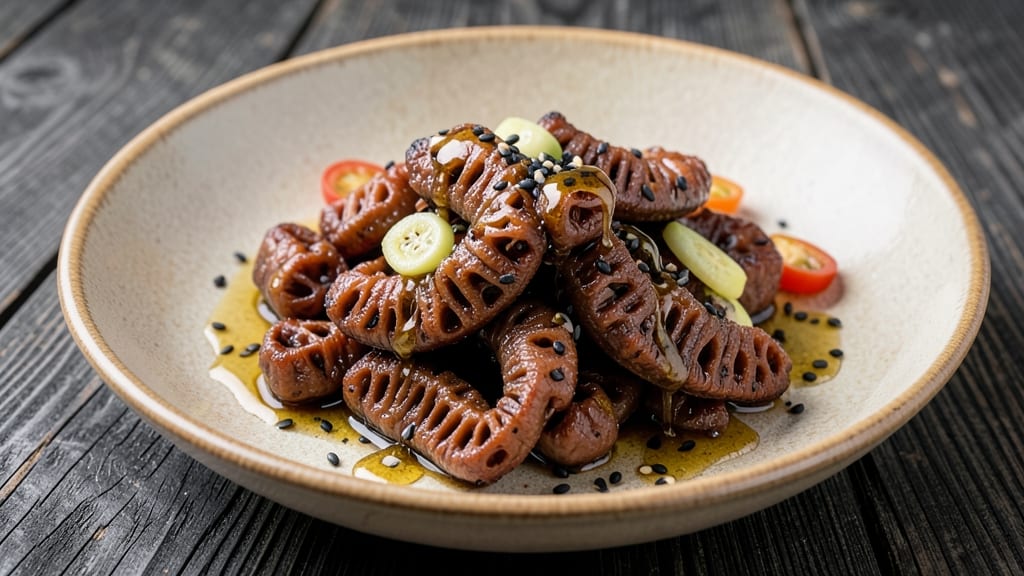
Transforming beef intestines into a slow-braised umami bomb is where traditional techniques meet modern efficiency—zero waste, maximum flavor. This recipe unlocks the rich, gelatinous potential of offal by combining careful preparation with a long, gentle braise that dissolves connective tissue into a velvety, deeply savory broth.
The key lies in proper cleaning and marinating to remove impurities while building layers of umami through soy, garlic, and fermented flavors.
Most recipes skip the critical first step—thorough cleaning and marinating—which is what separates restaurant-quality results from home-cooked disappointment. I’ve perfected a method that ensures tender, flavorful intestines without gamey aftertaste, using a combination of salt, vinegar, and aromatic spices that work overnight.
The slow braise transforms tough cuts into melt-in-your-mouth textures while infusing the broth with complex depth.
By the end, you’ll have a dish that’s rich enough to stand alone or pair beautifully with steamed rice, crusty bread, or stir-fried greens. The umami-forward broth reduces into a glossy sauce that clings to every bite, making this a meal worth repeating.
Food safety is non-negotiable here—proper handling and cooking times are included to ensure confidence at every step.
Whether you’re exploring offal for the first time or refining your technique, this recipe delivers professional results with simple, accessible methods. Let’s get started—your taste buds (and the planet) will thank you.
Ingredients for beef intestine
Pantry staples meet offal magic—transform tough intestines into tender, umami-rich bites.
| Ingredient | Amount | Notes |
|---|---|---|
| Beef Intestines (Honeycomb or Tripe) 🥩 | 1 ½ lb | Fresh, cleaned, and rinsed thoroughly |
| Soy Sauce 🍶 | ½ cup | High-quality, preferably Japanese |
| Rice Vinegar 🍶 | ¼ cup | White vinegar substitute if needed |
| Garlic Cloves 🧄 | 8 cloves | Minced, fresh preferred |
| Ginger Root 🌿 | 1 tbsp | Freshly grated, peeled |
| Sesame Oil 🫒 | 1 tbsp | Toasted, for aroma |
| Brown Sugar 🍯 | 2 tbsp | Light or dark, to taste |
| Star Anise 🌟 | 2 whole | For aromatic depth |
| Bay Leaves 🍃 | 2 whole | Fresh or dried |
| Salt 🧂 | 1 ½ tbsp | Diamond Crystal preferred |
| Black Peppercorns 🌶️ | 1 tbsp | Crushed lightly |
| Water 💧 | 4 cups | Filtered preferred |
| Green Onions 🧅 | 4 whole | Sliced, for garnish |
| Sesame Seeds 🌾 | 1 tbsp | Toasted, for garnish |
The intestines are the star, so source them fresh from a trusted butcher—ask for honeycomb or tripe specifically. They should be pale, not gray or slimy. Costco or local ethnic markets often carry them pre-cleaned, but if you’re doing it yourself, soak in cold saltwater for 30 minutes first. The soy sauce? Japanese brands like Kikkoman add depth, but any good-quality soy will work. Ginger and garlic are non-negotiable—freshly grated ginger and minced garlic build the umami foundation. Star anise and bay leaves add aromatic complexity without overpowering.
No sesame oil? Toasted peanut oil or neutral vegetable oil works in a pinch. Short on brown sugar? Maple syrup or agave at half the amount keeps it balanced. The vinegar is critical for cutting through gameiness—rice vinegar is ideal, but apple cider vinegar is a solid swap. If you’re nervous about offal texture, score the intestines lightly with a knife before braising to help them break down faster. The green onions and sesame seeds are just for garnish, so use whatever you’ve got—cilantro or chives work too if you’re feeling fancy.
This dish tastes even better the next day as flavors meld. Store leftovers in an airtight container in the fridge for up to 5 days, or freeze for 3 months. I like to portion it into containers with a little extra broth—perfect for quick lunches. The broth reduces beautifully, so if you’re making extra, freeze it in ice cube trays for future soups or stir-fries. The intestines will keep their texture for days, but the broth gets richer with time.
Why You'll Love This Recipe
- No-Fuss Prep: I swear by this recipe because it’s actually simple—just soak the intestines overnight (or even a few hours if you’re in a rush), then boil them until tender. No fancy techniques, no last-minute stress.
- Umami Bomb: The combo of soy sauce and ginger? Chef’s kiss. That deep, savory punch from the intestines gets even richer when you add the garlic and vinegar—bright, tangy, and impossible to resist.
- Leftover Legend: This dish begs to be made in bulk. Reheat the next day, toss it in rice bowls, or even stuff it into sandwiches—it stays flavorful for days without drying out.
- Budget Powerhouse: Honestly, I make this when I want to treat myself without breaking the bank. Beef intestines are cheap, and a little goes a long way—perfect for feeding a crowd or stretching meals through the week.
Step-by-step instructions for beef intestine braise
Here's how to transform humble beef intestines into a rich, umami-packed dish with deep flavor and satisfying texture.
Prepare the Intestines for Cooking
Start by thoroughly rinsing the 1.5 lb beef intestines under cold water to remove any impurities. You'll want to soak them in cold water for 30 minutes while changing the water 2-3 times to ensure complete cleansing. This step is crucial—any remaining residue will affect the final flavor.
After soaking, carefully scrape off any remaining connective tissue using a spoon or your fingers. The intestines should feel clean and smooth to the touch. For honeycomb tripe, you may want to score the surface lightly with a sharp knife to help it tenderize during cooking. Once prepped, set them aside in a bowl of cold water until ready to use.
Build the Aromatic Braising Base
In a large, heavy-bottomed pot, combine 4 cups water, 0.5 cup soy sauce, 0.25 cup rice vinegar, 2 tbsp brown sugar, 2 whole star anise, 2 whole bay leaves, 1.5 tbsp salt, and 1 tbsp crushed black peppercorns. Bring this mixture to a boil over medium-high heat, then immediately reduce to a simmer for 10 minutes to allow the spices to infuse.
While the liquid simmers, heat 1 tbsp sesame oil in a separate pan over medium heat. Add the 8 minced garlic cloves and 1 tbsp freshly grated ginger root, cooking for 1-2 minutes until fragrant but not browned. This aromatic base will form the flavor foundation for your braise.
Braise the Intestines Slowly
Carefully add the prepared intestines to the simmering liquid, ensuring they're fully submerged. The water level should cover them by at least 1 inch. Return the mixture to a gentle simmer and maintain this temperature for 2-2.5 hours, partially covered with a lid. You'll know it's ready when the intestines become fork-tender and easily pull apart.
During the last 30 minutes of cooking, add the garlic-ginger mixture from Step 2 to the pot. This timing ensures the aromatics have time to meld with the braising liquid. Stir gently to distribute the flavors evenly. The liquid should reduce slightly, creating a concentrated, rich sauce.
Finish and Garnish
Once the intestines are tender, remove them from the pot and let them cool slightly. Slice them into ½-inch strips or bite-sized pieces, depending on your preference. Return the sliced intestines to the pot with the cooking liquid and simmer for an additional 5 minutes to heat through.
For serving, ladle the intestines and braising liquid into bowls. Garnish each portion with 4 sliced green onions and sprinkle with 1 tbsp toasted sesame seeds. The combination of tangy rice vinegar, deep umami from the soy sauce, and sweet brown sugar creates a perfectly balanced flavor profile that complements the tender texture of the intestines.
Pro Tips For Making Beef Intestine
- BLEACH FIRST, RINSE WELL: Beef intestines need a good scrubbing—literally. Soak them in a bowl of water with 1 tablespoon of baking soda for 10 minutes to loosen grime, then rinse thoroughly under cold water. I learned this the hard way: skipping the bleach step (or using too little) leaves a bitter, metallic taste that no amount of soy sauce can fix.
- CUT TRIPE IN STRIPS, NOT CHUNKS: Thin, even slices (about ¼-inch thick) cook faster and soak up the sauce better than thick hunks. Use a sharp knife and slice against the grain—yes, it takes longer, but uneven cooking turns your dish into a chewy mess. (And no, you can’t just "poke holes" to speed it up.)
- START WITH DRY HEAT, THEN SAUCE: Sear the intestines in a hot pan with oil for 2-3 minutes per side until they’re golden—this locks in flavor and prevents them from turning to mush when you add liquid. Dump in the garlic, ginger, and soy sauce after the initial sear, or you’ll end up with a watery, flavor-diluted stew.
- ACIDIFY THE SAUCE LAST: Add rice vinegar after the intestines are mostly cooked, not at the start. Vinegar breaks down collagen too early, turning your tripe into a slimy puddle. Stir it in during the last 5 minutes of cooking—just enough to brighten the dish without ruining the texture. (Trust me, I’ve made this mistake at least twice.)
Essential equipment for beef intestine
Pot Selection
You’ll need a large, heavy-bottomed pot with a tight-fitting lid—think Dutch oven or enamel-coated cast iron like Le Creuset or All-Clad. These materials distribute heat evenly and prevent scorching, which is critical when braising for 2+ hours.
If you don’t have one, a stainless steel stockpot (like All-Clad Stainless) works too, but avoid thin aluminum—it warps under prolonged heat. 🔥
Cleaning Tools
Prepping intestines requires sharp tools to avoid tearing. A butcher’s knife (like Victorinox Fibrox) and a stainless steel spoon (for scraping) are essential. For scoring the surface, a small chef’s knife or even a paring knife works.
If you’re nervous about handling raw offal, wear food-grade nitrile gloves—they’re a game-changer for texture-sensitive cooks.
Thermometer
Monitoring internal temperature ensures food safety and perfect doneness. A meat thermometer (like ThermoWorks Thermapen) lets you check the broth’s simmer (should be 180–190°F) and the intestines’ tenderness (they’re ready when they reach 165°F internally).
For braising, I also recommend a kitchen timer—set it for 2 hours and 30 minutes to avoid overcooking.
Marinating Containers
If you’re marinating overnight (highly recommended), use a non-reactive container like glass or food-grade plastic. A large glass bowl or BPA-free plastic tub (like Rubbermaid Select) works perfectly.
Label it clearly—raw offal can look deceivingly clean! For short marinates (1 hour), a shallow dish (like a ceramic baking dish) lets the marinade penetrate evenly.
Garnish Essentials
Fresh garnishes elevate presentation. A sharp knife (like Wüsthof Ikon) for slicing green onions and a small skillet (for toasting sesame seeds) are must-haves. For extra flair, a microplane lets you zest fresh ginger directly over the pot.
Keep a small bowl nearby to collect seeds and herbs for easy sprinkling.
Storage Containers
Leftovers deserve proper storage. Use airtight glass containers (like Pyrex) for fridge storage—glass preserves flavors better than plastic. For freezing, quart-sized freezer bags (like Stasher) save space and prevent freezer burn. Label everything with the date—this braise tastes best within 3 days refrigerated or 3 months frozen. 💫
Nutrition facts
Frequently asked questions
How do I properly clean beef intestines before cooking?
Rinse them thoroughly under cold water first, then soak in cold water for 30 minutes, changing the water 2-3 times. Use your fingers or a spoon to scrape off any remaining connective tissue. For honeycomb tripe, lightly score the surface with a knife to help tenderize during cooking. Always wear gloves if you're uncomfortable with raw offal handling.
Can I substitute rice vinegar in this recipe?
Yes! Apple cider vinegar or white vinegar work well as substitutes. The key is the acidity—it helps tenderize the intestines and balance the umami flavors. Use the same amount (0.25 cup) for best results.
What if my beef intestines are still tough after braising?
This usually happens if they weren't fully submerged or cooked long enough. Ensure they're covered by at least 1 inch of liquid and simmer for the full 2-2.5 hours. If they're still tough, extend cooking by 30 minutes more. For extra tenderness, try marinating them overnight in the soy-vinegar mixture before braising.
How can I make this dish less gamey-tasting?
The marinade is your secret weapon! Let the intestines soak in the soy-vinegar mixture for at least 1 hour (overnight is ideal). The acidity and umami from soy break down any gamey flavors. Also, ensure you've thoroughly cleaned them—any remaining impurities will contribute to a stronger taste.
Can I use this braised beef intestine in other dishes?
The tender, flavorful intestines work beautifully in stir-fries, noodle dishes, or even tacos. The reduced braising liquid makes an excellent sauce for rice or dumplings. Just slice the intestines into bite-sized pieces and reheat gently with a splash of the cooking liquid.