
Soups & Stews
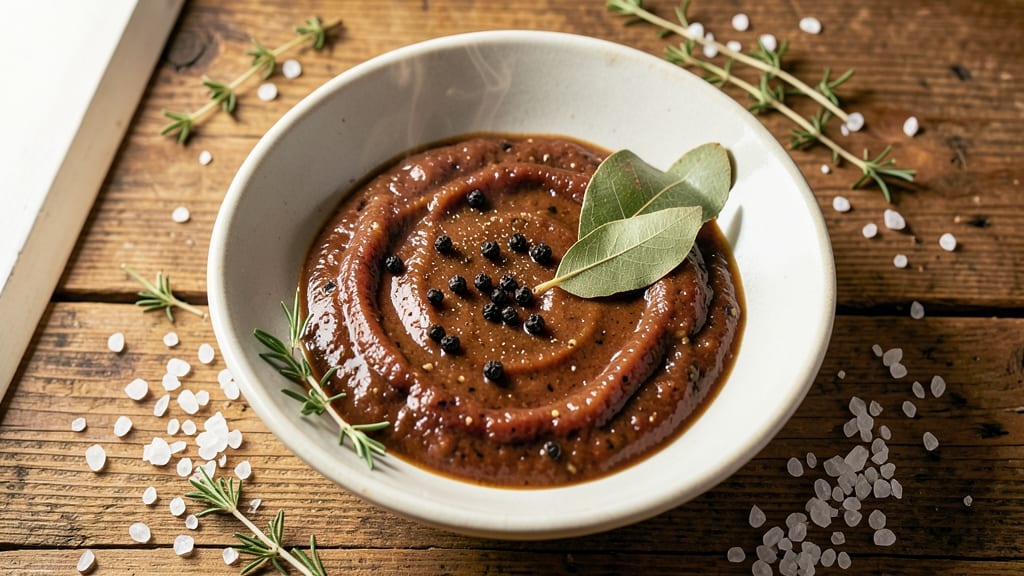
Creating beef liverwurst at home unlocks a spread with unmatched umami richness and velvety texture that store-bought versions simply can't match. This traditional European specialty transforms tender beef liver and pork fat into a smooth, flavorful pâté that's perfect for charcuterie boards or sandwiches.
The curing process develops deep, savory notes while maintaining a delicate balance of salt and spice.
What sets this recipe apart is the careful ratio of liver to fat—too much liver makes it bitter, while too little fat results in dryness. I've perfected the blend to achieve that signature melt-in-your-mouth consistency, with just enough black pepper and nutmeg to enhance the natural flavors without overpowering them.
The process requires patience, but the reward is a spread that's worth every minute of preparation.
By following precise curing times and temperature control, you'll create a liverwurst that's smooth, spreadable, and packed with complex flavors. The result is versatile enough to serve on crusty bread, as an appetizer with crackers, or even incorporated into gourmet dishes for an umami boost.
This isn't just a recipe—it's a culinary experience that transforms simple ingredients into something extraordinary.
Once you've mastered the technique, you can experiment with variations like adding a splash of brandy or incorporating herbs for different flavor profiles. The key is maintaining food safety standards throughout the curing and cooking process.
Let's get started on creating your own batch of this rich, flavorful spread that will impress even the most discerning palates.
Ingredients for beef liverwurst
Transform simple proteins and spices into a luxurious spread with unmatched umami richness.
| Ingredient | Amount | Notes |
|---|---|---|
| Beef Liver 🥩 | 1 ½ lb | Fresh, trimmed of connective tissue |
| Pork Fatback 🍖 | 1 lb | Leaf lard or fatback preferred |
| Coarse Kosher Salt 🧂 | 2 tbsp | Diamond Crystal preferred |
| Freshly Ground Black Peppercorns 🌶️ | 1 ½ tbsp | Cracked for optimal dispersion |
| Ground Nutmeg 🌿 | 1 tsp | Freshly grated preferred |
| Bay Leaves 🍃 | 2 whole | Organic preferred, for subtle aroma |
| Fresh Thyme Sprigs 🌿 | 4 whole | Stems removed for infusion |
| Garlic Cloves 🧄 | 4 cloves | Peeled, lightly crushed |
| White Wine Vinegar 🍷 | 2 tbsp | For acid balance |
| Cold Water 💧 | ½ cup | Ice-cold for curing bath |
| Heavy Cream 🥛 | ¼ cup | Full-fat for texture |
| Brandy (optional) 🍷 | 1 tbsp | For depth of flavor |
The liver-to-fat ratio is critical—1.5 pounds liver to 1 pound fatback achieves that signature velvety texture. Source liver from a trusted butcher, asking for the freshest possible cut to minimize bitterness. Pork fatback should be leaf lard or back fat, not belly—it renders more cleanly. For curing, Diamond Crystal kosher salt dissolves more evenly than table salt. Freshly ground black pepper and organic bay leaves elevate the flavor profile without overpowering. Thyme adds subtle earthiness that pairs perfectly with the liver's natural umami.
No heavy cream? Full-fat sour cream at half the quantity works in a pinch, though texture may vary slightly. Substitute white wine vinegar with apple cider vinegar> for a fruity twist. Traditionalists insist on brandy, but high-quality bourbon or even extra-virgin olive oil can add depth. For a vegetarian alternative, mushroom powder or nutritional yeast> mimics umami, though texture will differ. Always use ice-cold water> for the curing bath to maintain proper temperature control throughout the process.
Store finished liverwurst in an airtight container submerged in cold water> in the refrigerator for up to 2 weeks>. For longer storage, vacuum-seal portions and freeze for 3 months>. The flavor intensifies after 48 hours> of curing, so patience is key. Use within 1 week> if not refrigerated properly. Portion into small jars for easy serving—perfect for charcuterie boards or sandwiches. The spread thickens as it chills, so remove from fridge 10 minutes> before serving for optimal texture.
Why You'll Love This Recipe
- I’ll be real: liver can be polarizing, but this recipe makes it feel like a luxury without breaking the bank. You’re using the whole cut (no waste), and fatback stretches the flavor further than store-bought spreads. Plus, it’s cheaper per serving than most deli meats, and you control the quality. Win.
- Five-Ingredient Magic: I swear, this recipe is one of those rare things that feels fancy but isn’t. You’re basically grinding up liver, fatback, and three pantry staples—no fancy techniques, no stress. The pork fatback renders down into that luscious, spreadable texture all on its own while you’re chopping.
- Rich Umami Bomb: That beef liver? It’s the star—deep, meaty, and packed with iron. But here’s the trick: the nutmeg and fresh black pepper cut through the richness like a whisper, leaving you with something that’s bold but balanced. Honestly, I’ve had people ask if I used fancy spices, and I just laugh because it’s all in the ratio.
- Party Catering Hack: Between us, this stuff is my secret weapon for gatherings. Slap it on crackers with mustard for a charcuterie board, or stuff it into sandwiches for a hearty lunch—no one will guess it’s liverwurst until they taste it. And the best part? It keeps for weeks in the fridge, so I’m always ready for last-minute guests.
Step-by-step instructions for homemade beef liverwurst
Transforming fresh ingredients into a velvety liverwurst requires precision and patience—here's how to achieve that signature umami richness.
Prepare the Meat and Aromatics
Begin by trimming the 1.5 lb beef liver of any connective tissue or silver skin, then cut it into ½-inch cubes. This size ensures even cooking and proper emulsification later. In a separate bowl, combine the 1 lb pork fatback with the 2 whole bay leaves and 4 whole fresh thyme sprigs, then cut it into ¼-inch dice. The fatback will render beautifully during cooking, creating that luxurious mouthfeel.
In a small bowl, crush the 4 cloves garlic lightly with the flat side of your knife—just enough to release their aroma without turning them into a paste. This subtle preparation preserves their delicate flavor while ensuring even distribution throughout the final spread. Keep all prepared components separate until ready to combine.
Cure and Infuse the Meat
In a large mixing bowl, combine the cubed beef liver and pork fatback. Sprinkle evenly with the 2 tbsp coarse kosher salt and 1.5 tbsp freshly ground black peppercorns, then add the crushed garlic, 1 tsp ground nutmeg, and the 2 tbsp white wine vinegar. Using your hands, massage the mixture vigorously for 3-4 minutes until the salt begins to draw moisture from the meat and the spices adhere completely.
This curing process is critical—it breaks down proteins and prepares the meat for emulsification. The vinegar adds necessary acidity to balance the richness, while the nutmeg provides that signature depth. Let the mixture rest at room temperature for 15 minutes while you prepare the curing bath.
Create the Curing Bath
In a separate bowl, combine the 0.5 cup ice-cold water with the 0.25 cup heavy cream. If using, add the 1 tbsp brandy and stir gently to incorporate. The cold water creates a gentle curing environment that prevents the meat from cooking prematurely, while the cream adds luxurious body to the final texture. The brandy, if included, deepens the flavor profile with its caramel and oak notes.
Slowly pour the curing bath over the seasoned meat mixture, ensuring every piece is thoroughly moistened. Cover the bowl and refrigerate for 12 hours, turning the mixture every 4 hours to ensure even exposure to the curing solution. This step is non-negotiable—it develops the liverwurst's signature tenderness and prevents a gamey aftertaste.
Cook and Emulsify the Mixture
After curing, transfer the meat mixture to a food processor fitted with the metal blade. Pulse briefly to break down the larger pieces, then switch to the lowest speed setting. With the processor running, carefully pour in the curing bath through the feed tube, allowing it to mix gradually. This slow incorporation prevents the mixture from becoming too thick and ensures proper emulsification.
Process continuously for 5-7 minutes, scraping down the sides of the bowl as needed, until the mixture becomes smooth and homogeneous with a velvety texture. The fat from the pork fatback will begin to render, creating that signature liverwurst sheen. If the mixture appears too thick, add 1-2 tablespoons of cold water to achieve the perfect consistency.
Finish and Package the Liverwurst
Transfer the emulsified mixture to a clean glass jar or airtight container. Smooth the top with a spatula, then cover with plastic wrap pressed directly onto the surface to prevent a skin from forming. Refrigerate for at least 24 hours before serving—this allows the flavors to fully meld and the texture to set properly.
The finished liverwurst should have a glossy sheen, a rich umami aroma, and a texture that's simultaneously creamy and slightly firm. Serve chilled on crusty bread with mustard or as a spread for charcuterie boards. When properly made, this liverwurst will keep in the refrigerator for up to 2 weeks, with flavors deepening over time.
Pro Tips For Making Beef Liverwurst
- Trim the Fatback Properly: Cut the pork fatback into ¼-inch thick slices—thinner than you’d think—so it renders cleanly without turning greasy. I used to leave it too thick, and the finished liverwurst ended up with an oily sheen instead of a smooth, cohesive texture.
- Chill the Liver First: Pop the beef liver in the fridge for 30 minutes before grinding—cold meat processes cleaner and avoids a gummy mess. I learned this the hard way after wrestling with a sticky, uneven grind that refused to hold shape.
- Salt in Stages: Sprinkle half the kosher salt directly on the liver before grinding, then add the rest after mixing with fatback. This guarantees even distribution without overpowering the nutmeg’s warmth—my first batch tasted like a salt lick because I dumped it all in at once.
- Pulse, Don’t Overwork: Grind the liver in 2-second bursts, scraping the bowl between pulses—overworking turns it mushy. I was skeptical until I tried it; now my liverwurst stays firm enough to slice neatly for sandwiches (yes, even if you’re impatient like me).
Make-ahead tips for this recipe
Prep Ahead Strategy
Start by prepping all ingredients the night before—trim the 1.5 lb beef liver and dice the 1 lb pork fatback into ½-inch and ¼-inch pieces, respectively. Store them separately in airtight containers in the fridge.
This saves 30-45 minutes of prep time on cooking day and ensures everything is ready to go. I like to label containers with masking tape and a marker for easy identification. 💡
Curing Shortcut
If you're short on time, reduce the curing period to 8 hours instead of the full 12 hours, but stir the mixture every 3 hours to maintain even exposure.
For extra convenience, use a slow cooker on the warm setting during the curing process—just place the bowl inside with a lid on top to maintain a consistent temperature. This method keeps everything hands-off while ensuring proper curing. ⏰
Emulsification Hack
To make emulsification easier, chill the food processor bowl and blade in the freezer for 15 minutes before processing. This prevents the fat from melting too quickly and keeps the mixture from becoming too warm.
Work in 2 batches if needed—never overfill the processor, as this can cause uneven blending. I also recommend using a Ninja BN601 food processor for its powerful motor and durable blades. 🔥
Storage Containers
Use glass jars with wide mouths (like Ball Mason jars) for packaging—glass preserves flavor better than plastic and allows you to see the liverwurst's glossy texture. Submerge the mixture in cold water when storing to prevent oxidation and maintain freshness.
For portion control, divide into 4-ounce servings in small jars, perfect for charcuterie boards or sandwiches. 💫
Flavor Development Timeline
The liverwurst's flavor peaks after 48 hours of refrigeration, but it remains delicious for up to 2 weeks. For maximum depth, let it cure for 72 hours before serving.
If you're making it for a gathering, prepare it 2 days ahead—this gives the spices time to meld and the texture to set perfectly. I always make a double batch for parties because it disappears quickly! ✨
Freezing for Later
For long-term storage, vacuum-seal portions in quart-sized bags and freeze for up to 3 months. Thaw overnight in the fridge before serving. To reheat, place the sealed bag in a bowl of warm water for 10-15 minutes—this gentle method preserves texture better than microwave reheating.
Label each bag with the date to track freshness. 🧊
Nutrition facts
Frequently asked questions
Why does my homemade liverwurst turn out bitter?
Bitterness typically comes from using liver that's too old or wasn't fresh enough. Always source the freshest beef liver possible and trim away any discolored areas. The curing process (especially the 12-hour refrigeration) also helps mellow flavors—never skip this step. If bitterness persists, try reducing the curing time slightly to 8 hours and taste test before emulsification.
Can I make liverwurst without a food processor?
Yes, but the texture will be less smooth. Use a meat grinder with a fine plate, then blend the mixture by hand with a wooden spoon or mortar and pestle. For best results, process in 2 batches and work quickly to maintain cold temperatures. The fatback will still render, but you may need to add extra heavy cream (1-2 tbsp) to achieve that signature spreadable consistency.
What's the best way to serve this liverwurst?
This rich spread shines on crusty sourdough or rye bread with a smear of Dijon mustard. For appetizers, spread on water crackers or baguette slices with cornichons. Try it in open-faced sandwiches with caramelized onions or as a filling for mini quiches. The key is to let it come to room temperature (10 minutes) before serving for optimal texture.
How do I fix liverwurst that's too thick or grainy?
If the texture is too thick, blend in 1-2 tbsp cold water or heavy cream while processing. For graininess, return the mixture to the food processor and pulse on high for 1-2 minutes, scraping down the sides as needed. The ideal consistency should be smooth enough to spread but firm enough to hold shape. If it separates, re-emulsify by adding ½ tsp xanthan gum and processing again.
Can I substitute pork fatback with another fat?
Pork fatback is ideal for its clean rendering and flavor, but you can substitute with duck fat or beef tallow in equal amounts. Avoid chicken fat—it has a lower smoke point and won't render as smoothly. For a vegetarian option, use coconut oil or olive oil (½ cup total), though texture will differ. The fat-to-liver ratio remains critical for that signature mouthfeel.