
Soups & Stews
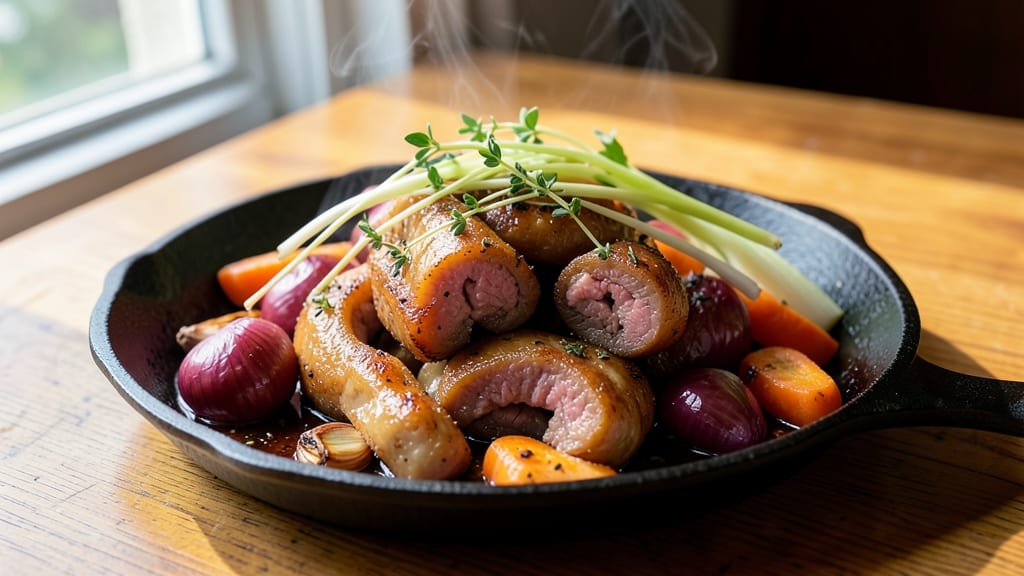
Transforming beef marrow guts into a deeply flavorful one-pot dish reveals one of the most rewarding techniques in traditional cooking—where humble offal becomes a centerpiece of umami richness. This recipe preserves authenticity while simplifying the process, ensuring tender texture and layered seasoning that elevate every bite.
The key lies in precise preparation and slow cooking, which breaks down connective tissue into velvety perfection.
Cleaning and trimming the marrow guts properly is non-negotiable—this step removes bitterness and ensures a clean, palatable result. Once prepped, the guts are seared to lock in flavors before braising in a rich broth with aromatic vegetables, garlic, and herbs.
The slow simmer transforms tough cuts into melt-in-your-mouth tenderness, while the marrow itself infuses the dish with a luxurious depth.
What you’ll achieve is a restaurant-quality stew where the guts absorb the broth’s savory essence, creating a dish that’s both hearty and refined. The texture becomes irresistibly tender, the aroma intoxicating, and the flavor profile unmistakably authentic.
Serve with crusty bread or polenta to soak up every last drop of that umami-rich sauce.
This recipe isn’t just about technique—it’s about reclaiming a lost culinary tradition with modern precision. Whether you’re exploring offal for the first time or perfecting a family heirloom method, the result is a one-pot masterpiece that commands the table. Let’s begin with the foundational steps that make all the difference.
Ingredients for beef marrow guts
Transform humble offal into a luxurious one-pot masterpiece with these carefully selected ingredients.
| Ingredient | Amount | Notes |
|---|---|---|
| Beef Marrow Guts 🥩 | 1 ½ lb | Cleaned and trimmed properly |
| Yellow Onions 🧅 | 1 whole | Medium, peeled and quartered |
| Carrots 🥕 | ½ lb | Medium, peeled and sliced |
| Celery Stalks 🥬 | 4 whole | Medium, trimmed and chopped |
| Garlic Cloves 🧄 | 6 cloves | Fresh, peeled and smashed |
| Fresh Thyme 🌿 | ¼ oz | Or 1 tbsp dried thyme |
| Fresh Rosemary 🍃 | ¼ oz | Or 1 tbsp dried rosemary |
| Bay Leaves 🍃 | 2 whole | Dried, standard size |
| Tomatoes 🍅 | 2 medium | Ripe, peeled and crushed |
| Red Wine 🍷 | 1 cup | Dry, bold variety preferred |
| Beef Broth 💧 | 4 cups | Homemade or high-quality store |
| Olive Oil 🫒 | 2 tbsp | Extra-virgin for searing |
| Salt 🧂 | 1 ½ tsp | Diamond Crystal preferred |
| Black Peppercorns 🌶️ | ½ tsp | Freshly cracked |
| Crusty Bread 🍞 | 1 loaf | For serving, optional |
The beef marrow guts are the foundation—source from a trusted butcher who specializes in offal cuts. Look for pieces with minimal fat and a vibrant pinkish hue rather than grayish tones, which indicates freshness. Most butchers will clean and trim them for you, but if you're doing it yourself, rinse thoroughly and pat dry before searing. For the aromatic vegetables, organic produce ensures cleaner flavor profiles without bitterness. The garlic should be firm and free of sprouts, while the thyme and rosemary should be bright green with no wilting. If you can't find fresh herbs, dried varieties work at one-third the quantity but lack the same depth of flavor.
Substitutions are possible but may alter texture and flavor. No red wine? Use an additional 1 cup beef broth with 1 tbsp balsamic vinegar for depth. No tomatoes? A 1 tbsp tomato paste will provide similar umami. For the crusty bread, sourdough or a high-fiber baguette works best—avoid soft sandwich bread, which won't hold up to the rich sauce. If you're using pre-minced garlic, toast it in olive oil first to enhance its flavor. The olive oil must be extra-virgin; lower-quality oils will burn during searing and detract from the final dish's richness.
Store any unused beef marrow guts in an airtight container in the fridge for up to 2 days—they don't keep well beyond that. The aromatic vegetables (onions, carrots, celery) can be prepped ahead and stored in the fridge for 3-4 days before cooking. Once braised, this dish reheats beautifully—simply warm gently on the stove with a splash of broth. Leftovers keep for 4-5 days in the fridge or can be frozen for up to 3 months. For serving, toast the crusty bread just before plating to maintain crispness and pair with a sharp cheddar or aged gouda for an elevated experience.
Why You'll Love This Recipe
- One-Pot Magic: I swear by this—just chop the onions, carrots, and celery into rough chunks (no knife skills required), toss them in with the marrow guts and garlic, and let the pot do the work. The onions caramelize right into the broth, so you’re basically making a flavor bomb with zero extra effort.
- Umami Bomb: Between us, beef marrow guts have a richness that’s hard to beat. When you slow-cook them with onions and garlic, that deep, savory taste seeps into every bite—like a hug for your taste buds. The carrots add just enough sweetness to balance it out, so it’s never overpowering.
- Leftovers That Shine: This recipe actually improves the next day. The flavors meld even more, and the marrow guts get even more tender. I double the batch on Sundays because it’s perfect for lunches—just reheat and serve with rice or crusty bread. No sad, dry leftovers here.
- Budget-Friendly Powerhouse: Honestly, marrow guts are one of the most affordable cuts you’ll find, and they stretch far. A single package feeds four, and the veggies (onions, carrots, celery) are pantry staples. You’re getting a hearty, satisfying meal without breaking the bank—my wallet thanks me every time.
Step-by-step instructions for beef marrow guts stew
A deep, umami-rich one-pot that transforms humble marrow guts into a velvety, aromatic centerpiece.
Sear the Marrow Guts for Maximum Flavor
Heat the 2 tablespoons olive oil in a heavy Dutch oven over medium-high heat until shimmering. Pat the 1.5 pounds beef marrow guts completely dry with paper towels—this ensures a proper sear. Working in batches, brown the marrow guts on all sides for 3-4 minutes per batch, pressing down gently with a spatula to prevent curling. The goal is to develop a deep, caramelized crust that will infuse the broth with rich, meaty flavor. Transfer the browned marrow guts to a plate and set aside.
Real talk: If the oil smokes excessively, reduce the heat slightly. You want a golden sear, not a burnt crust. This step is non-negotiable—it builds the stew's depth of flavor from the ground up.
Sauté the Aromatic Vegetables
In the same Dutch oven, add the 1 whole yellow onion, 0.5 pound carrots, and 4 whole celery stalks, all cut into ¼-inch dice. Cook over medium heat for 8-10 minutes, stirring occasionally, until the vegetables soften and the onions become translucent. Add the 6 cloves garlic cloves, 0.25 ounce fresh thyme, and 0.25 ounce fresh rosemary, stirring for an additional 1-2 minutes until fragrant.
Here's the thing—don't rush this step. The vegetables should release their natural juices and develop a slight caramelization. If they stick, add a splash of water and scrape up the browned bits from the bottom of the pot. These fond bits are packed with flavor and will dissolve into the broth later.
Deglaze and Build the Broth
Pour in the 1 cup red wine and scrape the bottom of the pot vigorously with a wooden spoon to release all the browned bits. Let the wine simmer for 3-4 minutes until reduced by half, allowing the alcohol to cook off and the wine's acidity to mellow. Add the 2 whole bay leaves, 2 medium tomatoes (crushed by hand), 1.5 teaspoons salt, and 0.5 teaspoon black peppercorns, stirring to combine.
Next, pour in the 4 cups beef broth, bringing the mixture to a gentle simmer. Return the seared marrow guts to the pot, ensuring they're fully submerged. Partially cover the pot and let it simmer over low heat for 1 hour, stirring occasionally. This slow cook allows the marrow guts to break down gently, releasing their gelatinous richness into the broth.
Finish and Rest for Optimal Texture
After 1 hour, the marrow guts should be tender and the broth should have thickened slightly, developing a glossy, velvety consistency. Remove the bay leaves and adjust the seasoning if needed—this is your chance to taste and refine. The stew should be rich, umami-forward, and perfectly balanced between the meaty depth of the marrow guts and the bright acidity of the wine and tomatoes.
Let the stew rest, uncovered, for 10-15 minutes before serving. This resting period allows the flavors to meld and the broth to thicken further. Serve the stew hot, accompanied by slices of 1 loaf crusty bread for dipping. The bread will soak up the luxurious broth, making every bite even more satisfying.
Pro Tips For Making Beef Marrow Guts
- SCOUR THE GUTS: Beef marrow guts come with a natural film—don’t skip scrubbing them under cold water with a stiff brush. I learned this the hard way when mine tasted bitter; that coating is where the funk hides.
- Slice Celery Thin: Dice celery into ⅛-inch pieces, not the usual ¼-inch chunks. It cooks faster and blends into the sauce instead of sitting as identifiable bits—trust me, your future self will notice.
- Brown the Onions First: Start with onions on medium heat until they’re deep golden, not just soft. That caramelization builds flavor before the marrow guts even hit the pan—rushing this step makes the whole dish taste flat.
- Deglaze with Wine: After browning the guts, splash in ½ cup of dry white wine (or broth) and let it simmer 2 minutes. It cuts through the richness and adds depth—yes, even if you’re not a wine drinker.
Flavor customization for this dish
Spicy Umami Kick
For a bold twist, add 1 tbsp gochujang paste and 1 tsp chili flakes when deglazing with red wine. The Korean-inspired fermented chili adds a deep, smoky heat that complements the marrow guts' richness.
I also stir in 1 tbsp fish sauce at the end for an extra umami punch. Serve with steamed jasmine rice to balance the spice. 🌶️
Herb-Infused Variations
Swap the thyme and rosemary for 1 tbsp fresh tarragon and 1 sprig fresh marjoram for a lighter, more floral profile. These herbs pair beautifully with the marrow guts' earthy notes.
For a Mediterranean twist, add 1 tsp dried oregano and ½ tsp smoked paprika during the searing step. The paprika adds a subtle smokiness that deepens the stew's complexity.
Creamy Velvety Texture
For a luxurious finish, stir in ½ cup heavy cream during the final 10 minutes of simmering. This creates a silky, velvety texture that contrasts with the tender marrow guts.
I also recommend adding 1 oz mascarpone cheese at the end for extra creaminess. Garnish with fresh parsley and a drizzle of truffle oil for an elegant touch. 💫
Smoky Grilled Finish
For a smoky depth, transfer the cooked stew to a cast-iron skillet and place it directly over a grill or gas burner set to medium-high heat. Cover with a lid and let it sear for 3-4 minutes to develop a smoky crust.
The charred edges add a new dimension to the dish. Serve with grilled cornbread for a Southern-inspired twist.
Citrus Brightness
Finish the stew with zest of 1 lemon and 2 tbsp fresh lemon juice to cut through the richness. The citrus adds a refreshing contrast that brightens the umami flavors. I also like adding thin slices of orange peel during the final simmer for a subtle sweetness.
This variation works especially well with the spicy version, balancing the heat with acidity.
Cheesy Comfort Twist
Stir in 1 cup shredded Gruyère cheese during the last 5 minutes of cooking until fully melted. The nutty, sharp cheese adds a comforting richness that pairs perfectly with the tender marrow guts.
For extra indulgence, top with crispy fried shallots before serving. This version feels like a hearty, cheesy stew you’d find in a rustic European tavern.
Nutrition facts
Frequently asked questions
What exactly are beef marrow guts and where can I find them?
Beef marrow guts are the innards containing bone marrow from beef cows, often used in traditional offal dishes. They're typically sold at specialty butcher shops or ethnic markets that handle offal cuts. Look for pieces with a vibrant pinkish hue and minimal fat—this indicates freshness. Many butchers will clean and trim them for you, but always ask for proper preparation to remove any bitterness.
Can I substitute beef marrow guts with other offal?
While beef marrow guts are ideal for this recipe, you could substitute with other tender offal like beef sweetbreads or lamb heart. However, the texture and flavor will differ—sweetbreads will be more delicate, while heart has a firmer bite. For a similar umami depth, beef tripe works but requires longer braising (2-3 hours). Always adjust cooking times based on the specific cut.
How do I know when the marrow guts are fully cooked?
The marrow guts are done when they're fork-tender with no resistance—think of a texture similar to poached chicken. After 1 hour of simmering, they should easily pull apart with minimal effort. If they're still tough, continue cooking for another 15-20 minutes. The broth should also thicken noticeably, coating the back of a spoon.
What if my stew tastes too bitter?
Bitterness usually comes from undercooked offal or improper cleaning. If this happens, add 1 tbsp balsamic vinegar or 1 tbsp lemon juice to balance the flavor. For a richer taste, stir in 1 tbsp fish sauce or a pinch of sugar to round out the profile. Always ensure your marrow guts are thoroughly rinsed and patted dry before searing to prevent bitterness from the start.
Can I make this recipe in a slow cooker?
Yes! Sear the marrow guts first, then transfer everything to a slow cooker. Cook on low for 6-8 hours or high for 3-4 hours until tender. The slow cooker method is ideal for working parents or busy schedules—just skip the resting time and adjust seasoning at the end. The texture will be slightly softer but equally flavorful.