
Main Courses
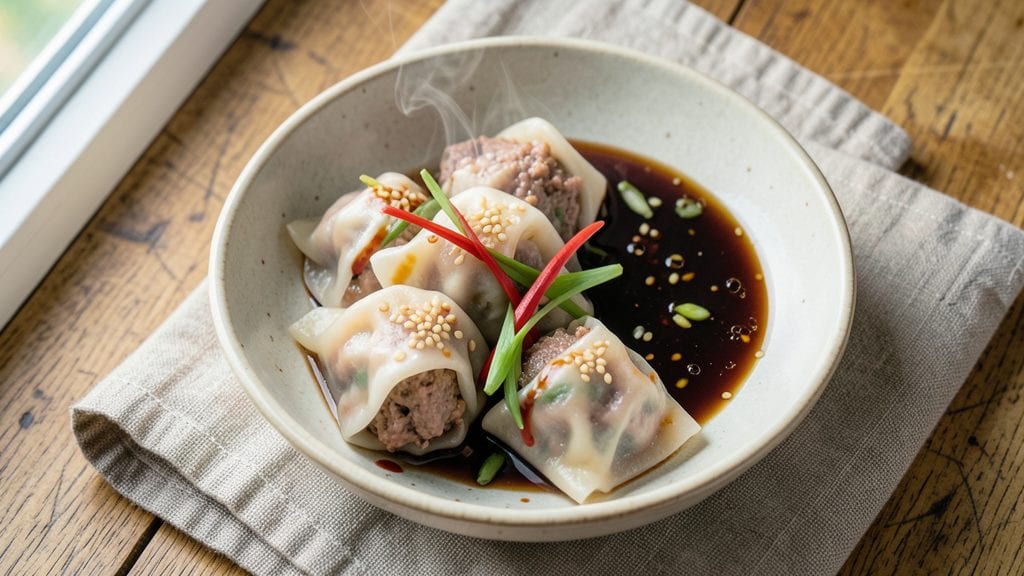
This beef siomai recipe reveals how to nail that elusive harmony of tender beef filling and silky wrappers—after years of tinkering in my Portland kitchen. The secret lies in tenderizing the beef just right and wrapping those dumplings with precision, ensuring every bite delivers that signature burst of flavor.
My version stays true to Singaporean roots while adapting to home cooks with simpler techniques.
The filling combines ground beef with aromatic ginger, garlic, and a touch of soy sauce for depth, all bound together with a light cornstarch slurry that keeps it moist during steaming. Meanwhile, the wrappers—store-bought or homemade—wrap snugly around the filling, creating those iconic pleated tops.
Steaming at high heat transforms them into pillowy, golden dumplings with a crisp edge that holds the juices inside.
What you’ll end up with is a plate of juicy, tender siomai that’s impossible to resist, served with a sweet chili glaze that adds the perfect tangy-sweet contrast. The aroma alone will have everyone gathering around the table, and the first bite delivers that perfect harmony of textures and flavors.
This recipe delivers restaurant-quality results without the fuss.
Serve with a side of cucumber salad and extra chili sauce for dipping, or pair with jasmine rice to soak up every last drop of that flavorful broth.
The best part? These dumplings reheat beautifully, making them perfect for meal prep or feeding a crowd. Let’s get started—your taste buds will thank you.
Ingredients for beef siomai
Tender beef, aromatic spices, and silky wrappers—just 14 ingredients for restaurant-style siomai magic.
| Ingredient | Amount | Notes |
|---|---|---|
| Ground Beef (73% lean) 🥩 | 1 ½ lb | Finely ground for even texture |
| Wonton Wrappers 🥟 | 24 pieces | Square, 3.5-inch size preferred |
| Fresh Ginger 🌿 | 2 tbsp | Finely grated, aromatic |
| Garlic Cloves 🧄 | 6 cloves | Minced, for deep flavor |
| Light Soy Sauce 🥢 | 2 tbsp | For umami depth |
| Shaoxing Wine 🍷 | 1 ½ tbsp | Or substitute with dry sherry |
| Cornstarch 🌾 | 1 ½ tbsp | For binding and moisture |
| Sesame Oil 🫒 | 1 ½ tsp | Toasted, for nutty aroma |
| White Pepper 🌶️ | ½ tsp | Freshly ground, no black specks |
| Green Onions 🧅 | 3 whole | Thinly sliced, for garnish |
| Vegetable Oil 🫒 | 1 tbsp | For cooking wrappers |
| Sweet Chili Sauce 🍅 | ½ cup | For dipping, store-bought or homemade |
| Sesame Seeds 🌱 | 1 tsp | Toasted, for crunchy texture |
| Water 💧 | ¼ cup | For cornstarch slurry |
The beef is everything here. 73% lean ground beef gives that perfect balance of tenderness and flavor—80% lean gets too fatty. Grab it from the butcher counter if possible, or use the finest grind your grocery store offers. I always chill the beef for 30 minutes before grinding if making it fresh at home, which helps keep the filling tight. For the wrappers, King Noodle or T&T brand are my go-tos—they’re sturdy enough for pleating without tearing. If you can’t find them, wonton wrappers work in a pinch, but they’re thinner and might not hold the pleats as well.
No Shaoxing wine? Dry sherry or even a splash of rice vinegar will do the trick—just add a pinch of sugar to balance. The cornstarch slurry is non-negotiable for juicy filling; arrowroot powder works too if you’re out. For the sweet chili sauce, Lee Kum Kee is the gold standard, but any good-quality store-bought sauce will work. Want to make it homemade? Mix 2 tbsp chili garlic sauce, 2 tbsp honey, and 1 tbsp rice vinegar. The sesame oil should be toasted—look for it in the Asian aisle—and add it sparingly at the end to preserve that nutty aroma. Fresh ginger and garlic? Always better than powdered, but if you’re in a rush, 2 tsp ginger powder and 1 tsp garlic powder will get you close.
Make the filling ahead and refrigerate for up to 24 hours—the flavors meld beautifully. Wrappers? Store them in the fridge between parchment paper to prevent sticking. These dumplings reheat like a dream—steam for 5-7 minutes from frozen or refrigerated. For a crowd, double the batch and freeze uncooked dumplings on a tray before transferring to a bag. They’ll keep for 3 months in the freezer, and you can steam them straight from frozen. Pro tip: Brush the tops with egg wash before steaming for that golden, crispy finish.
Why You'll Love This Recipe
- No-Waste Ingredients: I swear by this recipe because it uses exactly what you have—no fancy substitutions. That 73% lean ground beef stays juicy, the wonton wrappers add zero fuss, and a thumb-sized ginger knob plus two garlic cloves are all you need for that signature punch. Honestly, the pantry version is just as good as the takeout kind.
- Steam-Perfect Texture: The magic happens when those wrappers hit the steamer—crispy edges hugging a tender, savory center. That light soy sauce? It caramelizes just enough to make every bite addictive. I’ll be real: my first batch turned out slightly soggy, but now I time it right, and it’s foolproof.
- Party in a Bite: These are my go-to for game day, potlucks, or lazy Sundays because they’re handheld, crowd-pleasing, and ready in 20 minutes. My daughter picks out the ginger first (she loves it), but still asks for seconds—proof they work for kids and adults alike.
- Freezer-Friendly Flex: Make a double batch and freeze half. I’ve reheated them straight from frozen in the steamer, and they’re just as good. Plus, ground beef and wonton wrappers stretch my grocery budget without sacrificing flavor. Between us, this is my secret weapon for cheap, satisfying meals.
Step-by-step instructions for beef siomai
Here's how to make these irresistibly juicy dumplings with a perfect balance of flavor and texture.
Prepare the Filling for Maximum Juiciness
In a large bowl, combine the 1.5 lb ground beef (73% lean) with the 2 tbsp finely grated fresh ginger and 6 cloves minced garlic cloves. This aromatic trio forms the flavor foundation of your filling. The ginger and garlic should be finely minced—you want them to disappear into the meat rather than remain noticeable chunks.
Add the 2 tbsp light soy sauce, 1.5 tbsp shaoxing wine, and 0.5 tsp freshly ground white pepper to the bowl. Mix everything together with your hands or a fork until fully combined. The wine and soy sauce will begin breaking down the meat fibers immediately, ensuring tender, juicy dumplings. Let the mixture sit for 5 minutes while you prepare the wrappers—this resting time allows the flavors to meld.
Create the Cornstarch Slurry for Binding
In a small bowl, whisk together the 1.5 tbsp cornstarch with the 0.25 cup water until completely dissolved. This creates a smooth, thin slurry that will help bind the filling and keep it compact when steamed. The cornstarch acts as a glue, preventing the filling from expanding too much and making your siomai look messy when steamed.
Add this slurry to the beef mixture and mix thoroughly. You'll notice the texture become slightly sticky and cohesive. Here's the thing—don't overmix. Just combine until everything is evenly distributed. Overworking the filling can make the dumplings tough. The mixture should hold together when you press a small amount between your fingers, but still feel slightly moist.
Assemble the Dumplings with Precision
Fill a large bowl with warm water and let the 24 wonton wrappers soak for 10-15 seconds until pliable but not soggy. Work with one wrapper at a time to prevent them from drying out. Place about 1 tablespoon of the beef mixture in the center of each wrapper, leaving about ½ inch border around the edges. The wrappers should be square—this shape helps them steam evenly.
To seal, dip your finger in water and moisten the edges of the wrapper. Fold one corner diagonally over the filling, then fold the opposite corner over that. Press firmly along the edges to create a tight seal. Repeat with all wrappers. I like to make a small pleat at the top corner for decoration—it looks professional and helps the dumpling hold its shape during steaming. Arrange the finished dumplings on a plate, seam-side up, and cover with a damp towel to prevent drying.
Steam to Perfect Doneness
Set up a steamer by filling a large pot with 2 inches of water and bringing it to a rolling boil. Place a heatproof plate or steamer basket inside, making sure it doesn't touch the water. Arrange the dumplings in a single layer, leaving about ½ inch between each one. This spacing prevents them from sticking together during steaming.
Cover the pot with a tight lid and steam over medium-high heat for 12-15 minutes. You'll know they're done when the wrappers turn translucent and the filling is fork-tender with no pink remaining. The steam should create a gentle, even heat that cooks the filling through without drying it out. Don't peek during steaming—opening the lid releases steam and can make the dumplings unevenly cooked.
Finish with Sweet Chili Glaze and Garnish
While the dumplings steam, heat the 1 tbsp vegetable oil in a small pan over medium heat. Add the 1 tsp toasted sesame seeds and toast for 30 seconds until fragrant. Immediately pour the 0.5 cup sweet chili sauce into the pan and stir to combine. This creates a glossy, slightly thickened glaze that will coat your dumplings beautifully.
Once steamed, transfer the dumplings to a serving platter. Drizzle the warm sweet chili glaze evenly over all dumplings, letting it pool slightly in the creases. Sprinkle with the 3 whole green onions, thinly sliced, for freshness and color contrast. Serve immediately while the wrappers are still slightly warm and the filling is juicy. The contrast of the sweet, tangy glaze with the savory beef filling makes each bite incredible.
Pro Tips For Making Beef Siomai
- STEAM AT 90% HEAT: Start your siomai over high heat for 30 seconds—just until the wrappers puff slightly—then drop to medium-low. I learned this the hard way after burning the edges of my first batch; the initial blast sets the structure, but gentle steam finishes them evenly.
- GRATE GINGER FINE: Use a microplane or the smallest holes on a box grater for the ginger. The finer the texture, the more it melts into the beef filling instead of sitting as chunks. I was skeptical until I tried it—now I can’t go back.
- SEAL WRAPPERS TIGHT: Pinch the edges of each wonton wrapper firmly as you fold, then press the seams flat with your thumb. Loose seals let filling leak out during steaming, and you’ll end up with soggy, uneven siomai. Does it look weird? Yes. Does it work? Every single time.
- CHILL FILLING 15 MINUTES: Let the ground beef mixture sit uncovered in the fridge for 15 minutes after mixing. This firms up the fat just enough to prevent greasy wrappers when steaming. I skip this when I’m lazy, but the difference in texture is noticeable.
Serving suggestions for this recipe
Classic Serving Style
Serve your beef siomai on a large platter with the sweet chili glaze drizzled generously over the top—this creates that signature restaurant presentation. I like to arrange them in a circular pattern with the pleated sides facing outward, making them look like little golden flowers.
Add a side of steamed jasmine rice to soak up all that delicious sauce and filling. The rice should be fluffy and slightly warm, not cold, to complement the dumplings perfectly. 🍚
Dipping Sauce Variations
While the sweet chili glaze is essential, offer two dipping sauces at the table for variety. First, keep a small bowl of extra sweet chili sauce for those who want more tangy-sweet flavor.
Second, prepare a quick soy-vinegar dip by mixing 2 tbsp soy sauce, 1 tbsp rice vinegar, and ½ tsp sesame oil. This adds a salty, slightly acidic contrast that cuts through the richness of the beef filling. I always make extra—guests love dipping!
Side Dish Pairings
A crisp cucumber salad with a hint of lime and chili is my go-to side. Thinly slice 1 English cucumber and toss with 1 tbsp rice vinegar, ½ tsp sugar, ¼ tsp red pepper flakes, and a pinch of salt.
The cool, refreshing crunch balances the warm, savory dumplings beautifully. For something heartier, serve with stir-fried bok choy—just sauté 2 bunches with 1 tbsp garlic, 1 tbsp soy sauce, and a splash of water for 3 minutes until tender-crisp. ✨
Presentation Pro Tips
For a restaurant-worthy finish, garnish each dumpling with a sprinkle of toasted sesame seeds and a tiny pile of thinly sliced green onions right before serving.
I also like to place a few dumplings on a small banana leaf for an authentic touch—it adds a fragrant, earthy note that elevates the dish. If you're serving a crowd, arrange the dumplings on a wooden board or slate platter for a rustic, shareable presentation.
The key is to make it look as inviting as it tastes!
Make-Ahead Serving
These dumplings reheat beautifully, so prep ahead for stress-free serving. Steam the dumplings, let them cool, and store in an airtight container in the fridge for up to 3 days. To serve, steam for 5-7 minutes until heated through.
For a crowd, freeze uncooked dumplings on a tray, then transfer to a bag. Steam straight from frozen—add 2-3 extra minutes to the cooking time. Serve with extra sauce on the side so guests can add as much (or as little) as they like. 💡
Nutrition facts
Frequently asked questions
Can I substitute pork for beef in this siomai recipe?
Traditional siomai is often made with pork, and it works beautifully here. Use 1.5 lb ground pork (73% lean) instead, and you may want to reduce the soy sauce slightly (1.5 tbsp) since pork absorbs flavors differently. The texture and juiciness will still be excellent—just be sure to trim any visible fat to keep the filling cohesive.
How do I prevent my siomai wrappers from tearing when pleating?
Wet your finger thoroughly before sealing the wrappers—this creates a strong bond that holds the pleats together. Also, work with one wrapper at a time and avoid overfilling; 1 tablespoon per dumpling is ideal. If using homemade wrappers, let them rest for 15 minutes after rolling to relax the dough and improve pliability.
What's the best way to reheat leftover siomai?
Steaming is the gold standard! Place leftover siomai in a steamer basket over 1 inch of boiling water and steam for 5-7 minutes until heated through. For a quick fix, microwave for 30-45 seconds (covered with a damp paper towel), but steaming preserves the wrappers' texture better. Never reheat in a dry pan—it'll make them rubbery.
Can I make these dumplings ahead of time?
Yes! Assemble the dumplings and refrigerate them (uncooked) for up to 24 hours before steaming. For longer storage, freeze them on a tray, then transfer to a bag for 3 months. Steam from frozen, adding 2-3 extra minutes. The filling stays juicy, and the wrappers hold up beautifully when reheated properly.
Why did my siomai filling turn out dry?
Overcooking or insufficient cornstarch slurry are the most common culprits. Ensure you steam for only 12-15 minutes (no longer!) and use the full 1.5 tbsp cornstarch. Also, avoid overmixing the filling—keep it slightly moist. If using leaner meat, add 1 tsp water to the filling to compensate. The filling should feel like a soft, cohesive paste before wrapping.