
Appetizers
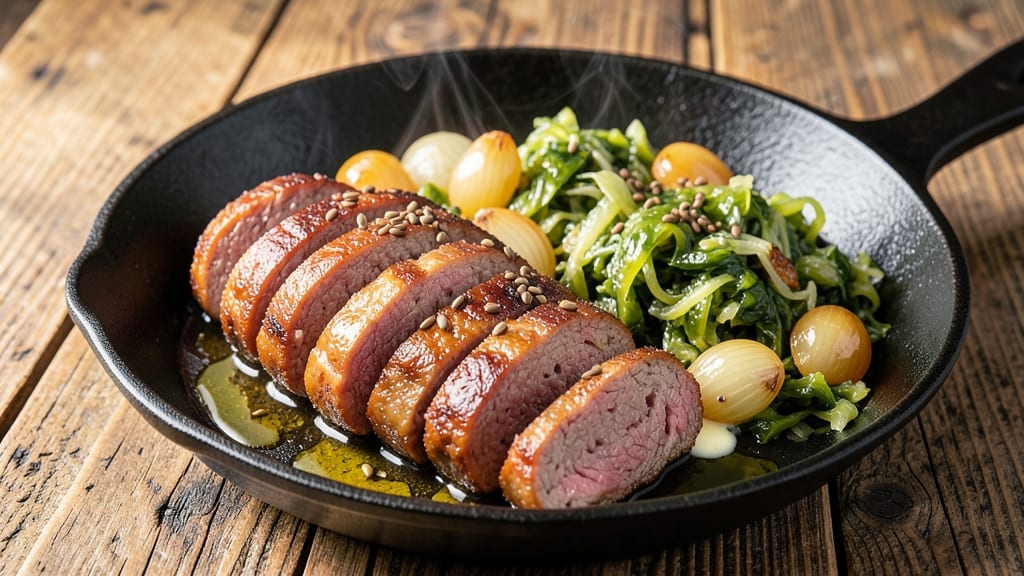
This beef smoked sausage and sauerkraut recipe delivers the perfect balance of smoky, savory sausage with tangy, fermented sauerkraut—crispy edges that make every bite irresistible. The key lies in searing the sausage until golden and caramelized while sautéing the sauerkraut with onions until softened but still vibrant.
I developed this recipe after years of testing combinations, and it consistently delivers restaurant-quality results at home.
The beauty of this dish is its simplicity—just a few ingredients come together to create bold, satisfying flavors. You’ll need beef smoked sausage (like kielbasa or bratwurst), sauerkraut, onions, and a touch of caraway seeds for depth.
The process takes about 25 minutes, making it ideal for weeknight dinners or weekend gatherings where you want impressive results without fuss.
What you’ll end up with is a dish where the sausage is perfectly crispy on the outside and tender within, while the sauerkraut retains its tangy bite and slight crunch.
The combination of smoky, savory sausage and the bright, fermented tang of sauerkraut creates a flavor profile that’s both comforting and exciting. Serve it with crusty rye bread or alongside mashed potatoes to soak up every last bit of that delicious juices.
This recipe works equally well as a main dish or a hearty appetizer—perfect for feeding a crowd or enjoying a satisfying meal on your own. The crispy edges on the sausage and the vibrant sauerkraut make it visually appealing, too. Let’s get cooking!
Ingredients for beef smoked sausage and sauerkraut
Just six core ingredients transform into restaurant-quality smoky-sour perfection with crispy edges.
| Ingredient | Amount | Notes |
|---|---|---|
| Beef Smoked Sausage 🥓 | 1 ½ lb | Kielbasa or bratwurst preferred |
| Sauerkraut 🥬 | 2 cups | Unopened jar preferred for tang |
| Yellow Onions 🧅 | 1 whole | Medium size, thinly sliced |
| Caraway Seeds 🌿 | ½ tsp | Whole, lightly toasted |
| Extra-Virgin Olive Oil 🫒 | 2 tbsp | For searing sausage |
| Unsalted Butter 🧈 | 1 tbsp | Full-fat for flavor |
| Dijon Mustard 🍯 | 1 tsp | For sausage coating |
| Fresh Thyme Leaves 🌿 | ¼ tsp | Or 1/4 tsp dried |
| Diamond Crystal Kosher Salt 🧂 | ½ tsp | For seasoning |
| Freshly Ground Black Pepper 🌶️ | ¼ tsp | For finishing |
| Crusty Rye Bread 🍞 | 4 slices | For serving |
The sausage is everything here. Kielbasa or bratwurst from the deli counter at Whole Foods or your local butcher gives the best flavor—avoid those pre-packaged, flavorless brands. Look for good marbling and a glossy, unbroken casing. If you can't find beef smoked sausage, smoked pork kielbasa works in a pinch, though the flavor will shift slightly. The sauerkraut should be unopened and packed in brine—the tang is what balances the smokiness, so don't skimp. I always grab the Reinhart brand when I'm at the grocery store, but any jarred sauerkraut will do.
No caraway seeds? Skip them—this dish still works, but they add that subtle depth that makes it feel special. Fresh thyme is ideal, but dried thyme at one-third the amount gets you close. For the onions, yellow or red both work, but yellow has a slightly sweeter flavor that pairs better with the smokiness. The mustard is non-negotiable though—it helps create that crispy crust on the sausage. If you're feeling fancy, add a dash of smoked paprika to the mustard mix for extra depth. The olive oil and butter combo is key for searing—don't use margarine or low-fat butter, trust me on the full-fat version.
This dish reheats beautifully—honestly tastes better the next day once everything melds. Keeps 4-5 days in the fridge, freezes for 3 months if you portion it properly. I always make a double batch because it's perfect for lunches. The rye bread? Pumpernickel works too, but rye's denser texture soaks up the juices better. Save the leftovers—this is the kind of meal that gets better as it sits.
Why You'll Love This Recipe
- One-Pan Magic: I swear by this—just slice the sausage, dump in the sauerkraut, toss with onions and caraway, and let the pan do the work. No chopping boards, no extra dishes, just golden-brown goodness in under 20 minutes.
- Caraway Kiss: That nutty, earthy punch from the caraway seeds? It’s the secret weapon here. The sausage’s smoky depth and the sauerkraut’s tangy crunch come together like a hug from your favorite cook—warm, bold, and impossible to resist.
- Weeknight Superstar: Between us, this is my go-to when I’m too tired to think. Serve it over mashed potatoes for a hearty dinner, stuff it in a sandwich for lunch, or even toss it into a grain bowl for a quick workday meal. It never lets me down.
- Budget-Friendly Leftovers: Honestly, you’ll make too much and love it. The flavors only get better the next day, and it reheats like a dream. Plus, smoked sausage and sauerkraut stretch further than you’d think—perfect for feeding a crowd or saving for lazy days.
Step-by-step instructions for smoky-sour beef sausage and sauerkraut
Here's how to create a perfect balance of crispy sausage and tangy sauerkraut with bold, aromatic flavors.
Sear the Beef Smoked Sausage Until Crispy
Heat a large skillet over medium-high heat and add the 2 tablespoons extra-virgin olive oil. Once the oil shimmers but doesn't smoke, add the 1.5 lb beef smoked sausage in a single layer. Let it sear undisturbed for 3-4 minutes per side until the exterior develops a deep golden-brown crust—this is where all the flavor concentrates.
Don't rush this step. You'll know it's ready when the sausage releases easily from the pan and the edges are crispy and caramelized. If the sausage starts to brown too quickly, reduce the heat slightly to prevent burning. Remove the sausage and set it aside on a plate, leaving the rendered fat in the pan.
Sauté Onions and Toast Caraway Seeds
In the same skillet (with the rendered sausage fat still in it), add the 1 whole yellow onion, sliced into thin half-moons. Cook over medium heat for 5-6 minutes, stirring occasionally, until the onions soften and begin to caramelize at the edges. This adds natural sweetness that balances the tangy sauerkraut.
Next, sprinkle in the 0.5 teaspoon caraway seeds and toast them for 30 seconds until fragrant. The seeds should release their nutty aroma—this is when you'll know they're ready. Remove the skillet from heat and set aside for now. The residual heat will keep everything warm while you prepare the next components.
Warm the Sauerkraut and Prepare the Sauce Base
Return the skillet to medium heat and add the 1 tablespoon unsalted butter. Once melted, pour in the 2 cups sauerkraut and stir to coat evenly. Warm through for 2-3 minutes—just enough to take the chill off without cooking it completely. You want to preserve that bright, tangy flavor.
Add the 1 teaspoon Dijon mustard, 0.25 teaspoon fresh thyme leaves, 0.5 teaspoon diamond crystal kosher salt, and 0.25 teaspoon freshly ground black pepper. Stir everything together and let it simmer gently for 1 minute to allow the flavors to meld. The mustard will add depth, while the thyme and spices tie everything together.
Combine and Finish with Crispy Sausage
Return the seared sausage to the skillet and stir gently to coat each link in the warm sauerkraut mixture. Let everything heat through together for 1-2 minutes—just enough to warm the sausage through without overcooking it. The residual heat from the pan will finish the sausage perfectly.
Taste and adjust seasoning if needed. The sauerkraut should be warm but still retain its tangy bite, and the sausage should be crispy on the outside with juicy, tender meat inside. If the mixture seems too thick, add 1-2 tablespoons of water to loosen it slightly while maintaining the right texture.
Serve with Crusty Rye Bread
Transfer the sausage and sauerkraut to a serving platter and arrange it attractively. The contrast of the crispy sausage edges with the tangy, slightly crunchy sauerkraut is what makes this dish so special. Serve immediately with the 4 slices crusty rye bread on the side.
Each bite should deliver a perfect balance of smoky, savory sausage, bright sauerkraut, and the subtle warmth of caraway. The rye bread adds a hearty, crusty element that soaks up any extra juices beautifully. Enjoy this dish while everything is still warm and the flavors are at their peak!
Pro Tips For Making Beef Smoked Sausage And Sauerkraut
- Slice Sausage Thin: DESCRIPTION:
- Sweat Onions Slow: DESCRIPTION:
- Drain Kraut Right: DESCRIPTION:
- Toast Seeds First: DESCRIPTION:
Troubleshooting great beef smoked sausage and sauerkraut
Sausage Too Dry
If your sausage ends up dry, it likely cooked too long or at too high heat. I’ve found that removing sausage from the pan at 155°F internal temperature (about 3-4 minutes per side) keeps it juicy.
Let it rest 5 minutes before cutting—this redistributes juices. For extra moisture, add 1 tablespoon beef broth to the pan when reheating leftovers.
Sauerkraut Too Soft
Overcooking sauerkraut turns it mushy and dulls its tang. Warm it only until heated through—about 2-3 minutes on medium heat. If it’s too soft, drain excess liquid before mixing with sausage. For extra crunch, add 1 tablespoon apple cider vinegar at the end to brighten flavors without overcooking.
Uneven Browning
Uneven browning happens when sausage overlaps or heat isn’t consistent. Cook in a single layer with 2 tablespoons olive oil in a 12-inch cast-iron skillet for even heat distribution. If your pan is too small, cook in batches. A meat thermometer ensures doneness—aim for 160°F internal temp.
Bland Flavor Profile
Flat flavors usually mean insufficient seasoning or rushed cooking. Toast caraway seeds for 30 seconds to release their aroma, and don’t skip the Dijon mustard—it adds depth.
For extra punch, add ½ teaspoon smoked paprika to the pan when searing sausage. Let everything simmer 1-2 minutes together to meld flavors.
Sticky Sauerkraut
Sauerkraut releases liquid when heated, making it sticky. Drain excess liquid through a fine-mesh strainer before mixing with sausage. For a thicker texture, add 1 tablespoon cornstarch mixed with water to the pan when warming. Stir constantly to avoid clumping.
Crispy Edges Lost
If sausage loses its crispy crust, it’s likely been overmixed or reheated improperly. Sear sausage first, then warm sauerkraut separately before combining. To restore crispiness, broil sausage for 1-2 minutes on high heat at the end. Keep sauerkraut warm in a separate pan until serving.
Nutrition facts
Frequently asked questions
Can I use pork smoked sausage instead of beef?
Yes, you can substitute pork smoked sausage like kielbasa, but the flavor profile will shift slightly. Pork sausage tends to be milder and slightly sweeter than beef, so you might want to add an extra ½ teaspoon smoked paprika or ½ teaspoon caraway seeds to enhance the depth. The cooking method remains the same—just sear until crispy.
How do I store leftovers?
Store leftovers in an airtight container in the fridge for up to 4-5 days. For freezing, portion the dish into meal-sized containers and freeze for up to 3 months. Reheat gently in a skillet over medium heat until warmed through, adding 1 tablespoon beef broth if the mixture seems dry.
What’s the best way to serve this dish?
This dish pairs perfectly with crusty rye bread or mashed potatoes to soak up the juices. For a full meal, add a simple green salad with a tangy vinaigrette to balance the richness. It also works well as a hearty appetizer—serve with pickles or mustard on the side for extra flavor contrast.
Can I make this dish in a slow cooker?
While not traditional, you can adapt this recipe for a slow cooker by browning the sausage first, then adding everything to the cooker on low heat for 2-3 hours. The sausage won’t get crispy, but the flavors will meld beautifully. For crispy edges, sear the sausage separately before serving. The sauerkraut will soften more, so add 1 tablespoon apple cider vinegar at the end for brightness.
Why does my sauerkraut taste bitter?
Bitter sauerkraut usually means it’s been overcooked or drained of too much liquid. Warm it for only 2-3 minutes on medium heat to preserve its tang. If it’s already bitter, add 1 tablespoon honey or sugar to balance the flavor. Using unopened sauerkraut packed in brine also helps maintain the right tanginess.