
Main Courses
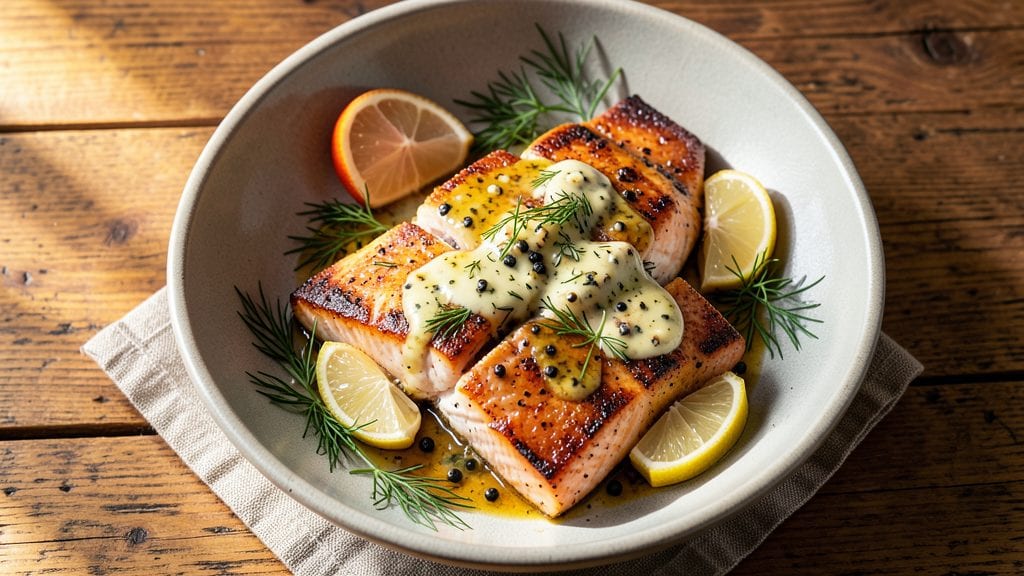
The best damn salmon recipe I’ve ever made delivers a restaurant-quality pan-seared crust with a velvety citrus-herb butter finish—every bite is worth the effort. This technique transforms simple salmon into a showstopper with crispy skin, tender flesh, and a bright, herby sauce that ties it all together.
I perfected it after years of overcooking salmon, and now it’s the go-to for dinner parties or weeknight upgrades.
The secret lies in the pan-searing method, where the skin renders slowly to create a golden, shatteringly crisp crust while the flesh stays perfectly moist. A high-smoke-point oil and a touch of salt before cooking are all you need to lock in that texture.
The citrus-herb butter—infused with lemon zest, fresh dill, and garlic—melts into the salmon at the end, adding a burst of freshness that cuts through the richness.
By the time you serve this, your guests won’t believe it’s homemade—the salmon will be golden and crisp on the outside, tender and flaky on the inside, with that buttery, herby sauce clinging to every bite.
It’s the kind of dish that makes you sound like a pro, even if you’re just starting out. Ready to make the best damn salmon you’ve ever tasted?
Pair it with roasted asparagus or a simple green salad to keep the meal light and balanced. The technique scales easily, so whether you’re cooking for two or feeding a crowd, this recipe delivers every time. Let’s get started—your taste buds will thank you.
Ingredients for best damn salmon
Four simple ingredients transform ordinary salmon into showstopping pan-seared perfection.
| Ingredient | Amount | Notes |
|---|---|---|
| Center-Cut Salmon Fillets 🐟 | 4 whole | Skin-on, 6-8 oz each, no pin bones |
| Unsalted Butter 🧈 | ½ cup | Cold, cubed for crust and sauce |
| Avocado Oil 🫒 | 2 tbsp | High smoke point for searing |
| Kosher Salt 🧂 | 1 ½ tsp | Coarse grain preferred |
| Fresh Dill 🌿 | ¼ cup | Chopped, stems removed |
| Garlic Cloves 🧄 | 4 cloves | Minced, fresh preferred |
| Lemon Zest 🍋 | 1 tbsp | From 1 large organic lemon |
| Lemon Juice 🍋 | 2 tbsp | Freshly squeezed |
| Fresh Parsley 🌿 | ⅛ cup | Chopped, for garnish |
| Black Peppercorns 🌶️ | ½ tsp | Freshly cracked |
| Olive Oil 🫒 | 1 tbsp | Light, for finishing |
The salmon fillets are non-negotiable—center-cut with skin ensures that crispy crust you crave. Grab the thickest fillets you can find at Whole Foods or your local seafood counter, where they’ll often cut them to order. Wild-caught Alaskan is ideal, but any good-quality farmed salmon works. Pat them dry with paper towels before cooking—moisture is the enemy of crispy skin. If you’re nervous about skin-on salmon, practice with one fillet first. The skin stays attached while cooking, then peels away easily when done. Trust me, it’s worth the effort for that golden, shatteringly crisp texture.
No fresh dill? Dried dill at half the amount works in a pinch, but fresh is absolutely essential for that bright, herby punch. The butter matters too—European-style unsalted butter like Plugrá or President has higher fat content, which means better flavor and a richer sauce. Short on lemon? Lime zest and juice swap out one-for-one, though it’ll taste slightly different. The avocado oil is key here—it’s got a high smoke point (520°F) so it won’t burn during searing. Trader Joe’s sells it cheap in bulk, or grab a bottle at any grocery store’s cooking oil aisle. And if you’re wondering about the black peppercorns—crack them fresh with a mortar and pestle or the flat side of your knife for maximum flavor.
This butter sauce is best made fresh, but you can prep the citrus-herb mix ahead and store it in the fridge for up to 3 days. The salmon itself reheats beautifully—warm in a 300°F oven for 5-7 minutes with a splash of water or lemon juice to keep it moist. For the ultimate dinner party move, serve it family-style with the butter sauce spooned over the top. The sauce keeps for 2 days in the fridge, covered tightly. Freeze any leftovers in ice cube trays for easy single-serving portions later. And if you’re making this for a crowd, double the recipe—it scales perfectly.
Why You'll Love This Recipe
- I’ll be real: this is my go-to for when my in-laws show up unexpectedly. Same recipe, different plates—serve it with roasted potatoes for a casual night or drizzle with lemon and garnish with extra dill for a restaurant-worthy dish. No stress, all wins.
- Five-Ingredient Magic: Honestly, I swear by this list—just salmon, butter, oil, salt, and dill. That’s it. No chopping, no measuring cups, no fancy gadgets. The butter melts into the skin while the dill brightens everything up in seconds.
- Butter-Kissed Crisp: Between us, that first bite where the skin cracks and the butter pools underneath? Ridiculously good. The avocado oil keeps it from sticking, so you get that perfect contrast—crispy outside, tender inside—without flipping or fussing.
- Weeknight to Dinner Party: I’ll be real: this is my go-to for when my in-laws show up unexpectedly. Same recipe, different plates—serve it with roasted potatoes for a casual night or drizzle with lemon and garnish with extra dill for a restaurant-worthy dish. No stress, all wins.
Step-by-step instructions for pan-seared crust with citrus-herb butter
This method delivers restaurant-quality salmon with a crispy crust and velvety sauce every time.
Prepare the Citrus-Herb Butter
In a small bowl, combine the 0.5 cup unsalted butter with the 1 tbsp lemon zest, 2 tbsp lemon juice, 0.25 cup chopped fresh dill, 4 minced garlic cloves, and 0.5 tsp freshly cracked black peppercorns. Mix gently with a fork until fully incorporated but still slightly chunky—this texture gives the sauce its luxurious mouthfeel. Cover and refrigerate while you prep the salmon.
Here's the thing—cold butter is key. The chilled cubes will melt beautifully against the hot salmon, creating that perfect sauce while keeping the fish moist. If you're impatient and use softened butter, you'll end up with a greasy mess instead of a silky glaze.
Season and Sear the Salmon
Pat the 4 whole center-cut salmon fillets completely dry with paper towels—this is non-negotiable for crispy skin. Season both sides generously with 1.5 tsp kosher salt, pressing it in firmly so it adheres. Let the fillets sit at room temperature for 15 minutes while you heat your pan.
Heat 2 tbsp avocado oil in a large skillet over medium-high heat until shimmering but not smoking. Place the salmon skin-side down and press gently with a spatula for 10 seconds to ensure full contact. Cook undisturbed for 4-5 minutes until the skin is deep golden brown and crispy—you'll see it release easily from the pan. Flip carefully and cook the flesh side for 2-3 minutes until it reaches 125°F internally.
Finish with Butter and Garnish
Remove the salmon from the pan and transfer to a warm serving platter. Reduce heat to medium-low and add the 1 tbsp olive oil and the reserved citrus-herb butter mixture to the same skillet. Tilt the pan slightly and spoon the melted butter over the salmon, basting both sides for 30 seconds to coat evenly.
Sprinkle the 0.125 cup chopped fresh parsley over the top and serve immediately. The butter should be glossy and cling beautifully to the salmon, with a perfect balance of bright citrus, aromatic herbs, and that crispy skin you worked so hard for. Each bite should deliver a perfect harmony of textures—crispy, creamy, and tender all at once.
Rest and Serve with Confidence
Let the salmon rest for 2 minutes before serving—this allows the juices to redistribute so your first bite isn't soupy. I know it's tempting to dig in immediately, but trust me, that extra minute makes all the difference. Plate with your favorite sides like roasted asparagus or a fresh arugula salad to complement the rich salmon.
This isn't just another salmon recipe—it's the one that will make you the hero at dinner parties. The crispy skin, the velvety sauce, and that perfect pink center? That's what makes this the best damn salmon recipe you'll ever try. Serve with confidence and watch your guests beg for seconds.
Pro Tips For Making Best Damn Salmon
- CRANK THE HEAT FIRST: Salmon’s delicate texture demands control—start with your pan screaming hot (medium-high) for 30 seconds before adding oil. I used to wimp out with medium heat, and the butter would just melt into a sad, greasy puddle instead of a flavorful crust. High heat sears the skin fast, locks in juices, and gives you that golden, crackly finish.
- SALT THE SKIN BEFORE OIL: Generously coat the skin side with kosher salt before adding avocado oil—let it sit for 5 minutes while you prep the rest. The salt draws out moisture, ensuring the skin crisps instead of sticking. I learned this the hard way after peeling off rubbery, uncooked skin from undercooked fillets.
- STOP WHEN IT’S 130°F: Pull the salmon off heat at 130°F internal temp—it’ll climb another 10°F while resting. Overcooking turns it rubbery, and I’ve ruined more fillets than I’ll admit by eyeballing it. A meat thermometer is worth its weight in butter here.
- MASH THE DILL WITH BUTTER: After removing the salmon, dump the leftover butter into a small pan, toss in the fresh dill, and mash it with a spoon for 30 seconds. The heat wilts the dill just enough to release its flavor into the butter—no more picking out tough stems. Sounds weird, but it works: the sauce clings to the fish like it’s been marinating.
Common mistakes when making this dish
Overcooking the Salmon
Salmon cooks faster than you think, and once it hits 145°F, it’s done—any higher and you’ll end up with dry, rubbery flesh. I’ve ruined more salmon than I’d admit by keeping it in the pan too long after the skin crisps.
Use an instant-read thermometer to check the thickest part of the fillet—125-130°F is ideal for perfect doneness. The flesh should flake easily with a fork but still hold together slightly. 🌡️
Skipping the Resting Time
You’ve seared the salmon to golden perfection, and now you’re itching to serve it immediately. Don’t! Letting the salmon rest for 2-3 minutes after cooking allows the juices to redistribute, so your first bite isn’t soupy.
I’ve learned this the hard way—skipping the rest means losing all that delicious moisture. Trust me, those extra minutes make all the difference in texture.
Using the Wrong Oil
Not all oils are created equal when it comes to searing salmon. Low-smoke-point oils like olive oil will burn and create bitter flavors, while high-smoke-point oils like avocado or grapeseed oil stay stable under heat.
I always use avocado oil because it hits 520°F before smoking, giving me that perfect crispy skin without any off-flavors. If you’re using olive oil, you’re asking for trouble—it’ll smoke and ruin your dish.
Not Patting Dry
Moisture is the enemy of crispy skin. If you skip patting your salmon fillets dry before seasoning, the steam from the moisture will prevent the skin from crisping up properly. I use two layers of paper towels and press firmly to soak up every bit of moisture.
This step is non-negotiable if you want that shatteringly crisp skin you’re after. A damp fillet equals a sad, soggy skin.
Moving the Salmon Too Soon
Once you’ve placed the salmon skin-side down in the pan, resist the urge to poke or prod it. Pressing or moving it too early will break the skin and prevent it from forming that beautiful crust.
Let it cook undisturbed for 4-5 minutes until it releases easily from the pan—this is your cue that it’s ready to flip. Patience here is key to that perfect golden skin. 🔥
Over-Salting Before Cooking
Salmon is delicate, and too much salt before cooking can draw out moisture, leading to a dry fillet. I use 1.5 tsp kosher salt total for all four fillets, seasoning them gently but generously.
If you’re using table salt, use half the amount—it’s much saltier. And remember, you can always add more salt after cooking, but you can’t take it away. Balance is everything here.
Nutrition facts
Frequently asked questions
Can I use frozen salmon for this recipe?
Thaw frozen salmon overnight in the fridge—never at room temperature. Pat it completely dry before seasoning, as any excess moisture will prevent that perfect crispy skin. The texture difference is minimal when done properly, so don't let frozen salmon hold you back from making this showstopper.
What's the best way to store leftovers?
Store cooked salmon in an airtight container for up to 2 days in the fridge. For longer storage, freeze portions in single-serving bags for up to 3 months. Reheat gently in a 300°F oven for 5-7 minutes with a splash of lemon juice to maintain moisture. The crispy skin won't survive reheating, but the flavor stays incredible.
How do I adjust this for thinner salmon fillets?
Thinner fillets (under 1-inch thick) cook faster—reduce cooking time to 2-3 minutes per side and check doneness at 120°F. For extra flavor, fold a lemon slice under each fillet before cooking. The citrus-herb butter technique still works perfectly, just scale back the total butter to 0.25 cup to avoid overpowering the delicate fish.
What are the best sides to serve with this?
This rich salmon pairs beautifully with bright, acidic sides to balance the flavors. Try roasted asparagus with lemon zest, a cucumber-dill salad, or wild rice pilaf. For a complete meal, add crusty sourdough bread to soak up the citrus-herb butter sauce. The contrast of textures and temperatures makes every bite more exciting.
Can I make this ahead of time?
Prep the citrus-herb butter up to 3 days ahead and store it in the fridge. For the salmon itself, sear it just before serving—it reheats best when fresh. If you must prep ahead, cook the salmon medium-rare (120°F), cool quickly in ice water, then finish with butter when ready to serve. The texture won't be identical, but it's still delicious.