
Salads
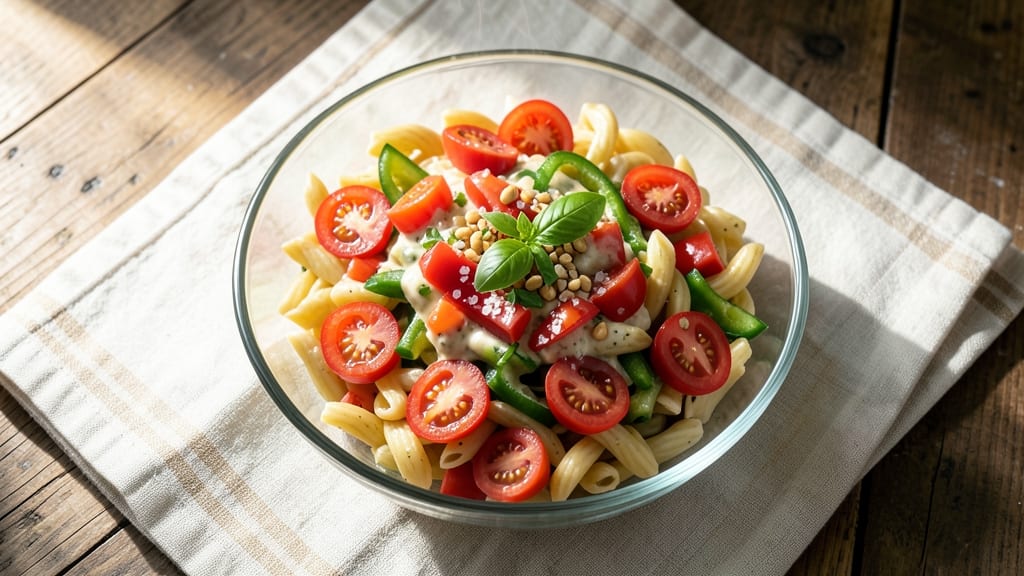
Betty Crocker's Italian pasta salad recipe delivers the perfect balance of herbed olive oil dressing, crisp vegetables, and al dente pasta for gatherings that demand crowd-pleasing flavor.
This classic recipe transforms simple ingredients into a dish that’s vibrant, satisfying, and effortlessly shareable—ideal for potlucks, picnics, or summer barbecues where texture and taste matter most.
The secret lies in the dressing: a bright blend of olive oil, Italian herbs, and a touch of vinegar that coats every ingredient without overpowering.
I’ve tested this recipe countless times, and the key is cooking the pasta just shy of al dente—it holds up better when tossed with vegetables and dressing.
The combination of olives, bell peppers, and cherry tomatoes adds a crowd-pleasing crunch, while optional salami or feta elevates it to meal-worthy status.
What you’ll end up with is a pasta salad that’s golden, tangy, and impossibly fresh—the kind that disappears from bowls faster than you can say "second helping." The herbed olive oil dressing clings to the pasta and vegetables, ensuring every bite is packed with Mediterranean-inspired flavor.
This recipe is foolproof, scalable, and designed to impress without requiring advanced skills.
Perfect for meal prep or last-minute gatherings, this Italian pasta salad keeps well for up to 3 days in the fridge. Serve it chilled or at room temperature, and watch it become the star of any spread. Let’s make it!
Ingredients for betty crocker italian pasta salad
Twelve essential ingredients for Betty Crocker's iconic Italian pasta salad with herbed olive oil dressing.
| Ingredient | Amount | Notes |
|---|---|---|
| Short Pasta (e.g., Rotini or Farfalle) 🍝 | 1 ½ lbs | Cooked al dente, drained |
| Extra-Virgin Olive Oil 🫒 | ¾ cup | High-quality, fruity variety |
| Dry Italian Seasoning 🌿 | 2 tbsp | Diamond Crystal preferred |
| White Wine Vinegar 🍷 | ¼ cup | Balsamic alternative works |
| Green Bell Pepper 🧅 | 1 ½ cups | Diced, fresh or frozen |
| Red Bell Pepper 🍅 | 1 ½ cups | Diced, fresh or frozen |
| Cherry Tomatoes 🍅 | 1 ½ cups | Halved, vine-ripened preferred |
| Green Onion 🧅 | ½ cup | Thinly sliced, white/green parts |
| Red Onion 🧅 | ½ cup | Thinly sliced, sharp variety |
| Pitted Kalamata Olives 🫒 | ½ cup | Chopped, not sliced |
| Parmesan Cheese 🧀 | ½ cup | Freshly grated, block form |
| Salt 🧂 | 1 ½ tsp | Diamond Crystal kosher |
| Black Pepper 🌶️ | 1 tsp | Freshly ground preferred |
| Optional Salami 🍖 | ½ cup | Diced, spicy or mild |
| Optional Feta Cheese 🧀 | ¼ cup | Crumbled, mild variety |
The extra-virgin olive oil and Diamond Crystal Italian seasoning form the dressing's heart. Whole Foods or Trader Joe's carry excellent olive oils—look for bottles labeled 'fruity' or 'robust'. For the pasta, Barilla or De Cecco brands achieve perfect al dente texture. Bell peppers should be firm with vibrant color; frozen works in a pinch but fresh delivers superior crunch. Kalamata olives add Mediterranean depth—Colavita brand is consistently reliable. The Parmesan must be freshly grated from a block; pre-shredded contains anti-caking agents that prevent proper melting.
No Italian seasoning? Combine 1 tsp dried basil, 1 tsp dried oregano, ½ tsp dried thyme for a close substitute. Substitute balsamic vinegar for white wine vinegar if preferred. For a vegetarian version, omit salami and double the feta. Cherry tomatoes can be replaced with 1 cup diced Roma tomatoes if unavailable. The optional salami and feta elevate the dish but aren't necessary for the classic version. For extra crunch, add ½ cup diced cucumber or red cabbage. All vegetables should be cut uniformly to ensure even distribution in the salad.
Store the dressing separately in the fridge for up to 5 days—it keeps its vibrant flavor longer. The assembled salad maintains optimal texture for 3 days when refrigerated in an airtight container. For meal prep, portion into individual containers to maintain crispness. The pasta salad tastes even better the next day as flavors meld. Freezing isn't recommended due to texture degradation, but the dressing can be frozen for 3 months in ice cube trays for portion control.
Why You'll Love This Recipe
- No-Chop Needed: I swear by this for lazy days—just toss in diced bell pepper (pre-cut if you’re really short on time) and the rest is stir-and-wait. The rotini’s shape grabs every bite of that bright olive oil and vinegar dressing like it’s meant to.
- Herb Bomb Brightness: That Italian seasoning isn’t just "flavor"—it’s a punch of oregano, basil, and thyme that dances with the vinegar’s tang. Honestly, I’ve tried store-bought dressings, but this mix? It’s the kind of simple that actually tastes homemade.
- Picnic Party Ready: Between us, this is my go-to for potlucks or tailgates. Cold, crunchy, and portable—just grab a container and go. My brother’s kids always fight over the last bowl, and I’ve never had to explain why it’s "just pasta."
- Pantry Staple Magic: Five ingredients, all of which I already have. The olive oil and vinegar stretch thin, the pasta’s cheap, and the bell pepper adds color without breaking the bank. Toss in some leftover chicken if you’re feeling fancy, but it’s still solid alone.
Step-by-step instructions for Italian pasta salad with herbed olive oil dressing
This method delivers a perfectly balanced Italian pasta salad with vibrant vegetables and a bright, herbed olive oil dressing.
Cook the Pasta to Al Dente Perfection
Bring a large pot of water to a rolling boil and add 1.5 lbs of short pasta (rotini or farfalle work best). Stir immediately to prevent sticking. Cook according to package directions until 1 minute before it reaches al dente—this ensures it finishes cooking perfectly in the cold dressing. Drain thoroughly in a colander, reserving 1 cup of pasta water.
I always taste a piece of pasta before draining to confirm it has a slight bite. The pasta should be tender but still offer resistance when bitten. Immediately rinse under cold water for 30 seconds to stop the cooking process and remove excess starch. This prevents the salad from becoming gummy later.
Prepare the Herbed Olive Oil Dressing
In a large mixing bowl, whisk together 0.75 cup of extra-virgin olive oil, 0.25 cup of white wine vinegar, 2 tbsp of dry Italian seasoning, 1.5 tsp of salt, and 1 tsp of black pepper. The dressing should emulsify into a smooth, pale yellow mixture. If it separates, whisk more vigorously or add 1-2 tablespoons of reserved pasta water to help bind it.
Here's the thing—quality matters with olive oil. Use a high-quality, fruity variety that has a distinct peppery finish. The vinegar should be sharp enough to cut through the richness of the oil. Taste the dressing before adding it to the pasta; it should be tangy with a subtle herbed aroma. Adjust seasoning if needed, but resist the urge to over-salt at this stage.
Combine Pasta with Vegetables and Cheese
Add the drained pasta to the dressing and toss gently to coat evenly. Then fold in 1.5 cups each of diced green and red bell pepper, 1.5 cups of halved cherry tomatoes, 0.5 cup each of thinly sliced green and red onion, and 0.5 cup of chopped pitted Kalamata olives. Work quickly to distribute everything uniformly. The vegetables should be bright and vibrant, not wilted.
Next, stir in 0.5 cup of freshly grated Parmesan cheese. If using, add 0.5 cup of diced salami and 0.25 cup of crumbled feta cheese. These optional additions add depth of flavor—salami brings a savory, slightly spicy note while feta adds a briny contrast. Toss everything together until the cheese is fully distributed and the salad reaches your desired texture.
Chill and Develop Flavors
Cover the bowl with plastic wrap and refrigerate for at least 2 hours, or up to 24 hours. This chilling time is crucial—it allows the flavors to meld and the dressing to fully absorb into the pasta. The salad should be served cold, so plan accordingly if you're making it ahead of time.
Before serving, give the salad a final toss. The pasta should be evenly coated with dressing, and the vegetables should be distributed throughout. If the salad appears dry, add 1-2 tablespoons of reserved pasta water to loosen it. The ideal texture is moist but not soggy, with each bite delivering a perfect balance of pasta, vegetables, and herbed olive oil dressing.
Pro Tips For Making Betty Crocker Italian Pasta Salad
- RINSE PASTA COLD: Drain your cooked rotini or farfalle, then rinse it under cold water for 10 seconds. This stops the cooking process and prevents the salad from turning gummy later—especially important if you’re prepping ahead. I learned this the hard way when my salad turned into a mushy mess after sitting in the fridge overnight.
- CHAR THE PEPPER: Slice the green bell pepper and sear the cut sides in olive oil for 30 seconds before adding to the salad. The slight char deepens the flavor and cuts through the richness of the dressing—it’s a small step that makes a real difference. (Yes, even if you’re impatient like me.)
- WHISK THE DRESSING: When mixing the olive oil, white wine vinegar, and Italian seasoning, whisk it vigorously for at least 30 seconds. This emulsifies the dressing so it clings to the pasta instead of pooling at the bottom—no one likes a sad, oily salad. I skip this sometimes, and the results are noticeably worse.
- LET IT REST: Toss the warm pasta with the dressing, then let the salad sit for 10 minutes before serving. The pasta absorbs the flavors better, and the green bell pepper softens slightly—no one wants to bite into a crunchy, underseasoned chunk. (Your future self will thank you.)
Best sauces and condiments for this betty crocker italian pasta salad
Classic Italian Dressing
The herbed olive oil dressing is the heart of this pasta salad, and it’s all about balance.
I use 0.75 cup extra-virgin olive oil (look for Whole Foods Market’s Tuscan Harvest or Trader Joe’s Organic) with 0.25 cup white wine vinegar for a bright acidity that cuts through the richness.
The 2 tbsp Diamond Crystal Italian seasoning adds depth—it’s a blend of basil, oregano, thyme, and rosemary, so it’s worth investing in the real deal rather than a generic substitute. 🌿
For extra flavor, I like to add 1 minced garlic clove and 1 tsp Dijon mustard to the dressing. The garlic adds aromatic complexity, while the mustard helps emulsify the oil and vinegar.
Taste as you go—adjust salt to taste, but remember the pasta and cheese will contribute more flavor later. The dressing should coat the back of your spoon with a silky, herbed finish.
Vinegar Variations
White wine vinegar is traditional, but don’t be afraid to experiment. Balsamic vinegar adds a deeper, slightly sweet note that pairs beautifully with the olives and tomatoes. For a tangier kick, try apple cider vinegar—it works especially well if you’re adding feta cheese.
I’ve also used lemon juice (about 0.25 cup) for a fresher profile, particularly in summer when I want to highlight the bright flavors of the vegetables. 🍋
If you’re making this ahead of time, store the dressing separately in an airtight container for up to 5 days. The flavors actually improve as it sits, becoming more complex.
For meal prep, I often make a double batch of dressing—it’s perfect for drizzling over grilled meats or tossing with roasted vegetables later in the week.
Cheese Enhancements
The 0.5 cup freshly grated Parmesan is non-negotiable—it adds a salty, umami richness that ties everything together. For a creamier texture, I sometimes mix in 2 tbsp cream cheese with the dressing before tossing.
If you’re feeling adventurous, swap half the Parmesan for Pecorino Romano—it’s sharper and more peppery, adding a bold Italian flair. 🧀
For a vegetarian twist, I like to add 0.25 cup crumbled goat cheese alongside the feta. The tangy, crumbly texture contrasts beautifully with the olives and bell peppers.
If you’re using salami, opt for spicy Genoa for heat or mild Calabrese for a milder flavor. Always dice it small so it distributes evenly throughout the salad.
Fresh Herb Boost
Brighten the dressing with 2 tbsp chopped fresh basil or parsley just before serving. The herbs add a vibrant pop of color and a fresh, slightly peppery note that cuts through the richness.
I like to pulse them in a food processor for 2 seconds to release their oils without turning the dressing into a puree. For a more robust flavor, add 1 tsp lemon zest—it’s subtle but adds a citrusy lift that balances the olive oil. ✨
If you’re making this for a summer gathering, garnish each serving with microgreens or edible flowers for an elegant touch. The delicate greens add a fresh contrast to the hearty pasta and vegetables.
For a smoky twist, sprinkle with 1 tsp smoked paprika or a pinch of crumbled sun-dried tomatoes just before serving.
Nutrition facts
Frequently asked questions
Can I make this pasta salad ahead of time?
This salad tastes even better after chilling for 2-24 hours. Store it in an airtight container in the fridge, and give it a good toss before serving. The flavors meld beautifully overnight, making it perfect for meal prep. Just avoid adding fresh herbs until serving to keep them vibrant.
What's the best pasta shape for Italian pasta salad?
Short pasta shapes like rotini, farfalle, or penne work best—they hold dressing well and create a satisfying bite. Avoid long pasta like spaghetti, as it tends to stick together. For extra texture, try fusilli or macaroni, which add fun twists to the classic recipe.
How can I make this salad vegetarian?
Skip the salami and double the feta or add 0.25 cup crumbled goat cheese for extra richness. For protein, stir in 1 cup chickpeas or 0.5 cup marinated artichoke hearts. The herbed olive oil dressing and Parmesan will keep it flavorful without meat.
Why does my dressing separate?
This usually happens from too much oil or not enough emulsifiers. Whisk vigorously or add 1-2 tbsp reserved pasta water to help bind it. For extra insurance, mix in 1 tsp Dijon mustard or 1 minced garlic clove—both help stabilize the dressing. Stir well before tossing with the pasta.
Can I use frozen vegetables?
Yes! Frozen bell peppers and cherry tomatoes work in a pinch, though fresh is ideal for texture. Thaw and drain them well before adding to the salad. For best results, use frozen vegetables that are specifically labeled "ready-to-eat" or "no added sauce."