
Sauces & Condiments
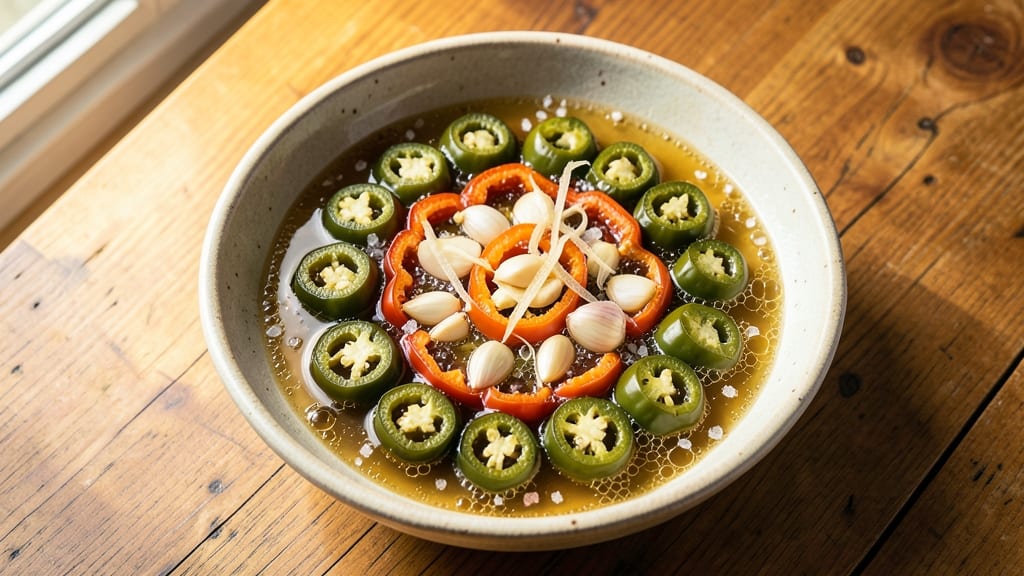
Creating a fermented hot sauce like Brad's means transforming simple pantry staples into bold, complex heat through time and patience. The process starts with fresh peppers, salt, and vinegar—ingredients that build layers of flavor as they ferment over weeks.
This isn't just another hot sauce; it's a project that rewards precision and waiting, delivering a sauce with depth and character that store-bought versions can't match.
The beauty of fermented hot sauce lies in its simplicity: just a few ingredients, no fancy equipment, and a slow fermentation period that develops rich, tangy flavors.
You'll need about 2 weeks for initial fermentation, followed by 4-6 weeks of aging to let the flavors meld and the heat mellow into something balanced and complex. The key is maintaining the right salt concentration to preserve the peppers while encouraging beneficial bacteria to develop that signature fermented tang.
What you'll end up with is a vibrant, fiery sauce with layers of heat and acidity that brighten any dish—think grilled meats, fried foods, or even as a finishing touch on soups and salads.
The fermentation process not only enhances the flavor but also makes the sauce safer to store for months, as long as you follow proper canning or refrigeration techniques. This is a sauce that builds anticipation with every batch, turning a simple pantry project into something extraordinary.
Whether you're a home cook looking to elevate your meals or a fermentation enthusiast experimenting with flavors, this recipe delivers professional-quality results with minimal effort. The process is straightforward, but the payoff—rich, complex heat—is well worth the wait. Let's get started on creating your own bold, fermented hot sauce.
Ingredients for brad's fermented hot sauce
Five key ingredients transform into a complex fermented hot sauce worth the wait.
| Ingredient | Amount | Notes |
|---|---|---|
| Fresh Jalapeño Peppers 🌶️ | 1 lb | Seeds removed for mild heat |
| Fresh Serrano Peppers 🌶️ | ½ lb | Seeds removed for balanced heat |
| Red Wine Vinegar 🍷 | 1 ½ cups | 5% acidity minimum preferred |
| Non-Iodized Salt 🧂 | ¼ cup | Fine grain preferred for even distribution |
| Fresh Garlic Cloves 🧄 | 8 cloves | Peeled, roughly chopped |
| Fresh Ginger Root 🧡 | 1 oz | Peeled, finely grated |
| Distilled Water 💧 | 1 cup | Filtered preferred |
| White Sugar 🍚 | ¼ cup | Granulated preferred |
| Apple Cider Vinegar 🍎 | ½ cup | For final blend balance |
| Black Peppercorns 🌶️ | 1 tsp | Crushed for subtle heat |
The peppers are the foundation—jalapeños bring bright heat while serranos add depth. Buy fresh from a local farmers market for maximum flavor; avoid wilted or bruised peppers. The red wine vinegar should be aged at least 2 years for complexity—Trader Joe's or Whole Foods carry good options. Non-iodized salt is crucial; iodized can inhibit fermentation. If you can't find it, Diamond Crystal kosher salt works perfectly. The ginger and garlic? Fresh is non-negotiable—dried versions won't develop the same complexity during fermentation.
No jalapeños? Serrano peppers alone work, but the sauce will be hotter. Short on red wine vinegar? Apple cider vinegar at 1:1 ratio, though the flavor profile shifts slightly. The sugar isn't for sweetness—it feeds the fermentation process. If you're strict on sugar-free, reduce to 1 tbsp but expect slower fermentation. For the garlic, roasted cloves add smoky depth (roast at 400°F for 10 minutes), but raw works fine. The black peppercorns? Crush them lightly—whole peppercorns won't contribute much flavor.
Fermented hot sauce keeps beautifully. Store the fermenting mixture in a clean glass jar with a tight lid, submerged in the brine. After fermentation, transfer to a sterilized jar with a new vinegar blend. In the fridge, it lasts 6-12 months—the flavors actually improve with time. For gifting, use amber glass bottles to preserve color. Label with the date; 3 months in, the heat mellows into a sophisticated tang that's perfect for drizzling on everything from tacos to deviled eggs.
Why You'll Love This Recipe
- No Chopping Chaos: I just toss whole peppers and garlic into the jar—no dicing, no seeds to fuss with. That red wine vinegar does the work for you, breaking them down naturally over time.
- Garlic-Vinegar Magic: Honestly, the tangy bite of the vinegar with the slow-developed garlic punch? It’s like a back-alley secret—smooth but with a kick that lingers. The serranos add heat without overpowering.
- Gift-Worthy in Minutes: Between us, this sauce is ridiculously easy to batch—just slap it in jars and forget about it. Perfect for holiday hosts, BBQ newbies, or anyone who wants to impress without slaving.
- Pantry Goldmine: A little goes a long way, and it only gets better with age. I’ve had jars last six months, saving me cash on store-bought sauces that taste like vinegar and regret. Plus, salt draws out the peppers’ juice—no extra liquid needed.
Step-by-step instructions for Brad's fermented hot sauce
This bold hot sauce comes together with minimal effort but delivers restaurant-quality depth.
Prepare and Pack the Peppers
Begin by removing stems from all 1 lb fresh jalapeño peppers and 0.5 lb fresh serrano peppers. Cut each pepper lengthwise into quarters, then remove seeds and membranes to control heat intensity. This step is crucial—seeds contain capsaicin, which can make your sauce too fiery.
Place the pepper quarters into a clean, quart-sized mason jar, packing them tightly. The peppers should fit snugly with about 1 inch of headspace remaining. This tight packing ensures maximum surface area contact with the brine during fermentation, which develops flavor more evenly.
Create the Fermentation Brine
In a medium bowl, combine 1 cup distilled water, 0.25 cup non-iodized salt, and 0.25 cup white sugar. Stir until the salt and sugar dissolve completely. The salt creates an anaerobic environment that preserves the peppers while encouraging beneficial microbial activity. The sugar adds subtle sweetness that balances the heat.
Pour the brine over the packed peppers in the jar, ensuring all pepper pieces are completely submerged. Tap the jar gently on the counter to remove any air bubbles trapped between the peppers. Leave about 1 inch of headspace at the top to prevent overflow during fermentation. Seal the jar tightly with the lid.
Add Aromatics and Initial Fermentation
Add the 8 cloves fresh garlic cloves (peeled and roughly chopped) and 1 oz fresh ginger root (peeled and finely grated) to the jar. Crush the 1 tsp black peppercorns lightly between your palms and sprinkle them over the top. These aromatics will infuse their flavors into the peppers during fermentation, creating complex depth.
Place the jar in a dark, cool spot (around 65-70°F) for 7 days. Check the jar daily and burp it by opening the lid for 30 seconds to release any built-up gases. This fermentation period allows the peppers to soften and develop their signature tangy, fermented flavor. You'll notice a slight effervescence and a tangy aroma developing after about 3 days.
Blend and Age the Hot Sauce
After 7 days, remove the jar from fermentation. Using a slotted spoon, transfer the peppers, garlic, ginger, and peppercorns to a blender. Add 1.5 cups red wine vinegar and blend until completely smooth. The vinegar not only preserves the sauce but also brightens the flavors, cutting through the richness of the fermented peppers.
Strain the blended mixture through a fine-mesh sieve into a clean jar, pressing gently on the solids with a wooden spoon to extract maximum flavor. Discard the solids or compost them. The strained liquid should be a deep red-orange color with a slightly thick consistency. This is your base hot sauce before the final flavor boost.
Finish and Store for Maximum Flavor
Return the strained hot sauce to the jar and stir in 0.5 cup apple cider vinegar. This final addition balances the acidity and adds a subtle fruity note that complements the fermented heat. Seal the jar tightly and let it rest at room temperature for 3-5 days to allow all the flavors to meld together.
After aging, taste the sauce and adjust the balance as needed. For more heat, add a pinch of crushed red pepper flakes. For more sweetness, add a touch of honey. Once you're satisfied with the flavor, transfer the sauce to smaller bottles for serving. This fermented hot sauce will keep in the refrigerator for up to 6 months, with flavors continuing to develop over time.
Pro Tips For Making Brad'S Fermented Hot Sauce
- STACK PEPPERS BY HEAT: DESCRIPTION:
- SALT THE GARLIC: DESCRIPTION:
- WEIGH THE VINEGAR: DESCRIPTION:
- STIR DAILY, NOT HOURLY: DESCRIPTION:
Best sauces and condiments for brad's fermented hot sauce
Classic Pairings
Brad’s fermented hot sauce shines on grilled meats like ribs or brisket, where its tangy heat cuts through rich, fatty flavors. I drizzle it over smoked pulled pork sandwiches or carne asada tacos—just 1-2 teaspoons per serving adds depth without overpowering.
The fermentation mellows the heat, making it perfect for slow-cooked dishes where subtle complexity matters. 🔥
Brightening Fried Foods
Use this sauce as a dipping sauce for fried chicken, mozzarella sticks, or crispy Brussels sprouts. The acidity in the vinegar and fermented peppers cuts through grease, while the garlic and ginger add aromatic layers.
For extra flair, mix 1 tablespoon into mayo for a spicy, tangy dipping sauce. It’s a game-changer for Southern-style fried foods or Asian-inspired dishes like spring rolls.
Elevating Soups and Salads
A ½ teaspoon of this sauce per bowl transforms creamy soups like tomato basil or butternut squash into something vibrant. Toss it into Cobb salads or grain bowls with avocado, corn, and lime for a bold, fermented kick.
The heat and acidity balance rich ingredients, making every bite more dynamic. I also love adding it to vinaigrettes—just 1 teaspoon per ¼ cup oil—for a zesty dressing.
Breakfast and Egg Dishes
This sauce isn’t just for savory mains—it’s a star in breakfast. Drizzle it over fried eggs, huevos rancheros, or avocado toast for an instant wake-up call. Mix 1 teaspoon into sour cream for a spicy topping on baked potatoes or tostadas.
The fermentation adds a depth that store-bought hot sauces can’t match, making even simple breakfasts feel gourmet. 💛
Cheese and Charcuterie Boards
Fermented hot sauce is a surprising but brilliant addition to cheese boards. Pair it with aged cheddar, pecorino, or blue cheese for a sweet-spicy contrast. Drizzle it over prosciutto-wrapped melon or marinated olives to elevate the flavors.
For a creative twist, mix 1 teaspoon into whipped ricotta or crema for a dip that’s both creamy and fiery.
Global Fusion Twists
Think beyond traditional uses—this sauce works in Asian stir-fries, Mexican salsas, or even Italian pasta dishes. Toss 1 teaspoon into peanut sauce for satay or stir into pesto for a spicy, fermented twist.
In Thai curries, it adds a tangy depth that complements coconut milk. The possibilities are endless when you let your creativity run wild. ✨
Nutrition facts
Frequently asked questions
Why does this recipe use both red wine vinegar and apple cider vinegar?
The red wine vinegar (1.5 cups) provides depth and complexity during fermentation, while the apple cider vinegar (0.5 cup) adds a fruity brightness at the end. Together, they create a balanced acidity that enhances the fermented peppers' natural sweetness and heat.
Can I adjust the heat level if my peppers are too spicy?
Yes! Remove seeds and membranes carefully during prep, and use more jalapeños (milder) than serranos (hotter). For extra mildness, blend in 1 tablespoon honey or 1 teaspoon sugar after fermentation to balance the heat. Always taste before finalizing!
What if my fermented peppers float instead of staying submerged?
Add more brine (water + salt) to fully submerge them—this prevents mold growth and ensures even fermentation. The peppers should stay covered by at least 1 inch of liquid. If they still float, press them down with a clean weight (like a fermentation weight) or a smaller jar filled with water.
How do I know when the fermentation is complete?
After 7 days, the peppers should be soft and smell tangy (like sauerkraut). If you see bubbles or hear a faint "popping" sound when opening the jar, fermentation is active. Taste a small amount—it should have a bright, slightly sour flavor. If it tastes bland, ferment 2-3 more days.
Can I make this sauce without a blender?
After fermentation, finely chop the peppers, garlic, and ginger with a knife, then mash them into the vinegar mixture. Strain through a cheesecloth for a smoother texture. The flavor will be slightly chunkier but just as delicious. For extra smoothness, use a food mill or mortar and pestle.