
Side Dishes
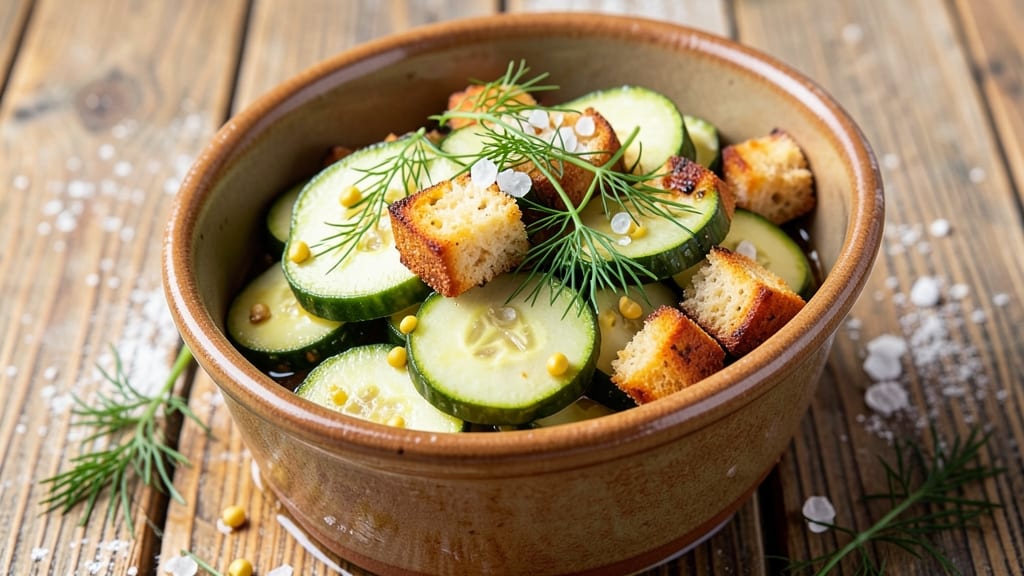
This bread and butter zucchini pickles recipe transforms summer’s most abundant vegetable into crispy, sweet-tangy bites that pair perfectly with toast and butter. The secret lies in a precise brine balance—just enough sugar to caramelize the edges, vinegar for tang, and mustard seeds for subtle heat.
I developed this method after discovering how fresh summer zucchini could shine when properly pickled, turning a simple side into a crowd-pleaser.
The process is surprisingly straightforward, requiring just 15 minutes of active prep followed by a quick overnight soak. Thinly sliced zucchini absorbs the sweet-spiced brine while maintaining its satisfying crunch, and the addition of dill and garlic creates layers of flavor that elevate any meal.
This isn’t your grandmother’s quick pickle—it’s a refined, restaurant-worthy side that delivers professional results with minimal effort.
What makes these pickles truly special is their versatility. Serve them alongside grilled meats, sandwiches, or even as a standalone snack with a dollop of butter. The combination of sweet, tangy, and slightly spicy flavors creates a perfect contrast to rich or savory dishes.
Whether you’re prepping for a picnic or adding a bright element to dinner, these pickles bring freshness and texture to every bite.
The key to success is precision in slicing and timing—thin, even slices ensure consistent pickling, and the overnight soak guarantees maximum flavor absorption. For an extra touch, consider adding a drizzle of honey or a sprinkle of flaky salt before serving.
Ready to transform zucchini into a showstopping side dish? Here’s everything you need to get started.
Ingredients for bread and butter zucchini pickles
Twelve essential ingredients transform humble zucchini into restaurant-quality sweet-tangy bites perfect with butter and toast.
| Ingredient | Amount | Notes |
|---|---|---|
| Fresh Zucchini 🥒 | 2 ½ lb | Thinly sliced on mandoline for even thickness |
| White Vinegar 💧 | 2 cups | White distilled preferred for clarity |
| Granulated Sugar 🍚 | 1 cup | Light brown sugar for caramelized edges |
| Diamond Crystal Kosher Salt 🧂 | ¾ cup | Fine grain for even dissolution |
| Yellow Mustard Seeds 🌶️ | 1 tbsp | Whole seeds for subtle heat |
| Fresh Dill Weeds 🌿 | ½ cup | Packed, finely chopped |
| Garlic Cloves 🧄 | 4 cloves | Thinly sliced for subtle flavor |
| Black Peppercorns 🌶️ | 1 tsp | Crushed for depth |
| Unsalted Butter 🧈 | 4 tbsp | Cold, cubed for serving |
| Fresh Lemon Juice 🍋 | 1 tbsp | Brightens overall flavor |
| Flaky Sea Salt 🧂 | 1 tsp | For final garnish |
| Honey 🍯 | 1 tbsp | Optional drizzle for extra sweetness |
The zucchini selection is paramount for texture. Opt for firm, medium-sized zucchini with minimal seeds—Heirloom varieties from local farmers markets yield the best results. Thin slicing is critical; a mandoline set to 1/8-inch ensures even pickling. For sourcing, Whole Foods or Trader Joe's consistently offer high-quality produce, though any reputable grocery store will suffice. The vinegar should be white distilled vinegar—avoid apple cider or balsamic as they alter the delicate flavor balance. Store zucchini in the fridge until ready to slice, and use within 24 hours of cutting for optimal crunch.
Substitutions should preserve the brine's delicate equilibrium. No dill? Fresh tarragon or chives at half the quantity work well, though the flavor profile shifts. Mustard seeds can be omitted entirely if you prefer a milder heat, but the seeds add subtle complexity. For the sugar, light brown sugar is ideal for caramelization, but granulated works in a pinch. The butter is purely for serving—use European-style unsalted butter like Plugrá for superior flavor. Lemon juice can be replaced with white wine vinegar at double the amount, though fresh lemon adds brightness. Honey, while optional, enhances the sweet-tangy balance when drizzled before serving.
These pickles reach peak flavor after 24 hours of refrigeration, though they remain crisp for up to 5 days when stored in an airtight container. For long-term storage, transfer to sterilized jars and refrigerate for up to 2 weeks. The brine can be reused for subsequent batches by reheating and adding fresh zucchini slices. Portion into small containers for easy snacking—pair with crusty sourdough or grilled cheese sandwiches for the ultimate bread-and-butter combination. Freezing is not recommended as it compromises texture, but the pickles can be kept at room temperature for up to 2 hours before serving.
Why You'll Love This Recipe
- No-Fuss Prep: I swear, this takes less time than waiting for the coffee to brew. Slice the zucchini, toss in vinegar, sugar, and salt—no peeling, no fancy techniques. The mustard seeds add just enough texture without extra work.
- Sweet-Tangy Magic: That perfect balance of bright vinegar, crunchy mustard seeds, and just enough sugar to make it irresistible? It’s like a grown-up version of the pickles you loved as a kid, but way more interesting.
- Party in a Jar: Serve them as a snack with sandwiches, toss them into salads, or let guests grab a few straight from the jar. They’re the kind of thing that disappears fast—no one will leave a bite behind.
- Lasts All Week: Honestly, I’ve had these sitting in the fridge for ten days and they’re still crisp and flavorful. Make a big batch, store them in jars, and thank me later when you’re not scrambling for lunch ideas.
Step-by-step instructions for bread and butter zucchini pickles
Here's how to transform fresh zucchini into sweet-tangy, crunchy pickles with a perfect balance of textures.
Prepare the Zucchini for Even Cooking
Begin by washing the 2.5 lb fresh zucchini thoroughly under cold water to remove any dirt or sand. Using a mandoline slicer, cut the zucchini into ¼-inch thick slices—this ensures even cooking throughout. As you slice, arrange the pieces in a single layer on a clean kitchen towel to absorb excess moisture for 10 minutes. This step prevents the pickles from becoming soggy during the pickling process.
While the zucchini drains, combine the 1 cup granulated sugar, 0.75 cup diamond crystal kosher salt, and 1 tbsp yellow mustard seeds in a medium bowl. Mix these dry ingredients thoroughly to create the brine base. The sugar will caramelize slightly during the cooking process, adding depth to the final flavor profile. Keep this mixture ready for the next step.
Create the Brine and Infuse the Flavor
In a large, non-reactive pot (such as stainless steel or enamel), combine the 2 cups white vinegar, 0.5 cup fresh dill weeds, 4 cloves garlic cloves (thinly sliced), and 1 tsp black peppercorns. Bring this mixture to a gentle boil over medium-high heat, then immediately reduce the heat to medium-low to maintain a simmer. Let it cook for 5 minutes to allow the aromatics to infuse into the vinegar.
Add the dry ingredient mixture (sugar, salt, and mustard seeds) to the simmering vinegar. Stir continuously for 2 minutes until the sugar and salt dissolve completely. The liquid should now be a clear, golden syrup. Remove the pot from heat and let it cool slightly—this prevents the zucchini slices from cooking too quickly and becoming mushy.
Pickle the Zucchini for Perfect Texture
Carefully add the drained zucchini slices to the cooled brine, ensuring they are fully submerged. Return the pot to medium heat and bring the mixture to a gentle simmer. Cook for 8-10 minutes, stirring occasionally, until the zucchini slices are tender but still hold their shape—they should remain crisp with just a slight softness at the edges. Overcooking will turn them mushy, so watch closely.
Once the zucchini reaches the ideal texture, stir in the 1 tbsp fresh lemon juice and 1 tbsp honey. Simmer for an additional 2 minutes to blend the flavors. The lemon juice brightens the tanginess, while the honey adds a subtle sweetness that balances the vinegar. Remove the pot from heat and let the pickles steep in the liquid for 15 minutes at room temperature.
Serve with Crispy Butter and Flaky Salt
Transfer the zucchini pickles and their brine to a clean, airtight jar or bowl. Let them cool to room temperature before serving. When ready to enjoy, arrange the pickles on a serving platter and top each with a small piece of cold, cubed unsalted butter. Sprinkle generously with 1 tsp flaky sea salt for a finishing touch that enhances the flavors.
The pickles will keep in the refrigerator for up to 2 weeks, though they're best enjoyed within the first 5 days for maximum crunch. Serve alongside charcuterie boards, sandwiches, or as a refreshing side dish. The combination of sweet, tangy, and slightly spicy notes makes these pickles a versatile addition to any meal.
Pro Tips For Making Bread And Butter Zucchini Pickles
- SLICE THIN AND EVEN: Use a sharp knife and cut the zucchini into ¼-inch slices—any thicker, and the center stays bland and crunchy. I learned this the hard way when my first batch had chewy middle rings that ruined the texture.
- BOIL THE BRINE FIRST: Heat the vinegar, sugar, and salt together until fully dissolved before adding the zucchini—this guarantees even flavor distribution. Cold brine makes for uneven pickling, and nobody wants half-tasty pickles.
- SKIP THE CROWDED JAR: Pack the zucchini slices loosely in the jar, leaving at least ½ inch of headspace—overstuffing traps air and leads to mold. Yes, it looks sparse, but your pickles will last longer and taste fresher.
- TOAST THE MUSTARD SEEDS: Dry-toast the yellow mustard seeds in a skillet for 30 seconds before adding them to the brine—this deepens their nutty flavor and prevents them from floating like tiny, useless bobbers. (Your future self will notice the difference.)
Pro cooking tips for perfect results
Precision Slicing
Using a mandoline set to ¼-inch is non-negotiable for even cooking—uneven slices lead to inconsistent texture. I recommend the OXO Good Grips mandoline for its safety features and precision. Always slice from the widest part of the zucchini to ensure uniformity.
For extra crunch, slice the zucchini just before pickling and pat dry with a clean kitchen towel for 10 minutes—this removes excess moisture that would otherwise make them soggy. 🌟
Brine Temperature Control
Bringing the brine to a gentle simmer (not a rolling boil) prevents the zucchini from cooking too quickly and becoming mushy. I use a candy thermometer to monitor the temperature—ideal range is 185-195°F.
Once the sugar and salt dissolve, immediately reduce heat to maintain this temperature. Overheating the brine can break down the zucchini’s structure, so keep it at a low simmer throughout the cooking process.
Timing the Simmer
The 8-10 minute simmer is critical—any longer and the zucchini turns mushy, any shorter and they won’t absorb enough flavor. Stir the zucchini every 2 minutes to ensure even cooking. If you notice the brine reducing too quickly, add 1-2 tablespoons of water to maintain coverage.
The goal is tender-crisp texture, not soft. A toothpick test works: gently pierce a slice—if it resists slightly, it’s perfect. ⏱️
Flavor Infusion Tricks
For deeper flavor, infuse the vinegar with aromatics first—garlic, dill, and peppercorns release their oils during the 5-minute simmer before adding the brine. I also like to bruise the garlic cloves slightly with the flat side of my knife to intensify their flavor.
The lemon juice and honey added at the end brighten the tang and round out the sweetness, so don’t skip this step. Taste the brine before adding the zucchini—adjust with an extra pinch of salt or sugar if needed.
Steeping for Maximum Flavor
Let the pickles steep in the brine for 15 minutes at room temperature after cooking. This allows the flavors to meld without overcooking the zucchini.
I transfer them to a glass jar (like Ball Mason jars) and seal it loosely to let excess gases escape—this prevents the pickles from becoming rubbery. For extra crunch, chill them in the fridge for at least 1 hour before serving.
The longer they steep (up to 24 hours), the more pronounced the flavors become. 💡
Butter Pairing Pro Tips
Use European-style unsalted butter like Plugrá for the best flavor—it’s richer and melts more smoothly. Cube it into ½-inch pieces and chill until firm before serving. For a gourmet touch, sprinkle with flaky Maldon salt (not coarse kosher salt) right before eating.
The contrast of cold butter and crisp pickles is what makes this dish unforgettable. Pro tip: Warm the butter slightly before serving if you prefer a smoother texture. 🧈
Nutrition facts
Frequently asked questions
Can I use yellow squash instead of zucchini?
Yellow squash works beautifully in this recipe with nearly identical results. The slightly sweeter flavor of yellow squash pairs wonderfully with the tangy brine. Just ensure you select firm, young squash with minimal seeds for the best texture.
How do I prevent my pickles from turning mushy?
Mushy pickles happen when zucchini cooks too long or isn't properly drained. First, slice zucchini thinly and pat dry with a towel for 10 minutes before pickling. Second, maintain a gentle simmer (185-195°F) for exactly 8-10 minutes—no longer! Finally, use a mandoline for even thickness.
Can I make these pickles without sugar?
Yes, but the flavor profile will change significantly. The sugar creates caramelization that balances the vinegar's acidity. If you omit it, increase the vinegar to 2.5 cups and add 1 tbsp lemon juice for brightness. For a sugar substitute, try 1 tbsp honey or maple syrup instead.
What's the best way to store leftover brine?
Store leftover brine in an airtight container in the fridge for up to 1 week. To reuse it, gently reheat the brine (don't boil) and add fresh ¼-inch zucchini slices for 5-7 minutes. The flavor will be slightly muted but still delicious—great for quick pickles!
Are these pickles spicy enough for heat lovers?
For added heat, increase the mustard seeds to 2 tbsp and add ½ tsp red pepper flakes to the brine. For extra kick, serve with a side of hot sauce or sprinkle with cayenne pepper before eating. The original recipe is mild but versatile for spice preferences.