
Desserts
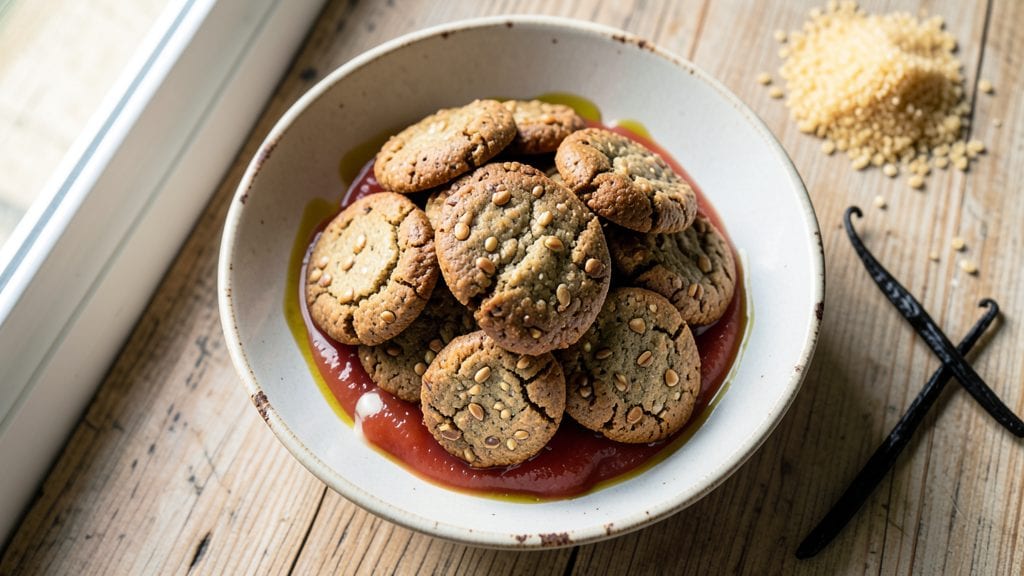
This buckwheat cookie recipe delivers a perfect balance of nutty crunch and chewy centers—no refined flour in sight. The earthy flavor of buckwheat transforms a classic cookie into something unexpectedly sophisticated, with a texture that’s crisp at the edges and tender inside.
I developed this recipe after years of experimenting with whole-grain baking, and it’s now a staple in my kitchen for its depth of flavor and satisfying bite.
The beauty of these cookies lies in their simplicity: just 8 ingredients, including buckwheat flour, which adds a toasty, slightly bitter note that pairs beautifully with sweetness.
The dough comes together in minutes, and the cookies bake in 12-15 minutes at 350°F, yielding a golden, irregular shape with a satisfying crackle. Unlike traditional cookies, these hold their shape while still offering that melt-in-your-mouth quality.
What makes them truly special is their versatility—add chocolate chips, cinnamon, or oats for texture, or keep them plain to let the buckwheat shine. The nutty flavor deepens slightly as they cool, making them even more complex with each bite.
Perfect for snacking, gifting, or pairing with a cup of coffee, these cookies prove that whole-grain baking can be just as indulgent as the classic versions.
For an extra touch, drizzle with a simple vanilla glaze or sprinkle with flaky sea salt before baking. The recipe scales easily, so you can bake a single batch for personal enjoyment or double it for sharing.
Let’s get baking—these cookies are a game-changer for anyone looking to elevate their dessert game without sacrificing texture or flavor.
Ingredients for buckwheat cookie
Eight simple ingredients transform into sophisticated buckwheat cookies with nutty crunch and chewy centers.
| Ingredient | Amount | Notes |
|---|---|---|
| Buckwheat Flour 🌾 | 1 ½ cups | Lightly toasted for enhanced flavor |
| All-Purpose Flour 🌾 | ½ cup | For structural balance |
| Unsweetened Applesauce 🍎 | ½ cup | Replaces butter for moisture |
| Coconut Sugar 🍯 | ¾ cup | Low glycemic sweetener |
| Extra-Virgin Olive Oil 🫒 | ¼ cup | Adds richness and binds dough |
| Vanilla Extract 🌿 | 1 tbsp | Pure Madagascar vanilla preferred |
| Flaxseed Meal 🌰 | 2 tbsp | Mixed with 6 tbsp water for egg substitute |
| Flaky Sea Salt 🧂 | ½ tsp | Diamond Crystal preferred |
| Vegan Chocolate Chips 🍫 | ¾ cup | Enjoy Life brand recommended |
| Ground Cinnamon 🌶️ | ½ tsp | Ceylon cinnamon for subtle warmth |
| Old Bay Seasoning 🌶️ | ¼ tsp | For subtle savory depth |
The buckwheat flour is the heart of these cookies—Bob's Red Mill or King Arthur brands provide the best texture and flavor profile. Lightly toast the flour in a dry pan for 2-3 minutes to enhance its natural nutty aroma before mixing. The flaxseed meal acts as the binding agent, creating a perfect egg substitute that mimics the chewiness of traditional cookies. For the sweetener, coconut sugar caramelizes beautifully, adding depth without overpowering the earthy buckwheat. If you prefer a more refined sweetness, organic cane sugar works equally well, though it lacks the subtle molasses notes of coconut sugar.
No flaxseed meal? Chia seeds mixed with water (1 tbsp chia + 3 tbsp water = 1 tbsp flax substitute) works equally well. The chocolate chips can be swapped for vegan white chocolate chunks or dried cranberries for a festive twist. For those avoiding added sugar, reduce the coconut sugar to 0.5 cup and increase the applesauce to 0.75 cup to maintain moisture. The Old Bay seasoning might seem unusual, but it adds a subtle savory note that complements the sweetness—skip it if you prefer purely sweet cookies. For a more pronounced cinnamon flavor, consider adding 1/4 tsp of cinnamon to the dough and sprinkling extra on top before baking.
Store the dough in an airtight container in the refrigerator for up to 5 days, or freeze for 3 months for freshly baked cookies anytime. Once baked, these cookies maintain their texture for 7 days at room temperature in a sealed container. For an extra touch, drizzle with a simple vanilla glaze made from 1/4 cup powdered sugar + 1 tsp vanilla extract + 1 tbsp almond milk. The cookies can also be frozen immediately after baking and reheated in a 350°F oven for 3-5 minutes to restore crispness.
Why You'll Love This Recipe
- No-Fuss Mixing: I swear by this dough—just toss everything in a bowl, no creaming butter or chilling required. The applesauce keeps it soft without fuss, and the olive oil adds richness without needing a mixer.
- Earthy Sweet Crunch: That nutty buckwheat flavor? It’s like a grown-up cookie—subtle but bold, with coconut sugar giving just the right caramel bite. Honestly, I reach for these over store-bought any day.
- Snack Attack Ready: They hold up for days in an airtight container, so I bake a batch on Sundays and grab one whenever cravings hit. (Yes, even on a Tuesday night when I’ve had zero willpower.)
- Pantry Staple Magic: Uses what you’ve got—no special ingredients, just basics that won’t break the bank. Between us, the buckwheat adds protein, so these cookies actually keep you full, not just satisfy a sugar rush.
Step-by-step instructions for buckwheat cookies with nutty crunch
This method transforms earthy buckwheat into chewy, flavorful cookies with perfect texture balance.
Prepare the Flaxseed Egg Substitute
In a small bowl, combine the 2 tablespoons flaxseed meal with 6 tablespoons water. Stir vigorously and let sit for 5 minutes until it thickens into a gelatinous consistency resembling raw egg. This substitution binds the dough while maintaining moisture without animal products.
The mixture should be smooth and slightly sticky—if it's too thick, add 1 teaspoon water. If too thin, add ½ teaspoon more flaxseed meal. This step is critical; under-developed flax eggs create crumbly cookies, while over-developed ones yield dense results. Use immediately after thickening.
Mix Wet Ingredients and Toast Buckwheat Flour
In a medium bowl, whisk together the 0.5 cup unsweetened applesauce, 0.75 cup coconut sugar, 0.25 cup extra-virgin olive oil, 1 tablespoon vanilla extract, and the prepared flax egg. The mixture should be smooth with no visible lumps—applesauce replaces butter while maintaining moisture.
In a separate dry skillet over medium-low heat, toast the 1.5 cups buckwheat flour for 2-3 minutes until lightly golden and nutty aromatic. This enhances the flour's natural flavor without burning. Let cool completely before mixing—hot flour can cook the applesauce prematurely.
Combine Dry Ingredients and Fold in Chocolate
Add the toasted buckwheat flour, 0.5 cup all-purpose flour, 0.5 teaspoon flaky sea salt, 0.5 teaspoon ground cinnamon, and 0.25 teaspoon Old Bay seasoning to the wet mixture. Stir with a silicone spatula until just combined—you should see small flour streaks remain. Overmixing develops gluten, resulting in tough cookies.
Gently fold in the 0.75 cup vegan chocolate chips using the spatula. Distribute them evenly throughout the dough. The Old Bay seasoning adds subtle savory depth that complements the sweetness, while the cinnamon provides warmth without overpowering the buckwheat's earthy notes.
Chill and Shape Cookies
Cover the dough bowl with plastic wrap and refrigerate for at least 1 hour or up to 24 hours. Chilling prevents excessive spreading during baking and allows flavors to meld. The dough should firm up but remain pliable—if too sticky, chill an additional 30 minutes.
Preheat oven to 350°F and line baking sheets with parchment paper. Using a cookie scoop or tablespoon, portion dough into 1.5-inch balls and place 2 inches apart on prepared sheets. The buckwheat flour creates a denser dough that won't spread as much as traditional cookie dough.
Bake to Golden Perfection
Bake for 12-14 minutes until edges are golden brown but centers still appear slightly underdone. The cookies will continue setting on the baking sheet. Rotate pans halfway through for even baking—buckwheat cookies develop crisp edges more quickly than traditional flour-based cookies.
Remove from oven and let cool on the baking sheet for 5 minutes before transferring to a wire rack. The centers should be soft and chewy with visible chocolate chips throughout. For maximum flavor, serve warm with a glass of almond milk or black tea.
Pro Tips For Making Buckwheat Cookie
- Mix the Dry First: Combine buckwheat and all-purpose flours before adding wet ingredients—this prevents the buckwheat from absorbing too much liquid and turning your dough into a sticky mess. I learned this the hard way when my first batch refused to hold shape.
- Chill the Dough: Let the dough rest in the fridge for at least 30 minutes—yes, even if you’re impatient. This keeps the applesauce from making the cookies spread too wide and ensures a chewy center instead of a dense, gummy one.
- Use Cold Olive Oil: Refrigerate your extra-virgin olive oil for 15 minutes before measuring—it thickens slightly and mimics butter’s behavior, giving your cookies a better texture. Warm oil makes them greasy and flat.
- Skip the Overmixing: Stir just until the dough comes together; overworking it activates the gluten and turns your cookies tough. The buckwheat’s earthy flavor needs the tender crumb to shine—so resist the urge to knead.
Troubleshooting this dish
Dough Too Sticky
If your buckwheat cookie dough feels too sticky after mixing, the flax egg might need more development or the flour needs to absorb moisture. First, chill the dough for an additional 30 minutes—this helps the buckwheat flour absorb excess moisture.
For stubborn stickiness, add 1 tablespoon more all-purpose flour, mixing gently until just combined. Avoid overmixing, as this can activate gluten and make cookies tough. 💡
Cookies Spread Too Much
Buckwheat cookies tend to spread less than traditional flour-based cookies, but if yours flatten excessively, your oven might be too hot. Reduce the temperature to 325°F and bake for 15-17 minutes instead.
Also, ensure your dough is properly chilled before scooping—warm dough spreads more. Use a cookie scoop for even portions and space them 2.5 inches apart on the baking sheet.
Dry or Crumbly Texture
Dry or crumbly cookies usually mean the dough lacked sufficient moisture or fat. Increase the applesauce to 0.6 cup and add 1 tablespoon extra olive oil for richness. If the dough seems too dry during mixing, add 1 teaspoon almond milk or water gradually until it comes together.
Over-toasting the buckwheat flour can also dry out the dough—stick to 2 minutes max for toasting. 🌾
Uneven Baking
Uneven baking often results from inconsistent oven heat or overcrowded pans. Rotate your baking sheets halfway through baking to ensure even exposure to heat. Avoid stacking pans—buckwheat cookies need space to bake properly.
If your oven has hot spots, use a baking stone or place the pans on the middle rack for more consistent results. Preheat your oven for at least 15 minutes before baking.
Cookies Too Dense
Dense cookies usually mean overmixing or insufficient leavening. Stir the dough just until combined—small flour streaks are normal. If your cookies still turn out dense, add ½ teaspoon baking soda to the dry ingredients for extra lift.
Also, ensure your flax egg is fully thickened before mixing—under-developed flax eggs can make cookies heavy. For a lighter texture, fold in ¼ cup whipped coconut cream before baking.
Chocolate Chips Not Visible
If your chocolate chips disappear during baking, the dough might be too wet or the chips were folded in too gently. For better distribution, fold the chocolate chips in with a spatula in a "J" motion to create swirls.
If the dough is too sticky, chill it longer or add 1 tablespoon more flour. For extra visible chips, press a few into the tops of the cookies before baking. 🍫
Nutrition facts
Frequently asked questions
Why do buckwheat cookies taste nutty?
Buckwheat flour has a naturally earthy, toasty flavor that develops during toasting. The 2-3 minute dry toast before mixing enhances this nutty profile, creating a sophisticated taste that pairs beautifully with sweetness. Think of it like enhancing the flavor of almonds or hazelnuts in a cookie!
Can I make these cookies gluten-free?
Yes! Replace the 0.5 cup all-purpose flour with a 1:1 gluten-free baking flour blend (like Bob's Red Mill). For best texture, add ½ teaspoon xanthan gum to the dry ingredients. The buckwheat flour itself is naturally gluten-free, so this adjustment maintains the recipe's integrity while accommodating dietary needs.
How do I store buckwheat cookies?
Keep baked cookies in an airtight container at room temperature for up to 7 days or freeze for 3 months. For freshly baked texture, reheat frozen cookies at 350°F for 3-5 minutes. The buckwheat flavor actually deepens slightly as they cool, making them even more complex over time!
What's the best way to add extra flavor?
Try these variations: Swap chocolate chips for dried cranberries + orange zest, add ½ teaspoon cardamom for warmth, or sprinkle crushed pistachios on top before baking. The Old Bay seasoning can also be increased to ½ teaspoon for a more pronounced savory note.
Can I use regular flour instead of buckwheat?
While possible, you'll lose the signature nutty flavor and chewy texture. If you must substitute, replace 1 cup buckwheat flour with ½ cup whole wheat flour + ½ cup all-purpose flour for a milder whole-grain version. The cookies will be lighter but won't have the same depth of flavor.