
Appetizers
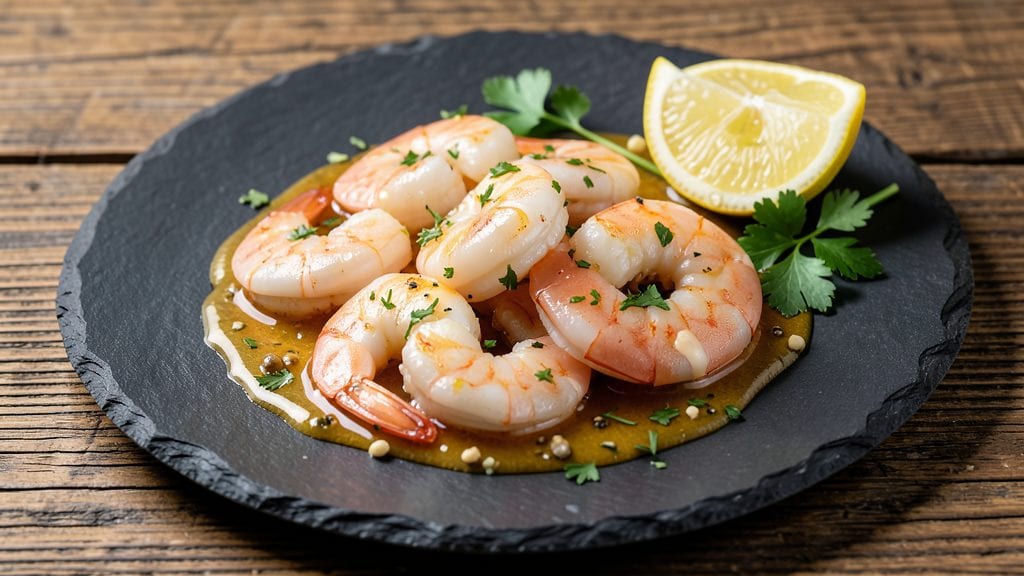
This butter poached shrimp recipe delivers restaurant-quality results with just a few simple ingredients and a foolproof technique. The secret lies in simmering shrimp gently in a fragrant blend of white wine, garlic, and clarified butter—creating tender, plump bites that stay perfectly moist.
I developed this method after years of testing, and it never fails to impress guests with its elegant presentation and rich flavor.
The beauty of butter poaching is its simplicity: no frying, no overcooking, just a delicate balance of heat and time. You’ll need 5 minutes of active prep and 10 minutes of hands-off simmering, making it ideal for busy weeknight dinners or elegant appetizers.
The shrimp absorbs the garlicky white wine broth, resulting in a dish that’s both sophisticated and surprisingly easy to master.
What you’ll achieve is perfectly plump shrimp with a delicate pink center and a subtle buttery sheen—each bite infused with aromatic garlic and bright white wine. The dish pairs beautifully with crusty bread, lemon wedges, or a sprinkle of fresh parsley for a finishing touch.
This recipe transforms a simple seafood appetizer into a showstopper that feels like a gourmet experience.
Whether you’re serving it as a starter or a light main course, this method ensures consistent results every time. The technique works equally well with large or small batches, making it versatile for any occasion. Let’s get started on creating shrimp that’s tender, flavorful, and impossible to resist.
Ingredients for butter poached shrimp
Restaurant-quality shrimp needs just twelve ingredients for perfect, plump bites every time.
| Ingredient | Amount | Notes |
|---|---|---|
| Large Shrimp 🦐 | 1 ½ lb | Peeled, deveined, tails on |
| Unsalted Butter 🧈 | ½ cup | Cold, cubed, unsalted preferred |
| Dry White Wine 🍷 | ½ cup | Sauvignon Blanc or Pinot Grigio |
| Garlic Cloves 🧄 | 6 cloves | Thinly sliced, not minced |
| Fresh Parsley 🌿 | ¼ cup | Chopped, flat-leaf preferred |
| Lemon Juice 🍋 | 1 tbsp | Freshly squeezed |
| Diamond Crystal Kosher Salt 🧂 | ½ tsp | Fine grain preferred |
| Freshly Ground Black Pepper 🌶️ | ¼ tsp | Cracked peppercorns preferred |
| Vegetable Oil 🫒 | 1 tbsp | For preheating pan |
| Bay Leaves 🍃 | 2 whole | Dried, for subtle aroma |
| White Peppercorns 🌶️ | ⅛ tsp | Crushed, for delicate seasoning |
| Lemon Zest 🍋 | 1 tsp | Fine, for bright finish |
The shrimp must be fresh and uniform in size—ask your fishmonger for 21-25 count per pound for consistent cooking. Whole Foods or local seafood markets typically carry the best quality, but frozen shrimp works in a pinch (thaw completely in cold water). The butter should be unsalted and cold—this ensures proper emulsification with the wine. For garlic, elephant garlic adds a milder, sweeter note, but regular cloves work perfectly. Fresh parsley is non-negotiable here; dried won't provide the same vibrant finish. The white wine should be dry and crisp—avoid oaked varieties that might overpower the delicate shrimp flavor.
No white wine on hand? Substitute with shrimp or fish stock plus a splash of lemon juice—the acidity is key. Swap fresh parsley for tarragon or chives at the same quantity, though parsley remains ideal. For a richer flavor, clarified butter (ghee) can replace regular butter, though it requires extra prep. If you prefer a more robust garlic flavor, infuse the oil with garlic before adding the wine. The bay leaves and white peppercorns are optional but elevate the dish's sophistication—omit if you prefer a cleaner flavor profile. Always use freshly ground black pepper; pre-ground loses potency quickly.
Store shrimp in the coldest part of your fridge for up to 2 days—use it as soon as possible for peak texture. The poaching liquid can be stored in an airtight container for 3 days and reheated gently for up to 2 servings. For presentation, arrange shrimp on a platter with a drizzle of the poaching liquid and garnish with extra parsley and lemon zest. This dish reheats beautifully—simmer gently for 2-3 minutes to maintain tenderness. Portion into individual ramekins for elegant appetizer servings, or serve family-style with crusty bread to soak up the garlicky butter.
Why You'll Love This Recipe
- One-Pot Magic: I swear by this recipe for lazy nights—just shrimp, butter, wine, and garlic in one pot. No chopping, no fuss, and the wine reduces down to a glossy, flavor-packed sauce in minutes. That’s it.
- Garlic-Wine Euphoria: Between us, the combo of minced garlic and dry white wine is ridiculously good—bright, buttery, and just salty enough. The shrimp soak up that flavor like a sponge, giving you that crispy-tender bite without overpowering them.
- Date Night Ready: This dish takes 20 minutes to make but feels like you slaved over it. Serve it with crusty bread to soak up the sauce, and suddenly you’re dining out—except you’re in your pajamas. (No judgment.)
- Leftovers? More Like Second Helpings: The sauce thickens beautifully when reheated, and the shrimp stay juicy if you store them properly. Honestly, I’ve had this for lunch the next day, and it’s still spot-on—no sad, rubbery shrimp here.
Step-by-step instructions for garlicky white wine poached shrimp
Master this refined technique for restaurant-quality shrimp that stays perfectly plump and infused with aromatic flavors.
Prepare the Shrimp and Aromatics
Pat the 1.5 lb large shrimp thoroughly with paper towels to remove any surface moisture. This crucial step prevents the shrimp from steaming instead of poaching. Arrange them in a single layer on a plate and set aside.
In a small bowl, combine the 6 cloves thinly sliced garlic, 2 whole bay leaves, 0.125 tsp crushed white peppercorns, 0.5 tsp diamond crystal kosher salt, and 0.25 tsp freshly ground black pepper. This aromatic blend will infuse the poaching liquid with complex depth. Keep this mixture separate until we're ready to use it.
Create the Poaching Liquid
In a wide, shallow saucepan (at least 10 inches in diameter), melt the 0.5 cup cold cubed unsalted butter over medium-low heat. Watch carefully as it melts completely, then add the 1 tbsp vegetable oil. This combination creates a stable base that won't separate during cooking.
Pour in the 0.5 cup dry white wine and immediately add the prepared garlic-bay leaf mixture. Bring to a gentle simmer, being careful not to let it boil vigorously. The wine should reduce slightly and develop a fragrant aroma—this typically takes about 3-4 minutes. Remove from heat and stir in the 1 tbsp lemon juice and 1 tsp lemon zest. This acidity brightens the flavors and prevents the butter from separating.
Poach the Shrimp to Perfect Tenderness
Return the pan to medium-low heat and carefully add the prepared shrimp in a single layer. They should float gently on the surface. The key here is patience—poaching requires gentle heat to maintain the shrimp's delicate texture. Cover the pan with a tight-fitting lid and maintain a temperature between 160-170°F (the liquid should barely simmer).
Poach for exactly 4-5 minutes, checking frequently. The shrimp are perfectly done when they turn opaque pink and curl slightly at the edges. Overcooking will turn them rubbery, so time this carefully. Remove the shrimp with a slotted spoon and transfer to a warm serving platter, reserving the poaching liquid.
Finish with Butter Emulsion and Garnish
Return the reserved poaching liquid to the pan and place it back on low heat. Add the shrimp back in and gently stir. The residual heat will help create a silky butter emulsion. Remove from heat and immediately stir in the 0.25 cup chopped fresh parsley, distributing it evenly over the shrimp.
Serve immediately, allowing guests to spoon the flavorful butter sauce over their shrimp. The result should be succulent, perfectly cooked shrimp with a delicate pink center, surrounded by a velvety garlic-parsley butter sauce. Each bite should deliver the bright acidity of lemon, the aromatic depth of garlic, and the richness of properly emulsified butter.
Pro Tips For Making Butter Poached Shrimp
- DEGLAZE IMMEDIATELY: As soon as you remove the shrimp, pour in that white wine and scrape the browned bits from the pan—every last one. I learned this the hard way: letting those bits sit turns your butter into a bitter mess. A quick 30-second scrape with a wooden spoon saves flavor and cleanup.
- PEEL SHRIMP LAST MINUTE: Leave the shells on until you plate the shrimp, then peel them tableside. The shells infuse the butter with color and depth—no need for extra seasoning. Just twist them off after cooking and toss them in the pan for 10 seconds to release their magic.
- LOW AND SLOW FINISH: After the wine reduces, drop the heat to lowest possible and let the butter foam gently. Rushing this step turns your sauce into a greasy puddle. A steady simmer for 3-4 minutes builds a silky, emulsified sauce—no blender needed.
- SALT THE WINE: Toss in a pinch of flaky salt (or a pinch of sea salt) with the wine—yes, even dry white wine. It rounds out the acidity and balances the butter’s richness. I was skeptical until I tried it: the sauce tastes cleaner and more cohesive.
Creative variations of this butter poached shrimp
Spicy Cajun Twist
Transform this classic dish into a bold Cajun-inspired version by adding 1 tsp Cajun seasoning (like Tony Chachere's) to the garlic mixture and ½ tsp smoked paprika to the butter.
For extra heat, stir in ½ tsp cayenne pepper with the lemon juice. Serve with corn bread and a side of creamy coleslaw to balance the spice. 🌶️
Lemon-Herb Infusion
For a brighter, herb-forward variation, infuse the white wine with ¼ cup fresh thyme sprigs and 2 sprigs rosemary while simmering. Add 1 tbsp honey to the lemon juice for a touch of sweetness.
Garnish with extra thyme and a sprinkle of toasted pine nuts for crunch. This version pairs beautifully with grilled asparagus.
Asian-Inspired Ginger-Lime
Swap the white wine for ½ cup coconut aminos and ¼ cup lime juice, then add 1 tbsp grated fresh ginger and 1 tsp fish sauce to the poaching liquid.
Finish with sliced scallions and a drizzle of sriracha for heat. This fusion version works perfectly as a sushi appetizer or with steamed jasmine rice.
Truffle Butter Luxe
Elevate this dish to gourmet status by substituting 2 tbsp white truffle oil for half the butter and adding 1 tsp truffle salt to the garlic mixture.
Garnish with microgreens and edible flowers for an elegant presentation. Serve with crusty baguette slices for dipping—this version feels like a Michelin-starred appetizer. ✨
Smoky Chipotle Version
Create a smoky depth by adding 1 chipotle pepper in adobo sauce (minced) to the butter and ½ tsp ground cumin to the garlic mixture. Finish with a sprinkle of cotija cheese and chopped cilantro. This smoky-sweet version pairs wonderfully with warm tortillas or black beans.
Citrus-Glazed Shrimp
For a sweeter variation, add 2 tbsp orange marmalade to the poaching liquid and finish with a drizzle of orange zest. Garnish with candied orange peel for a festive touch. This version works beautifully as a holiday appetizer or with arugula salad for a refreshing main course.
Nutrition facts
Frequently asked questions
Can I use frozen shrimp for this butter poached recipe?
Yes, but thaw them properly first! Place frozen shrimp in a sealed bag and submerge in cold water for 15-20 minutes until fully thawed. Never use warm water—it promotes bacterial growth. Pat them completely dry before poaching to ensure even cooking and maximum flavor absorption.
What if my shrimp turns rubbery instead of tender?
Overcooking is the most common cause. Keep the poaching liquid at a gentle simmer (160-170°F) and never exceed 5 minutes of cooking time. Use a thermometer to monitor the temperature—boiling will toughen the shrimp. For extra insurance, start with slightly undercooked shrimp (about 3-4 minutes) and check for doneness.
Can I make this recipe without white wine?
Use ½ cup shrimp or fish stock plus 1 tbsp lemon juice for the same bright acidity. For a richer flavor, add 1 tsp white miso paste to the poaching liquid. The key is maintaining the acidity—it prevents the butter from separating and keeps the shrimp tender. This substitution works perfectly for non-alcoholic versions.
How do I prevent the butter from separating?
Keep the heat low and steady—never let it boil. Stir in the lemon juice and zest immediately after removing from heat, as the acidity helps emulsify the butter. For extra stability, whisk in 1 tsp cornstarch dissolved in 1 tbsp cold water at the end. The butter emulsion should coat the back of a spoon smoothly.
What's the best way to reheat leftover poached shrimp?
Gently reheat in the poaching liquid over low heat for 2-3 minutes—never microwave. Add a splash of water or broth if the sauce thickens too much. For plating, drizzle with extra melted butter and fresh parsley. The shrimp reheats beautifully but loses some of its initial crispness, so enjoy it fresh whenever possible.