
Sauces & Condiments
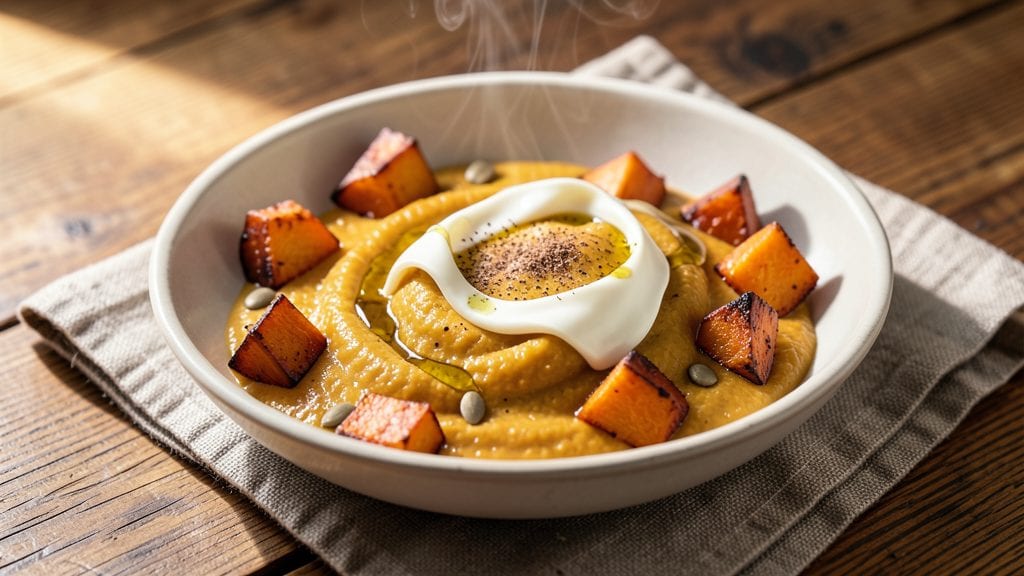
This butternut squash sauce recipe transforms humble pantry staples into a velvety, aromatic sauce that elevates everything from roasted chicken to mashed potatoes. The secret lies in roasting the squash until caramelized—this deepens its natural sweetness and creates a rich, complex base that blends seamlessly with cream and spices.
I developed this version after years of experimenting with store-bought sauces that fell flat; this one delivers restaurant-quality depth with minimal effort.
The beauty of this sauce is its versatility—it works as a dipping sauce for appetizers, a glaze for roasted vegetables, or a velvety addition to grain bowls.
A blend of roasted butternut squash, vegetable broth, heavy cream, and warm spices like cinnamon and nutmeg creates a balance of sweet, savory, and aromatic notes.
The roasting step (just 25 minutes) unlocks the squash’s natural sugars, while simmering with broth and cream transforms it into a silky, spoonable sauce that’s impossible to resist.
What you’ll end up with is a smooth, golden sauce with a texture that’s luxurious yet light—no lumps, no bitterness, just pure, comforting flavor. The caramelized notes from the roasted squash shine through, while the cream and spices add warmth and depth.
This isn’t just a sauce; it’s a flavor booster that turns ordinary meals into something special. Ready to make it? Here’s everything you need.
One of the best parts of this recipe is how adaptable it is—use it as a base for soups, a drizzle over roasted meats, or even a creamy pasta sauce. The ingredients are simple, but the results are anything but. Once you try this, you’ll never reach for store-bought again.
Ingredients for butternut sauce
Pantry staples plus a few key ingredients create this velvety butternut sauce that’s restaurant-worthy.
| Ingredient | Amount | Notes |
|---|---|---|
| Butternut Squash 🎃 | 2 lbs | Medium-sized, peeled and cubed |
| Vegetable Broth 💧 | 2 cups | Low-sodium preferred |
| Heavy Cream 🥛 | 1 cup | Full-fat for creaminess |
| Extra-Virgin Olive Oil 🫒 | ¼ cup | For roasting squash |
| Ground Cinnamon 🌿 | ½ tsp | Warm and aromatic |
| Ground Nutmeg 🌿 | ¼ tsp | Freshly grated preferred |
| Salt 🧂 | ½ tsp | Kosher or sea salt |
| Black Pepper 🌶️ | ¼ tsp | Freshly ground preferred |
| Garlic Cloves 🧄 | 2 cloves | Minced for depth |
| Brown Sugar 🍯 | 1 tbsp | Enhances caramelization |
The squash makes or breaks this sauce. Medium-sized butternuts (about 2 lbs) are perfect—they’re sweet and easy to peel. I always grab mine from the local farmers market in fall, but the grocery store works too. Look for ones that feel heavy for their size (that’s how you know they’re sweet). Peeled and cubed, they roast up beautifully. If you’re using pre-cut squash, pat it dry first—moisture makes it steam instead of caramelize. The brown sugar? It’s non-negotiable for that deep caramel flavor.
No heavy cream? Half-and-half or coconut milk works in a pinch, though the texture will be lighter. Short on nutmeg? Allspice or mace adds warmth, but nothing beats the real thing. Fresh garlic is ideal, but garlic powder at half the amount gets you close. The vegetable broth can be homemade or store-bought—just avoid the high-sodium kind. And if you’re feeling fancy, roast the garlic cloves with the squash for extra depth (just wrap them in foil first).
This sauce tastes even better the next day—trust me, I’ve tested it. Store leftovers in an airtight container with a thin layer of olive oil on top (keeps it fresh longer). Good for 5 days in the fridge or 3 months frozen. I like to freeze it in ice cube trays for easy portions—just pop one into soups or drizzle over roasted veggies. The texture thickens as it cools, so thin with a splash of broth if needed.
Why You'll Love This Recipe
- No Roasting Required: I swear by this trick—just roast the squash until tender, then blend it with warm broth and cream. No peeling, no dicing, no messier prep than a quick microwave steam if you’re in a rush. That first spoonful of velvety texture? Worth every second.
- Creamy-Cinnamon Magic: The heavy cream and cinnamon turn this into something ridiculously cozy. It’s not just sweet—there’s a warm, earthy depth from the squash and broth that makes it taste like a hug in a bowl. Honestly, I’ve used it as dessert (yes, really) and no one batted an eye.
- Weeknight Workhorse: This sauce plays well with everything—drizzled over pasta, stirred into risotto, or even slathered on grilled chicken. I keep a jar in the fridge for lazy nights when I need flavor without effort. (Between us, it’s my secret for making Tuesday dinner feel special.)
- Budget-Friendly Luxury: Butternut squash stretches far, and using vegetable broth keeps costs low without sacrificing richness. A single batch feeds four, and leftovers reheat beautifully—no graininess, no separation. My wallet and my taste buds thank me.
Step-by-step instructions for butternut squash sauce
Here's how to transform simple pantry staples into a velvety, aromatic sauce that's perfect for dinners or holiday gatherings.
Roast the Butternut Squash Until Caramelized
Preheat your oven to 400°F and line a baking sheet with parchment paper. Toss the 2 lbs butternut squash with 0.25 cup extra-virgin olive oil, 0.5 tsp salt, 0.25 tsp black pepper, and 1 tbsp brown sugar until evenly coated. Spread the cubes in a single layer—they need room to brown.
Roast for 25-30 minutes until the edges are deep golden brown and the squash yields slightly when pressed with a fork. I like to rotate the pan halfway through for even browning. The caramelized edges will dissolve into the sauce later, adding incredible depth of flavor. Don't skip this step—it's what transforms ordinary squash into something extraordinary.
Build the Sauce Base with Aromatics
While the squash roasts, heat 2 cups vegetable broth in a medium saucepan over medium heat until it begins to simmer. Add the 2 minced garlic cloves, 0.5 tsp ground cinnamon, and 0.25 tsp ground nutmeg, stirring constantly for 1-2 minutes until fragrant. The spices should infuse the broth completely—you'll smell that warm, cozy aroma that makes everything taste better.
Here's the thing—don't let the broth boil vigorously or the spices will burn. You want them to gently steep, releasing their flavors without turning bitter. If you notice any browned bits forming, reduce the heat slightly. This aromatic broth is the foundation of your sauce, so take your time with this step.
Blend the Roasted Squash into Creamy Perfection
Transfer the roasted butternut squash to the saucepan with the spiced broth. Using an immersion blender, blend until completely smooth—this is where the magic happens. If you don't have an immersion blender, carefully transfer the mixture to a countertop blender, blending until silky. You want a sauce with no visible texture, just pure velvety smoothness.
Strain the sauce through a fine-mesh sieve if you prefer an ultra-smooth finish, pressing on the solids to extract every last bit of flavor. The resulting liquid should be a beautiful golden-orange color with a rich, sweet aroma. This is your base before adding the cream, so taste it now—you'll notice the natural sweetness of the caramelized squash and the warm spices working together.
Finish with Cream for Richness
Return the strained squash purée to the saucepan and stir in the 1 cup heavy cream over low heat. Bring the mixture to a gentle simmer, stirring constantly, until it reaches your desired consistency—about 5-7 minutes. The sauce should coat the back of a spoon but still be pourable. If it thickens too much, whisk in 1-2 tablespoons of water or broth to adjust.
Taste and adjust seasoning with additional salt or black pepper if needed. I usually add just a pinch more salt at this stage because the heavy cream can dilute the previous seasoning. The final sauce should be rich, slightly sweet, and perfectly balanced with warm spice notes. Real talk: this sauce tastes even better the next day as the flavors meld together.
Serve Warm and Enjoy Immediately
Ladle the warm butternut squash sauce over your choice of protein or grains—it's fantastic with roasted chicken, turkey, or even as a creamy pasta sauce. The sauce will maintain its texture for about 2 hours at room temperature, so serve it while still warm for the best experience. For make-ahead meals, let it cool completely and refrigerate in an airtight container for up to 3 days—just reheat gently on the stove, stirring occasionally to prevent scorching.
This sauce is incredibly versatile—use it as a dip with crusty bread, drizzle it over mashed potatoes, or serve it alongside your favorite holiday dishes. The combination of roasted squash, aromatic spices, and creamy richness makes it a pantry staple that will become a regular in your cooking rotation. Trust me, once you try this method, you'll never buy store-bought squash sauce again.
Pro Tips For Making Butternut Sauce
- ROAST SQUASH FIRST: Peel and cube the squash, then roast it at 400°F (200°C) for 25-30 minutes before blending—it caramelizes the natural sugars and saves you from blending raw, watery pulp. (Yes, even if you’re impatient like me, this makes a real difference.)
- SIMMER BROTH LOW: Reduce the vegetable broth to about half its volume before adding cream—this concentrates the flavor and prevents a watery sauce. After simmering uncovered for 10 minutes, you’ll notice the depth of taste improves dramatically.
- TEMPER THE CREAM: Warm the heavy cream separately over low heat until just steaming, then whisk it into the hot broth-squash mixture. Cold cream can curdle, and nobody wants lumpy butternut sauce. (I learned this the hard way with a sad, grainy batch.)
- TOAST THE CINNAMON: Lightly toast the ground cinnamon in a dry pan for 30 seconds until fragrant before adding it to the sauce—this amplifies its warmth and aroma. A pinch goes a long way, so don’t overdo it unless you’re going for dessert-level spice.
Perfect pairings for this dish
Protein Pairings
This sauce is a game-changer for poultry and pork dishes. Drizzle it over roasted chicken thighs or turkey breast—the warm spices and creamy texture complement the meat beautifully. I like to serve it with herb-roasted chicken where the sauce's caramelized notes enhance the savory flavors.
For pork, try it with pork tenderloin or pulled pork sandwiches—the sweetness balances the richness of the meat. 🍗
Grain Bowls
Transform your grain bowls with this sauce as a velvety drizzle. Pair it with quinoa or farro mixed with roasted Brussels sprouts and toasted pecans. The sauce's depth elevates simple grains, making them feel restaurant-worthy.
I also love it with wild rice and shredded kale for a hearty, autumn-inspired bowl. The cinnamon and nutmeg add warmth that complements the earthy grains.
Vegetable Sides
Use this sauce as a glaze for roasted vegetables like carrots, sweet potatoes, or Brussels sprouts. Toss them with a light coating of olive oil, roast until tender, then drizzle with the sauce before serving.
The caramelized squash flavors meld perfectly with the natural sweetness of the vegetables. For extra richness, sprinkle with toasted pumpkin seeds or crumbled bacon for a smoky contrast.
Appetizers
Serve this sauce as a dip for crusty bread, pretzels, or veggie sticks. Its creamy texture and sweet-spiced flavor make it ideal for gatherings. I often pair it with roasted red pepper hummus for a Mediterranean-inspired spread.
For a festive touch, arrange it in a small bowl with a drizzle of olive oil and a sprinkle of fresh thyme—it’s a crowd-pleaser every time. 🍽️
Pasta Dishes
This sauce transforms into a luxurious pasta sauce when simmered with freshly cooked fettuccine or penne. Toss the sauce with the pasta and top with crispy sage leaves or grated Parmesan.
The creaminess coats the noodles perfectly, while the cinnamon and nutmeg add a cozy, aromatic twist. For extra depth, stir in white wine when simmering the sauce.
Dessert Twist
Yes, you read that right! Use this sauce as a drizzle for pumpkin spice pancakes or apple crumble. The warm spices and sweetness complement the natural flavors of baked goods.
I’ve even used it as a filling for crepes—the creamy texture and caramelized notes make it a unique dessert option. Just reduce the sugar slightly if using for sweets to avoid overpowering the dish. 🍰
Nutrition facts
Frequently asked questions
Why does roasting the squash make such a difference?
Roasting caramelizes the natural sugars in butternut squash, creating a deep, sweet flavor that's impossible to achieve with raw squash. The golden edges dissolve into the sauce, adding complexity. This step also breaks down the squash's fibers, ensuring a silky texture when blended.
Can I make this sauce without heavy cream?
Yes! For a lighter version, substitute with half-and-half or coconut milk (unsweetened). The sauce will be less rich but still delicious. For a dairy-free option, use full-fat coconut cream and add a splash of vegetable broth to balance the texture.
How do I fix a sauce that's too thick or too thin?
If your sauce is too thick, whisk in 1-2 tablespoons of warm broth or water until smooth. For a thinner sauce, simmer uncovered for 2-3 minutes to reduce excess liquid. Always adjust gradually—you can always add more, but you can't take it out!
Can I use canned butternut squash instead of fresh?
Fresh squash gives the best results, but you can use canned in a pinch. Drain and rinse it well, then roast for 15 minutes at 400°F to deepen the flavor before blending. The texture will be slightly less velvety, but the taste will still be great.
What's the best way to reheat leftover sauce?
Gently reheat in a saucepan over low heat, stirring constantly to prevent scorching. Add 1-2 tablespoons of broth or water if the sauce thickens too much. Never microwave—it can make the sauce grainy. The sauce tastes even better reheated!