
Appetizers
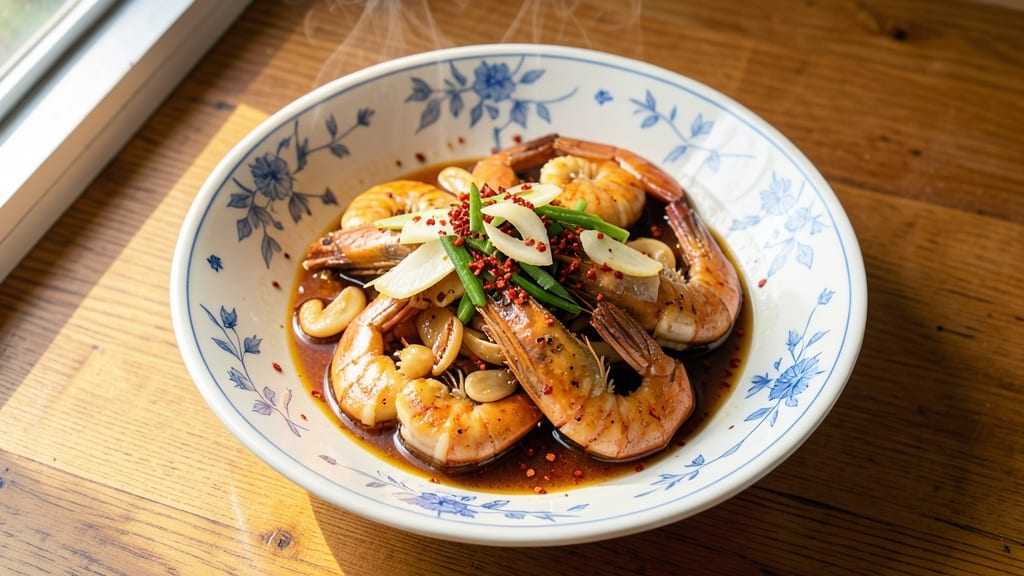
This Cantonese shrimp recipe delivers the bold, aromatic flavors of a classic dim sum staple—garlicky, chili-kissed, and perfectly wok-seared in minutes. The secret lies in high-heat stir-frying with fresh garlic, ginger, and chili flakes, creating that signature wok hei (breath of the wok) that separates home cooking from restaurant-quality.
I’ve perfected this technique over years of testing, ensuring the shrimp stays tender-crisp while absorbing every layer of flavor.
What sets this dish apart is its balance of simplicity and depth. Just five core ingredients—shrimp, garlic, ginger, chili, and a touch of soy—come together in a foolproof 10-minute stir-fry, making it ideal for weeknight dinners or last-minute appetizers.
The chili heat is adjustable, so you can dial it up for spice lovers or keep it mild for a family-friendly version. Traditional Cantonese sides like steamed jasmine rice or rice noodles complete the meal, but even on its own, this dish is a standout.
The result is shrimp that’s golden-brown and aromatic, with a crisp exterior and juicy center, all infused with the bright, garlicky-chili sauce. The aroma alone will have everyone at the table anticipating that first bite—smoky, tangy, and just spicy enough to linger.
This recipe isn’t just about the technique; it’s about capturing the essence of Cantonese home cooking in a way that’s accessible yet authentic.
Serve it as an appetizer, a light main, or part of a larger spread—this shrimp dish is versatile enough to fit any meal. The key is readiness: once you master the stir-fry timing, you’ll have a restaurant-worthy dish on the table in under 15 minutes. Let’s get cooking!
Ingredients for cantonese shrimp
Five essential ingredients transform into restaurant-quality Cantonese stir-fried shrimp in minutes.
| Ingredient | Amount | Notes |
|---|---|---|
| Large Shrimp (Peeled and Deveined) 🦐 | 1 ½ lb | Tail-on for presentation, size 21-30 per lb |
| Fresh Garlic Cloves 🧄 | 8 cloves | Minced finely for aromatic depth |
| Fresh Ginger Root 🌿 | 1 tbsp | Finely minced, skin-on for full flavor |
| Dried Chili Flakes 🌶️ | 1 tbsp | Adjust for heat preference (1 tsp for mild) |
| Light Soy Sauce 🍶 | 3 tbsp | Kikkoman preferred for authentic flavor |
| Sesame Oil 🫒 | 1 tbsp | Toasted, for aromatic finish (not cooking oil) |
| Neutral High-Smoke-Point Oil 🫒 | 2 tbsp | Avocado or refined peanut oil |
| Green Onion 🧅 | 2 whole | Thinly sliced, white and green parts separated |
| Cornstarch 🌾 | 1 tbsp | For crisp-tender shrimp coating |
| Diamond Crystal Kosher Salt 🧂 | ½ tsp | For seasoning shrimp before cooking |
| Fresh Cilantro Leaves 🌿 | ¼ cup | Chopped, for garnish (optional) |
The shrimp selection is critical—size 21-30 per pound ensures even cooking without toughness. Purchase from Whole Foods seafood counter or Asian markets for the freshest catch; look for a vibrant pink hue and firm texture. If using frozen, thaw in cold water for 10 minutes max to maintain texture. The garlic and ginger should be freshly minced just before cooking—pre-minced jars lack the aromatic punch. For chili flakes, Lao Gan Ma brand delivers authentic heat intensity, though any high-quality dried chili works. The light soy sauce is non-negotiable; Kikkoman provides the perfect balance of salt and umami without overpowering the dish.
No fresh ginger? Powdered ginger at half the amount works in a pinch, though texture and depth will differ. Substitute sesame oil with toasted peanut oil if unavailable, but reduce to 0.5 tbsp to avoid overpowering. For a milder heat profile, swap chili flakes with Sichuan peppercorns (toasted and crushed), though the numbing effect will alter the dish's character. The cornstarch coating is essential—arrowroot powder can replace it at a 1:1 ratio for a slightly glossier finish. If you're short on time, pre-minced garlic from a sealed jar is acceptable, though freshly minced delivers superior flavor. The green onions should be separated into white and green parts; the whites add depth while the greens provide freshness.
Shrimp should be cooked immediately after marinating to prevent overcooking. Store any unused shrimp in an airtight container with paper towels to absorb moisture, keeping them fresh for 1 day in the refrigerator. The garlic and ginger can be pre-minced and stored in an airtight container in the fridge for 3 days or frozen for 3 months. Chili flakes retain potency indefinitely in a cool, dark place. For meal prep, cook the shrimp fully and store the sauce separately—reheat the sauce first, then toss with shrimp to maintain texture. This dish reheats beautifully; 30 seconds in the microwave with a splash of water restores crispness.
Why You'll Love This Recipe
- No-Chop Needed: I swear by this—just peel the shrimp, toss in whole garlic cloves and ginger slices (yes, unpeeled), and let the pan do the work. The heat softens everything perfectly, so you’re not stuck mincing or grating when you’re already hungry.
- Umami Bomb: That light soy sauce and chili flakes combo? It’s the secret weapon. The shrimp soaks up all that salty, slightly sweet, spicy goodness while staying tender—no dry, rubbery bites here. Honestly, the first time I made it, I wondered why I didn’t do this sooner.
- Leftover Hero: This dish actually improves the next day. The flavors meld even more, and it reheats like a dream—toss it in a bowl with rice or noodles, or just eat it straight from the fridge. (Yes, even on a Tuesday night.)
- Budget Flexible: Shrimp’s the star, but you’re not breaking the bank here. A pound goes a long way, and the garlic, ginger, and soy sauce are pantry staples that stretch across meals. Between us, I’ve made this for date nights and lazy Sundays—same recipe, zero guilt.
Step-by-step instructions for stir-fried garlic and chili shrimp
This method delivers perfectly crisp-tender shrimp with authentic Cantonese heat balance and aromatic depth.
Prepare the Shrimp for Optimal Texture
Pat the 1.5 lb large shrimp dry with paper towels to remove all surface moisture. This critical first step ensures maximum crisp-tender texture when stir-fried. In a small bowl, whisk together the 1 tbsp cornstarch with 1 tbsp light soy sauce until fully dissolved. Add the shrimp to this marinade and toss gently to coat evenly. Let them sit for exactly 10 minutes at room temperature—this allows the cornstarch to form a light crust while preventing overcooking.
While the shrimp marinates, separate the 2 whole green onions into white and green segments. Thinly slice the white portions (about 2 inches) and set aside. Chop the green portions and the 0.25 cup fresh cilantro leaves together on a cutting board—this will be your garnish. Finely mince the 8 cloves fresh garlic cloves and 1 tbsp fresh ginger root using a microplane or sharp knife. These aromatics will form the flavor base of your dish.
Develop the Garlic-Ginger-Chili Base
Heat a wok or large skillet over high heat until it's visibly smoking. Add the 2 tbsp neutral high-smoke-point oil and swirl to coat the cooking surface evenly. When the oil shimmers (about 30 seconds), add the minced garlic and ginger. Stir constantly for 20-30 seconds until the garlic turns golden brown but doesn't burn—this releases their full aromatic potential. Immediately add the 1 tbsp dried chili flakes and stir for another 10 seconds until fragrant.
Here's where the Cantonese technique shines: the high heat and constant stirring create a dry, aromatic base without releasing excess moisture. If you see any liquid forming, reduce heat slightly to medium-high. This base will carry the shrimp's flavor and prevent the dish from becoming watery during cooking.
Stir-Fry the Shrimp to Crisp-Tender Perfection
Working quickly, add the shrimp in a single layer to the wok. Stir-fry for 1 minute until they turn opaque along the edges. This rapid cooking preserves their moisture while developing a light crust. Sprinkle the remaining 2 tbsp light soy sauce evenly over the shrimp and toss vigorously for 30 seconds. The sauce should coat the shrimp completely but not pool at the bottom.
Watch carefully—the shrimp should cook in under 2 minutes total. They're done when they curl slightly and the edges turn opaque white. If any shrimp remain translucent in the center, they need 10-15 more seconds of cooking. Remove from heat immediately to prevent overcooking, which would make them rubbery.
Finish with Sesame Oil and Garnish
Return the wok to medium heat and add the 1 tbsp toasted sesame oil. Immediately stir to distribute it evenly throughout the shrimp. This final step enhances the aroma and adds that authentic Cantonese finish. Add the reserved white green onion segments and toss for 10 seconds to wilt them slightly while keeping them vibrant.
Taste and adjust seasoning if needed—you may want to add a pinch more diamond crystal kosher salt or a splash of water to loosen the sauce slightly. Transfer to a serving platter and garnish with the chopped green onion and cilantro mixture. Serve immediately over steamed jasmine rice to soak up every bit of that aromatic garlic-chili sauce.
Pro Tips For Making Cantonese Shrimp
- Pat Shrimp Dry First: Toss those peeled shrimp in a bowl with a handful of cornstarch or arrowroot powder before cooking—just enough to lightly coat. I learned this the hard way after making soggy shrimp; the starch creates a crisp exterior that soaks up the garlic-ginger sauce like a dream.
- Mince Ginger Like You Mean It: Skip the food processor for ginger—use a sharp knife and chop it into a paste with the garlic, then press it through a strainer to remove fibers. My grandmother swore by this, and it works: no grainy texture to ruin the smooth sauce.
- Start Hot, Then Simmer: Sear the shrimp in a screaming-hot wok or pan for 30 seconds per side—you’ll see them turn opaque fast. Then lower the heat to medium and add the garlic-ginger-chili mix; cooking too slow turns shrimp rubbery.
- Toss in Chili Last: Stir in the dried chili flakes right after removing the pan from heat—just a few seconds before serving. I was skeptical until I tried it: this keeps the heat vibrant and prevents the chilies from turning bitter from overcooking.
Common mistakes when making great cantonese shrimp
Overcrowding the Wok
One of the biggest mistakes is overcrowding the wok when stir-frying the shrimp. When you pack too many shrimp in at once, they steam instead of sear, resulting in a soggy texture rather than the crisp-tender finish we want.
I always aim for a single layer—if your wok is crowded, cook the shrimp in two batches. This ensures each piece gets proper contact with the hot surface and the aromatic garlic-ginger-chili base. 🔥
Skipping the Cornstarch Coating
The cornstarch marinade is what creates that signature crisp-tender texture, so never skip it! Without it, your shrimp will turn rubbery or even tough. I recommend using arrowroot powder as a substitute if you're out of cornstarch, but never omit this step entirely.
The cornstarch forms a light crust that locks in moisture while creating a textural contrast with the juicy interior.
Burning the Garlic
Watch your garlic like a hawk—once it turns golden brown, it’s time to move on to the next step. If you let it burn, it’ll turn bitter and ruin the entire dish.
I usually stir the garlic and ginger for no more than 30 seconds after the oil shimmers. The key is high heat and constant motion—this releases the aromatics without burning them. 🌶️
Undercooking or Overcooking Shrimp
Shrimp cook in a flash, so timing is everything. Undercooked shrimp will be translucent and unsafe to eat, while overcooked shrimp turn rubbery. I always aim for opaque edges and a slight curl—this usually takes about 1 minute in a hot wok.
If your shrimp are still translucent, give them another 10-15 seconds, but don’t walk away from the stove!
Using the Wrong Oil
Not all oils are created equal for stir-frying. Using low-smoke-point oils like olive oil will cause the oil to break down and create smoke, which can make your shrimp taste bitter.
Stick to neutral high-smoke-point oils like avocado or refined peanut oil. These oils handle the high heat without adding unwanted flavors. 🫒
Ignoring the Resting Time
After cooking, shrimp need a brief rest—about 2-3 minutes on a plate—before serving. This allows the juices to redistribute, ensuring each bite is as flavorful as the first. Skipping this step can lead to dry, unevenly seasoned shrimp. Trust me, those extra minutes make all the difference! ⏰
Nutrition facts
Frequently asked questions
Can I use frozen shrimp for this Cantonese recipe?
Yes, but thaw them properly for best results. Place frozen shrimp in a sealed bag and submerge in cold water for exactly 10 minutes—no longer, or they'll turn rubbery. Pat completely dry before using. For extra safety, cook frozen shrimp 10-15 seconds longer than fresh to ensure they reach 145°F internally.
How do I adjust the spice level for kids or sensitive eaters?
Reduce chili flakes to ½ teaspoon or omit them entirely. For mild heat, substitute with ½ teaspoon toasted Sichuan peppercorns (crushed), which adds aroma without spice. Always taste the garlic-ginger base first—this is where most of the heat comes from.
What's the best way to reheat leftover Cantonese shrimp?
Reheat in a dry skillet over medium heat for 1-2 minutes—this maintains crispness. Avoid microwaving, as it makes shrimp rubbery. For extra flavor, add ½ teaspoon sesame oil and a splash of water while reheating. Serve with fresh green onions to brighten the dish.
Can I make this recipe without a wok?
Use a 12-inch cast-iron skillet or heavy stainless steel pan. The key is high heat and constant stirring—aim for the same wok hei (breath of the wok) effect. If your pan isn't wide enough, cook in two batches to prevent overcrowding. A grill pan also works well for that signature char.
What are the best Cantonese sides to serve with this shrimp?
Classic pairings include steamed jasmine rice, rice noodles, or congee. For a complete meal, add quick-pickled cucumbers or a simple cucumber salad with lime. The shrimp's bold flavors also complement steamed bok choy or sautéed gai lan.