
Main Courses
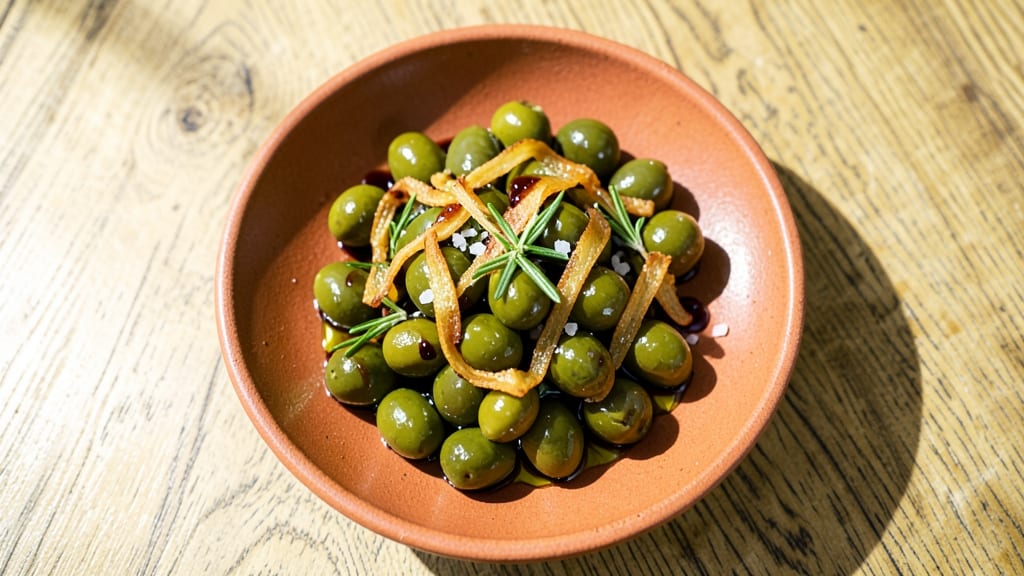
This Sicilian-style Castelvetrano olives recipe transforms a simple antipasto into a bold, aromatic centerpiece that steals every meal. The secret lies in pan-frying the olives with garlic and rosemary until they develop a crispy exterior and deep, caramelized flavor—just like the dishes you'd find in a Sicilian trattoria.
I first discovered this technique while traveling through Sicily, where olives aren't just an appetizer but a star ingredient in hearty, flavorful plates.
The beauty of this dish is its simplicity: just a handful of ingredients, 15 minutes of active cooking, and a pan that delivers restaurant-quality results. Castelvetrano olives—large, meaty, and naturally sweet—absorb the garlic and rosemary like a sponge, creating a dish that’s both elegant and satisfying.
The key is patience; letting the olives sizzle slowly ensures they develop that perfect balance of crispy and tender.
What you’ll end up with is a plate of golden, aromatic olives that shine with garlic’s sharpness and rosemary’s earthy warmth. Serve them as a standalone antipasto, pair them with crusty bread to soak up every bit of flavor, or use them as a topping for grilled meats and seafood.
The olives stay crispy even after sitting, making this dish ideal for gatherings or meal prep.
For an extra touch of authenticity, drizzle with a splash of extra-virgin olive oil and a sprinkle of flaky sea salt before serving. This recipe proves that Castelvetrano olives aren’t just a side—they’re the star of the show. Let’s get cooking.
Ingredients for castelvetrano olives
Castelvetrano olives shine when pan-fried with aromatic garlic and rosemary for a crispy, caramelized antipasto.
| Ingredient | Amount | Notes |
|---|---|---|
| Castelvetrano Olives 🫒 | 1 ½ lb | Pitted, large and meaty |
| Extra-Virgin Olive Oil 🫒 | ¼ cup | High-quality, fruity variety |
| Fresh Rosemary 🌿 | ¼ cup | Finely chopped, fresh sprigs |
| Garlic Cloves 🧄 | 6 cloves | Thinly sliced, peeled |
| Flaky Sea Salt 🧂 | 1 tsp | For finishing |
| Red Wine Vinegar 🍷 | 1 tbsp | For acidity balance |
| Freshly Ground Black Pepper 🌶️ | ½ tsp | Freshly cracked |
| Crusty Bread 🍞 | 2 slices | For serving, optional |
| Fresh Lemon Juice 🍋 | 1 tbsp | Brightens flavors |
The olives are the star—opt for Castelvetrano specifically, available at specialty markets or well-stocked grocers like Whole Foods or Eataly. Their large size and meaty texture hold up beautifully to pan-frying. Fresh rosemary is non-negotiable here; dried loses its piney aroma. For garlic, peel and slice thinly—this maximizes surface area for caramelization. If you can't find Castelvetrano olives, Manzanilla olives are a close second, though they'll be slightly smaller.
No fresh rosemary? Dried rosemary works at one-third the amount, but the flavor won't be as vibrant. Substitute red wine vinegar with lemon juice if needed, though the acidity will differ slightly. For extra-virgin olive oil, look for a peppery, robust variety—it should be the kind you'd drizzle on bread without hesitation. The flaky sea salt adds a critical finishing touch; Maldon or Jacobsen brands are ideal. If you're short on time, pre-sliced garlic from the produce section saves steps, though freshly sliced yields better results.
These olives stay crispy for up to 3 days when stored in an airtight container at room temperature. For longer storage, refrigerate for 1 week—they'll soften slightly but remain flavorful. The bread, if using, should be stale or lightly toasted to prevent sogginess. Double the recipe for gatherings; the olives reheat beautifully in a 350°F oven for 5-7 minutes, regaining their crisp texture.
Why You'll Love This Recipe
- Here’s what sold me: I can make a big batch, store it in the fridge, and pull it out for weeks. The oil keeps the olives tender, and the salt stays crisp. Plus, Castelvetrano olives are affordable, so I’m not breaking the bank for a snack that feels fancy. Win-win.
- Few Ingredients, Big Payoff: I swear by this recipe because it’s that simple—just olives, garlic, rosemary, and oil. No chopping, no measuring cups, no stress. Honestly, I’ve made it while scrolling through my phone, and it still tastes like I slaved over it.
- Garlic-Rosemary Magic: The moment those olives hit the pan with warm garlic and rosemary? Chef’s kiss. The briny olives soak up the fragrant oil, and the garlic softens just enough to add depth without overpowering. It’s the kind of flavor that lingers—perfect for when you want something bold but not heavy.
- Game for Any Occasion: Between us, these olives are my secret weapon for parties, picnics, or just snacking while watching a movie. Sprinkle them on toast, toss them into pasta, or serve them straight from the jar. I’ve even used them as a topping for grilled fish—works every time.
Step-by-step instructions for Sicilian-style pan-fried Castelvetrano olives
This method transforms simple olives into a restaurant-worthy Sicilian appetizer with crisp edges and aromatic depth.
Prepare the Olives for Maximum Flavor Absorption
Pat the 1.5 lb Castelvetrano olives thoroughly dry with paper towels to remove any surface moisture. This critical step prevents the olives from steaming instead of browning. Place them in a mixing bowl and toss gently with 1 tablespoon red wine vinegar and 1 tablespoon fresh lemon juice. Let them marinate for 15 minutes at room temperature—this brightens their natural flavor and prepares them to absorb the aromatic elements.
While the olives marinate, finely chop the 0.25 cup fresh rosemary and thinly slice the 6 cloves garlic. I prefer using a sharp chef's knife for the rosemary to achieve an even distribution of tiny leaves. The garlic should be paper-thin slices to infuse flavor without overpowering the olives. Keep these aromatics separate until the next step to maintain their freshness.
Develop the Garlic-Rosemary Oil Base
Heat 0.25 cup extra-virgin olive oil in a large skillet over medium-low heat. The oil should be hot enough to shimmer gently but not smoke—this ensures the garlic cooks slowly and releases its sweet aroma without burning. Add the sliced garlic and cook for 2-3 minutes until the edges turn light golden and the oil takes on a delicate pink hue.
Immediately remove the skillet from heat and stir in the chopped rosemary. Let the mixture sit off the heat for 1 minute to allow the rosemary's essential oils to infuse into the oil. This step is crucial—cooking rosemary directly can make it bitter. The oil should now carry a vibrant green color and an intoxicating herbal aroma. Return the skillet to medium heat and add the drained olives.
Pan-Fry Until Crisp and Golden
Spread the olives evenly in the skillet and cook over medium heat for 8-10 minutes, stirring occasionally with a silicone spatula. You're looking for deep golden brown spots on the olives—this indicates they're developing that coveted Sicilian crispness. The olives will release some oil as they cook, so don't overcrowd the pan or they'll steam instead of crisp.
After 5 minutes, sprinkle the olives with 0.5 teaspoon freshly ground black pepper and 1 teaspoon flaky sea salt. The salt should melt slightly from the heat, creating delicate crystals that cling to the olives. Taste one olive at this stage—it should be developing complex flavors with bright acidity from the vinegar and lemon, balanced by the sweet garlic and herbal rosemary.
Finish with Perfect Timing
When the olives are golden brown and crisp around the edges, remove the skillet from heat. The residual heat will continue cooking them slightly as you work. Transfer the olives to a serving platter and let them rest for 2-3 minutes—this allows any remaining surface moisture to evaporate, intensifying their flavor and crispness.
Serve immediately with the 2 slices crusty bread for dipping. The bread should be warm enough to soften slightly when dipped into the oil, creating a perfect textural contrast with the crisp olives. Each bite should deliver a symphony of flavors: the briny olives, sweet garlic, herbal rosemary, bright acidity, and the rich olive oil base.
Pro Tips For Making Castelvetrano Olives
- PIT THE GARLIC: Smash those cloves flat with the side of your knife before adding them—no need to chop. This way, they infuse the oil faster and don’t burn before the olives are ready, which I learned after one very bitter batch.
- DRY THE OLIVES: Pat Castelvetrano olives thoroughly with a paper towel before roasting. Wet skin = steam = uneven cooking. Skip this, and you’ll end up with some olives that taste like they’re still in brine.
- LOW AND SLOW: Roast the olives on the lowest oven rack at 275°F (135°C) for 20-25 minutes. High heat turns them rubbery; this method keeps them tender and lets the oil soak in evenly.
- SALT AT THE END: Toss in the flaky sea salt after the olives come out of the oven—it melts into the warm oil and sticks better. Sprinkle it on while they’re still hot, or it’ll just clump like sad snow.
Troubleshooting perfect results
Olives Not Browning
If your olives remain pale instead of developing golden brown spots, it’s likely due to excess moisture. Always pat them thoroughly dry with paper towels before cooking—this is non-negotiable for crispy results.
Another common culprit is using too much oil, which can cause steaming instead of browning. Reduce the oil to 2 tablespoons and ensure your pan is medium heat, not low. 🔥
Garlic Burning Too Quickly
Garlic burns easily, ruining the delicate flavor balance. To prevent this, use medium-low heat and remove the pan from heat 30 seconds before the garlic reaches your desired color.
If it starts to brown too fast, add 1 teaspoon cold water to the pan and cover for 1 minute—this cools it down without losing flavor. Freshly sliced garlic also caramelizes faster than pre-sliced, so adjust timing accordingly.
Olives Losing Crispiness
Overcrowding the pan is the #1 reason olives turn soggy. Cook in batches if needed, using a 10-inch skillet for the full 1.5 lb of olives.
If they lose crispness after cooking, spread them on a wire rack over a baking sheet and broil for 2-3 minutes at 375°F to revive the texture. Avoid covering them while resting—they’ll steam and soften.
Flavor Too Mild
If your olives taste bland, the issue is likely under-seasoning or insufficient marination. Let the olives marinate in vinegar and lemon juice for the full 15 minutes—this brightens their natural flavor. For extra depth, add ½ teaspoon red pepper flakes during the last 2 minutes of cooking.
A final drizzle of high-quality extra-virgin olive oil (like Colavita or California Olive Ranch) before serving elevates the dish instantly. 💫
Oil Smoking Excessively
Smoking oil means it’s too hot, which can make the garlic bitter and the olives cook unevenly. Use a thermometer to monitor oil temperature—it should stay between 325-350°F.
If your pan lacks a thermometer, test with a wooden chopstick: dip it in the oil and remove after 30 seconds. If it’s smoking, reduce heat to medium-low immediately. A stainless steel or cast-iron skillet (like Lodge) distributes heat more evenly than nonstick.
Rosemary Tasting Bitter
Cooking rosemary directly in the oil can turn it bitter, especially if overcooked. Always remove the pan from heat before adding rosemary and let it steep for 1 minute off the heat. For extra freshness, use young sprigs (the newer the rosemary, the milder the flavor).
If you must use dried rosemary, crush it lightly between your fingers to release oils, then add it only at the very end of cooking. 🌿
Nutrition facts
Frequently asked questions
Why do Castelvetrano olives need to marinate before cooking?
The 15-minute vinegar and lemon juice marinade brightens the olives' natural flavor and helps them absorb the aromatic garlic and rosemary more effectively. This step prevents blandness and ensures the olives develop that signature Sicilian tang.
Can I substitute Castelvetrano olives with other varieties?
Manzanilla olives work as a close substitute, though they're smaller and less meaty. Kalamata olives are too soft for crispy pan-frying. For best results, stick with Castelvetrano—their size and texture hold up perfectly to the cooking method.
How do I know when the olives are perfectly crispy?
Look for golden brown spots on the olives and listen for a slight sizzle—this indicates they're developing crisp edges. The olives should feel firm when pressed with tongs, not soft. Resting them 2-3 minutes after cooking intensifies the crispness.
What's the best way to reheat these olives?
Spread cooked olives on a baking sheet and broil at 375°F for 2-3 minutes to revive their crisp texture. Avoid microwaving—they'll turn rubbery. For extra flavor, add a fresh sprig of rosemary to the pan before reheating.
Can I make this recipe ahead of time?
Yes! Store cooked olives in an airtight container at room temperature for 3 days or refrigerate for 1 week. They'll soften slightly but remain flavorful. Reheat using the broil method above for best results. Perfect for meal prep!