
Breakfast & Brunch
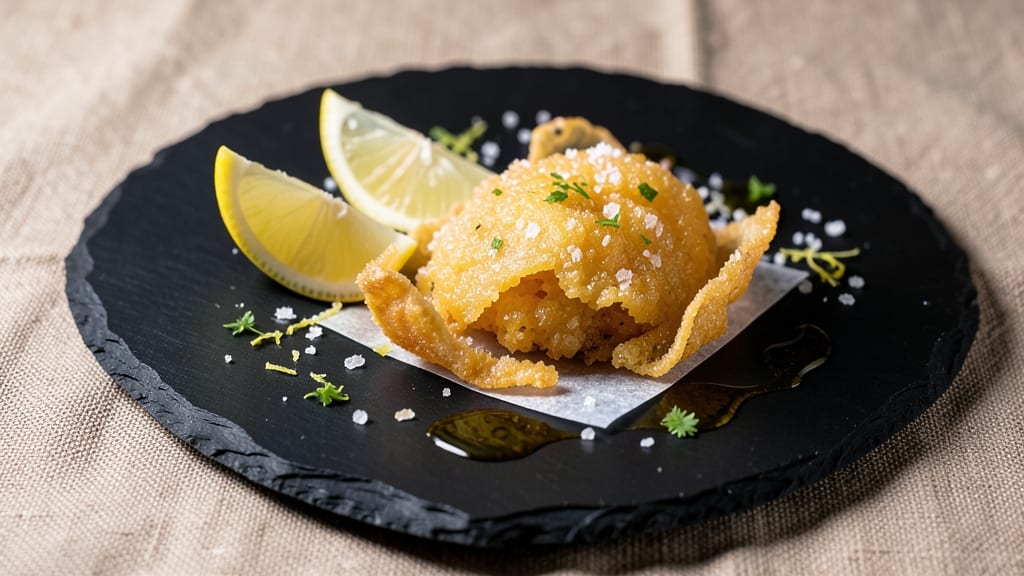
This crispy-fried catfish eggs recipe transforms humble roe into a luxurious, golden caviar that rivals anything you'd find at a high-end seafood counter.
The secret lies in a delicate balance of heat and timing—frying the eggs just long enough to create a shatteringly crisp exterior while keeping the interior tender and briny.
I first discovered this technique while preparing for a seafood-focused dinner party, and it became an instant crowd-pleaser, especially when paired with the bright citrus notes of lemon zest.
The process begins with carefully cleaning and preparing the catfish eggs, ensuring they're free from any impurities while preserving their delicate texture. A light marinade of lemon juice and salt enhances their natural flavor, while a simple cornstarch coating creates that signature crispiness when fried.
What makes this recipe truly special is how it elevates a simple ingredient into something extraordinary—each bite delivers a satisfying crunch followed by a burst of oceanic richness.
By the time you're done, you'll have a dish that's both impressive and approachable, perfect for serving as an appetizer, topping for salads, or even a standalone snack with a side of tartar sauce.
The crispy exterior gives way to a tender, caviar-like interior that's packed with flavor, making it a standout dish that feels both traditional and modern. Let's get started on creating this crispy-fried delicacy.
This recipe works beautifully as a centerpiece for seafood lovers or as a unique addition to brunch menus. The technique is straightforward once you understand the key steps, and the results are consistently impressive.
Whether you're preparing for a special occasion or simply craving something extraordinary, this crispy-fried catfish eggs dish delivers on both flavor and presentation.
Ingredients for catfish eggs
Luxurious crunch meets oceanic richness—just eight ingredients transform humble roe into showstopping caviar.
| Ingredient | Amount | Notes |
|---|---|---|
| Fresh Catfish Eggs (Roe) 🐟 | 1 cup | Cleaned and rinsed thoroughly |
| Cornstarch 🌾 | ½ cup | Lightly coats for crispiness |
| Extra-Virgin Olive Oil 🫒 | 2 cups | High smoke point preferred |
| Fresh Lemon Juice 🍋 | 2 tbsp | Brightens flavor profile |
| Kosher Salt 🧂 | 1 tsp | Fine grain preferred |
| Lemon Zest 🍋 | 1 tsp | From organic lemons |
| Ice Water 💧 | 1 cup | For rinsing catfish eggs |
| Vegetable Oil 🫒 | 2 cups | For frying (peanut oil works) |
| Fresh Parsley 🌿 | ¼ cup | Chopped for garnish |
| Tartar Sauce 🥫 | ½ cup | For serving (optional) |
| White Wine Vinegar 🍷 | 1 tbsp | For marinade (optional) |
The catfish eggs are the star, so source them fresh from a trusted seafood market or specialty grocer like Whole Foods or Trader Joe's. Look for eggs that are vibrant and moist—not dried out or discolored. If you're buying whole catfish, ask the fishmonger to remove the roe for you. The cornstarch is non-negotiable for that signature crisp—Bob's Red Mill is my go-to brand, but any fine cornstarch works. For the olive oil, California avocado oil has a higher smoke point and adds a neutral base that lets the catfish flavor shine. The lemon juice and zest should be freshly squeezed and zested—bottled versions just won't cut it here.
No fresh catfish eggs? Smoked trout eggs or sturgeon roe work in a pinch, though the flavor will differ slightly. Short on cornstarch? All-purpose flour at the same ratio works, but the texture won't be as crisp. For the marinade, white wine vinegar adds brightness—if you don't have it, a splash of extra lemon juice does the trick. The parsley is purely decorative, but it adds a fresh pop of color. If you're serving this as an appetizer, store-bought tartar sauce (like Hellmann's) is totally acceptable—just make sure it's well-chilled. For a restaurant-quality touch, mix mayo with capers, dill, and a touch of Dijon.
Keep the catfish eggs in the fridge until ready to use—they'll stay fresh for 2-3 days if stored properly. The fried eggs keep their crispiness for about 1 hour at room temperature, so serve them immediately after frying. For leftovers, store in an airtight container in the fridge for up to 2 days, but honestly, they're best enjoyed fresh. If you're prepping ahead, you can marinate the eggs in lemon juice and salt up to 4 hours before frying—just pat them dry before coating in cornstarch. Reheat gently in a dry pan to restore crispiness.
Why You'll Love This Recipe
- Five-Ingredient Magic: I swear by this recipe because it’s that simple—just roe, cornstarch, olive oil, lemon, and salt. No chopping, no peeling, no fancy techniques. You’re basically turning a handful of ingredients into something that tastes like a seafood chef’s secret.
- Crispy-Lemon Bliss: That golden crust from the cornstarch? Chef’s kiss. The lemon juice brightens every bite, cutting through the richness while keeping it light. It’s the kind of flavor that makes you want to eat it straight from the pan—no sides needed.
- Game for Any Occasion: Between us, this is my go-to for lazy Sundays, last-minute dinner parties, or when I’m craving seafood without the fuss. Serve it as a starter, a side, or even a snack with cold beer—it works everywhere.
- Budget Seafood Win: Fresh catfish roe is often cheaper than shrimp or scallops, and a little goes a long way. You’ll get leftovers that reheat beautifully, or you can freeze them for another night. Smart, tasty, and guilt-free.
Step-by-step instructions for crispy-fried catfish eggs
This method delivers restaurant-quality crispiness while keeping the delicate caviar flavor intact.
Prepare the Catfish Eggs for Crisping
Start by rinsing the 1 cup fresh catfish eggs (roe) thoroughly under cold running water to remove any impurities. Transfer them to a fine-mesh strainer and drain completely. This cleaning step is crucial—any remaining slime will prevent proper adhesion of the cornstarch coating and result in less crispy eggs.
In a shallow bowl, combine the drained catfish eggs with the 0.5 cup cornstarch, gently tossing until every egg is evenly coated. The cornstarch acts as both a binder and crisping agent. For best results, let the coated eggs rest for 10 minutes at room temperature—this allows the cornstarch to fully adhere and creates a more stable crust when frying.
Create the Lemon-Zest Marinade
In a small mixing bowl, whisk together the 2 tbsp fresh lemon juice, 1 tsp lemon zest, 1 tbsp white wine vinegar, and 1 tsp kosher salt. This bright citrus marinade will infuse the catfish eggs with vibrant flavor while preventing them from becoming too dense during frying. I like to let this marinade sit for 5 minutes before using—it develops a more complex flavor profile.
Here's the thing—don't skip the lemon zest. The tiny citrus particles add both visual appeal and a subtle aromatic punch that complements the seafood flavor beautifully. If you're short on time, you can add the zest directly to the frying oil instead, but I've found the marinade method gives more consistent results.
Fry to Perfect Crispiness
Heat 2 cups vegetable oil in a heavy-bottomed skillet over medium-high heat until it reaches 350°F on a deep-fry thermometer. The oil should be hot enough to create small bubbles around the edges when you add a test piece of cornstarch-coated egg—this ensures maximum crispiness without burning. If you don't have a thermometer, test the oil by dropping in a small piece of cornstarch: it should sizzle vigorously and turn golden in about 20 seconds.
Working in batches to avoid overcrowding, carefully add the cornstarch-coated catfish eggs to the hot oil. Fry for 1 minute to 1 minute 30 seconds until they turn a beautiful golden brown color. You'll know they're done when they float to the surface and develop a crisp exterior that crackles when you touch it with tongs. Remove with a slotted spoon and drain on paper towels.
Finish with Citrus Brightness
While the fried catfish eggs are still hot, transfer them to a bowl and immediately pour the lemon-zest marinade over them. Toss gently to coat each piece evenly. The residual heat from the eggs will help the marinade adhere perfectly, infusing them with that signature citrus brightness we're after. Let them sit for 2-3 minutes to absorb the flavors completely.
For garnish, finely chop the 0.25 cup fresh parsley and sprinkle it over the crispy catfish eggs just before serving. The parsley adds a fresh, herbal contrast that balances the richness of the fried eggs. Serve immediately with the 0.5 cup tartar sauce on the side for dipping—this classic pairing enhances the seafood flavor without overpowering it.
Serve with Confidence
Transfer the crispy catfish eggs to a serving platter and arrange them in an attractive pattern. The contrast between the golden-brown exterior and the delicate caviar interior should be striking. Each piece should hold its shape well, with a satisfying crunch that gives way to the delicate flavor of the catfish eggs inside.
For maximum impact, serve these immediately while they're at their crispest. The eggs will maintain their texture for about 10 minutes after frying, so have all your serving dishes ready before you begin the frying process. Pair with crusty bread or a simple green salad to complete the presentation.
Pro Tips For Making Catfish Eggs
- Rinse the Roe: Fresh catfish eggs stick like glue—give them a quick cold-water rinse before cooking to remove any slimy residue. I learned this the hard way when my first batch turned out gummy instead of crispy.
- Use Cold Oil: Heat your olive oil slowly over low heat until just shimmering—hot oil burns cornstarch before the eggs even touch it. I used to blast it on high and ended up with bitter, dark bits instead of golden crunch.
- Salt the Pan First: Toss a pinch of kosher salt into the oil before adding the eggs—it seasons the crust from the start and prevents clumping. Sounds weird, but it works: the eggs stick better and taste more balanced.
- Lemon Last, Not Early: Add lemon juice after frying, not before—acid breaks down the cornstarch coating while it’s still raw, turning your crispy eggs into a sad, sticky mess. Wait until they’re golden, then hit ‘em with that bright finish.
Wine and beer pairings for this catfish eggs
Bright White Wine
Crisp, dry white wines cut through the richness of fried catfish eggs beautifully. I recommend a Sauvignon Blanc from New Zealand—its zesty citrus notes mirror the lemon zest in the recipe, creating a harmonious flavor bridge.
The acidity in Cloudy Bay or Oyster Bay cleanses your palate between each crispy bite, making it my top choice for this dish. 🍷
Crisp Lager Pairing
A chilled German Pilsner like Warsteiner or Bitburger provides the perfect balance—its light body and subtle malt sweetness won't overpower the delicate seafood flavor. The effervescence helps refresh your palate after each mouthful of crispy egg.
For a local option, Miller Lite works surprisingly well with its clean, crisp profile. 🍺
Citrus-Inspired Rosé
If you prefer rosé, opt for a dry Provence-style with bright acidity and hints of strawberry. Whispering Angel or Château d'Esclans complement the lemon-zest marinade perfectly. The pale pink hue also creates an elegant visual contrast when served alongside the golden fried eggs. Serve chilled at 45-50°F for best results.
Light Beer Alternative
For beer lovers who prefer something lighter, a Belgian Witbier like Hoegaarden adds a refreshing twist with its coriander and orange peel notes. The slight citrus undertones enhance the lemon zest in the recipe, creating a delightful flavor synergy.
Pour over ice to maintain its crispness and serve immediately after frying the eggs.
Non-Alcoholic Options
Don't overlook sparkling water with citrus for a refreshing alternative. Mix 1 part fresh lemon juice with 3 parts chilled sparkling water and add ice. The bubbles and acidity mimic wine's cleansing effect, while the citrus enhances the dish's bright flavor profile.
For a festive touch, add a splash of grenadine for subtle sweetness. 💫
Nutrition facts
Frequently asked questions
Why do catfish eggs need to be cleaned before cooking?
Cleaning removes any slime or impurities that can prevent the cornstarch coating from sticking properly. This step ensures maximum crispiness—uncleaned eggs may turn gummy instead of golden. Rinse them thoroughly under cold water and drain completely before coating.
Can I substitute cornstarch with flour for frying?
Yes, but the texture won't be as crispy. Use the same ratio of all-purpose flour, but expect a slightly denser result. For best crispiness, stick with cornstarch—it creates a lighter, shatteringly crisp exterior that's perfect for this delicate ingredient.
How do I know when the oil is hot enough for frying?
Test the oil by dropping in a small piece of cornstarch-coated egg. If it sizzles vigorously and turns golden in 20 seconds, it's ready. Aim for 350°F on a thermometer—this ensures perfect crispiness without burning the eggs.
What's the best way to serve these crispy catfish eggs?
Serve immediately with tartar sauce for dipping and a side of crusty bread. For a brunch spread, pair with a fresh green salad and a crisp white wine. The eggs keep their texture for about 10 minutes after frying, so serve them right away.
Can I make this recipe ahead of time?
Marinate the cleaned eggs in lemon juice and salt up to 4 hours before frying, but pat them dry before coating. For leftovers, store in an airtight container for 2 days and reheat gently in a dry pan to restore crispiness.