
Snacks
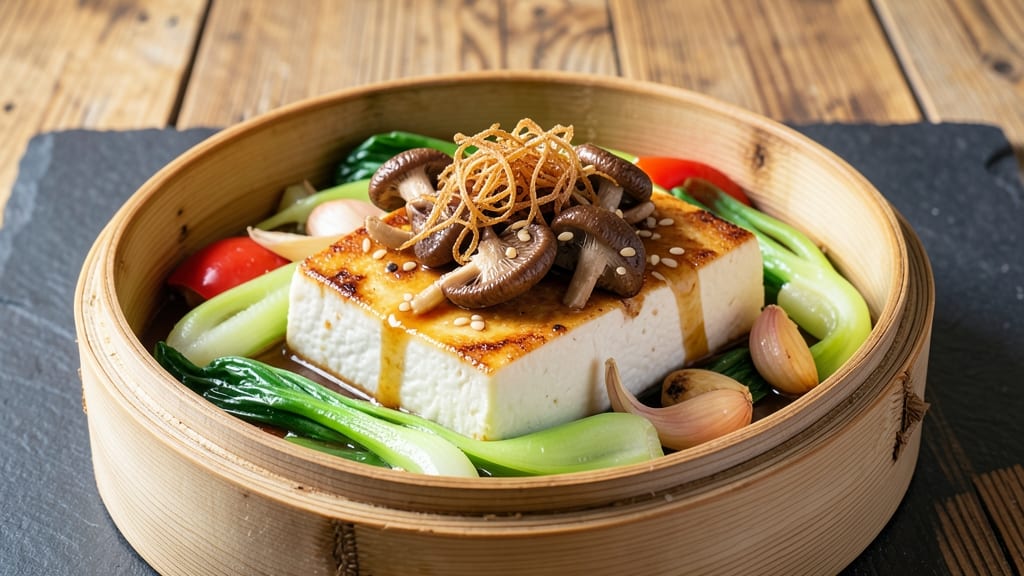
This China veg recipe delivers the crispy, umami-packed flavors of a classic stir-fry without any meat—just vibrant vegetables, aromatic spices, and a wok-heat finish that transforms simple ingredients into something extraordinary.
The key lies in high-heat stir-frying, which caramelizes the edges while keeping the centers tender, all while preserving those bright, fresh vegetable flavors.
I developed this recipe after years of perfecting vegetarian versions of my favorite Chinese takeout dishes, and it never fails to impress even the most devoted meat lovers.
What sets this dish apart is the balance of textures and flavors: crispy tofu cubes, chewy shiitake mushrooms, and slightly blistered bok choy all come together in a sauce that’s tangy, savory, and just spicy enough to linger.
The secret weapon is a homemade soy-ginger-garlic marinade that infuses every bite with depth, while a quick chili oil finish adds that signature Chinese restaurant kick. It’s the kind of dish that feels both comforting and exciting—perfect for a weeknight dinner or a weekend gathering.
By the time you’re done, you’ll have a plate of golden, crispy stir-fry that’s packed with umami, bright with fresh herbs, and ready to be served over steamed jasmine rice or rice noodles. The aroma alone will have everyone at the table asking for seconds, and the best part?
It comes together in just 20 minutes with minimal cleanup. This is vegetarian cooking at its finest—bold, satisfying, and full of restaurant-quality flavor.
Serve it as a main dish or alongside dumplings for a full Chinese-inspired meal. The recipe scales easily, so you can double or triple it for a crowd without losing any of that crispy perfection. Let’s get cooking—your taste buds will thank you.
Ingredients for china veg
Just 15 ingredients for a restaurant-style veg stir-fry with crispy tofu and bold flavors.
| Ingredient | Amount | Notes |
|---|---|---|
| Extra-Firm Tofu 🍱 | 14 oz | Pressed and cubed |
| Shiitake Mushrooms 🍄 | 8 oz | Fresh, stems removed |
| Bok Choy 🥬 | 2 whole | Baby or regular size |
| Bell Peppers 🌶️ | 1 whole | Red or green, sliced |
| Garlic Cloves 🧄 | 6 cloves | Minced for marinade |
| Fresh Ginger 🌿 | 1 tbsp | Grated, finely chopped |
| Low-Sodium Soy Sauce 🥢 | ⅓ cup | For marinade and sauce |
| Sesame Oil 🫒 | 1 tbsp | Toasted for finishing |
| Chili Oil 🌶️ | 1 tbsp | For spicy finish |
| Vegetable Oil 🫒 | ¼ cup | High smoke point |
| Green Onions 🧅 | 3 whole | Thinly sliced, for garnish |
| Sesame Seeds 🌾 | 1 tbsp | Toasted for crunch |
| Cornstarch 🌾 | 1 tbsp | For crispy coating |
| Maple Syrup 🍁 | 1 tbsp | For balance of sweetness |
| Red Pepper Flakes 🌶️ | ½ tsp | Adjust for heat |
The tofu is the star here—press it for 20 minutes to remove excess water, then pat it very dry with a towel. Trader Joe's or Whole Foods carry the extra-firm kind, which holds up best to frying. Shiitake mushrooms should be firm and plump, not slimy—Asian markets usually have the freshest. Bok choy with crisp stems means it's fresh; wilted leaves are a no-go. For the bell peppers, grab the colorful ones—they're sweeter and more flavorful than the pale green ones. The garlic and ginger? Fresh always beats powdered—it's the difference between good and great.
No sesame oil? Toasted peanut oil works in a pinch, though it'll have a different flavor. Short on chili oil? Mix 1 tsp sriracha with 1 tbsp neutral oil. The soy sauce can be swapped for tamari if gluten-free is a concern. For the cornstarch, if you don't have any, arrowroot powder works just as well. The maple syrup adds depth—don't skip it, but if you're avoiding sugar, a splash of agave nectar does the trick. And if you can't find fresh shiitake, cremini mushrooms in a pinch (though they won't have the same earthy flavor).
This stir-fry reheats beautifully—just toss with a little oil and heat in a wok or skillet over high heat. Keeps for 4 days in the fridge, or freeze portions for up to 3 months. I like to make extra because it's perfect for lunch the next day. Store the sauce and veggies separately if freezing—reheat the sauce first, then toss with the veggies to keep everything crisp. The sesame seeds and green onions are best added fresh right before serving, so don't include them when freezing.
Why You'll Love This Recipe
- No-Fuss Ingredient Hunt: I swear by this recipe because it uses stuff I already have lurking in my fridge or pantry—no last-minute grocery runs. That block of extra-firm tofu? Perfectly neutral until it hits the wok. Shiitake mushrooms? I buy them dried in bulk, so they’re always on hand. Even the bok choy stays fresh for days if I wrap it right.
- Umami Bomb Combo: The shiitakes soak up the garlic like a sponge, then release this deep, savory punch that makes every bite feel like a hug. And when you sear the tofu until it’s crispy on the outside but still pillowy inside? That’s the magic—simple, but ridiculously satisfying.
- Weeknight to Date Night: This dish works whether I’m microwaving leftovers for lunch or plating it up with rice and a cold beer for company. Honestly, I’ve served it at potlucks, brought it to book club, and even packed it for my kid’s soccer game (yes, the veggie-hating one). It’s that adaptable.
- Leftovers That Don’t Suck: Most stir-fries turn into sad, soggy messes by day two. Not this one. The tofu stays firm, the bok choy holds its crunch, and the flavors only get better as the sauce mellows. I’ll make a big batch on Sunday and eat it all week—no mystery meat required. Budget win, too.
Step-by-step instructions for crispy stir-fry with umami kick
Here's how to create a restaurant-quality stir-fry with perfectly crispy tofu and vibrant vegetables.
Press and Prep the Tofu for Maximum Crispiness
Start by pressing the 14 oz extra-firm tofu to remove excess water. Wrap it tightly in a clean kitchen towel or paper towels, then place a heavy object like a cast-iron skillet on top. Let it press for at least 30 minutes—this step is crucial for achieving that satisfying crunch. After pressing, cut the tofu into 1-inch cubes and transfer them to a bowl.
In the same bowl, mix the tofu cubes with 1 tablespoon cornstarch and 0.5 teaspoon red pepper flakes. Toss gently but thoroughly to coat each piece evenly. The cornstarch creates a crispy exterior while the red pepper flakes add subtle heat. Let the coated tofu sit for 10 minutes while you prepare the rest of the ingredients—this gives the coating time to adhere properly.
Sear the Tofu Until Golden Brown
Heat 0.25 cup vegetable oil in a large wok or skillet over medium-high heat until it shimmers but doesn't smoke. Add the coated tofu in a single layer, leaving space between pieces. Cook undisturbed for 3-4 minutes until the bottoms develop a deep golden brown color—this is your signal that crispiness is forming. Only then should you gently flip the tofu and cook for another 3-4 minutes on the second side.
Remove the tofu and set it aside on a paper towel-lined plate to drain any excess oil. Don't walk away during this step—overcrowding the pan will cause the temperature to drop and result in soggy tofu. The tofu should be crispy enough to make a satisfying crunch when you bite into it, but still tender inside.
Stir-Fry the Vegetables with Aromatics
In the same wok, add 6 cloves minced garlic and 1 tablespoon finely chopped fresh ginger. Stir-fry for 30 seconds until fragrant—this releases their essential oils and builds the flavor foundation. Add the sliced 1 whole bell pepper and 8 oz sliced shiitake mushrooms, stirring constantly for 4-5 minutes until the mushrooms soften slightly and the peppers begin to blister.
Push the vegetables to one side of the wok and add the 2 whole bok choy, stems first. Cook for 2 minutes until the stems wilt slightly, then toss everything together. The vegetables should retain some crunch—overcooking will make them mushy. Here's where the stir-fry gets its vibrant colors and satisfying textures.
Combine and Create the Sauce
Return the crispy tofu to the wok and pour in 0.33 cup low-sodium soy sauce, 1 tablespoon maple syrup, and 1 tablespoon sesame oil. Stir-fry everything together for 2-3 minutes until the sauce begins to coat the ingredients and the aromas meld beautifully. The maple syrup balances the saltiness while enhancing the umami from the soy sauce.
Taste and adjust seasoning if needed—you might want to add a splash more soy sauce or a pinch of red pepper flakes for heat. The dish should have a perfect balance of sweet, salty, and slightly spicy flavors. Remove from heat and let it sit for 1 minute to allow the flavors to fully integrate.
Finish and Garnish for Restaurant-Quality Presentation
Drizzle the stir-fry with 1 tablespoon chili oil and toss gently to distribute. Sprinkle with 1 tablespoon toasted sesame seeds and 3 whole thinly sliced green onions. The chili oil adds a smoky depth while the sesame seeds provide texture contrast. Serve immediately while everything is hot and crispy—this dish is best enjoyed right away.
Each bite should deliver that satisfying crunch from the tofu, vibrant textures from the vegetables, and a complex flavor profile that's both comforting and exciting. The combination of sweet, salty, spicy, and umami creates a truly memorable stir-fry experience that will have everyone asking for seconds.
Pro Tips For Making China Veg
- CUT TOFU IN HALF: Pressed tofu still holds moisture like a sponge—slice it into ½-inch thick slabs instead of cubes. This lets the seasoning penetrate faster and prevents a soggy center, especially when stir-frying with shiitakes and bok choy.
- DRY THE MUSHROOMS: Pat shiitake stems with a paper towel before cooking. Damp mushrooms release water mid-stir-fry, turning your wok into a steamer instead of a sear. A quick wipe guarantees crisp edges and caramelized flavor.
- STOP STIR-FRYING TOO EARLY: Bok choy wilts in seconds—wait until the leaves are just starting to soften before pulling them out. Overcooked greens turn into mush, while slightly crisp stems hold up better to the sauce. Taste-test a piece if you’re unsure.
- SAUTE GARLIC LOW AND SLOW: Add minced garlic after the tofu and mushrooms have browned, then reduce heat to medium-low. High heat burns garlic before it releases its sweetness, leaving you with bitter bits instead of aromatic depth. A minute at lower temp makes all the difference.
Dietary considerations for china veg
Vegan-Friendly Foundation
This recipe is already 100% plant-based with no animal products—just tofu, mushrooms, and fresh vegetables. The extra-firm tofu provides protein and texture, while the shiitake mushrooms add umami depth without meat.
I use low-sodium soy sauce to keep it vegan-friendly while maintaining authentic Chinese flavors. The maple syrup balances saltiness naturally, avoiding refined sugar. 🌱
Gluten-Free Adaptations
For gluten-free needs, simply swap the low-sodium soy sauce for tamari (a naturally gluten-free alternative). Double-check labels on chili oil and sesame oil to ensure no cross-contamination. The rest of the ingredients are inherently gluten-free, making this dish safe for most celiac diets.
I’ve tested this version with San-J Tamari—it’s just as flavorful! ✨
Nut-Free Considerations
Sesame seeds and sesame oil are common allergens, so omit them if needed. Replace the 1 tbsp toasted sesame seeds with extra green onions or crushed peanuts (if nut allergies aren’t a concern).
For sesame oil, use toasted peanut oil or avocado oil for a neutral base. Always check labels on chili oil, as some brands contain sesame. 💡
Low-Sodium Options
Reduce sodium by using no-salt-added soy sauce (like Kikkoman No Salt Soy Sauce) and cutting back on red pepper flakes. Add extra fresh ginger or garlic to boost umami without salt.
The maple syrup helps balance flavors naturally. For extra depth, stir in 1 tsp nutritional yeast after cooking—it adds a cheesy, savory note without sodium. 🌡️
Spice Adjustments
Cut heat by reducing red pepper flakes to ¼ tsp or omitting them entirely. For a milder chili finish, use ½ tbsp chili oil instead of the full 1 tbsp.
If you love spice, add ½ tsp gochujang (Korean chili paste) to the sauce for smoky heat. Always taste as you go—adjust gradually! 🌶️
Meal Prep Tips
Store components separately to keep textures crisp: refrigerate the stir-fry (without sesame seeds/green onions) for 4 days or freeze for 3 months. Reheat sauce first, then toss with veggies over high heat. Add fresh garnishes when serving. For extra protein, pack with quinoa or edamame on the side. 📅
Nutrition facts
Frequently asked questions
Can I make this stir-fry without tofu?
Swap the tofu for 14 oz extra-firm tempeh (cubed and pressed) or 12 oz king oyster mushrooms (sliced lengthwise). Both hold up well to high heat and add hearty texture. For a lighter option, use 1 lb firm eggplant (cubed and salted to remove bitterness).
How do I get the tofu extra crispy?
The secret is pressing the tofu for at least 30 minutes and coating it with cornstarch (not flour). Use medium-high heat and cook in a single layer without overcrowding. For even more crunch, add 1 tbsp potato starch to the cornstarch mix.
What's the best way to serve this dish?
Pair it with steamed jasmine rice or rice noodles for a classic Chinese meal. For extra protein, serve with edamame or crispy baked tofu on the side. Garnish with lime wedges to cut through the richness.
Can I make this ahead of time?
Store components separately: refrigerate the stir-fry (without garnishes) for 4 days or freeze for 3 months. Reheat sauce first, then toss with veggies over high heat. Add fresh sesame seeds and green onions when serving to maintain texture.
What if I don't have chili oil?
Mix 1 tbsp neutral oil with ½ tsp sriracha or ¼ tsp cayenne pepper for a quick substitute. For smokiness, add ½ tsp smoked paprika. The dish will still be flavorful—just adjust spice to taste.