
Soups & Stews
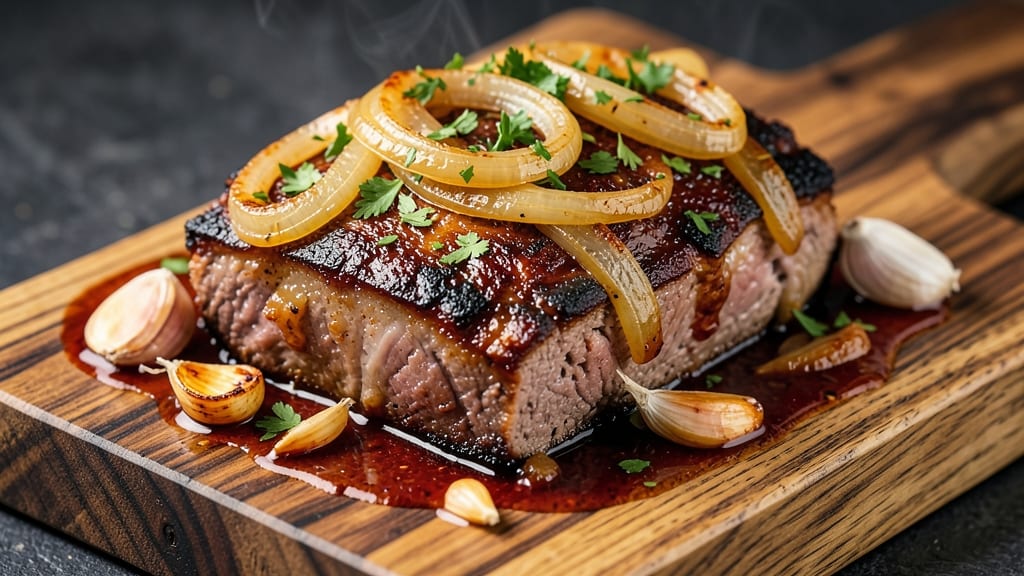
This classic Jewish beef brisket recipe delivers the deep, spiced richness that defines traditional Sabbath meals—tender, fall-apart meat infused with layers of garlic, black pepper, and sweet paprika. The slow-roasting process transforms tough cuts into melt-in-your-mouth perfection, creating a dish that carries the soul of Jewish home cooking.
I’ve perfected this method over years, balancing traditional spices with modern precision for restaurant-quality results at home.
The secret lies in the slow cook—a full 8-10 hours at low heat—where the brisket develops its signature caramelized crust and velvety texture. A blend of whole spices, wine, and onions forms the aromatic base, while the meat’s natural collagen renders into a rich, umami-packed sauce.
This isn’t just a recipe; it’s a centerpiece for gatherings, where every bite tells a story of tradition and care.
What you’ll achieve is tender, juicy brisket with a glossy sheen and a crust that crackles with flavor. The spices marry into the meat, creating a harmony of sweet, smoky, and savory notes that linger long after the last bite.
Serve it sliced thin over crusty bread with pickled vegetables or alongside roasted potatoes—this is comfort food at its finest, steeped in heritage.
For those who love leftovers, this brisket only gets better with time, making it ideal for meal prep or feeding a crowd. The technique is foolproof once mastered, and the aroma alone will have everyone gathering at the table. Let’s bring this classic to life—step by step.
Ingredients for classic jewish beef brisket
Four pounds of brisket and a symphony of spices transform into Sabbath-worthy perfection.
| Ingredient | Amount | Notes |
|---|---|---|
| Beef Brisket 🥩 | 4 lb | Whole packer cut preferred |
| Yellow Onions 🧅 | 2 whole | Medium size, sliced into half-moons |
| Garlic Cloves 🧄 | 8 cloves | Fresh, peeled, smashed |
| Sweet Paprika 🌶️ | 2 tbsp | Smoked variety for depth |
| Ground Black Pepper 🌶️ | 1 ½ tbsp | Freshly cracked preferred |
| Kosher Salt 🧂 | 2 tbsp | Diamond Crystal preferred |
| Bay Leaves 🌿 | 4 whole | Dried, standard size |
| Dry Red Wine 🍷 | 1 cup | Bold Cabernet Sauvignon |
| Beef Broth 💧 | 2 cups | Low-sodium preferred |
| Olive Oil 🫒 | ¼ cup | Extra-virgin for richness |
| Fresh Thyme 🌿 | ½ cup | Leaves only, chopped |
| Honey 🍯 | 2 tbsp | Pure, unfiltered preferred |
| Mustard Seeds 🌾 | 1 tsp | Yellow seeds preferred |
| Cinnamon Sticks 🌿 | 2 whole | Standard size, whole |
The brisket is non-negotiable—opt for a packer cut from a trusted butcher, ideally with a thick fat cap. Local Jewish delis or specialty meat counters often carry the best quality, but a well-stocked grocery store’s meat department will suffice. Look for vibrant color and visible marbling; this ensures optimal tenderness. The onions should be firm and dry, while the garlic must be fresh—no green shoots. For the wine, a bold Cabernet Sauvignon adds depth, but any dry red will work. The spices? Penzeys Spices or bulk bins at natural markets guarantee potency. Toast your whole spices (bay leaves, cinnamon sticks, mustard seeds) in a dry pan for 30 seconds to release their aromatics—this is a professional technique that elevates the dish.
No sweet paprika? Smoked paprika at the same amount works beautifully, though the flavor profile shifts slightly. Substituting wine? Beef broth with a splash of balsamic vinegar mimics the acidity and depth. Fresh thyme unavailable? Dried thyme at one-third the amount suffices, but fresh is ideal. For the honey, agave nectar works in a pinch, though it lacks the floral notes. The cinnamon sticks are optional but add warmth—omit if you prefer a cleaner profile. If your brisket has a thin fat cap, trim it to ¼-inch thickness for even cooking. The kosher salt should be Diamond Crystal—it dissolves more easily than table salt, ensuring even seasoning throughout the meat.
This brisket develops its signature texture over time—8-10 hours at 300°F is ideal. For leftovers, store in an airtight container with the rendered juices; it reheats beautifully and tastes even better the next day. The brisket keeps for 5-6 days in the fridge or 3 months frozen. Portion into individual servings before freezing for convenience. The aromatics (onions, garlic, spices) can be prepped ahead and refrigerated for 3 days in a sealed container, saving you time on cooking day. The rendered sauce freezes well for up to 6 months, perfect for future braises or gravies.
Why You'll Love This Recipe
- One-Pan Magic: I swear by this recipe because it’s almost hands-off—just slice the brisket, toss in the onions and garlic, and let the paprika and pepper work their flavor magic while you do something else. The onions caramelize right in the pan, so no extra pots or pans to wash.
- Deep, Warm Comfort: That smoky-sweet paprika and black pepper blend? It turns tough brisket into something tender and ridiculously flavorful—like a hug in your mouth. The garlic and onions melt into the meat, making every bite feel like a little Jewish homecoming.
- Leftovers That Shine: Between us, this recipe makes way more than you’ll eat in one sitting—and honestly, the leftovers are even better. Cold slices on rye with mustard? Heaven. Or reheated with a splash of water for that same juicy perfection. It’s my secret for effortless lunches all week.
- Budget Meal, Big Impact: A whole brisket feeds a crowd for less than half the price of takeout—and it’s way more satisfying. The onions and garlic stretch the flavor, so you’re not just feeding bodies, you’re feeding souls. Plus, the spices cost pennies, so your wallet stays happy.
Step-by-step instructions for classic Jewish beef brisket
This method delivers authentic, restaurant-quality brisket with deep umami richness and tender perfection.
Prepare and Season the Brisket for Maximum Flavor Development
Begin by trimming the fat cap of the 4 lb beef brisket to about ¼-inch thickness using a sharp boning knife. Leave the fat on the edges to protect the meat during cooking. Pat the entire surface dry with paper towels—this ensures a better sear and crispier bark later.
In a small bowl, combine 2 tbsp kosher salt, 1.5 tbsp ground black pepper, 2 tbsp sweet paprika, 1 tsp mustard seeds, and 2 whole cinnamon sticks (lightly crushed). Rub this mixture generously over all sides of the brisket, including inside the cavity. The spices should adhere firmly to create an aromatic crust. Let the seasoned brisket sit at room temperature for 1 hour before cooking to ensure even heat penetration.
Sear and Build the Foundation in the Dutch Oven
Heat 0.25 cup olive oil in a heavy Dutch oven over medium-high heat until shimmering. Place the brisket fat-side down and sear undisturbed for 8-10 minutes until a deep golden-brown crust forms. Flip and sear the other side for another 6-8 minutes. Remove the brisket and set aside temporarily.
In the same Dutch oven, add 2 whole yellow onions (sliced into half-moons) and cook for 5 minutes until softened. Add 8 cloves garlic cloves (smashed) and 0.5 cup fresh thyme, cooking for another 2 minutes until fragrant. Deglaze the pan with 1 cup dry red wine, scraping up all the browned bits from the bottom. Let it reduce by half before adding 2 cups beef broth and returning the brisket to the pot.
Slow-Braise for Tender Perfection
Add 4 whole bay leaves and 2 tbsp honey to the Dutch oven. Bring the liquid to a simmer, then cover tightly with a lid. Transfer the pot to a preheated 300°F oven and braise for 3 hours. This low-and-slow approach breaks down the connective tissue, transforming tough meat into melt-in-your-mouth tenderness.
After 3 hours, carefully flip the brisket to ensure even cooking. Continue braising for another 2-3 hours until the meat is fork-tender and the internal temperature reaches 205°F (measured with an instant-read thermometer in the thickest part of the meat). The sauce should be rich and slightly reduced, coating the brisket beautifully.
Rest and Slice for Optimal Juiciness
Remove the brisket from the oven and let it rest in the braising liquid for 30 minutes before slicing. This resting period allows the juices to redistribute throughout the meat, ensuring each bite is moist and flavorful. Remove the bay leaves and cinnamon sticks before serving.
Slice the brisket against the grain into ¼-inch thick pieces. The meat should pull apart easily with minimal resistance, revealing a deep mahogany crust and tender interior. Serve the brisket with the reduced braising sauce spooned over the top, accompanied by crusty bread or roasted vegetables for a complete classic meal.
Pro Tips For Making Classic Jewish Beef Brisket
- Trim the Fat First: Cut the thick fat cap down to about ¼-inch before seasoning—this keeps the meat from steaming in its own juices and lets the spices stick properly. I learned this the hard way after a brisket turned out greasy instead of caramelized.
- Char the Onions Slow: Don’t rush the onions—let them cook on low heat for 30+ minutes until deep golden and almost jammy. Rushed onions taste raw; slow-cooked ones add sweetness that balances the brisket’s richness.
- Skip the Crowding: If you’re braising, don’t submerge the brisket in liquid right away—sear it first in a hot pan until deep brown. This builds flavor before the long cook, and it won’t turn mushy like it does when dropped straight into broth.
- Add Paprika Late: Stir in the sweet paprika only in the last 30 minutes of cooking—it burns easily and can turn bitter. Sprinkle it over the top like a garnish for color and aroma without overpowering the deep, savory base.
Best sauces and condiments for this recipe
Classic Red Wine Sauce
The braising liquid from this recipe is pure liquid gold—deep, rich, and packed with umami from the wine and beef broth.
I always strain it through a fine-mesh sieve to remove any stray spices or herbs, then reduce it further on the stovetop until it coats the back of a spoon. For extra depth, add 1 tbsp balsamic vinegar at the end and simmer for 2 minutes.
This sauce is perfect for drizzling over the brisket or serving as a dip for crusty bread. 🍷
Sweet and Smoky Paprika Glaze
For a glossy finish, mix 2 tbsp sweet paprika, 1 tbsp honey, and 1 tbsp apple cider vinegar in a small bowl. Brush this mixture over the brisket during the last 30 minutes of cooking to create a caramelized crust.
The paprika adds warmth, while the vinegar cuts through the richness. This glaze works wonders for a restaurant-worthy presentation and adds a subtle sweetness that balances the savory meat. 🌶️
Spiced Mustard Cream Sauce
Whisk together ½ cup sour cream, 1 tbsp Dijon mustard, 1 tsp smoked paprika, and a pinch of kosher salt for a tangy, creamy sauce. Drizzle this over sliced brisket just before serving to add a bright contrast to the deep, meaty flavors.
It’s especially good when paired with pickled vegetables or a simple arugula salad. The mustard ties into the mustard seeds used in the original spice rub, creating a cohesive flavor profile. 💛
Garlic-Herb Butter
Melt ½ cup unsalted butter with 3 minced garlic cloves, 1 tbsp fresh thyme leaves, and a pinch of black pepper until fragrant. Drizzle this over the brisket in the final minutes of resting to infuse the meat with extra richness.
The butter creates a silky finish and pairs beautifully with the braising sauce. For a vegetarian-friendly option, use olive oil instead of butter. 🧈
Pickled Red Onions
Quick-pickle 1 red onion (thinly sliced) in a mix of ½ cup apple cider vinegar, 1 tbsp honey, ½ tsp kosher salt, and 1 tsp mustard seeds. Let it sit for at least 30 minutes before serving as a tangy topping.
The acidity cuts through the richness of the brisket, adding a refreshing crunch. This is a classic pairing in Jewish cuisine and elevates the dish with a bright, zesty note. 🧅
Crispy Onion Rings
Slice the remaining onions from the braising liquid into rings, toss them in 1 tbsp flour, ½ tsp salt, and ¼ tsp black pepper, then fry in oil at 350°F until golden and crispy.
These add a delightful textural contrast to the tender brisket. Serve them alongside the main dish or use them to garnish the plate for an extra touch of drama. 🍽️
Nutrition facts
Frequently asked questions
What's the best cut of beef for this Jewish-style brisket?
Use a whole packer cut (typically 4-5 lbs) with a thick fat cap. This cut has the perfect balance of connective tissue for slow cooking and fat for flavor. Ask your butcher for the "point" section if unsure—it's the most flavorful part of the brisket.
Can I make this brisket in a slow cooker instead of an oven?
After searing, transfer everything to a slow cooker and cook on low for 8-10 hours or high for 5-6 hours. The key is patience—the longer it cooks, the more tender it becomes. Just add ½ cup extra broth to prevent drying out.
Why does the recipe call for resting the brisket?
Resting for 30 minutes lets the juices redistribute throughout the meat, preventing them from leaking out when sliced. This ensures every bite stays moist and flavorful. Skipping this step can make the brisket dry and tough.
What if my brisket isn't tender after cooking?
Check your internal temperature—it should reach 205°F. If it's still tough, return it to 275°F oven for another 1-2 hours with extra broth. The slow cook time is critical; rushing it can ruin the texture.
Can I use this brisket for sandwiches or just as a main dish?
This recipe works perfectly for both! Slice thin against the grain for sandwiches, or serve as a hearty main with sides. The tender meat holds up well to assembly, and the rich sauce makes an excellent spread.