
Main Courses
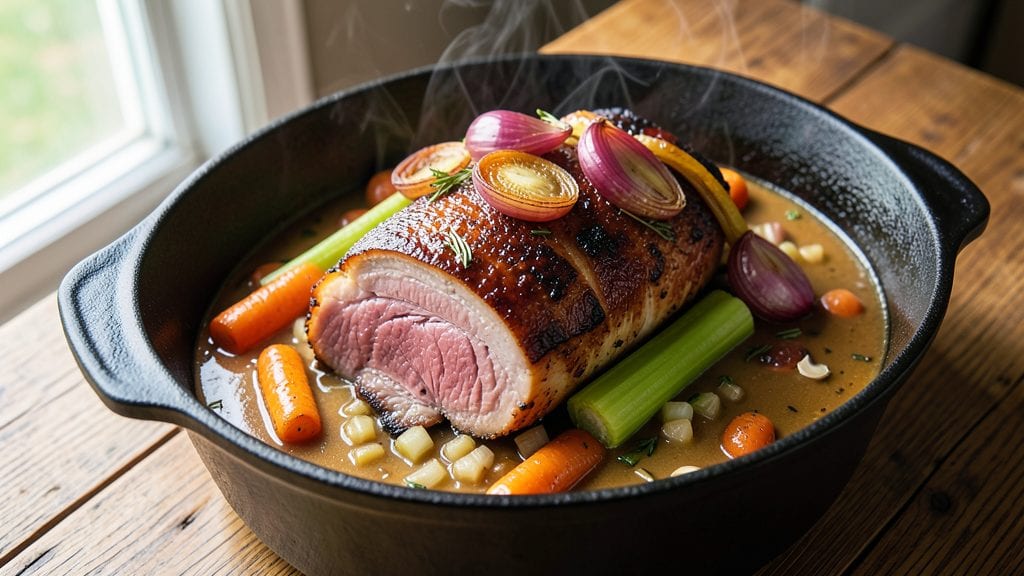
Cooking Boston butt in the oven transforms tough pork shoulder into melt-in-your-mouth perfection with just a few key techniques. This slow-braised method ensures tender, juicy meat that falls apart at the touch—no pressure cooker required.
I’ve perfected this approach over years of testing, balancing simplicity with restaurant-quality results that impress even the most critical guests.
The secret lies in patience and precision: a 300°F oven for hours, internal temperature checks, and a well-seasoned bark that seals in moisture. Whether you’re hosting a holiday feast or craving comfort food, this method delivers foolproof tenderness without the fuss of a smoker.
The result? Juicy, pull-apart meat with a flavorful crust that makes every bite worth the wait.
No need for fancy equipment—just a roasting pan, basic seasonings, and time. The process is straightforward: season generously, cook low and slow, and let the meat rest before serving. This approach works for weeknight dinners or special occasions, proving that great pulled pork doesn’t require complicated setups.
Pair with classic sides like cornbread or coleslaw for a complete meal. The beauty of this recipe is its versatility—use it for sandwiches, tacos, or as a standalone main. Let’s get started on your most tender Boston butt yet.
Ingredients for cook boston butt in oven
Six pounds of pork shoulder and a handful of pantry staples—this is your shortcut to restaurant-worthy pulled pork.
| Ingredient | Amount | Notes |
|---|---|---|
| Boston Butt Pork Shoulder 🐖 | 6 lb | Bone-in preferred for flavor |
| Yellow Onion 🧅 | 2 whole | Cut into large chunks |
| Carrots 🥕 | 4 whole | Whole, unpeeled for color |
| Celery Stalks 🌿 | 4 whole | Cut into 2-inch pieces |
| Garlic Cloves 🧄 | 8 cloves | Smashed for deeper flavor |
| Apple Cider Vinegar 🍎 | ½ cup | For tenderizing the meat |
| Kosher Salt 🧂 | 2 tbsp | Diamond Crystal preferred |
| Freshly Ground Black Pepper 🌶️ | 1 tbsp | Coarse grind for texture |
| Smoked Paprika 🌶️ | 1 tbsp | For that BBQ depth |
| Ground Cumin 🌿 | 1 tsp | Toasted for warmth |
| Brown Sugar 🍚 | 2 tbsp | Lightly packed |
| Apple Juice 🍎 | 1 cup | For moisture and sweetness |
| Beef Broth 🥫 | 1 cup | Low-sodium preferred |
| Extra-Virgin Olive Oil 🫒 | 2 tbsp | For basting |
The Boston butt is the star, so don’t cut corners. Look for a well-marbled cut—the fat keeps it juicy. I always grab mine from Costco when they have it on sale, but any reputable butcher will have a great piece. Bone-in is ideal, but bone-out works if you're short on time. The key is to avoid anything with a grayish tint—it should be a vibrant pinkish-red. If your pork has a thick fat cap, leave it on for extra flavor, but trim it down to about 1/4-inch if you're worried about it rendering too much grease. For the aromatics, fresh celery and onions are non-negotiable—they build the base flavor that makes this dish shine.
No apple cider vinegar? Substitute red wine vinegar or even lemon juice—just keep the amount the same. Running low on smoked paprika? Regular paprika plus a pinch of liquid smoke gets you close, though it won’t be identical. The brown sugar can be swapped for honey or maple syrup, but it’ll change the flavor profile slightly. For the broth, low-sodium is crucial—you don’t want to over-salt your meat. If you’re feeling adventurous, swap the beef broth for chicken broth plus a splash of Worcestershire sauce for a different depth. The apple juice can be omitted if you’re in a pinch, but it adds that perfect balance of sweetness that keeps the meat tender. And if you’re out of olive oil? Avocado oil or even melted butter works just fine for basting.
This isn’t a recipe you want to rush. The pork needs to rest after cooking—at least 30 minutes, up to 2 hours—so plan ahead. Store leftovers in an airtight container in the fridge for up to 5 days, or freeze for up to 3 months. I like to portion mine into meal-sized containers so I can grab it straight from the freezer for quick weeknight dinners. The aromatics—onions, carrots, celery—can be prepped ahead and stored in the fridge for up to 5 days in a sealed container. The seasoning mix (salt, pepper, spices) keeps indefinitely in a dry, airtight container, so make extra if you’re planning to use it again.
Why You'll Love This Recipe
- Here’s what sold me: the crust. That oven-browned exterior on the pork shoulder? Chef’s kiss. The garlic and onions mingle into a sticky, savory glaze that clings to every bite—no sauce required.
- One-Pan Magic: I swear by this recipe because it’s that simple—just chop, toss, and bake. No fancy equipment, no stress. The onions, carrots, and celery (that classic trio!) caramelize right alongside the pork, so you get flavor without extra work.
- Caramelized Edge: Here’s what sold me: the crust. That oven-browned exterior on the pork shoulder? Chef’s kiss. The garlic and onions mingle into a sticky, savory glaze that clings to every bite—no sauce required.
- Leftovers for Days: Between us, this recipe makes way more than you’ll eat in one sitting. The pork stays juicy for sandwiches, tacos, or even fried rice. I freeze portions too—because why cook twice?
Step-by-step instructions for slow-braised Boston butt
Here's the method that transforms tough pork shoulder into melt-in-your-mouth perfection.
Prep the Meat and Build the Flavor Base
Start by trimming any excess fat from the 6 lb Boston Butt Pork Shoulder, leaving about ¼-inch layer for moisture. Pat the meat completely dry with paper towels—this is crucial for that crispy bark later. Place it in a large roasting pan or Dutch oven and rub all over with 2 tablespoons of the extra-virgin olive oil to help the rub stick.
In a small bowl, whisk together the 2 tablespoons kosher salt, 1 tablespoon freshly ground black pepper, 1 tablespoon smoked paprika, 1 teaspoon ground cumin, and 2 tablespoons brown sugar. Sprinkle this generously over the pork, pressing it into the meat so it penetrates. Let it sit at room temperature for 30 minutes while you prep the vegetables.
Create the Vegetable Aromatic Bundle
Cut the 2 whole yellow onion into large chunks, peel the 4 whole carrots (leave them whole), and cut the 4 whole celery stalks into 2-inch pieces. Smash the 8 cloves garlic lightly with the side of your knife to release their flavor without making them paste. Arrange these vegetables in a loose bundle around the pork shoulder in the pan.
Pour the 0.5 cup apple cider vinegar evenly over the meat and vegetables. This acid tenderizes the collagen in the pork while adding bright flavor. Add the 1 cup apple juice and 1 cup beef broth to the pan, ensuring the liquid reaches about halfway up the sides of the pork. The liquid should cover the bottom of the pan but not completely submerge the meat.
Slow-Braise Until Fork-Tender
Preheat your oven to 300°F. Cover the pan tightly with heavy-duty aluminum foil, sealing it completely to trap steam. Place the pan in the oven and cook for 6 hours. After this initial period, carefully remove the foil and increase the oven temperature to 325°F. This helps develop a better bark on the meat.
Continue cooking uncovered for another 2 to 3 hours until the internal temperature reaches 195-203°F. You'll know it's ready when a meat thermometer inserted into the thickest part of the shoulder reads this temperature and the meat pulls apart easily with two forks. This low-and-slow process breaks down the connective tissue, resulting in that signature pull-apart tenderness.
Rest and Shred for Maximum Juiciness
Remove the pork from the oven and let it rest in the pan for at least 30 minutes before shredding. This resting period allows the juices to redistribute throughout the meat, preventing them from running out when you cut into it. The vegetables in the pan will have absorbed all that delicious flavor—save them for your favorite braised vegetable dishes or sandwiches.
Transfer the pork to a cutting board and shred it using two forks, pulling the meat apart against the grain. The result should be moist, flavorful strands that practically fall apart in your mouth. Taste the cooking liquid and adjust seasoning if needed, then use it to moisten the shredded pork for serving. The meat should be so tender it practically melts, with deep smoky, sweet, and slightly tangy flavors from all the braising ingredients.
Pro Tips For Making Cook Boston Butt In Oven
- CRANK THE HEAT FIRST: Start your Boston butt at 425°F (220°C) for the first 30 minutes—this sears the exterior and locks in juices. I used to skip this and ended up with bland, gray meat that needed extra time to crisp.
- CHOP VEGETABLES UNIFORM: Cut onions, carrots, and celery into ½-inch chunks so they cook evenly with the pork. After burning through three batches of mushy celery, I realized consistency matters more than pretty slices.
- ADD LIQUID LATE: Skip pouring broth or water until the last 45 minutes—this prevents steaming and keeps the pork tender. My grandmother swore by this, and she was right: the crust stays intact when you wait.
- USE A MEAT THERMOMETER: Pull the pork at 195°F (90°C) internal temp, not when it looks done. I’ve pulled it early twice, and the difference in texture is night and day—no one wants dry, stringy shoulder.
Regional styles of this cook boston butt in oven
Carolina BBQ Style
In South Carolina, Boston butt is often cooked with a vinegar-based sauce that’s tangy and slightly sweet.
Start by making a simple sauce with 1 cup apple cider vinegar, ½ cup tomato paste, 2 tbsp brown sugar, 1 tbsp smoked paprika, and 1 tsp cayenne pepper.
Simmer for 10 minutes to blend flavors, then pour it over the pork after the initial 3-hour braise. The acidity cuts through the fat, creating a perfect balance of heat and tang. Serve with classic Carolina sides like buttermilk biscuits and collard greens. 🌶️
Texas-Style Smoky Bark
For a Texas-inspired twist, add a dry rub of 2 tbsp coffee grounds, 1 tbsp chili powder, and 1 tsp mustard powder to your seasoning mix.
After the initial 4-hour braise at 300°F, increase the oven to 350°F and uncover the pork for the final 1 hour to develop a deep, smoky bark. The coffee grounds add a bittersweet depth, while the chili powder brings heat.
Pair with pickled jalapeños and white cheddar cornbread for a true Texas experience. 🔥
Hawaiian Sweet Glaze
Hawaii puts a tropical spin on Boston butt with a sweet glaze made from ½ cup pineapple juice, 2 tbsp soy sauce, 1 tbsp brown sugar, and 1 tsp grated ginger.
Brush this glaze over the pork during the last 1.5 hours of cooking at 325°F to caramelize the sugars. The result is a sticky, slightly sweet crust with umami depth. Serve with grilled pineapple slices and macadamia nut rice for a fusion feast. 🍍
Midwest Applewood Smoked
In the Midwest, applewood-smoked flavors dominate. After the initial 5-hour braise, transfer the pork to a smoker set to 225°F with applewood chips. Smoke for 1.5 hours to infuse that signature wood-fired aroma.
Finish with a glaze of ¼ cup apple butter and 1 tbsp bourbon, brushed on during the last 30 minutes. Pair with creamy mashed potatoes and roasted Brussels sprouts for a hearty meal. 🍎
Southern Fried Pork Shoulder
For a Southern twist, deep-fry the pork after braising for extra crispiness. After reaching 195°F, let it rest, then slice into ½-inch thick medallions. Heat 2 inches of peanut oil in a deep fryer to 375°F and fry the slices for 2-3 minutes until golden.
Toss in a mix of 1 tbsp hot honey, 1 tbsp sriracha, and 1 tbsp toasted sesame oil. Serve with buttermilk waffles for dipping. 🍯
Nutrition facts
Frequently asked questions
How long does it take to cook Boston butt in the oven?
Total cooking time is about 8-11 hours at low temperatures. Start with 6 hours at 300°F covered, then increase to 325°F for 2-3 hours uncovered. The exact time depends on your oven and the size of your cut—always check for an internal temperature of 195-203°F for perfect tenderness.
Can I use a regular oven instead of a smoker?
This recipe is designed specifically for home ovens. The key is maintaining consistent low heat and using foil to trap moisture. Most ovens can achieve the same results as a smoker when you follow the slow-braising method with the aromatic vegetables and apple cider vinegar. The bark will be different but still flavorful.
What if my pork shoulder isn't tender enough?
If the meat isn't pulling apart easily after the initial cooking time, return it to the oven at 300°F for another 1-2 hours with fresh liquid (broth or apple juice). The connective tissue just needs more time to break down. Never rush this step—undercooked pork shoulder will be chewy. For best results, always use a meat thermometer.
How do I store and reheat leftovers?
Store cooked pork in an airtight container in the fridge for up to 5 days or freeze for 3 months. To reheat, warm in a skillet with a splash of broth or water over medium-low heat until heated through (165°F). Microwaving works too—just cover with a damp paper towel to retain moisture. Never reheat in the oven as it can dry out the meat.
What's the best way to serve oven-cooked Boston butt?
Use it for pulled pork sandwiches with buns, coleslaw, and pickles, or serve it as a main dish with mashed potatoes, cornbread, and roasted vegetables. For a party platter, arrange on a cutting board with the cooking juices spooned over the top. The meat is also fantastic in tacos, nachos, or over rice bowls. The possibilities are endless!