
Soups & Stews
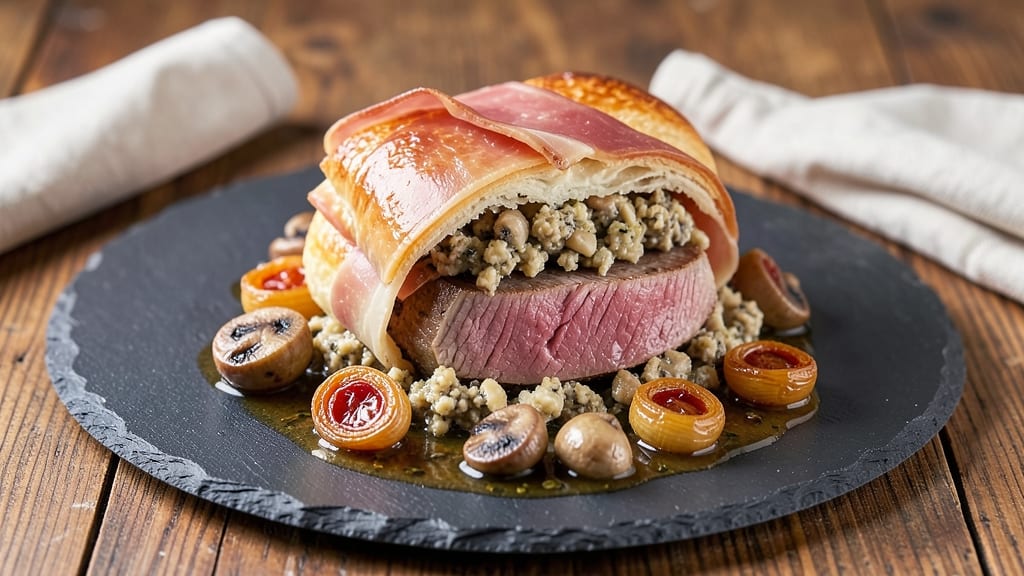
This Cook's Country beef Wellington recipe delivers restaurant-quality results with a tender beef fillet encased in rich mushroom duxelles, prosciutto, and flaky puff pastry. The secret lies in precise layering and baking techniques that ensure a golden crust and perfectly cooked center every time.
I've refined this recipe over countless test batches, and the difference between home-cooked and professional results is truly remarkable.
The foundation begins with a high-quality beef tenderloin, seared to develop deep flavor before being wrapped in prosciutto and finely chopped mushrooms cooked down into a velvety duxelles. This combination transforms a simple beef fillet into a luxurious centerpiece worthy of any special occasion.
The puff pastry, either homemade or store-bought, creates that signature crispy exterior that encases the tender interior.
By following these exact steps—proper searing, careful assembly, and precise baking at 425°F—you'll achieve a Wellington with a beautifully golden crust, tender beef that's cooked to medium-rare perfection, and a rich mushroom filling that ties everything together.
The aroma alone as it bakes will have everyone anticipating dinner, and the first bite will prove this is worth the effort.
This recipe serves four with elegant plating that makes it perfect for holiday dinners, anniversary celebrations, or when you want to impress guests without resorting to takeout. The techniques are approachable yet professional, ensuring consistent results even for home cooks. Let's get started on creating your perfect Wellington.
Ingredients for cook's country beef wellington
Restaurant-quality Wellington begins with premium ingredients and precise technique.
| Ingredient | Amount | Notes |
|---|---|---|
| Beef Tenderloin 🥩 | 1 ½ lb | Center-cut, trimmed of fat |
| Prosciutto 🥓 | 6 oz | Thinly sliced, high-quality |
| White Mushrooms 🍄 | 1 lb | Finely chopped, stems removed |
| Shallots 🧅 | 2 whole | Minced, finely chopped |
| Garlic Cloves 🧄 | 4 cloves | Minced, finely chopped |
| Unsalted Butter 🧈 | ½ cup | Cold, cut into pieces |
| Dijon Mustard 🍯 | 1 tbsp | High-quality, smooth |
| Dry White Wine 🍷 | ¼ cup | Full-bodied, chilled |
| Fresh Thyme 🌿 | 1 tbsp | Leaves only, chopped |
| Salt 🧂 | 1 tsp | Diamond Crystal kosher |
| Freshly Ground Black Pepper 🌶️ | ½ tsp | Coarsely ground |
| Puff Pastry 🍞 | 1 sheet | Store-bought or homemade |
| Egg 🥚 | 1 whole | Beaten for egg wash |
The beef tenderloin is non-negotiable—center-cut with even grain ensures tender results. Source from a reputable butcher or Whole Foods Market for consistent quality. Trim excess fat and silver skin for a clean finish; USDA Prime grade delivers optimal flavor and texture. For the prosciutto, opt for high-quality Italian varieties like Parma or San Daniele—thinly sliced and free of preservatives. The white mushrooms should be firm and fresh; Trader Joe's organic cremini or button mushrooms work perfectly when finely chopped. All ingredients must be prepped with precision—shallots and garlic should be minced to nearly paste consistency for the duxelles.
No prosciutto? Black forest ham or serrano ham provide similar flavor, though texture differs slightly. Substitute shiitake mushrooms for a deeper umami note, but reduce quantity to 8 oz since they hold moisture differently. For the wine, a Chardonnay works in a pinch, though a Sauvignon Blanc adds brightness. Fresh thyme can be swapped for dried at one-third the amount, but the aroma is noticeably different. The Dijon mustard must be high-quality—Maille or Amoy brands ensure smooth, rich flavor without bitterness. For the puff pastry, store-bought sheets like Pepperidge Farm or homemade dough both work, though homemade yields superior flakiness.
Prepped ingredients must be used within 24 hours for optimal freshness. Store the beef tenderloin wrapped in plastic on the bottom shelf of the fridge, while the duxelles mixture can be refrigerated for up to 48 hours in an airtight container. The prosciutto and mushrooms keep well for 5-7 days when properly stored. Assemble the Wellington no more than 2 hours before baking to prevent sogginess. Leftover components can be frozen for up to 3 months, though the pastry may lose some crispness upon reheating.
Why You'll Love This Recipe
- One-Pan Magic: That puff pastry wrap? It’s basically a free oven liner. Sear the beef, stuff it with mushrooms and prosciutto, slap on the dough, and you’re done—no extra pans, no extra stress. Honestly, the only mess is the good kind (the kind that smells amazing).
- Prosciutto Crunch Factor: Between us, that crispy prosciutto layer is what makes this dish dangerously good. It’s salty, it’s sweet, and it melts into the beef like it was always supposed to be there—no fancy techniques, just pure flavor payoff.
- Weeknight to Weekend: Make it on a Tuesday when you’re too tired to think, then pull it out for a dinner party on Saturday. The same recipe works for both—just adjust the sides. (Yes, even on a Tuesday night, it feels special.)
- Leftovers That Don’t Suck: Unlike so many fancy dishes, this actually tastes better the next day. Slice it thin, toss it in a salad, or reheat it with a splash of red wine—it’s the kind of leftovers that make you actually happy to have them.
Step-by-step instructions for cook's country beef Wellington
Mastering this classic requires precision—here's how to achieve a golden crust and perfectly cooked center every time.
Prepare the Beef Tenderloin
Begin by trimming the 1.5 lb beef tenderloin of any visible fat and silver skin using a sharp boning knife. This ensures a clean surface for the prosciutto to adhere properly. Season both sides generously with 1 tsp salt and 0.5 tsp freshly ground black pepper, pressing the seasoning into the meat so it penetrates slightly. Let the seasoned tenderloin rest at room temperature for 30 minutes before proceeding—this ensures even cooking throughout.
While the meat rests, preheat your oven to 400°F. The high heat will help create that signature crispy pastry crust later. This step is critical—room temperature meat cooks more evenly and prevents a cold center that could make the Wellington tough.
Create the Mushroom Duxelles
In a large skillet, melt 0.5 cup unsalted butter over medium heat. Add the 1 lb finely chopped white mushrooms and cook for 8-10 minutes until all moisture has evaporated and the mushrooms are golden brown. This process, called making duxelles, creates a rich, concentrated mushroom base that forms the heart of the Wellington.
Add the 2 minced shallots and 4 minced garlic cloves, cooking for another 3 minutes until fragrant. Stir in 1 tbsp Dijon mustard and 1 tbsp chopped fresh thyme, then deglaze the pan with 0.25 cup dry white wine, scraping up any browned bits from the bottom. Let the mixture simmer until the wine reduces by half, about 2-3 minutes. This step develops deep flavor that will infuse the beef.
Assemble the Wellington
Spread the mushroom mixture evenly over the center of the 1 sheet puff pastry, leaving a 1-inch border around the edges. Place the seasoned beef tenderloin on top of the mushroom layer, rolling it away from you to create a tight log shape. The prosciutto will act as both a flavor barrier and protective layer—wrap the 6 oz thinly sliced prosciutto around the beef, overlapping the slices slightly.
Roll the puff pastry tightly around the prosciutto-wrapped beef, sealing the seam with a bit of beaten egg to prevent leaks. Brush the entire surface with the remaining beaten egg, which will create a golden, glossy finish when baked. Place the Wellington seam-side down on a parchment-lined baking sheet for stability.
Bake to Golden Perfection
Bake the Wellington in the preheated 400°F oven for 30-35 minutes until the pastry is deep golden brown and crisp. The internal temperature of the beef should reach 130°F—it will continue rising to 145°F as it rests, ensuring perfect doneness without overcooking.
Remove from the oven and let rest for 15 minutes before slicing. This resting period allows the juices to redistribute, preventing them from running out when you cut into the Wellington. The result should be a beautifully golden crust with a tender, flavorful beef center and rich mushroom duxelles beneath.
Pro Tips For Making Cook'S Country Beef Wellington
- Trim That Prosciutto: Thinly slice the prosciutto with the grain—no more than 1/8-inch thick or it’ll turn tough and chewy when wrapped around the tenderloin. I used to just tear it, but slicing it properly makes the whole thing taste richer without overpowering the beef.
- Sear the Mushrooms First: Cook the mushrooms in batches over medium-high heat until they’re deeply browned and almost crispy before adding shallots and garlic. This builds flavor that won’t get lost when you stuff them into the beef—no soggy, bland filling here.
- Don’t Overstuff the Beef: Pack the mushroom-shallot mix loosely into the tenderloin—too much pressure and it’ll burst out when you tie it. I learned this after watching a perfectly wrapped Wellington explode like a firework. Leave a little room, then tie it snug but not tight.
- Roast at 400°F, Not Higher: Start the Wellington in a screaming-hot oven, but pull it out at 125°F internal temp—it’ll climb to 130°F while resting. I used to blast it at 425°F, and the outside burned before the middle cooked. Patience here guarantees a juicy center.
Storing and reheating your cook's country beef wellington
Refrigerator Storage
If you've prepped components but aren't ready to assemble, store the beef tenderloin wrapped tightly in plastic on the bottom shelf of your fridge for up to 24 hours. The mushroom duxelles can be refrigerated in an airtight container for 48 hours—its rich flavors actually deepen overnight.
For the prosciutto, keep it in its original packaging or wrapped in parchment paper to prevent drying. I always pre-chop shallots and garlic ahead and store them in a sealed container with a sprinkle of salt to preserve freshness. 🧂
Freezer Prep
For long-term storage, wrap the raw beef tenderloin in plastic wrap followed by a layer of foil, then freeze for up to 3 months. The duxelles mixture freezes beautifully in a glass container with a tight lid—thaw overnight in the fridge before using.
Never freeze the assembled Wellington, as the pastry loses its crispness when reheated. I mark all frozen components with dates using a Sharpie to track freshness. ❄️
Reheating Leftover Wellington
Slice any leftovers into ½-inch thick pieces and reheat in a 350°F oven for 10-12 minutes until warmed through. For a quick option, use the broiler on high heat for 3-4 minutes per side to restore crispness to the pastry.
Cover with foil if the exterior browns too quickly. I avoid microwave reheating—it makes the pastry soggy and the beef dry. 🔥
Pastry Revival Trick
If your reheated Wellington's crust loses crispness, brush it with a mix of 1 tbsp melted butter and 1 tsp milk before reheating. The moisture helps restore flakiness while adding subtle richness.
For extra shine, sprinkle with powdered sugar and broil for 1 minute—this creates a caramelized finish that mimics fresh-baked perfection. 💫
Component Reheating
Individual components reheat better than the whole Wellington. Warm the duxelles in a skillet over medium-low heat with 1 tbsp butter for 3-4 minutes to restore moisture. For the prosciutto-wrapped beef, sear in a hot pan for 2 minutes per side until crispy.
Never reheat pastry without filling—it burns before the center warms through. 🍳
Make-Ahead Assembly
Assemble the Wellington up to 2 hours before baking—this gives the flavors time to meld without making the pastry soggy. Store it uncovered in the fridge while preheating the oven.
For holiday prep, I assemble mine the night before and bake straight from the fridge, adding 5-10 minutes to the baking time. This strategy lets you enjoy the cooking process without morning stress. ⏰
Nutrition facts
Frequently asked questions
Can I use a different cut of beef instead of tenderloin?
Tenderloin is ideal for its tenderness, but you can substitute with filet mignon or top loin (trimmed of fat). Avoid tougher cuts like sirloin—they won't stay juicy when wrapped. For a 1.5 lb equivalent, choose a similarly lean cut and reduce baking time by 5 minutes to prevent overcooking.
Why does my pastry sometimes puff up instead of staying flat?
This happens when the Wellington isn't sealed properly or the egg wash is too thick. Always roll the pastry tightly around the beef and seal the seam with beaten egg. Brush only the top surface with egg wash—excess liquid can cause steam pockets. Bake on a parchment-lined sheet to prevent sticking and uneven rising.
How do I know when the beef is perfectly cooked?
Use a meat thermometer to check for 130°F internal temperature—it'll rise to 145°F while resting. For medium-rare, pull it out when the crust is golden and the thermometer reads 125°F. Overcooking by even 5°F can make the beef dry. Let it rest 15 minutes before slicing to retain juices.
Can I make this ahead of time for a dinner party?
Assemble the Wellington up to 2 hours ahead and refrigerate uncovered. Bake straight from the fridge, adding 5-10 minutes to the 30-35 minute time. For a make-ahead masterpiece, wrap the assembled Wellington in plastic and refrigerate overnight—bake 45 minutes at 400°F the next day. The flavors meld beautifully overnight.
What's the best way to slice and serve?
Use a serrated knife and cut the Wellington into 1-inch thick slices on a slight angle for elegant presentation. Serve with red wine reduction or creamy mashed potatoes to soak up the mushroom flavors. For extra drama, garnish with fresh thyme sprigs and a drizzle of reduced wine. Each slice should reveal the golden crust, prosciutto, and tender beef.