
Sauces & Condiments
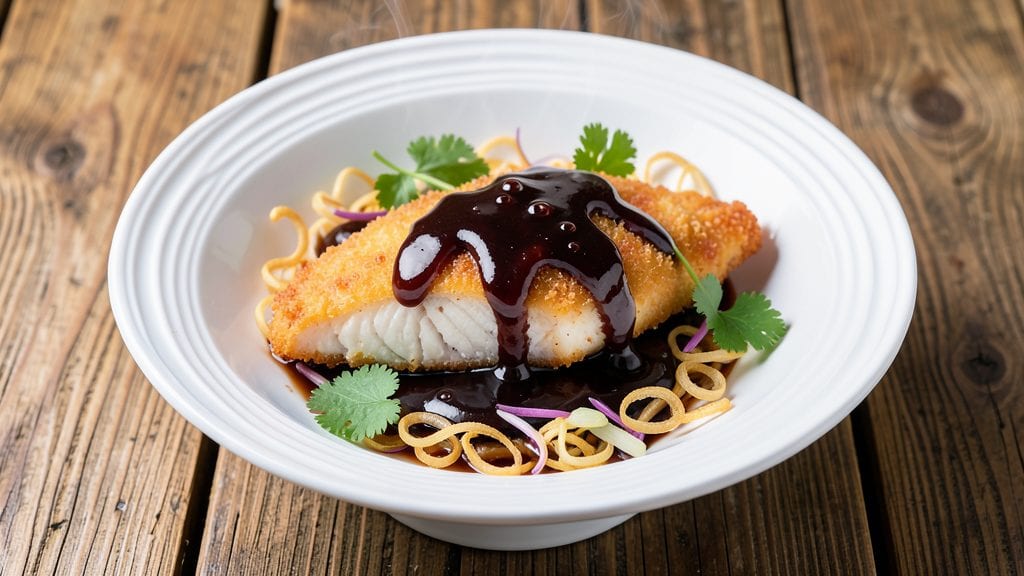
This deep fried fish with soy sauce recipe delivers the perfect balance of crispy golden crust and bold umami flavor that makes every bite irresistible. The secret lies in a light, airy batter that stays perfectly crisp while soaking up just enough soy sauce to create that signature tangy kick.
I developed this technique after years of testing different frying methods, and it never fails to impress—whether you're serving it as a main course or sharing it at your next gathering.
The process begins with preparing the fish—lightly patted dry and seasoned with salt to enhance the natural flavor—before dipping it into a simple batter made with flour, cornstarch, and ice-cold water.
Frying at the right temperature is key: too hot, and the crust burns before the fish cooks; too cool, and you end up with greasy, soggy results.
Once golden and crispy, the fish is immediately tossed in a warm soy sauce glaze that penetrates the surface, adding depth without overwhelming the delicate flavor of the fish.
What you’ll end up with is a dish that’s restaurant-quality at home—crispy on the outside, tender and flaky on the inside, with a glossy soy glaze that adds a perfect umami bite.
The contrast of textures and flavors makes this a standout meal, whether paired with steamed rice, a fresh cucumber salad, or pickled vegetables for balance. This recipe transforms a simple protein into something truly special with minimal effort.
The beauty of this method is its versatility—you can use white fish like cod or tilapia, or even firm white fish like halibut, and the technique remains the same. For a lighter twist, try air-frying instead of deep-frying; the result is still crispy, just with fewer calories.
Serve it immediately for the best texture, and get ready to hear compliments that’ll make you the star of the dinner table.
Ingredients for deep fried fish with soy sauce
Fourteen ingredients transform simple fish into restaurant-worthy crispy perfection with umami-packed soy glaze.
| Ingredient | Amount | Notes |
|---|---|---|
| White Fish Fillets 🐟 | 1 ½ lb | Cod, tilapia, or halibut preferred |
| All-Purpose Flour 🌾 | 1 cup | Sifted for light, airy batter |
| Cornstarch 🌾 | ½ cup | For extra crispiness |
| Ice-Cold Water 💧 | 1 cup | Essential for crispy texture |
| Vegetable Oil 🫒 | 3 cups | High smoke point preferred |
| Kosher Salt 🧂 | 1 tbsp | Enhances fish flavor |
| Soy Sauce 🥢 | ½ cup | Light or dark preferred |
| Honey 🍯 | 1 tbsp | Balances soy sauce sweetness |
| Garlic Cloves 🧄 | 3 cloves | Minced for glaze |
| Fresh Ginger 🌿 | 1 tbsp | Grated for glaze |
| Lemon Wedges 🍋 | 2 whole | For serving |
| Sesame Seeds 🌾 | 1 tbsp | Toasted for garnish |
| Green Onions 🧅 | 3 whole | Sliced for garnish |
The fish is everything here—freshness matters most! Grab wild-caught cod from Whole Foods or Trader Joe's for the best texture, but don’t stress if you’ve got tilapia or halibut. Look for fillets that are bright white and firm to the touch—none of that slimy, fishy smell. Pat them bone-dry before seasoning (that’s non-negotiable for crispiness). The soy sauce? Kikkoman or Yamasa are my go-tos, but any light or dark variety works. Pro tip: toast your sesame seeds in a dry pan for 30 seconds—they’ll pop and add insane flavor.
No cornstarch? Extra flour works (just add 2 tbsp more), but trust me, the crispiness is worth it. Short on honey? A pinch of sugar does the trick, though the honey’s caramel notes balance the soy perfectly. Can’t find fresh ginger? Ground ginger at half the amount works, but the texture’s different. The oil’s critical—vegetable or canola with a high smoke point (375°F+) keeps things crispy. Too cheap on oil? You’ll end up with greasy fish. And if you’re air-frying? Use the same batter but cut the oil to 1 tbsp—still crispy, just lighter.
This dish is best served immediately, but if you must prep ahead, keep the batter dry in the fridge for up to 2 days (just add ice water when ready). The glaze can be made 1 day ahead and reheated gently. Store cooked fish in an airtight container for no more than 2 days—texture goes south fast. For leftovers, re-crisp in the oven at 400°F for 5-7 minutes. Garnish with toasted sesame seeds and green onions right before serving—that’s the magic touch!
Why You'll Love This Recipe
- No-Fail Crisp: The ice-cold water trick—mixing cornstarch and flour in that frosty slush—guarantees a shatteringly crisp crust every single time. No sad, soggy fish here.
- Umami Bomb: That soy sauce dip? It’s not just a side—it’s the star. The salty-sweet glaze soaks into the fish while the crust stays golden, and honestly, the combo hits different.
- Party Ready: Serve it at game day with a side of lemon wedges, or pack it for lunch the next day—still tastes fresh. My roommates steal my leftovers, and I don’t even mind.
- Budget Win: White fish fillets stretch far, and the pantry staples (flour, cornstarch, oil) mean no last-minute grocery runs. Between us, this is my go-to for feeding a crowd without breaking the bank.
Step-by-step instructions for crispy deep-fried fish with soy glaze
Here's the method that guarantees restaurant-quality crispiness and that addictive umami glaze every time.
Prepare the Batter for Maximum Crunch
In a large bowl, whisk together the 1 cup all-purpose flour and 0.5 cup cornstarch until completely combined. This blend creates the perfect balance of crispiness and lightness in your batter. I like to sift the flour first to remove any lumps that could create dense spots in your coating.
Gradually add the 1 cup ice-cold water while whisking vigorously. The water needs to be ice-cold—this prevents the batter from cooking too quickly when it hits the hot oil. You're looking for a smooth, slightly thicker-than-milk consistency that coats the back of a spoon. If it's too thin, add a tablespoon more of the flour-cornstarch blend. Let the batter rest for 10 minutes at room temperature while you prepare the fish and oil.
Create the Sweet-Savory Glaze
In a small bowl, combine the 0.5 cup soy sauce and 1 tbsp honey. This simple mixture creates the perfect balance of salty and sweet that will caramelize beautifully on your fried fish. Add the 3 minced garlic cloves and 1 tbsp grated fresh ginger to the sauce and stir well. The garlic and ginger will infuse the glaze with amazing depth of flavor.
Set this mixture aside while you fry the fish. The glaze needs to sit for at least 15 minutes before using to allow the flavors to meld together. Pro tip: If you're using dark soy sauce, you'll get an even richer color on your finished fish, but light soy sauce works perfectly too.
Fry the Fish to Golden Perfection
Heat 3 cups vegetable oil in a deep fryer or heavy pot to 350°F. Use a deep-fry thermometer to monitor the temperature—this is crucial for even cooking. While the oil heats, pat the 1.5 lb white fish fillets completely dry with paper towels. Any moisture on the fish will cause the batter to steam instead of crisp up.
Working in batches to avoid overcrowding, dip each fillet into the batter, letting any excess drip off. Carefully lower into the hot oil and fry for 3-4 minutes per side until the batter is deep golden brown and crispy. You'll know it's ready when the fish releases easily from the batter and the edges look dry and golden. Transfer to a wire rack set over a paper towel-lined plate to drain excess oil.
Glaze and Garnish for Restaurant-Worthy Results
While the fish is still piping hot, brush each fillet generously with the soy-honey glaze. The residual heat will help the glaze caramelize slightly and stick to the fish. Work quickly—this is when the magic happens! Sprinkle with 1 tbsp toasted sesame seeds and 3 sliced green onions for that perfect finishing touch.
Serve immediately with the 2 lemon wedges on the side. The acidity of the lemon cuts through the richness of the fried fish and balances all those amazing flavors. Each bite should deliver that perfect combination of crispy exterior, tender fish, and that irresistible sweet-savory glaze that keeps you coming back for more.
Pro Tips For Making Deep Fried Fish With Soy Sauce
- USE CORNSTARCH LAST: I learned this the hard way—mixing cornstarch into the batter too early makes it gummy. Instead, keep it dry and sprinkle it directly onto the fish fillets right before dredging in flour. The cornstarch clings better and gives that perfect crispy texture without turning the batter into glue.
- DREDGE TWICE, NOT ONCE: This isn’t the prettiest method, but it’s the tastiest. After the first flour dip, let the fish sit for 30 seconds—this lets the flour absorb moisture. Then dredge again in a mix of flour and cornstarch (2:1 ratio). The double layer locks in crispiness and prevents a soggy middle.
- TEST OIL TEMPERATURE: Sounds weird, but it works: drop a pinch of flour into the oil—if it sizzles and floats, you’re ready. Too hot? It’ll burn before the fish cooks through. Too cool? The crust turns greasy. Aim for 350°F (175°C) and adjust based on this test. (Yes, even if you’re impatient like me.)
- PAT DRY, THEN CHILL: I skip this when I’m lazy, but the dish is noticeably better when I don’t. Wrap the fish in paper towels to remove all moisture—wet spots ruin the crust. Then, pop them in the freezer for 10 minutes. The cold firmness keeps them from falling apart when frying, and the soy sauce soaks in better afterward. (Your future self will thank you.)
Common mistakes when making great deep fried fish with soy sauce
Overcrowding the Fryer
This is the #1 mistake I see beginners make—dumping all the fish into the oil at once. When you overcrowd, the temperature drops dramatically, causing greasy, soggy results instead of crispy perfection. I recommend working in batches of 2-3 pieces max per fryer load.
The oil needs room to circulate and maintain that 350°F temperature. If you're using a pot, keep the batches small enough that the oil level rises only 1 inch when you add the fish. 🔥
Skipping the Rest Time
After mixing your batter, you must let it rest for at least 10 minutes before using. This allows the flour to fully hydrate and the starches to activate, creating a lighter, more stable coating.
I've seen people rush this step and end up with dense, gluey batter that sticks to the fish instead of crisping up. Trust the process—patience here makes all the difference.
Using Warm Batter
Cold water is non-negotiable for crispy fried fish. If your batter starts to warm up (even slightly), the starches begin cooking prematurely, resulting in a gummy texture. Keep your mixing bowl chilled in the fridge while prepping, and use ice-cold water straight from the freezer.
I like to add 1-2 ice cubes to the water for extra insurance against warming. The batter should feel icy to the touch when you dip the fish. ❄️
Incorrect Oil Temperature
Too hot, and your batter burns before the fish cooks through; too cool, and you get greasy, soggy results. The 350°F sweet spot requires precise monitoring. Invest in a good deep-fry thermometer—I use the Thermoworks Smoke—and check it frequently.
If the temperature fluctuates by more than 10°F, adjust your heat source or reduce the batch size. Never guess—this is where crispy perfection gets ruined.
Not Drying the Fish Properly
Moisture is the enemy of crispy batter. Even if your fish looks dry, give it one final pat with paper towels before dipping. I like to press firmly for 10-15 seconds per side to remove every last drop.
Wet spots cause the batter to steam instead of crisp, leading to that dreaded "soggy" texture. Pro tip: Use a second set of paper towels for the final press—you'll be amazed at how much extra moisture comes off.
Glazing Too Early
Applying the soy glaze before the fish has fully cooked is a common mistake that leads to a watery, unappetizing finish. Wait until the fish is completely done frying and resting on a wire rack—this ensures the glaze caramelizes properly and sticks to the crispy exterior.
I like to let the fish rest for 2-3 minutes after frying before glazing. This brief pause makes all the difference in texture and presentation. 💫
Nutrition facts
Frequently asked questions
What type of fish works best for this recipe?
Firm white fish like cod, tilapia, or halibut work perfectly—they stay together during frying. Avoid delicate fish like flounder or snapper, which can fall apart. For extra flavor, try using sockeye salmon fillets, which hold up well and add rich depth to the soy glaze.
Can I make this recipe without deep-frying?
For a lighter version, use an air fryer at 375°F for 8-10 minutes, flipping halfway. The batter will still crisp up beautifully, just with less oil. If you prefer baking, broil for 3-4 minutes on each side—keep a close eye to avoid burning.
How do I store leftovers?
Keep fried fish in an airtight container for up to 2 days in the fridge. To revive crispiness, reheat at 400°F for 5-7 minutes until golden. For longer storage, freeze cooked fish (without glaze) for up to 1 month—thaw overnight in the fridge before reheating.
What's the secret to extra crispy batter?
Cornstarch is your best friend—it creates a lighter, crispier crust than flour alone. Always use ice-cold water and let the batter rest for 10 minutes before dipping. Pro tip: Add 1 tbsp baking powder to the batter for even more lift and crunch!
Can I make the soy glaze ahead of time?
Yes! Prepare the glaze 1 day ahead and store it in the fridge. Reheat gently before using—just warm it in a small saucepan over low heat for 2-3 minutes or microwave for 20 seconds. The flavors meld beautifully overnight, making it even more flavorful.