
Main Courses
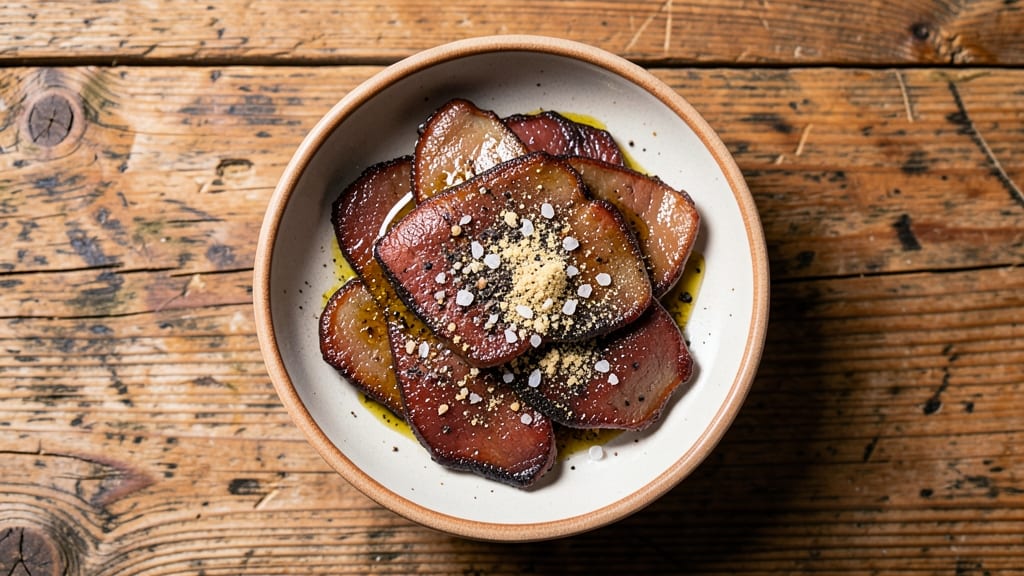
Transforming beef liver into a crunchy, umami-packed snack might sound unconventional, but this dehydrated version delivers a surprisingly satisfying texture and deep savory flavor.
I developed this method after discovering how properly prepared liver holds up beautifully during dehydration, creating a product that's perfect for snacking or adding to dishes later. The key lies in precise preparation—cleaning, slicing thinly, and seasoning before dehydration to ensure both safety and flavor.
This process works equally well in an oven, dehydrator, or even air-drying with proper airflow. What makes it special is how the liver transforms from a perishable protein to a shelf-stable, crunchy ingredient that keeps for months when stored correctly.
The dehydration process concentrates the liver's natural umami while creating a satisfying snap that's addictive once you try it.
Once fully dehydrated, you'll have versatile pieces that can be stored in airtight containers for up to six months. Use them as a protein-rich snack, crumble them into salads for added depth, or rehydrate briefly for stews and soups.
The texture is surprisingly crisp, with a flavor profile that's richer than you might expect from raw liver.
Safety is critical with any dehydrated meat product, so we'll cover proper storage techniques and handling to ensure your finished product remains both delicious and safe to eat. Let's get started with the complete step-by-step method that delivers professional results at home.
Ingredients for dehydrated beef liver
Nine ingredients transform liver into a savory, shelf-stable crunch you'll crave.
| Ingredient | Amount | Notes |
|---|---|---|
| Beef Liver 🥩 | 1 ½ lb | Fresh, grass-fed preferred |
| Extra-Virgin Olive Oil 🫒 | 2 tbsp | For coating before slicing |
| Diamond Crystal Kosher Salt 🧂 | 1 ½ tsp | Fine grain for even coating |
| Freshly Ground Black Pepper 🌶️ | 1 tsp | Cracked peppercorns preferred |
| Garlic Powder 🧄 | 1 tsp | Freshly toasted for depth |
| Onion Powder 🧅 | 1 tsp | For subtle sweetness |
| Smoked Paprika 🌶️ | ½ tsp | Adds subtle smokiness |
| Lemon Juice 🍋 | 1 tbsp | Brightens flavor profile |
| Fresh Rosemary 🌿 | 1 tsp | Finely chopped, for aroma |
| Fresh Thyme Leaves 🌿 | 1 tsp | Dried works in a pinch |
| Unsalted Butter 🧈 | 1 tbsp | For optional finishing |
| Ice Water 💧 | 1 cup | For final rinse |
| Paper Towels 🧻 | 1 sheet | For patting dry |
The liver is the star—grass-fed beef liver has better marbling and flavor, but conventional works fine. Grab it fresh from the butcher counter (not pre-packaged) and use it within 24 hours. Costco or local farms often have it at great prices. Look for vibrant color and firm texture—no grayish spots. The extra-virgin olive oil isn't just for flavor; it helps create a crispier texture during dehydration. I always buy California avocado oil for this step since it has a higher smoke point.
No fresh rosemary? Dried at half the amount works, but fresh has that piney aroma that really shines. Short on lemon juice? Lime juice or apple cider vinegar gives a similar tang. The smoked paprika is key for that subtle depth—Penzeys brand is my go-to for quality. For the butter finishing, European-style unsalted butter like Plugrá melts better. And if you're worried about the liver's iron taste, the lemon juice and herbs cut through it beautifully (trust me on this).
This dehydrates best when prepped ahead—pat dry thoroughly before arranging on trays. Store in vacuum-sealed bags or airtight containers for 6 months at room temp. For extra crispiness, toast dehydrated pieces in a dry pan for 30 seconds. The butter finishing is optional but worth it—just melt it gently and brush on after dehydration. Freeze extras for up to 3 months if you won't use them within 6 months.
Why You'll Love This Recipe
- No-Fuss Prep: I swear by this method—just slice the liver thin, toss it in olive oil, salt, and garlic powder, then let the dehydrator do the work. No chopping, no frying, no stress. Honestly, I’ve done it while watching a movie.
- Umami Bomb: That first bite? Rich, deep, and packed with flavor from the caramelized edges. The garlic powder and olive oil make it taste like it’s been slow-cooked for hours, not dehydrated in a few.
- Pantry Powerhouse: I keep a stash of these in my freezer for quick meals—toss them into soups, salads, or even ramen. They’re perfect for when I’m too tired to cook but still want something nutritious.
- Budget Superstar: Beef liver is one of the cheapest protein sources out there, and this method stretches it even further. A single batch lasts me weeks, and I always feel like I’m treating myself to something special.
Step-by-step instructions for dehydrated beef liver
Here's how to transform rich beef liver into a concentrated, umami-packed snack that keeps for months.
Prepare the Liver for Dehydration
Start by trimming any visible fat or connective tissue from the 1.5 lb beef liver using a sharp knife. This ensures even drying and prevents spoilage. Cut the liver into ¼-inch thick slices against the grain for maximum tenderness after rehydration. Place the slices in a bowl and drizzle with the 2 tbsp extra-virgin olive oil, massaging it into the meat to create a protective barrier that helps preserve moisture during dehydration.
In a separate small bowl, mix the 1.5 tsp diamond crystal kosher salt, 1 tsp freshly ground black pepper, 1 tsp garlic powder, 1 tsp onion powder, and 0.5 tsp smoked paprika. Sprinkle this seasoning blend evenly over the oiled liver slices, pressing gently to ensure full coverage. The lemon juice and herbs come later—we'll add those after the initial dehydration to prevent over-browning. Let the seasoned liver sit at room temperature for 15 minutes while you prepare your dehydrator.
Pre-Dehydrate to Remove Excess Moisture
Arrange the seasoned liver slices in a single layer on the dehydrator trays, leaving ¼-inch space between each slice for proper air circulation. Set the dehydrator to 145°F—this gentle heat will begin removing surface moisture without cooking the meat. Run the dehydrator for 6-8 hours, checking periodically to ensure no slices are sticking together. If they do, gently separate them with a clean spatula.
After 6 hours, the liver should feel firm to the touch but still slightly pliable. This is the critical pre-dehydration stage where we remove enough moisture to prevent bacterial growth during the final drying phase. The slices should reduce in thickness by about 30%—they'll shrink further during the second dehydration stage. Don't rush this step; proper moisture removal at this temperature ensures food safety and texture.
Finish Dehydrating and Season Lightly
Once the liver has pre-dehydrated, remove the trays and let them cool completely to room temperature. This cooling prevents condensation from forming when you add the final seasonings. While cooling, finely chop the 1 tsp fresh rosemary and 1 tsp fresh thyme leaves (or use dried equivalents), then mix them with the 1 tbsp lemon juice. Brush this herb-lemon mixture lightly over each liver slice, focusing on the cut surfaces—this adds brightness and prevents the slices from becoming too dry.
Return the seasoned liver to the dehydrator and increase the temperature to 160°F. Dehydrate for an additional 12-16 hours, or until the slices are completely dry and brittle to the touch. They should snap when bent and feel cool to the touch when removed. The final product should be leathery but not rubbery—if any slices remain flexible, continue dehydrating for another 2-4 hours. Properly dehydrated liver will keep for 6-12 months in an airtight container.
Optional Butter Finish and Storage
For an extra layer of richness, melt the 1 tbsp unsalted butter in a small saucepan over low heat until fully liquid but not browned. Using a pastry brush, lightly coat each dehydrated liver slice with the melted butter, allowing any excess to drip off. This step is optional but adds a luxurious finish that pairs beautifully with crackers or salads.
Once cooled completely, store the dehydrated liver in an airtight container lined with paper towels to absorb any residual moisture. For best results, divide the slices into 1-cup portions and freeze between uses. To rehydrate, soak the slices in 1 cup ice water for 10-15 minutes before using in soups, stews, or as a protein-rich snack. The butter-finished version makes an excellent garnish for grain bowls or charcuterie boards.
Pro Tips For Making Dehydrated Beef Liver
- Trim the Gall Bladder: DESCRIPTION: That little green sac is bitter and can ruin your dehydrated liver—take the time to find and remove it before cutting. I’ve had to toss batches where I missed it, and trust me, you’ll taste the difference.
- Sear in Batches: DESCRIPTION: Crowd the pan, and your liver will steam instead of sear. Work in single-layer batches over medium-high heat until deep brown—about 2-3 minutes per side. This isn’t the prettiest method, but it’s the tastiest.
- Salt Before Dehydrating: DESCRIPTION: Season the liver before it hits the dehydrator—rub it with olive oil, kosher salt, and garlic powder while still warm from searing. The salt will draw out moisture, helping it crisp up faster and stick to the texture.
- Check for Doneness Early: DESCRIPTION: Dehydrated liver should be leathery but not brittle—test a slice at 3-4 hours (depending on your dehydrator). If it’s still moist inside, it’ll turn rubbery. Better to pull it out slightly underdone than risk overkill.
Serving suggestions for this dehydrated beef liver
Crunchy Snack Pairings
These dehydrated liver slices make an unexpectedly satisfying snack when paired with crispy crackers like Waterford Irish Farmhouse or Triscuits. I love serving them with a sharp cheddar cheese or aged Gouda for a salty-savory combo that balances the liver's richness.
For a sweet contrast, try them with honey-drizzled nuts or dark chocolate chunks—the umami and sweetness create a perfect harmony. 🥜
Salad Toppers
Crumble the dehydrated liver over arugula salads or mixed greens for an instant protein boost. I toss mine with shaved fennel, pomegranate seeds, and a lemon-olive oil dressing to highlight the liver's concentrated flavor.
The crisp texture adds dimension to any leafy green base, making it feel like a gourmet upgrade. For extra depth, sprinkle with toasted pine nuts or crumbled feta.
Soup & Stew Boosters
Rehydrate the liver slices in warm broth for 10-15 minutes and add them to lentil soups, minestrone, or beef stews just before serving. They dissolve slightly, infusing the dish with deep umami without overpowering it.
I especially love them in French onion soup—the liver pairs beautifully with the caramelized onions and Gruyère. For a quick fix, stir a spoonful into tomato-based pasta sauces for a meaty twist. 🍲
Grain Bowl Garnish
Use the butter-finished slices as a luxurious garnish for quinoa bowls, farro salads, or roasted grain platters. Their crisp texture contrasts perfectly with soft grains and creamy components like avocado or hummus.
I often arrange them in a fan shape on top of warm grains to create visual appeal. For extra flair, drizzle with balsamic glaze or chili oil before serving. 🌾
Charcuterie Board Star
Dehydrated liver belongs on any charcuterie board alongside prosciutto, salami, and aged cheeses. The liver's concentrated flavor holds its own against bold cheeses like blue cheese or Manchego. I pair it with fig jam, olive tapenade, and marinated artichokes to create a sophisticated spread.
For a modern twist, include pickled vegetables or roasted nuts to balance the richness. 🧀
Breakfast Upgrade
Crush the dehydrated liver into scrambled eggs or omelets for a protein-packed breakfast. I mix it with sharp cheddar, caramelized onions, and fresh chives for a hearty morning meal.
For a quick fix, sprinkle crumbled liver over toasted sourdough with avocado mash and everything bagel seasoning. The umami kick wakes up your taste buds instantly. 🍳
Nutrition facts
Frequently asked questions
Can I use beef liver from the grocery store instead of fresh?
Fresh liver works best, but if you must use pre-packaged, choose vacuum-sealed liver with no grayish spots and use it within 24 hours of purchase. Pre-packaged liver often has a shorter shelf life and may not dehydrate as evenly. For best results, buy from a butcher or farm market where you can select the freshest cuts.
How do I know when the liver is fully dehydrated?
Fully dehydrated liver should be brittle and snap when bent, with no flexibility. It should also feel cool to the touch when removed from the dehydrator. If any slices remain pliable after 16 hours at 160°F, continue drying for another 2-4 hours. The texture should resemble dried fruit or jerky—if it's rubbery, it needs more time.
Can I dehydrate beef liver without a dehydrator?
Yes! Use your oven set to 145°F with the door slightly open for airflow. Place slices on a wire rack over a baking sheet and dehydrate for 6-8 hours at this low temperature, then increase to 160°F for the final 12-16 hours. Check frequently to prevent sticking. An oven method works but requires more attention than a dedicated dehydrator.
How long does dehydrated beef liver last, and how should I store it?
Properly dehydrated liver keeps for 6-12 months in an airtight container at room temperature. Store in vacuum-sealed bags or glass jars with paper towels to absorb moisture. For longer storage (up to 18 months), freeze in 1-cup portions. Always check for any signs of spoilage before use.
Why does my dehydrated liver taste bitter?
Bitterness often comes from over-dehydration or using liver that wasn't fresh enough. To prevent this, use grass-fed liver, slice thinly against the grain, and follow the two-stage dehydration process. The lemon juice and herbs help balance any bitterness—add them after the initial drying stage. If bitterness persists, try reducing the dehydration time slightly.