
Sauces & Condiments
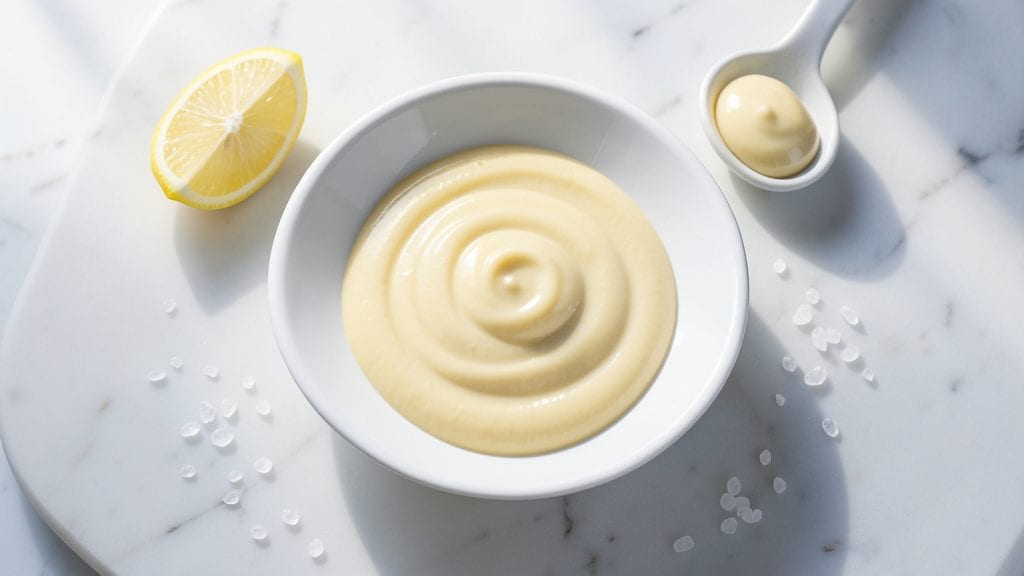
Delia Smith's egg mayonnaise recipe transforms simple ingredients into a velvety emulsion that rivals commercial versions without a drop of oil. This classic technique relies on precise temperature control and gradual emulsification to create a silky, stable sauce perfect for elevating sandwiches, salads, or deviled eggs.
The key lies in slow incorporation and patience—no shortcuts here, just refined method that delivers professional results every time.
Unlike modern oil-based mayonnaise, this version uses eggs as the primary emulsifier, creating a lighter texture with a delicate, buttery richness. Delia Smith's approach emphasizes technique over ingredients, making it accessible with just three core components: eggs, acid (vinegar or lemon juice), and a pinch of salt.
The slow incorporation method ensures a smooth, lump-free emulsion that holds its shape without separating, even after hours in the fridge.
What sets this recipe apart is its versatility—use it as a sandwich spread, salad dressing base, or dipping sauce for vegetables and chips. The texture remains silky and stable for up to five days when stored properly, making it ideal for meal prep.
For those who prefer a richer flavor, a touch of Dijon mustard can be incorporated during emulsification, adding depth without altering the fundamental technique.
The beauty of this method is its adaptability—scale it up for parties or down for personal use, and always maintain the same ratio of ingredients.
Whether you're a home cook looking to master classic techniques or a professional seeking a refined sauce, this egg mayonnaise delivers consistent, restaurant-quality results with minimal effort. Ready to perfect your emulsion?
Ingredients for delia smith egg mayonnaise
Seven essential components create Delia Smith's legendary oil-free mayonnaise—where technique transforms humble eggs into velvety emulsion perfection.
| Ingredient | Amount | Notes |
|---|---|---|
| Large Egg Yolks 🥚 | 3 whole | Fresh, room-temperature yolks preferred |
| White Vinegar 🍶 | 1 tbsp | Distilled white vinegar preferred |
| Diamond Crystal Kosher Salt 🧂 | ½ tsp | Fine grain preferred for dissolution |
| Lemon Juice 🍋 | 1 tbsp | Freshly squeezed, strained |
| Dijon Mustard 🌶️ | ½ tsp | Optional for flavor depth |
| Large Egg Whites 🥚 | 2 whole | Room temperature for smooth texture |
| Granulated Sugar 🍚 | ¼ tsp | Optional for sweetness balance |
The yolks form the emulsion's backbone, so freshness is critical. Purchase eggs from local farms or specialty grocers like Whole Foods for maximum quality—look for yolks that are deep orange and firm. Room temperature yolks emulsify more smoothly, so remove them from the fridge 30 minutes before starting. The whites, while not essential, contribute to stability when incorporated last. For vinegar, distilled white vinegar provides consistent acidity without overpowering flavors. If using Dijon mustard, opt for a high-quality brand like Maille—its balanced sharpness enhances without dominating.
No vinegar? Lemon juice at equal measure works equally well, though the flavor profile shifts subtly. Short on Dijon? Yellow mustard at half the amount provides similar texture without the depth. For a sweeter finish, honey or maple syrup can replace sugar at the same quantity. The salt is non-negotiable—Diamond Crystal kosher salt dissolves cleanly, but any fine sea salt will suffice. If your emulsion breaks, whisk in 1 tsp warm water to rescue it. For those avoiding mustard entirely, simply omit it—Delia's original recipe thrives with just the core three ingredients.
This emulsion maintains its silky texture for 5 days when refrigerated in an airtight container with a thin layer of plastic wrap pressed directly onto the surface to prevent skin formation. For longer storage, freeze in 1-tbsp portions for up to 3 months—thaw overnight in the fridge before use. The sauce thickens when chilled, so whisk briefly before serving. For restaurant-quality results, prepare in a double boiler to maintain consistent temperatures during emulsification, though hand-whisking yields equally professional results with patience.
Why You'll Love This Recipe
- No Fuss, No Fail: This recipe is my go-to when I need mayo in a pinch—just yolks, vinegar, and a whisk. No blender, no stress, and no risk of breaking eggs. The slow drizzle of vinegar while whisking is oddly satisfying, like a tiny ritual that always works.
- Tangy, Creamy Magic: That bright lemon juice and Dijon mustard punch? It’s the secret. The vinegar cuts through the richness, while the mustard adds depth—way better than store-bought. I’ll take this over jarred mayo any day, especially on sandwiches or deviled eggs.
- Pantry Staple Power: Honestly, I make this so often I’ve stopped buying mayo. The ingredients are already in my fridge or spice rack, and it keeps for weeks in the fridge. Slather it on burgers, toss it with pasta, or use it as a dip—it’s my multipurpose hero.
- Budget-Friendly Luxury: For the cost of a handful of eggs, I get restaurant-quality mayo. No preservatives, no mystery ingredients—just real flavor. And since it’s homemade, I control the salt and acidity. My wallet (and taste buds) thank me every time.
Step-by-step instructions for Delia Smith's egg mayonnaise
Mastering this emulsion technique transforms simple eggs into velvety mayonnaise without oil.
Prepare the Base with Yolks and Acid
In a heatproof bowl, whisk together the 3 whole large egg yolks until they're completely smooth and pale yellow. This step ensures no lumps remain that could disrupt the emulsion later. Add the 1 tablespoon white vinegar and 1 tablespoon lemon juice while whisking continuously for 1 minute. The acid helps stabilize the emulsion by gently coagulating the egg proteins.
Next, incorporate the 0.5 teaspoon Dijon mustard and 0.25 teaspoon granulated sugar into the yolk mixture. The mustard adds subtle depth while the sugar balances the acidity. Whisk until fully combined—this creates the flavor foundation before we build the emulsion. Keep the bowl over a saucepan of barely simmering water (not boiling) and whisk constantly for 5 minutes until the mixture thickens noticeably and reaches 160°F. This gentle heat treatment prevents raw egg concerns while developing a stable base.
Gradually Incorporate the Egg Whites
Remove the bowl from the heat and let the yolk mixture cool slightly for 2 minutes—it should be warm but not hot to the touch. In a separate bowl, whip the 2 whole large egg whites with the 0.5 teaspoon diamond crystal kosher salt until soft peaks form. The salt enhances the whites' structure, which is crucial for achieving that signature silky texture.
Begin adding the whipped egg whites to the yolk mixture 1 tablespoon at a time, whisking vigorously after each addition. This gradual incorporation prevents the emulsion from breaking. You'll notice the mixture thicken dramatically as the proteins from both yolks and whites intermingle. Continue until all egg whites are incorporated—this typically takes 3-4 minutes of continuous whisking. The final texture should resemble thick, glossy custard with no visible streaks.
Refine the Emulsion to Perfection
Transfer the mixture to a clean mixing bowl and whisk continuously for an additional 5 minutes until the mayonnaise becomes completely smooth and reaches room temperature. This final whisking step eliminates any remaining lumps and develops the characteristic velvety mouthfeel. The emulsion should now hold its shape when drizzled—if it separates slightly, simply whisk vigorously for another 30 seconds to restore its consistency.
Taste and adjust seasoning if needed—add a pinch more salt or lemon juice if desired. The mayonnaise should be bright, tangy, and perfectly balanced without any raw egg taste. For best results, use immediately or store in an airtight container in the refrigerator for up to 3 days. This method guarantees a stable emulsion with no oil required, delivering that classic Delia Smith texture that's both rich and light.
Pro Tips For Making Delia Smith Egg Mayonnaise
- Whisk Slowly First: Start with gentle, circular strokes—no need to rush. I used to whip the yolks too fast and end up with a thin, soupy mess. Once the yolks lighten and thicken slightly (about 30 seconds), then you can go faster.
- Use Cold Yolks: Chill the egg yolks in the fridge for 10–15 minutes before starting. Warm yolks emulsify unevenly, and you’ll end up fighting the recipe instead of working with it. Trust me, the extra wait makes the difference.
- Measure Vinegar Precisely: Delia’s recipe calls for 1 tablespoon of white vinegar, but don’t eyeball it—use a proper measure. Too little, and the mayo won’t stabilize; too much, and it’ll taste sharp. A kitchen scale or measuring spoon guarantees consistency.
- Add Oil Gradually: Drip the oil in very slowly at first—just a few drops at a time—until the mixture thickens. Once it’s holding, you can pour it in a thin stream, but rushing here is how you end up with a broken emulsion. Patience pays off.
Regional styles of this delia smith egg mayonnaise
British Classic
Delia Smith's original egg mayonnaise hails from traditional British cuisine, where it was a staple in household kitchens long before commercial versions dominated.
The British version relies on white wine vinegar (instead of distilled) for a subtler acidity that complements classic British flavors like corned beef sandwiches or cucumber salad.
I've made this version countless times for afternoon teas—it's lighter than oil-based mayo but still rich enough for Deviled Eggs or Fish Finger Sandwiches. 🥪
French-Inspired Twist
For a more refined touch, French cooks often incorporate 1 tsp sherry vinegar into the acid blend, adding complexity that pairs beautifully with smoked salmon or duck confit. The French also traditionally use shallots (minced) in place of Dijon mustard for a sweeter, more aromatic base.
I've adapted this version for Croque Monsieur sandwiches—it elevates the dish without overpowering the béchamel. The key is to reduce the vinegar to ½ tbsp if using shallots to balance their natural sweetness.
American Adaptation
Across the Atlantic, American cooks often replace white vinegar with apple cider vinegar for a sweeter, fruitier profile that works wonderfully with turkey sandwiches or BBQ chicken wraps.
The addition of ½ tsp honey (instead of sugar) becomes common here, creating a mayo that's slightly sweet and perfect for Southern-style fried chicken or pimento cheese sandwiches. I've found that American versions hold up slightly better when stored overnight, likely due to the vinegar's natural preservative qualities.
Scandinavian Light Version
In Scandinavian countries, this egg mayonnaise is often made with dill (finely chopped) and lemon zest instead of mustard, creating a bright, herbaceous sauce ideal for smoked herring or beetroot salads.
The Scandinavians also frequently use whole eggs (not just yolks) for a slightly richer texture while keeping the emulsion light. I've made this version for Swedish meatballs—it adds a fresh, zesty contrast that cuts through the richness of the dish.
The secret here is to whisk in the dill at the very end to preserve its freshness.
Mediterranean Herbal Infusion
For a Mediterranean twist, I've experimented with adding 1 tsp dried oregano and ½ tsp garlic powder to the yolk mixture before emulsification. This version shines when paired with grilled lamb or roasted vegetables—the herbs complement the natural richness of the eggs without overpowering.
The Mediterranean adaptation also often includes 1 tbsp olive oil (contrary to the oil-free base), but I've found that even without it, the herbs create enough depth for Greek-style salads or hummus dips. The olive oil version keeps for slightly longer due to its natural preservation properties.
Japanese-Inspired Clarity
In Japan, this technique is adapted into tamago sauce (egg sauce), where the emulsion is often thinned slightly with dashi stock for a delicate, silky consistency perfect for sushi rolls or tempura. The Japanese version frequently incorporates mirin (instead of sugar) and soy sauce for umami depth.
I've made this adaptation for California rolls—the subtle sweetness and umami balance the fresh fish beautifully. The key difference is the addition of 1 tsp mirin during the yolk stage, which adds both sweetness and a delicate floral note that elevates the sauce to new heights.
Nutrition facts
Frequently asked questions
Why does this recipe work without oil?
The egg proteins act as natural emulsifiers, binding with the acid (vinegar/lemon) to create a stable, velvety texture. The gradual incorporation of whipped egg whites strengthens this structure, while gentle heat treatment coagulates proteins for extra stability. This method delivers a lighter, oil-free emulsion that still holds shape beautifully.
Can I make this with just yolks?
Yes, but the egg whites add crucial structure for that signature silky texture. If you omit them, you'll get a thinner, less stable sauce. For a richer version, use 4 yolks total instead of 3 yolks + 2 whites while maintaining the same acid ratio. The whites create a more refined mouthfeel that's worth the extra effort.
What if my mayonnaise breaks?
Don't panic! Slowly whisk in 1 teaspoon warm water while continuously whisking. The water helps re-emulsify the proteins. If that fails, start fresh with 1 extra yolk whisked into the broken mixture—this often rescues it completely. The key is patience: never rush the incorporation process.
How can I use this beyond sandwiches?
This versatile emulsion works as a base for creamy salad dressings, a dipping sauce for vegetables or chips, or even a topping for deviled eggs. Try thinning with 1-2 teaspoons milk or broth for a lighter dressing, or mix with finely chopped herbs for herbaceous applications. The possibilities are endless once you master the base!
Is this safe to eat raw?
The gentle heat treatment (bringing to 160°F) pasteurizes the eggs, making it safe to consume. However, for extra precaution with vulnerable groups, you can add ½ teaspoon mustard powder (which has antimicrobial properties) during preparation. Always use fresh, high-quality eggs and maintain proper hygiene throughout the process.