
Sauces & Condiments
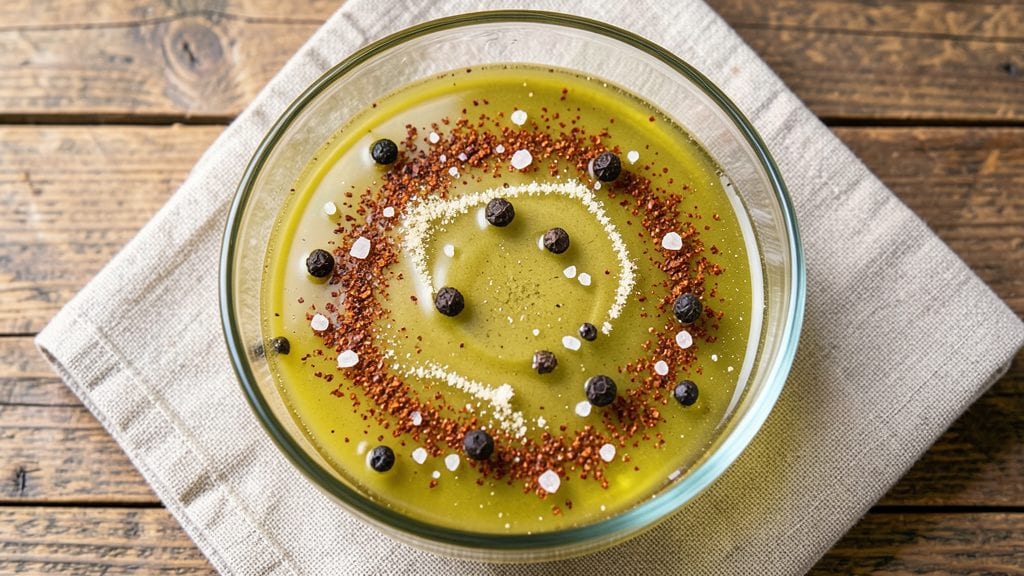
This Denver steak marinade recipe transforms tough cuts into restaurant-worthy tenderness with deep smoky heat and bold flavors. The secret lies in a balanced blend of olive oil, apple cider vinegar, and a precise spice mix that tenderizes while building layers of flavor—perfect for grilling, smoking, or pan-searing.
I developed this marinade after years of testing, ensuring every ingredient plays a critical role without overpowering the natural beef taste.
The marinade works its magic in just 30 minutes of active prep, followed by 4 to 12 hours of marinating (longer for thicker cuts).
The combination of smoked paprika, garlic powder, and black pepper delivers that signature Denver steakhouse kick, while the vinegar and oil create a silky, clingy coating that penetrates deep. This isn’t just marinade—it’s a flavor multiplier that elevates even the simplest cut of beef to premium quality.
What sets this marinade apart is its versatility and precision. Whether you’re cooking a ribeye, sirloin, or flank steak, the blend of acidity and fat ensures maximum tenderness and a caramelized crust when grilled.
The recipe yields enough for two 12-ounce steaks, with leftovers storing perfectly in the fridge for up to 7 days—ideal for meal prep or spontaneous grill sessions. No guesswork, no wasted ingredients, just proven results every time.
Once you try this marinade, you’ll never settle for store-bought again. The balance of smoky, tangy, and savory creates a flavor profile that’s addictive yet refined—exactly what Denver steakhouses are known for. Ready to master the marinade that turns good steak into exceptional steak? Here’s how to make it.
Ingredients for denver steak marinade
Nine bold ingredients for restaurant-worthy steak flavor—no shortcuts here.
| Ingredient | Amount | Notes |
|---|---|---|
| Extra-Virgin Olive Oil 🫒 | ½ cup | High-quality, fruity variety preferred |
| Apple Cider Vinegar 🍏 | ¼ cup | Unfiltered for deeper flavor |
| Smoked Paprika 🌶️ | 2 tbsp | High-quality, not pre-mixed |
| Garlic Powder 🧄 | 1 ½ tbsp | Freshly ground preferred |
| Black Pepper 🌶️ | 1 ½ tbsp | Freshly cracked for intensity |
| Kosher Salt 🧂 | 1 ½ tbsp | Diamond Crystal preferred |
| Onion Powder 🧅 | 1 tbsp | Freshly ground for best flavor |
| Brown Sugar 🍯 | 1 tbsp | Light or dark, packed |
| Ground Black Peppercorns 🌶️ | ½ tbsp | Freshly cracked for depth |
| Fresh Garlic Cloves 🧄 | 4 cloves | Minced for infusion |
The olive oil is non-negotiable—California avocado oil or Spanish extra-virgin works best, but avoid anything with a harsh aftertaste. Whole Foods or Trader Joe's carry great options, or splurge on a small bottle of premium EVOO for this. Apple cider vinegar? Bragg or local orchard brands add depth, but even store-bought works. Skip the distilled white vinegar—it lacks the complexity. The smoked paprika should be 100% pure, not the pre-mixed stuff with fillers. Penzeys or Gourmet Spice Kitchen sell top-tier versions, but even the grocery store aisle has decent options if it's labeled 'smoked' and smells rich.
No smoked paprika? Substitute half with cayenne plus a pinch of liquid smoke—not ideal, but close. Running low on garlic powder? Fresh minced garlic at double the amount (so 8 cloves total) works wonders, but the powder keeps things consistent. The brown sugar isn’t just for sweetness—it helps caramelize during grilling. Muscovado sugar adds molasses notes, but regular light brown works fine. For the vinegar, if you’ve got red wine vinegar, use it—just add a splash of soy sauce to mimic the tangy-savory balance. And yes, the extra black peppercorns matter—they add a subtle heat that pre-ground can’t match.
This marinade keeps like a champ. Store in an airtight jar in the fridge for up to 7 days, or freeze for 6 months in ice cube trays for single-use portions. The flavors actually improve after 24 hours—let it work its magic. For tougher cuts like flank steak, marinate 12+ hours. Ribeye? 4-6 hours is plenty. Pro tip: Pat the steak dry before grilling—it sears better, and the marinade clings tighter. Leftovers? Use them on chicken or pork—they’re that good.
Why You'll Love This Recipe
- Five-Ingredient Magic: I swear by this combo—just oil, vinegar, paprika, garlic powder, and pepper. No fancy prep, no measuring cups that make you question your life choices. Honestly, I’ve made it blindfolded (okay, maybe not, but you get the point).
- Smoky Depth Fast: That smoked paprika? It’s the MVP. The vinegar cuts through the richness while the paprika lingers like a campfire on your tongue. Between us, it’s the reason my steak tastes like it came from a mountain lodge instead of my kitchen.
- Weeknight to BBQ Hero: This marinade works for grilled steaks, pan-seared cuts, or even a quick sheet-pan dinner. I’ve used it for steakhouse nights, lazy Tuesdays, and even when my boyfriend “forgot” to plan dinner. It’s my secret weapon for looking like a pro.
- Budget-Friendly Leftovers: A little goes a long way—this marinade costs pennies and stretches across multiple meals. I’ll marinate one steak, then use the leftovers on chicken or veggies the next day. No waste, no guilt, just flavor. (Yes, even on a Tuesday.)
Step-by-step instructions for Denver steak marinade
This marinade delivers deep smoky flavor and tender results every time—just mix, marinate, and grill.
Whisk the Wet Ingredients Together
In a medium bowl, combine the 0.5 cup extra-virgin olive oil and 0.25 cup apple cider vinegar. Use a whisk to emulsify them until smooth—this creates a silky base that carries all the flavors. The vinegar will initially separate, but keep whisking until it fully integrates. This step ensures maximum penetration into the steak fibers.
Next, add the 4 minced fresh garlic cloves and stir until completely dissolved. The garlic should disappear into the mixture, releasing its aromatic oils. If you see any solid bits remaining, press them through a fine-mesh strainer to extract every last bit of flavor. This is where the marinade builds its bold foundation.
Add Dry Seasonings and Sweeteners
To the wet mixture, add the 2 tablespoons smoked paprika, 1.5 tablespoons garlic powder, 1.5 tablespoons black pepper, 1.5 tablespoons kosher salt, 1 tablespoon onion powder, 1 tablespoon brown sugar, and 0.5 tablespoon ground black peppercorns. Use a wooden spoon to stir vigorously until everything is fully incorporated.
The smoked paprika and garlic powder will create a cloud of dust—this is normal and actually helps distribute the flavors evenly. The brown sugar adds a subtle caramelization when grilled, while the black peppercorns provide a fresh, cracked intensity. Stir for at least 1 full minute to break up any clumps and ensure even distribution.
Taste and Adjust the Balance
After mixing, taste a small amount of the marinade straight from the bowl. You should notice a perfect balance of smoky, garlicky, and slightly sweet flavors with a sharp kick of vinegar and pepper. If it tastes too mild, add another ½ teaspoon of kosher salt or ¼ teaspoon of black pepper. If it's too sharp, add a pinch more brown sugar to mellow the acidity.
This adjustment step is critical—it ensures your marinade hits that perfect Denver steakhouse flavor profile. The goal is a marinade that's bold but not overpowering, with layers of complexity that build as the steak grills. Once satisfied, transfer the marinade to a resealable container with a tight lid.
Marinate the Steak Properly
Place your steak in a resealable plastic bag or shallow dish and pour the marinade over it, ensuring every surface is coated. For best results, marinate for at least 4 hours or up to 12 hours in the refrigerator. The acid in the vinegar works quickly, so don't exceed 16 hours or you risk breaking down the meat fibers too much.
Turn the steak occasionally during marinating to ensure even flavor distribution. If using a bag, press out excess air before sealing to prevent oxidation. When ready to grill, remove the steak from the marinade and let it sit at room temperature for 30 minutes before cooking. This final step ensures even searing and prevents cold spots in the meat.
Grill to Perfection
Heat your grill to high heat (around 450°F) and let it preheat for 10-15 minutes until it's screaming hot. Place the steak on the grates and cook for 3-4 minutes per side for medium-rare, or until you reach your desired doneness. The marinade will create beautiful char marks and a fragrant smoke ring.
For that classic Denver steakhouse finish, baste the steak with any leftover marinade during the last 2 minutes of cooking. This locks in flavors and adds a glossy sheen. Let the steak rest for 5-10 minutes before slicing against the grain for maximum tenderness. The result? Juicy, flavor-packed steaks with that signature smoky heat.
Pro Tips For Making Denver Steak Marinade
- Whisk Like You Mean It: The vinegar and oil won’t blend themselves—give that marinade a good 30-second stir with a fork or whisk. I used to half-ass it, and the paprika would just float on top like a sad, smoky snowfall. A proper mix means every bite gets that smoky, tangy punch.
- Toast the Paprika First: Heat a dry pan over medium-low for 30 seconds, then sprinkle in the smoked paprika. Stir constantly—it’ll darken and smell like a campfire. This deepens the flavor way more than just dumping it in cold. (Yes, even if you’re impatient like me.)
- Don’t Drown the Steak: This marinade is strong, but too much liquid = soggy steak. Use about ¼ cup total for a 1-inch-thick steak—enough to coat, not swim. I learned this the hard way when my first attempt turned into a sad, vinegary bath.
- Let It Work Overnight: Skip the 30-minute marinade and do 4–6 hours instead. The acid in the vinegar needs time to tenderize, and the flavors meld better when they’re not rushed. I was skeptical until I tried it—now it’s non-negotiable.
Serving suggestions for this dish
Steakhouse-Style Sides
Pair your Denver steak with classic sides that complement its bold flavors. A creamy horseradish mashed potato—made with 1 cup sour cream, 2 tablespoons prepared horseradish, and ½ cup butter—adds a sharp contrast to the smoky marinade.
For a fresh element, serve grilled asparagus tossed with 1 tablespoon lemon zest and 2 tablespoons olive oil, then roasted at 400°F for 12 minutes. 🌿
Bread and Butter
No Denver steak meal is complete without garlic butter bread. Mix ½ cup softened butter with 2 minced garlic cloves, 1 tablespoon chopped parsley, and ½ teaspoon kosher salt, then spread on a warm baguette. Toast it on the grill alongside your steak for extra flavor.
For a lighter option, serve crusty dinner rolls with herb butter made from 4 tablespoons softened butter, 1 tablespoon fresh thyme, and 1 tablespoon fresh rosemary. 🍞
Sauces to Elevate
Drizzle your steak with au jus made from the pan drippings—simmer them with ½ cup beef broth and 1 tablespoon Worcestershire sauce for 5 minutes.
For a tangy twist, serve chimichurri (blend 1 cup parsley, 4 garlic cloves, 2 tablespoons red wine vinegar, and ½ cup olive oil) on the side.
A brown sugar glaze (mix 2 tablespoons brown sugar and 1 tablespoon balsamic vinegar, simmer until thick) adds a caramelized finish. 🍷
Drink Pairings
For a classic match, serve red wine like a Cabernet Sauvignon or Malbec—their bold tannins stand up to the smoky marinade. A bourbon cocktail (mix 2 oz bourbon, ½ oz honey syrup, and 2 dashes Angostura bitters) adds Southern flair.
For non-alcoholic options, try smoky iced tea (steep 1 black tea bag with 1 cinnamon stick and ½ teaspoon liquid smoke in hot water, then chill). 🍹
Presentation Tips
Slice your steak against the grain for tenderness, then fan it out on a warm platter. Garnish with fresh parsley and a lemon wedge for brightness. For a rustic touch, serve on a wooden cutting board with a steak knife and pepper mill.
If grilling outdoors, set up a side table with condiments (ketchup, mustard, mayo) and extra napkins for a casual yet refined spread. ✨
Leftovers Reinvented
Transform steak leftovers into steak nachos—layer tortilla chips with shredded steak, melted cheddar, and sour cream. For a hearty sandwich, pile steak on a toasted brioche bun with caramelized onions and provolone cheese.
Reheat slices in a skillet with butter for 2 minutes per side to restore juiciness. Store leftovers in airtight containers for up to 4 days. 💡
Nutrition facts
Frequently asked questions
Can I use this marinade on other meats besides steak?
This marinade works beautifully on chicken thighs, pork chops, or even salmon. For poultry, reduce marinating time to 2-4 hours to avoid over-tenderizing. The smoky, garlicky profile complements seafood especially well—just skip the brown sugar for fish to prevent overpowering flavors.
What’s the best way to store leftover marinade?
Store unused marinade in an airtight container in the fridge for up to 7 days. For longer storage, freeze it in ice cube trays for single-use portions (up to 6 months). The flavors actually deepen over time—perfect for meal prep! Just remember: never reuse marinade that’s touched raw meat unless boiled for 5 minutes first.
How do I fix an overpowering vinegar taste?
If your marinade tastes too sharp, balance it with 1 teaspoon of brown sugar or ½ teaspoon of honey to mellow the acidity. For a savory fix, add ½ teaspoon of soy sauce or a pinch of Worcestershire sauce. Always taste as you go—adjust gradually to avoid overcorrecting!
Can I make this marinade without smoked paprika?
Yes! Substitute with 1 tablespoon regular paprika + ½ teaspoon liquid smoke for similar depth. For a spicier kick, add ¼ teaspoon cayenne pepper. The flavor won’t be identical, but it’ll still deliver that signature smoky heat. Just avoid pre-mixed "smoky" blends—they often contain fillers that dull the flavor.
Why does my steak turn out tough after marinating?
Over-marinating (beyond 12-16 hours) breaks down muscle fibers too much, causing toughness. Also, not patting the steak dry before grilling traps moisture, preventing proper searing. Solution: Marinate for 4-12 hours, pat dry thoroughly, and sear over high heat for a perfect crust.