
Sauces & Condiments
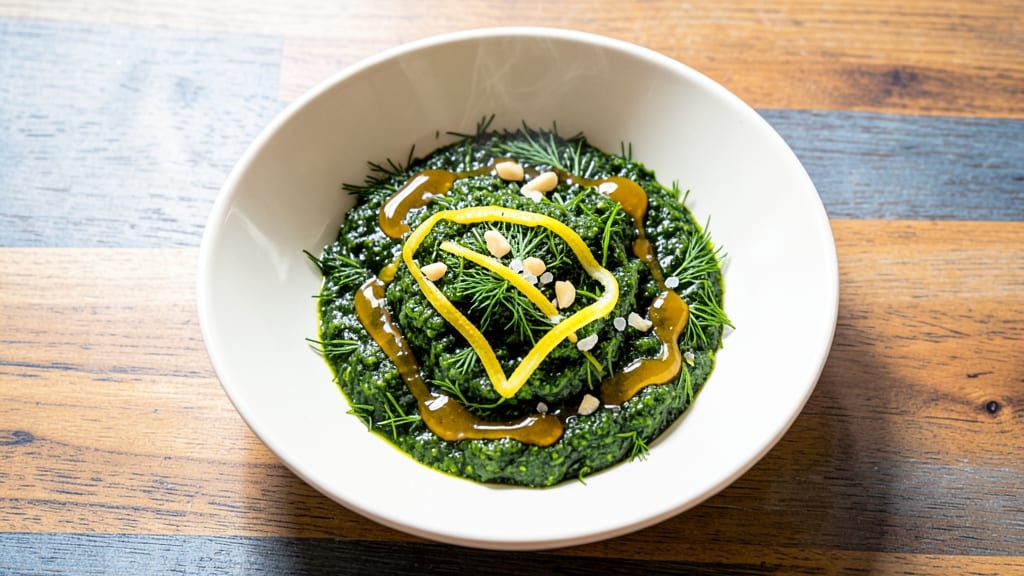
This dill leaves recipe transforms simple ingredients into a vibrant, herb-infused oil that elevates everything from fish to soups with bright, fresh flavor.
Standing on a step stool in my grandmother’s Sicilian kitchen, I first learned how fresh dill could turn a basic dish into something extraordinary—her secret was infusing olive oil with the herb’s bright, grassy notes.
The process is simple but powerful: fresh dill leaves steeped in warm oil for just the right amount of time, creating a fragrant base that adds depth without overpowering.
What makes this recipe special is its versatility. You can use it as a finishing drizzle for grilled salmon, a marinade for chicken, or a bright addition to potato salads. The oil keeps for weeks in the refrigerator, so you’ll always have that fresh dill flavor on hand.
Unlike dried herbs, fresh dill leaves release their full aroma and flavor when infused this way, making every dish taste like it was made with care.
The result is a golden, fragrant oil with a delicate balance of dill’s bright, slightly tangy flavor. It’s the kind of simple yet sophisticated touch that turns ordinary meals into something memorable.
Whether you’re cooking for a family dinner or prepping for a week of quick lunches, this herb-infused oil will become your go-to secret weapon.
Ready to elevate your cooking? This recipe delivers restaurant-quality flavor with minimal effort—perfect for anyone who loves fresh herbs and wants to make their dishes stand out. Let’s get started!
Ingredients for dill leaves
Fresh dill leaves and olive oil create a fragrant, versatile oil that turns simple dishes extraordinary.
| Ingredient | Amount | Notes |
|---|---|---|
| Fresh Dill Leaves 🌿 | 1 ½ cups | Packed, stems removed |
| Extra-Virgin Olive Oil 🫒 | 1 ½ cups | High-quality, fruity |
| Garlic Cloves 🧄 | 3 cloves | Peeled, minced |
| Lemon Zest 🍋 | 1 tbsp | Freshly grated |
| Lemon Juice 🍋 | 1 tbsp | Freshly squeezed |
| Sea Salt 🧂 | ½ tsp | Fine grain preferred |
| Black Peppercorns 🌶️ | ¼ tsp | Freshly cracked |
| Red Pepper Flakes 🔥 | ¼ tsp | Optional for heat |
| Freshly Ground Black Pepper 🌶️ | ¼ tsp | For finishing |
| Grilled Salmon Fillets 🐟 | 4 whole | Skin-on preferred |
| Baby Potatoes 🥔 | 1 ½ lb | Boiled, halved |
| Hard-Boiled Eggs 🥚 | 4 whole | Sliced for garnish |
The dill leaves are the star here—farmers market or organic grocery store selections have the brightest flavor. Look for vibrant green leaves with no browning or wilting. I always grab more than I need because fresh dill wilts fast, and you can freeze extras in oil for later. Whole Foods or Trader Joe's usually have the freshest dill, but check the back of the store where they keep the herbs. The olive oil should be extra-virgin, fruity, and cold-pressed—avoid the cheap stuff. California Olive Ranch or Bertolli are solid choices, but any high-quality brand works.
No fresh dill? Dried dill at one-third the amount is a decent swap, but it won’t have the same bright flavor. Short on olive oil? Avocado oil works too, but the flavor will be slightly different. The garlic can be roasted for a sweeter taste—just toss whole cloves in the oven at 400°F for 10 minutes before mincing. Want more tang? Add an extra tablespoon of lemon juice. The red pepper flakes are optional, but they add a nice kick if you're using this oil on grilled meats or roasted veggies. If you’re prepping ahead, store the oil without the garlic or lemon—add those fresh when ready to use.
This oil keeps for up to 2 weeks in the fridge, but the flavor peaks after 3-5 days. Store it in a clean, airtight jar with a tight seal. The garlic and lemon will make it last longer, but you can add them fresh whenever you’re ready to use it. It’s perfect for drizzling over grilled salmon (like the recipe includes), tossing with roasted potatoes, or finishing soups. For extra flavor, add a pinch of freshly cracked pepper right before serving. The oil freezes beautifully too—just thaw in the fridge overnight.
Why You'll Love This Recipe
- No-Chop Needed: I swear by this trick—just tear the dill leaves by hand (no knife required) and toss them into the olive oil with minced garlic. Five minutes later, you’ve got vibrant green magic that smells like summer in a jar.
- Bright & Tangy: That lemon zest and juice cut through the richness of the olive oil, while the garlic adds depth—it’s herby, zesty, and just sharp enough to wake up any dish. Honestly, I’ll reach for this over store-bought seasoning blends every time.
- Weeknight Flex: Slather it on grilled fish, mix into yogurt bowls, or drizzle over roasted veggies—it’s my secret weapon for turning boring meals into something special. Even my picky husband asks for seconds when I use this.
- Lasts All Week: Make a big batch (it keeps for 5 days in the fridge) and use it like a fancy garnish or quick flavor booster. Between us, this is how I stretch my grocery budget without sacrificing taste—just a spoonful here, a spoonful there.
Step-by-step instructions for herb-infused oil with fresh dill
Here's how to create vibrant, flavor-packed dill oil that transforms simple dishes into gourmet creations.
Prepare the Fresh Dill and Aromatics
Start by washing the 1.5 cups of fresh dill leaves thoroughly and patting them completely dry with paper towels. Remove any tough stems to ensure you're working with just the tender leaves. In a small bowl, combine the dill with the 3 peeled and minced garlic cloves, 1 tablespoon of lemon zest, and 1 tablespoon of lemon juice. This citrusy blend brightens the dill's natural flavor and prevents the oil from going rancid too quickly.
Use your hands to gently massage the dill mixture for about 1 minute—this helps release the essential oils and ensures every leaf gets coated with the lemon and garlic. The aroma should be intensely fresh and vibrant. I like to work in batches if I'm making larger quantities, as this step is easiest when the herbs are packed tightly together.
Infuse the Olive Oil with Herbs
In a clean, dry glass jar with a tight-sealing lid, combine the 1.5 cups of extra-virgin olive oil with the prepared dill mixture. Seal the jar and let it sit at room temperature for 24 hours—this allows the flavors to meld together beautifully. I place mine in a dark cupboard away from direct sunlight, as light can degrade the delicate flavors over time.
After the initial infusion, give the jar a good shake to redistribute the herbs throughout the oil. The color should be a vibrant green, and you'll notice the aroma is even more intense. This is when the magic happens—the dill's bright, slightly grassy notes combine with the fruity olive oil to create something truly special. If you're short on time, you can use the oil after just 4 hours, but the full 24-hour infusion gives the deepest flavor.
Strain and Season the Infused Oil
After the infusion period, strain the oil through a fine-mesh sieve or cheesecloth into a clean bowl, pressing gently on the herbs to extract every last drop of flavor. Discard the used herbs—they've given everything they've got! Return the strained oil to the jar and add the 0.5 teaspoon of sea salt, 0.25 teaspoon of cracked black peppercorns, and 0.25 teaspoon of red pepper flakes (if using). Seal the jar again and give it one final shake to incorporate the seasonings.
The oil is now ready to use, but I like to let it sit for another 12 hours in the refrigerator before using it on proteins like the 4 grilled salmon fillets or drizzled over the 1.5 pounds of halved baby potatoes. This extra time in the fridge helps mellow any raw garlic flavor while keeping the dill's brightness intact. The oil will keep in the refrigerator for up to 2 weeks, making it perfect for elevating quick weeknight meals.
Create the Complete Herb-Infused Meal
To use your dill oil, start by preparing the 4 grilled salmon fillets with a light brush of the oil before grilling. After cooking, drizzle generously over each fillet and garnish with slices of the 4 hard-boiled eggs. For the 1.5 pounds of baby potatoes, toss the halved potatoes in a bowl with a tablespoon of the dill oil, 0.25 teaspoon of freshly ground black pepper, and a pinch of additional sea salt. Roast at 400°F for 25-30 minutes until golden and crispy.
The key to this dish is balance—use the dill oil sparingly on the salmon so it enhances rather than overwhelms the natural flavor of the fish. The potatoes should be tender with crispy edges, and the eggs add a perfect protein contrast. Serve everything together with a simple arugula salad dressed with a splash of the remaining dill oil and a squeeze of fresh lemon juice for a complete, herb-forward meal that's as beautiful as it is delicious.
Pro Tips For Making Dill Leaves
- STOP CHOPPING THE GARLIC TOO FINE: Fresh dill and garlic lose their punch when overworked. Smash the garlic cloves with the flat side of your knife first, then give it a rough chop—big enough to taste, small enough to blend. I used to mince it into oblivion, and the flavor just dissolved into the oil.
- PULSE THE DILL IN BATCHES: Dill turns to mush fast. Pulse half the leaves in your food processor, then mix in the rest by hand—this keeps texture and prevents a sad, watery paste. I learned this the hard way after making a dill pesto that looked like soup.
- USE COLD OIL, NOT ROOM TEMP: Cold extra-virgin olive oil emulsifies better and won’t turn bitter from heat. Drizzle it in slowly while pulsing, and the mixture will come together like a dream. I skipped this once and ended up with a greasy, separated mess—don’t be that person.
- ZEST FIRST, JUICE SECOND: Add lemon zest before juice to brighten the whole mix, not just the surface. Then finish with juice—this keeps the acidity balanced and stops the dill from wilting prematurely. I was lazy and did it the other way around, and the flavor felt flat.
Make-ahead tips for this dish
Prep Ahead for Flavor
The dill oil keeps beautifully for 2 weeks in the fridge, so make it when you have fresh dill on hand—like when you're prepping for a big family meal.
I like to double the recipe and store it in 2 airtight glass jars (I use Le Parfait 16oz jars because they seal tightly). The oil actually improves in flavor after 3-5 days as the dill's essential oils develop fully. 🌿
Herb-Freezing Hack
If you have extra dill leaves, freeze them in ice cube trays with a little olive oil—this preserves their bright flavor for months. Once frozen, transfer the cubes to a ziplock bag and store in the freezer.
When you're ready to make the oil, just thaw the cubes and strain them directly into your jar. This is my Nonna's trick for never wasting fresh herbs.
Potato Prep Shortcut
Boil the 1.5 lb baby potatoes up to 2 days ahead and store them in the fridge in a bowl of cold water. Before roasting, drain and pat dry with a kitchen towel.
Toss with the dill oil right before baking so the flavors stay vibrant. I find this saves 30 minutes on busy weeknights while keeping the potatoes perfectly tender. ⏰
Salmon Prep Timeline
Marinate the salmon fillets in the dill oil for 1-2 hours before grilling—this infuses the fish with flavor without overpowering it. Store the marinated fillets in a sealed container in the fridge.
For best results, grill them within 24 hours of marinating. The oil's bright flavors penetrate the fish beautifully during this time.
Egg Prep Strategy
Hard-boil the 4 eggs up to 5 days ahead and store them in the fridge. Peel them just before serving to keep them looking fresh. I like to slice them into ¼-inch rounds and arrange them on top of the salmon for a restaurant-worthy presentation.
The eggs add a creamy contrast that balances the dill's bright flavor perfectly. 🥚
Complete Meal Assembly
Assemble the entire meal just before serving to keep everything at its peak. Roast the potatoes while the salmon grills, then arrange everything on a platter with the arugula salad.
The dill oil ties all the components together—drizzle it lightly over the salmon, potatoes, and salad for a cohesive, herb-forward experience. This approach ensures every bite has that fresh dill magic. ✨
Nutrition facts
Frequently asked questions
Can I use dried dill instead of fresh in this recipe?
Fresh dill leaves are ideal for this infusion because they release their bright flavor more effectively. If you must use dried dill, reduce the amount to ⅓ cup (about 1/3 of the fresh quantity) and steep it in the oil for 1 hour instead of 24. The flavor will be milder, but still pleasant. For best results, always choose fresh herbs when possible—they make a noticeable difference!
How do I know when the dill oil is ready to use?
The oil is ready after 24 hours of infusion, but you can taste it earlier if needed. Look for a vibrant green color and a strong, fresh dill aroma. If the flavor seems too raw, let it sit another 12 hours in the fridge. The oil should smell bright and citrusy, not bitter or dull. For extra assurance, strain it again before using to remove any lingering herb particles.
Can I make this oil without garlic or lemon?
While garlic and lemon enhance the flavor, they're not essential. Skip them if you prefer a pure dill oil. For a different twist, try adding 1 teaspoon of honey or ½ teaspoon of smoked paprika instead. The dill will still shine through, though the flavor profile will be subtly different. Experiment to find your favorite balance!
What’s the best way to store leftover dill oil?
Transfer the oil to a clean, airtight glass jar and store it in the refrigerator where it’ll keep for 2 weeks. For longer storage, freeze it in ice cube trays—just thaw in the fridge before using. Avoid metal containers, as they can react with the oil. The lemon and garlic help preserve freshness, but always check for any off smells before using. A little goes a long way, so measure carefully!
Can I use this oil in cooked dishes, or just as a finishing touch?
This infused oil works beautifully both cooked and raw! Use it as a marinade, drizzle it over hot dishes, or toss it with salads. For cooked applications, add it at the end of cooking to preserve its bright flavor. If you're roasting vegetables or grilling meats, brush it on just before serving. The key is to avoid excessive heat, which can dull the dill's delicate notes.